
Yes, you can absolutely talk to a vet about your cat not eating online, and doing so might be exactly what you need right now to get answers fast. When your beloved feline stops eating, worry sets in immediately—and waiting days for an in-person appointment can feel impossible. The good news? Online veterinary consultations make it easier than ever to connect with a licensed vet from your couch, describe what’s happening, and get professional guidance without the stress of travel.
Table of Contents
- Why Your Cat Might Not Be Eating
- When to Seek Online Veterinary Help for Your Cat
- Benefits of Talking to a Vet Online About Your Cat’s Appetite
- How Online Vet Consultations Work for Appetite Issues
- Common Causes of Appetite Loss Vets Check For Online
- What Information to Gather Before Your Online Vet Consultation
- Questions Your Online Vet Will Likely Ask
- Red Flags That Require Urgent In-Person Care
- Next Steps After Your Online Vet Consultation
- Preventive Tips to Support Your Cat’s Appetite
- The Pet Vet: Your Partner in Online Cat Care
- Frequently Asked Questions
- What To Do Now
- Summary
This article is for informational purposes only and is not a substitute for professional veterinary advice. Always consult a licensed veterinarian for diagnosis and treatment.
Why Your Cat Might Not Be Eating
A cat refusing food is never something to ignore. There are dozens of reasons why your feline friend might turn their nose up at their bowl, ranging from simple stress to more serious underlying health issues.
Cats are sensitive creatures. Changes in their environment—a new pet, moving furniture, or even a new food brand—can trigger loss of appetite. Stress, anxiety, and routine disruptions often manifest as decreased eating.
However, medical causes are equally common and require prompt attention. Dental disease, gastrointestinal parasites, infections, and organ dysfunction can all suppress appetite. Catching this early puts you in a great position to help.
When to Seek Online Veterinary Help for Your Cat
Not every missed meal requires emergency intervention, but knowing when to reach out makes all the difference. Online vet consultations shine in these situations because they’re quick, affordable, and available when you need them most.

Consider scheduling an online chat if your cat has skipped eating for more than 12 hours, seems otherwise normal, or if you’re unsure whether the situation warrants an urgent visit. If you are unsure whether your pet needs urgent care, a quick telehealth check-in can give you peace of mind—no appointment needed.
You should also reach out if your cat’s appetite loss is accompanied by vomiting, diarrhea, lethargy, or behavioral changes. These combinations of symptoms help vets narrow down possible causes quickly.
Benefits of Talking to a Vet Online About Your Cat’s Appetite
Online veterinary care offers unique advantages, especially when you’re worried about your cat not eating and need guidance fast.
- Speed: Connect with a licensed vet in minutes, not days or weeks.
- Convenience: No car rides, no waiting rooms, no stress for you or your cat.
- Cost-effective: Online consultations typically cost less than in-person visits.
- Initial assessment: Vets can ask detailed questions, review photos or videos, and help you decide if an in-person exam is necessary.
- Prescription support: Many platforms can issue prescriptions or refer you to local pharmacies.
- Peace of mind: Get professional reassurance when anxiety is running high.
How Online Vet Consultations Work for Appetite Issues
The process is straightforward and designed with worried pet owners in mind. Most platforms, including The Pet Vet, let you choose between video chat, phone call, or messaging with a licensed veterinarian.
Here’s what to expect: You’ll describe your cat’s eating habits, any recent changes, and other symptoms you’ve noticed. The vet will ask clarifying questions about your cat’s age, medical history, diet, and environment. They may ask you to send photos of your cat’s food bowl, body condition, or any visible signs of illness.
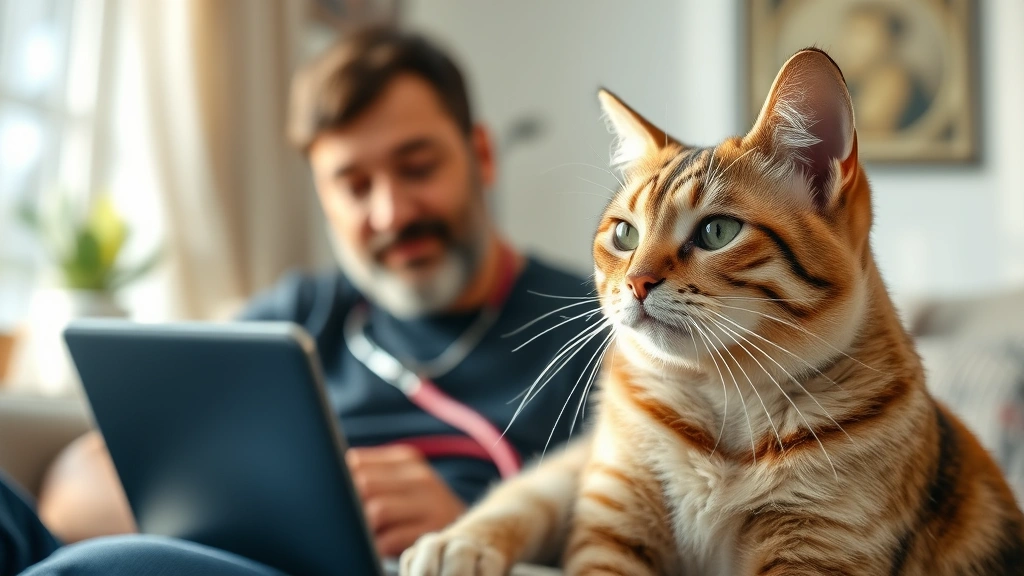
Based on this information, the vet can offer initial guidance, recommend home monitoring, suggest dietary adjustments, or advise you to schedule an in-person exam for bloodwork or physical examination. Some cases need hands-on assessment—and a good online vet will be honest about that.
Common Causes of Appetite Loss Vets Check For Online
When you describe your cat’s symptoms to an online vet, they’re mentally running through a diagnostic checklist. Understanding what they’re considering can help you provide better information.
Dental Problems: Tooth pain, gum disease, or loose teeth make eating uncomfortable. Your vet may ask if your cat is drooling or showing signs of mouth discomfort.
Gastrointestinal Issues: Parasites, inflammatory bowel disease (IBD), food sensitivities, or infections can suppress appetite. Vets often correlate appetite loss with vomiting or diarrhea patterns. Learn more about IBD diet for cats and how nutrition plays a role in recovery.
Infections and Fever: Bacterial, viral, or parasitic infections frequently cause cats to stop eating. Giardia in cats is one example of a parasite that disrupts appetite and digestion.

Kidney or Liver Disease: These conditions are common in older cats and often present with appetite loss. Blood tests help confirm, but initial screening happens via detailed questioning.
Stress and Behavioral Factors: Changes in routine, new pets, or environmental stressors can trigger appetite suppression without any physical illness present.
What Information to Gather Before Your Online Vet Consultation
Preparation helps your online consultation go smoothly and gives the vet the best chance of helping your cat.
- Note when your cat last ate and how much they consumed.
- Document any other symptoms: vomiting, diarrhea, lethargy, excessive thirst, or behavioral changes.
- Have your cat’s age, breed, weight, and medical history available.
- List any recent diet changes, new foods, or treats introduced.
- Take photos or a short video of your cat’s body condition and their food bowl setup.
- Note any environmental changes: new pets, moving, travel, or schedule disruptions.
- Gather information about your cat’s normal eating habits and personality.
Questions Your Online Vet Will Likely Ask
Being prepared for common questions helps the consultation move faster and more productively.
Appetite Timeline: “When did you first notice your cat wasn’t eating? Has it been gradual or sudden?”
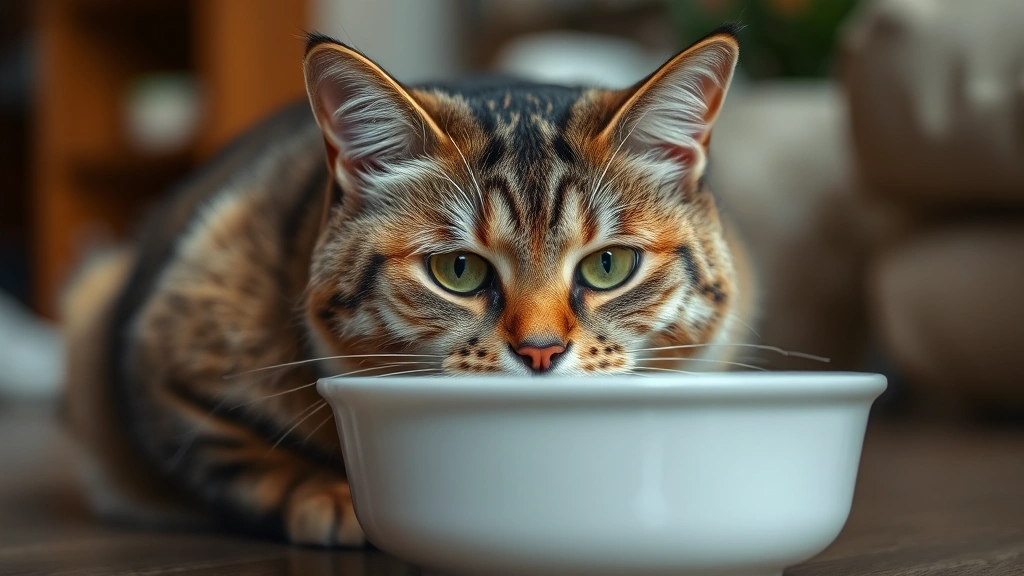
Food Preferences: “Is your cat refusing all food or just certain types? Will they eat treats?”
Hydration: “Is your cat drinking water normally? Any changes in litter box habits?”
Behavior and Energy: “Does your cat seem lethargic or in pain? Are they hiding or acting differently?”
Medical History: “Any previous health issues, allergies, or medications? When was the last vet visit?”
Household Changes: “Anything new or different at home recently? New pets, people, or schedule changes?”

Red Flags That Require Urgent In-Person Care
While online consultations are incredibly helpful, some situations need immediate hands-on evaluation. Your online vet will recognize these and direct you to emergency care if necessary.
- Severe lethargy or unresponsiveness
- Repeated vomiting or inability to keep water down
- Signs of severe abdominal pain or distress
- Difficulty breathing or pale gums
- Loss of appetite lasting more than 48 hours with other symptoms
- Suspected poisoning or ingestion of a foreign object
Trust your instincts too. If something feels seriously wrong, don’t wait—seek emergency veterinary care immediately.
Next Steps After Your Online Vet Consultation
After connecting with an online vet, you’ll have a clear action plan. This might include monitoring at home, dietary adjustments, or scheduling an in-person exam.
Follow the vet’s recommendations closely. If they suggest waiting and monitoring, keep detailed notes on your cat’s eating, behavior, and litter box habits. If they recommend an in-person visit, schedule it promptly—especially if bloodwork or physical examination is needed.
Don’t hesitate to follow up with your online vet if things change or worsen. Most platforms allow you to message your vet or schedule a follow-up call without starting from scratch.

Preventive Tips to Support Your Cat’s Appetite
While you’re addressing the immediate concern, these practices help maintain healthy eating habits going forward.
- Consistent Feeding Schedule: Feed at the same times each day to establish routine.
- Quiet Eating Space: Minimize stress by providing a calm, quiet area away from household activity.
- Fresh Water: Keep water bowls clean and filled. Some cats prefer running water from fountains.
- Food Quality: Feed high-quality, age-appropriate nutrition. Discuss dietary needs with your vet.
- Regular Vet Checkups: Preventive care catches issues early, before appetite loss occurs.
- Environmental Enrichment: Reduce stress through play, climbing structures, and mental stimulation.
The Pet Vet: Your Partner in Online Cat Care
The Pet Vet makes it simple to connect with licensed veterinarians whenever concerns about your cat’s health arise. Whether your cat isn’t eating, showing behavioral changes, or you need guidance on health decisions, our platform puts professional veterinary expertise at your fingertips.
Our vets understand how stressful it is when your cat stops eating. They take your concerns seriously, ask thorough questions, and provide honest guidance about next steps. If your cat needs in-person care, we’ll help you understand why and support your decision-making process.
Frequently Asked Questions
Can an online vet diagnose why my cat isn’t eating?
An online vet can perform an initial assessment and suggest likely causes based on your description, but definitive diagnosis often requires bloodwork or physical examination. They’ll guide you on whether in-person testing is necessary.
How quickly can I get an online vet consultation?
Most platforms, including The Pet Vet, connect you with a vet within minutes to a few hours. Some offer same-day appointments or urgent slots for concerning symptoms.

Will my online vet prescribe medication if needed?
Yes, many licensed online vets can prescribe medications based on their assessment. Prescriptions are typically sent to your preferred pharmacy or available through the platform directly.
Is online veterinary care covered by pet insurance?
Coverage varies by insurance plan. Check your policy or contact your provider to confirm whether telehealth consultations are included in your coverage.
What if my cat’s condition worsens after an online consultation?
Contact your online vet immediately or seek emergency veterinary care. Online vets provide guidance on when escalation is necessary and support you in making the right decision for your cat.
What To Do Now
- Document Your Cat’s Symptoms: Write down when your cat last ate, what they’ve refused, and any other changes you’ve noticed. Include photos if possible.
- Schedule an Online Vet Consultation: Visit The Pet Vet or another trusted telehealth platform and book a consultation with a licensed veterinarian today. No appointment needed—just a few clicks.
- Prepare Your Information: Gather your cat’s medical history, current medications, recent diet changes, and any environmental shifts to share during the consultation.
- Follow Your Vet’s Guidance: Whether they recommend monitoring, dietary changes, or in-person follow-up, implement their recommendations promptly and track results.
- Stay in Touch: If your cat’s condition changes or doesn’t improve, reach out to your online vet for a follow-up conversation or next steps.
Summary
Yes, you can talk to a vet about your cat not eating online—and it’s often the fastest, most convenient way to get professional guidance when worry is setting in. Online veterinary consultations offer quick assessments, cost-effective care, and honest advice about whether your cat needs in-person evaluation.
By gathering information about your cat’s symptoms, preparing for common questions, and connecting with a licensed vet through a platform like The Pet Vet, you’re taking a proactive step to understand what’s happening and support your cat’s health. Most appetite issues resolve quickly when caught early and managed with professional guidance.
Don’t let uncertainty keep you up at night. Reach out to an online vet today and get the peace of mind you deserve. Your cat is counting on you, and help is just a click away.
For additional resources, check out our articles on kitten appetite concerns, kitten behavior issues, and cat vomiting and related concerns. You can also learn more about other health issues cats face and when to seek online veterinary support.
This article is for general education and is not a substitute for care from your own veterinarian. Learn about The Pet Vet and our editorial policy.