
Yes, you can absolutely talk to a vet about cat itching online, and it’s often the fastest way to get answers when your furry friend won’t stop scratching. If your cat has been licking, biting, or scratching more than usual, an online veterinary consultation can help you understand what’s happening and what to do next—without the stress of scheduling an in-office appointment or waiting days for availability.
Table of Contents
- Why Your Cat Is Itching: Common Causes
- Signs Your Cat’s Itching Needs Veterinary Attention
- How Online Vet Consultations Work for Cat Itching
- When to Choose Online vs. In-Person Vet Care
- What Information to Have Ready Before Your Online Consultation
- Common Cat Skin Conditions Diagnosed Online
- Treatment Options Your Online Vet May Recommend
- The Role of Diagnostics in Cat Itching Cases
- At-Home Care Tips While Awaiting Your Consultation
- Why Telehealth Works Well for Cat Itching Concerns
- Related Conditions Worth Discussing with Your Online Vet
- Summary: Getting Fast Relief for Your Itchy Cat
- Frequently Asked Questions
- What To Do Now
This article is for informational purposes only and is not a substitute for professional veterinary advice. Always consult a licensed veterinarian for diagnosis and treatment.
Why Your Cat Is Itching: Common Causes
Cat itching can stem from many different sources, and pinpointing the cause is the first step toward relief. The most common culprits include allergies, parasites, skin infections, and stress-related behaviors. Understanding what might be triggering your cat’s discomfort helps you communicate more effectively with a vet during an online consultation.
Fleas are one of the most frequent reasons cats itch, even if you haven’t seen evidence of them. A single flea bite can trigger intense scratching in sensitive cats. Environmental allergies—like pollen, dust, or mold—can also cause itching that worsens during certain seasons.
Fungal infections such as ringworm and bacterial skin infections may also be responsible. These conditions can spread to other pets or even humans, so addressing them promptly is important. Catching this early puts you in a great position to help your cat feel better faster.
Signs Your Cat’s Itching Needs Veterinary Attention
Not all itching is urgent, but certain signs suggest your cat should see a vet sooner rather than later. Watch for excessive scratching that disrupts sleep or normal activities, hair loss in patches, red or inflamed skin, or scabs and wounds from scratching.
If your cat is also showing signs of illness—like lethargy, loss of appetite, or behavioral changes—an online vet consultation can help determine if the itching is part of a larger health issue. Some cats also develop secondary infections from scratching, which may require treatment.
- Constant or obsessive scratching throughout the day
- Visible hair loss or bald patches
- Red, swollen, or inflamed skin
- Scabs, crusts, or open wounds from scratching
- Itching that started suddenly or is getting worse
- Discharge or odor from affected areas
How Online Vet Consultations Work for Cat Itching
An online vet appointment is simple and straightforward. You’ll typically start a video call with a licensed veterinarian who will ask detailed questions about your cat’s itching—when it started, where on the body it’s worst, and any other symptoms you’ve noticed.
The vet will ask you to show your cat’s affected areas on camera so they can assess the skin visually. They may also inquire about your cat’s diet, environment, recent changes at home, and whether other pets are itching too. This information helps narrow down potential causes.
Based on what they observe and learn, the vet can offer initial guidance, recommend at-home care steps, or suggest that your cat needs an in-person exam or diagnostic testing. If you are unsure whether your pet needs urgent care, a quick telehealth check-in can give you peace of mind — no appointment needed.
When to Choose Online vs. In-Person Vet Care
Online consultations are ideal for initial assessments, follow-up questions, and mild to moderate itching. They’re also perfect when you want quick answers without leaving home or waiting weeks for an appointment. Many pet owners use telehealth as a first step to decide whether in-person care is necessary.
However, your vet may recommend an in-person visit if they need to perform skin scrapings, fungal cultures, or other diagnostic tests. Physical exams allow vets to palpate the skin, check for fleas more thoroughly, and perform procedures that aren’t possible remotely.
The good news is that online vets can often guide you through what to expect at an in-person appointment or help you prioritize which tests matter most. This collaborative approach saves time and money while ensuring your cat gets the right care.
What Information to Have Ready Before Your Online Consultation
Preparing ahead makes your online vet appointment more productive. Gather information about when the itching started, any recent changes in diet, new household products, or environmental factors. Have your cat’s vaccination records and any previous medical history handy.
Take a few photos or videos of your cat scratching or of the affected skin areas. This visual documentation helps the vet assess severity and patterns. Also note whether the itching is constant or intermittent, and if it’s worse at certain times of day or during specific seasons.
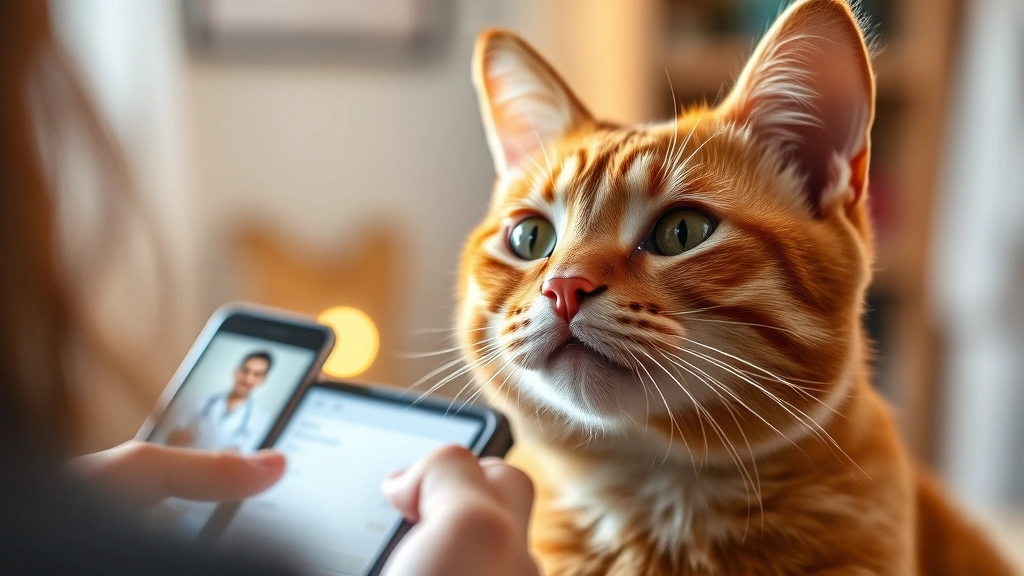
If your cat is currently on any supplements or over-the-counter treatments, write those down too. The vet will want to know what you’ve already tried and how your cat responded.
Common Cat Skin Conditions Diagnosed Online
Many skin issues can be initially assessed and discussed during a telehealth appointment. Flea allergy dermatitis, food allergies, and environmental allergies are often identifiable from a description and visual inspection. Ear infections in cats frequently cause itching and can sometimes be evaluated online, though cultures may be needed for confirmation.
Ringworm and other fungal infections may also be suspected based on appearance and history, though a fungal culture confirms the diagnosis. Bacterial skin infections secondary to scratching can also be discussed and managed with guidance from an online vet.
The key is that an online vet can often rule out certain conditions, recommend initial treatment, and advise whether further testing is needed. This streamlined approach gets your cat relief faster.
Treatment Options Your Online Vet May Recommend
Depending on the suspected cause, your online vet might recommend several approaches. Environmental management—like reducing allergens, washing bedding frequently, or using air purifiers—can help if allergies are suspected.
Parasite prevention is another common recommendation. Even if you don’t see fleas, your vet may suggest starting or switching to a prescription flea prevention product. Regular grooming and bathing with specialized shampoos can also provide relief and help identify skin issues.
For food-related itching, your vet may suggest a trial diet change. Supplements like omega-3 fatty acids can support skin health. In some cases, anti-itch medications or topical treatments help manage discomfort while the underlying cause is addressed.
The Role of Diagnostics in Cat Itching Cases
While online consultations are helpful, some cases benefit from in-office diagnostics. Skin scrapings can reveal mites, fungal cultures identify ringworm, and bacterial cultures determine if infection is present. Your online vet can explain which tests might be most useful for your cat’s situation.
Allergy testing is sometimes recommended for chronic itching, though it’s typically done in-person or through specialized labs. Blood work may be needed if your vet suspects underlying systemic issues contributing to the itching.
The advantage of starting with an online consultation is that your vet can prioritize which diagnostics matter most, saving you money and time. You’ll have a clearer picture of what tests are truly necessary before scheduling an in-person visit.
At-Home Care Tips While Awaiting Your Consultation
While you’re scheduling your online appointment, there are safe steps you can take to help your cat feel more comfortable. Keep your cat’s nails trimmed short to minimize damage from scratching. Provide a cool, calm environment—sometimes stress-related itching improves in quieter spaces.
Ensure your cat has access to fresh water and a balanced diet. Some cats benefit from brief, cool baths with plain water or vet-approved oatmeal-based shampoos, though most cats dislike bathing. Gentle brushing can also remove loose fur and help you monitor skin changes.
Avoid using any human skincare products or over-the-counter treatments without vet approval. Some products can irritate feline skin or interfere with diagnosis. Your online vet can recommend safe, effective options tailored to your cat’s needs.
- Keep nails trimmed short to reduce scratching damage
- Provide a stress-free, cool environment
- Brush gently to monitor skin and remove loose fur
- Ensure fresh water and balanced nutrition
- Avoid unapproved topical treatments or medications
- Clean and wash your cat’s bedding regularly
Why Telehealth Works Well for Cat Itching Concerns
Telehealth is particularly effective for itching issues because so much information comes from observation, history, and description. Your vet doesn’t always need to physically examine your cat to offer valuable guidance and next steps. The convenience also means you’re more likely to seek help sooner rather than waiting until the problem worsens.
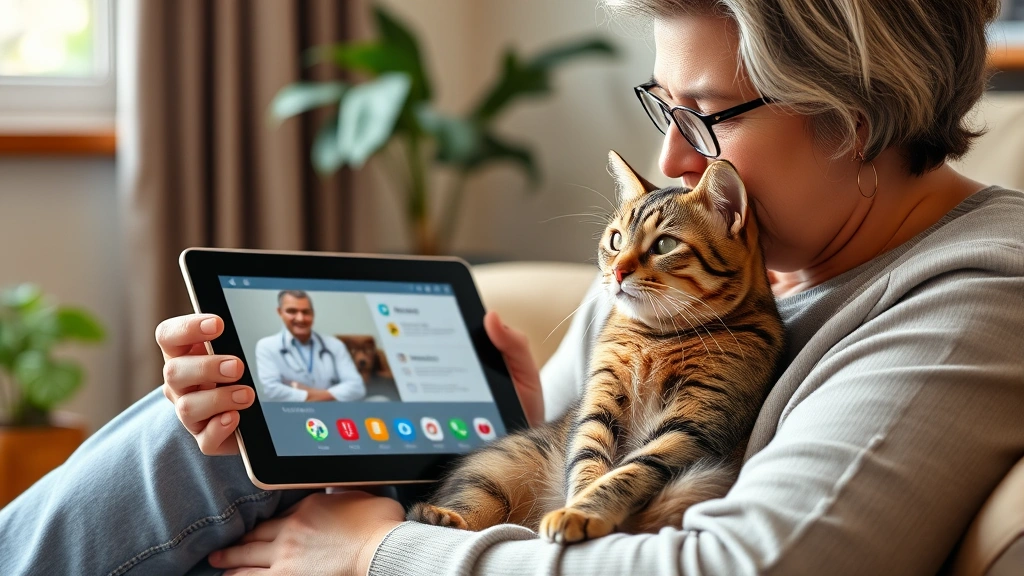
Many cats are also less stressed during a video call than during a car ride and in-office visit. A calmer cat is easier for you to examine on camera and share details about. This can lead to a more productive consultation overall.
Additionally, online vets can often provide prescriptions or recommendations that your local pharmacy or pet supply store can fulfill immediately. You don’t have to wait for mail delivery or additional appointments to start treatment.
Related Conditions Worth Discussing with Your Online Vet
If your cat is itching, it’s worth mentioning other symptoms or behaviors you’ve noticed. Cat vomiting or decreased appetite might indicate food allergies or systemic issues. Ear itching could suggest ear infections, which are treatable but need proper diagnosis.
Behavioral changes, excessive grooming, or stress-related behaviors can also contribute to or worsen itching. Your online vet can help connect these dots and create a comprehensive treatment plan. Understanding the full picture leads to faster, more effective relief.
Summary: Getting Fast Relief for Your Itchy Cat
Yes, you can absolutely talk to a vet about cat itching online, and it’s often the fastest path to answers and relief. Online consultations allow you to describe your cat’s symptoms, show visual evidence, and receive professional guidance without the stress and wait times of traditional appointments.
Start by gathering information about when the itching began, what your cat’s affected areas look like, and any other health changes you’ve noticed. Have photos or videos ready, and be prepared to discuss your cat’s diet, environment, and daily routine.
Your online vet can help narrow down potential causes, recommend safe at-home care, and advise whether in-person diagnostics or treatment are needed. This collaborative approach ensures your cat gets the right help at the right time, putting them on the path to comfort and better health.
Frequently Asked Questions
Can a vet diagnose the cause of cat itching through video alone?
Often yes, especially for common issues like fleas or obvious skin conditions. However, some causes require in-person exams or diagnostic tests like skin scrapings or fungal cultures for confirmation.
How quickly can I get an online vet appointment for my itchy cat?
Many telehealth services offer same-day or next-day appointments, making them much faster than traditional veterinary clinics. Availability varies by provider and time of day.
Will my online vet be able to prescribe treatment for cat itching?
Yes, licensed veterinarians offering telehealth can typically prescribe medications and recommend treatments. Your vet can send prescriptions directly to your pharmacy or pet supply store.
Is cat itching ever an emergency that requires in-person care?
Most itching is not an emergency, but severe itching causing open wounds, signs of infection, or accompanied by other serious symptoms may need urgent in-person evaluation.
What if my online vet recommends an in-person visit after our consultation?
This is common and helpful—your online vet can prioritize which diagnostics or treatments matter most, making your in-person visit more efficient and targeted.
What To Do Now
- Document your cat’s itching: Note when it started, which areas are affected, and whether it’s constant or intermittent. Take a few photos or videos to share with your vet.
- Schedule an online vet consultation: Book an appointment with a licensed veterinarian through a telehealth service like The Pet Vet to get professional guidance within hours, not weeks.
- Gather your cat’s health information: Have vaccination records, dietary details, and any previous medical history ready to share during your consultation.
- Implement safe at-home care: Trim your cat’s nails, maintain a stress-free environment, and avoid unapproved treatments until your vet provides specific recommendations.
- Follow your vet’s guidance: Whether they recommend monitoring, at-home care, or further diagnostics, follow their advice closely and schedule a follow-up if symptoms persist or worsen.