
When your puppy starts coughing, it’s easy to worry—and reaching out to an online vet for puppy coughing can give you answers fast, without the stress of a waiting room. A persistent cough in puppies can stem from many causes, ranging from mild kennel cough to more serious respiratory infections, and getting professional guidance quickly makes all the difference.
Table of Contents
- Why Puppies Cough: Common Causes
- When to Seek Help From an Online Vet for Puppy Coughing
- Understanding Puppy Respiratory Health
- How Online Vets Diagnose Puppy Cough
- Medications That May Help Puppy Cough
- Supporting Your Puppy’s Recovery at Home
- Prevention: Reducing Cough Risk in Puppies
- Related Puppy Health Concerns
- The Convenience of Telehealth for Puppy Cough
- When In-Person Examination Becomes Necessary
- Frequently Asked Questions
- What To Do Now
- Summary
This article is for informational purposes only and is not a substitute for professional veterinary advice. Always consult a licensed veterinarian for diagnosis and treatment.
Why Puppies Cough: Common Causes
Puppies cough for different reasons, and understanding the root cause is the first step toward helping your pup feel better. Some coughs are temporary and mild, while others signal an underlying health concern that needs attention.
Kennel cough, also called infectious tracheobronchitis, is one of the most common culprits. It spreads easily between puppies in social settings and typically produces a dry, hacking cough that sounds almost like a honking noise. Catching this early puts you in a great position to help your puppy recover quickly.
Respiratory infections caused by viruses or bacteria can also trigger coughing. Puppies with developing immune systems are especially vulnerable. Additionally, puppies may cough due to allergies, foreign objects lodged in the throat, heart conditions, or even parasites like roundworms.
When to Seek Help From an Online Vet for Puppy Coughing
Not every cough requires an emergency vet visit, but knowing when to reach out is crucial. If your puppy’s cough lasts more than a few days, worsens, or is accompanied by lethargy, loss of appetite, or difficulty breathing, professional guidance is important.
An online vet can assess your puppy’s symptoms through video consultation, ask detailed questions about the cough’s onset and character, and help you decide whether an in-person exam is needed. If you are unsure whether your pet needs urgent care, a quick telehealth check-in can give you peace of mind — no appointment needed.
Red flags include coughing up blood, severe difficulty breathing, collapse, or high fever. These warrant immediate veterinary attention, whether online or in-person.
Understanding Puppy Respiratory Health
A puppy’s respiratory system is still developing, making them more susceptible to infections and irritation. Their immune systems are building strength, particularly after maternal antibodies fade around 8–12 weeks of age.
Environmental factors like smoke, dust, or sudden temperature changes can irritate a puppy’s airways. Stress from new environments, travel, or changes in routine can also temporarily lower immune function and increase cough risk.
Proper ventilation, avoiding secondhand smoke, and maintaining good hygiene practices around your puppy help reduce respiratory irritation and infection risk.
How Online Vets Diagnose Puppy Cough
During a telehealth consultation, your online vet will ask about the cough’s characteristics: Is it dry or wet? When did it start? Does your puppy cough more at night or during play? These details help narrow down the cause.
Your vet may also inquire about recent exposure to other animals, vaccination status, diet changes, and any other symptoms your puppy is showing. Video consultation allows the vet to observe your puppy’s behavior and breathing patterns in real time.
While some conditions require in-person examination or diagnostic testing like X-rays, many cases can be effectively assessed and managed through telehealth, saving you time and stress.

Medications That May Help Puppy Cough
Your veterinarian may recommend various treatment approaches depending on the underlying cause. Here are seven categories of medications commonly used to address puppy coughing—though your vet will determine the best option for your specific pup.
- Cough Suppressants: These may be recommended for dry, non-productive coughs to help your puppy rest and recover. They work by calming the cough reflex in the brain.
- Expectorants: If your puppy has a wet cough with mucus, an expectorant may help thin secretions and make coughing more productive, allowing your pup to clear airways naturally.
- Antibiotics: When bacterial infection is suspected, your vet may prescribe antibiotics to target the specific bacteria causing respiratory illness.
- Antivirals: For viral respiratory infections, supportive care and antivirals may be recommended to help your puppy’s immune system fight the infection.
- Anti-inflammatories: These may reduce airway inflammation and swelling, easing breathing and reducing cough frequency.
- Bronchodilators: In cases where airways are constricted, bronchodilators may help open airways and improve breathing.
- Decongestants: These may help clear nasal congestion that contributes to coughing, especially in upper respiratory infections.
Your online vet will explain which medication category may be appropriate and how it works to address your puppy’s specific situation. Never give your puppy any medication without veterinary guidance.
Supporting Your Puppy’s Recovery at Home
Beyond medication, several home care practices support your puppy’s healing. Keep your pup in a calm, stress-free environment with plenty of rest—healing requires energy.
Here are evidence-based supportive measures:
- Maintain proper humidity in your home using a humidifier to ease airway irritation
- Avoid smoke, strong perfumes, and other airborne irritants
- Ensure fresh, clean water is always available to keep airways moist
- Feed high-quality puppy food to support immune function
- Keep your puppy away from other animals until cleared by your vet to prevent spreading infection
- Monitor temperature and watch for fever signs
These simple steps complement whatever treatment your vet recommends and help your puppy bounce back faster.
Prevention: Reducing Cough Risk in Puppies
The best medicine is prevention. Keeping your puppy up-to-date on vaccinations—especially those protecting against kennel cough and respiratory viruses—is fundamental.
Limit exposure to unfamiliar dogs until your puppy completes their vaccination series. When socializing, choose clean, well-maintained environments. Practice good hygiene by washing your hands before handling your puppy, especially if you’ve been around other animals.
Regular check-ups with your vet help catch early signs of respiratory issues. If your puppy has been exposed to sick animals or shows early cough symptoms, consulting an online vet promptly can prevent complications.
Related Puppy Health Concerns
Coughing sometimes occurs alongside other health issues. If your puppy is also experiencing puppy diarrhea, this might suggest a systemic infection affecting multiple body systems.
Similarly, if your puppy shows signs of ear infection or itching, allergies could be contributing to respiratory symptoms as well.
Puppies with respiratory infections may also develop secondary complications, making comprehensive evaluation important. Your online vet can connect these symptoms to provide a complete health picture.
The Convenience of Telehealth for Puppy Cough
One of the biggest advantages of consulting an online vet for puppy coughing is accessibility. No waiting rooms, no travel time, and no exposure to other sick animals in a veterinary clinic—just professional guidance when you need it.
Telehealth is especially valuable for new pet parents who want reassurance or for puppies showing mild symptoms that don’t warrant an emergency visit. Many online vets offer flexible scheduling, including evenings and weekends, fitting into your busy life.
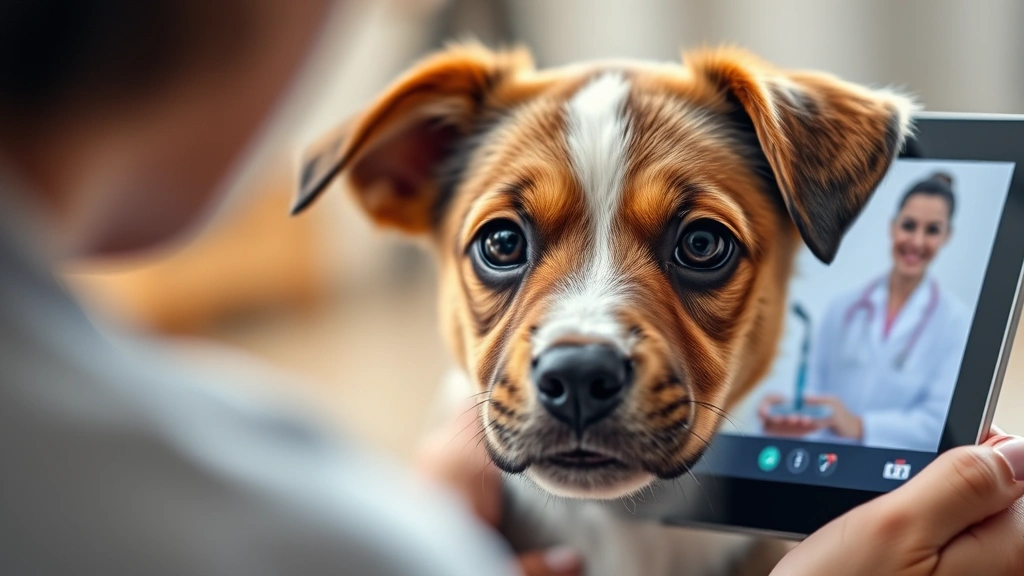
If your online vet determines your puppy needs in-person care, they can guide you to the next step with confidence and context about what’s already been discussed.
When In-Person Examination Becomes Necessary
While telehealth is convenient, some situations require hands-on examination. If your puppy’s cough isn’t improving after initial treatment, worsens suddenly, or is accompanied by severe symptoms, an in-person vet visit is essential.
Physical examination allows your vet to listen to lung sounds with a stethoscope, check for heart abnormalities, and perform diagnostic tests like X-rays or bloodwork if needed. Your online vet will recommend this transition if they believe it’s in your puppy’s best interest.
Frequently Asked Questions
Can an online vet diagnose why my puppy is coughing?
Yes, an online vet can assess your puppy’s symptoms, ask detailed questions, and often identify the likely cause through video consultation. However, some conditions may require in-person examination or diagnostic testing for definitive diagnosis.
Is it safe to treat puppy cough at home without seeing a vet?
While mild coughs sometimes resolve on their own, professional evaluation is recommended to rule out serious conditions. Home care alone without veterinary guidance could delay treatment for conditions needing medication.
How long does it typically take for a puppy’s cough to go away?
Recovery time varies by cause. Kennel cough may improve within 1–3 weeks with treatment, while other infections could take longer. Your vet can give you a more specific timeline based on your puppy’s condition.
Are puppies more prone to coughing than adult dogs?
Yes, puppies have developing immune systems and are more vulnerable to infections and respiratory irritation. Proper vaccination and early intervention help protect them as they grow.
What should I do if my puppy’s cough gets worse after starting treatment?
Contact your online vet immediately to report worsening symptoms. Your puppy may need a medication adjustment, additional testing, or in-person evaluation to ensure the treatment plan is working effectively.
What To Do Now
- Schedule a telehealth consultation with an online vet if your puppy’s cough has lasted more than a few days or is worsening—you can often get an appointment within hours.
- Document your puppy’s cough details: when it started, how often it occurs, whether it’s dry or wet, and any other symptoms you’ve noticed to share with your vet.
- Create a calm, comfortable recovery space for your puppy with good air quality, away from smoke and strong odors.
- Ensure your puppy is up-to-date on vaccinations and ask your vet about preventive measures for respiratory infections.
- Keep your vet’s contact information handy and don’t hesitate to reach out if symptoms change or your puppy shows signs of difficulty breathing.
Summary
A puppy’s cough can be worrying, but with prompt professional guidance from an online vet for puppy coughing, you can identify the cause and start your pup on the path to recovery. Whether it’s kennel cough, a respiratory infection, or another condition, telehealth offers fast, convenient access to expert advice without the stress of a clinic visit.
Most puppy coughs respond well to appropriate treatment when caught early. By staying alert to your puppy’s symptoms, reaching out to a vet when needed, and providing supportive home care, you’re giving your furry friend the best chance to feel better soon.
Your puppy is counting on you, and help is just a click away.