
Discovering warts in dogs can be unsettling for any pet owner, especially when you notice those bumpy, crusty growths appearing on your furry friend’s skin. If you’ve spotted what looks like a wart on your dog, you’re probably wondering whether it’s serious, if it will spread, and most importantly, what you can do to help your pup feel better. The good news is that most dog warts are benign and manageable with the right approach—but understanding what you’re dealing with is the first step toward peace of mind.
Table of Contents
- What Are Warts in Dogs?
- Common Signs Your Dog May Have Warts
- Understanding the Difference: Warts vs. Other Skin Conditions
- How Veterinarians Diagnose Warts in Dogs
- Treatment Options for Canine Warts
- Preventing Wart Spread and Reinfection
- The Role of Nutrition in Supporting Recovery
- When to Seek Veterinary Care
- Long-Term Management and Prognosis
- Frequently Asked Questions
- What To Do Now
- Summary: Managing Warts in Dogs with Confidence
This article is for informational purposes only and is not a substitute for professional veterinary advice. Always consult a licensed veterinarian for diagnosis and treatment.
What Are Warts in Dogs?
Canine warts, medically known as papillomas, are benign skin growths caused by a virus. They typically appear as small, bumpy, or cauliflower-like protrusions on your dog’s skin, often found around the mouth, paws, or other areas. These growths are usually harmless and don’t cause pain, though they can occasionally become irritated if your dog licks or scratches at them.
The virus responsible for warts spreads through direct contact with an infected dog or contaminated surfaces. Young dogs and those with weaker immune systems are more susceptible to developing papillomas. It’s important to note that dog warts are species-specific—your dog cannot give warts to you, and you cannot transmit human warts to your dog.
Common Signs Your Dog May Have Warts
Spotting warts early makes management much easier. Here are the telltale signs to watch for:
- Visible bumpy growths on the skin, often with a rough, textured surface
- Clustered formations that may appear in groups rather than as single bumps
- Growths around the mouth, lips, or muzzle (most common location)
- Warts on the paws, legs, or belly
- Your dog excessively licking or scratching at the affected area
- Mild discharge or crusting if the wart has been irritated
Catching these early signs puts you in a great position to help your dog before any secondary complications develop. If you’re unsure whether what you’re seeing is a wart or something more concerning, a quick telehealth check-in can give you peace of mind—no appointment needed.
Understanding the Difference: Warts vs. Other Skin Conditions
Not every bump on your dog’s skin is a wart. Distinguishing between warts and other conditions like moles, cysts, or skin tags is crucial for proper care. Warts typically have a bumpy, irregular surface, while moles are usually smoother and darker. Sebaceous cysts feel soft and may discharge material, whereas warts are firmer.
Other skin growths your vet might consider include lipomas (fatty tumors), histiocytomas (common in younger dogs), or even early signs of more serious conditions. This is why professional evaluation matters—your veterinarian can examine the growth, take samples if needed, and rule out anything requiring immediate attention.
How Veterinarians Diagnose Warts in Dogs
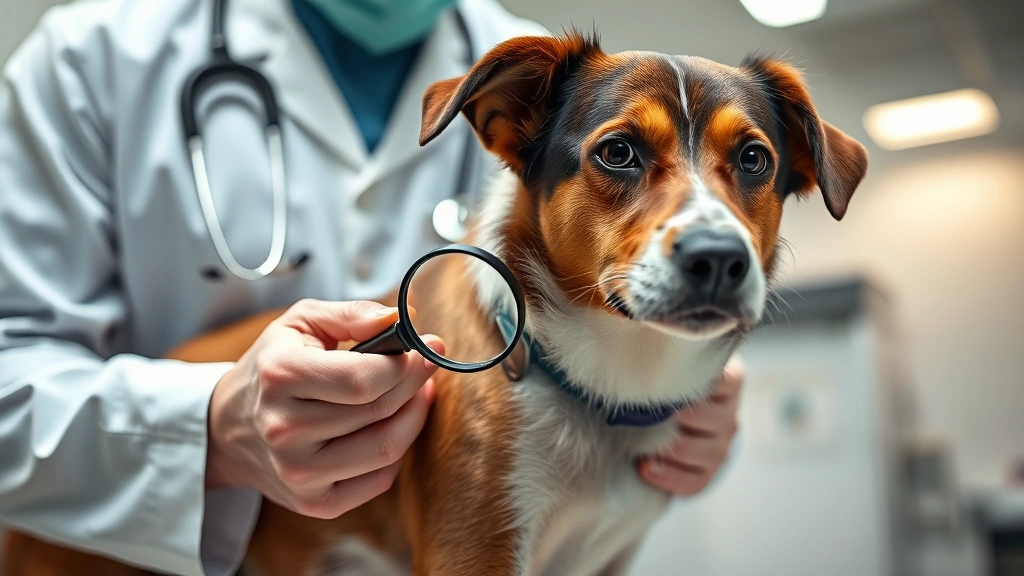
Your vet will typically start with a physical examination, looking at the size, shape, location, and number of growths. They’ll ask about when you first noticed them, whether they’re changing, and if your dog shows any discomfort. In most cases, the appearance alone is enough to identify papillomas.
If there’s any doubt, your veterinarian may recommend a cytology sample (cells scraped from the growth) or a biopsy to confirm the diagnosis and rule out other conditions. This extra step provides certainty and helps guide the best treatment approach for your individual dog.
Treatment Options for Canine Warts
The approach to treating warts in dogs depends on several factors: how many warts your dog has, where they’re located, whether they’re bothering your dog, and your dog’s overall health. Many vets take a wait-and-see approach initially, since many warts resolve on their own as a dog’s immune system strengthens.
Immune Support and Natural Resolution
In many young, healthy dogs, warts disappear within weeks to months without intervention. Supporting your dog’s immune system is often the first line of action. This includes ensuring proper nutrition, regular exercise, and stress reduction. Consider discussing feeding for immune support with your vet to optimize your dog’s diet during this time.
A strong immune system is your dog’s best defense against viral growths. Adequate sleep, mental stimulation, and a balanced diet rich in essential nutrients all contribute to immune health.
Topical Treatments
Your veterinarian may suggest topical treatments to apply directly to the wart. These may help reduce irritation, prevent secondary infection, and sometimes encourage the wart to dry up and fall off naturally. Always follow your vet’s application instructions carefully and watch for any signs of skin irritation.
Surgical Removal
If warts are causing discomfort, becoming infected, or located in areas where they interfere with eating or movement, surgical removal might be recommended. This typically involves local anesthesia or sedation, depending on the number and size of growths. Surgical options include cryotherapy (freezing), laser removal, or traditional surgical excision.
Oral Medications and Immunotherapy
In some cases, particularly when warts are widespread or persistent, your vet may discuss oral medications designed to support immune function. These work by helping your dog’s body recognize and fight the viral infection more effectively. Your veterinarian will determine whether this approach is suitable for your dog based on their age, health status, and the severity of the condition.
Preventing Wart Spread and Reinfection
While you’re managing your dog’s warts, taking steps to prevent spread is important. Here’s what you can do:
- Limit contact with other dogs until the warts have resolved, as the virus spreads through direct contact
- Keep the affected area clean and dry to prevent secondary bacterial infections
- Discourage licking and scratching by using an Elizabethan collar if necessary
- Wash your hands after touching the warts, even though cross-species transmission is unlikely
- Clean shared toys and bedding regularly to minimize viral persistence in the environment
These simple precautions significantly reduce the risk of your dog’s warts worsening or spreading to other areas of the body.
The Role of Nutrition in Supporting Recovery
What your dog eats directly impacts immune function and skin health. Ensuring your pup avoids foods dogs should avoid is important, as certain ingredients can suppress immune response. Instead, focus on high-quality proteins, omega-3 fatty acids, and antioxidant-rich foods that support healing.
If your dog has other health concerns or allergies, your vet might recommend an elimination diet feeding plan to rule out dietary triggers that could be weakening immune function. Proper nutrition is a cornerstone of natural wart resolution.
When to Seek Veterinary Care
While most warts are benign, certain situations warrant prompt veterinary attention. Seek care if your dog’s warts are growing rapidly, becoming infected (showing signs of redness, swelling, or discharge), causing pain or difficulty eating, or if new warts appear frequently.
Additionally, if your senior dog develops new skin growths, it’s wise to have them evaluated promptly, as older dogs occasionally develop more serious skin conditions that mimic warts. When in doubt, reaching out to your vet—whether in person or via telehealth—is always the safest choice.
Long-Term Management and Prognosis
The outlook for dogs with warts is generally excellent. Most dogs experience complete resolution within a few months, particularly younger dogs with healthy immune systems. Some dogs may experience recurrence, especially if they’re re-exposed to the virus or if their immune system is compromised.
Long-term management focuses on maintaining your dog’s overall health through good nutrition, regular exercise, and routine veterinary care. Keeping your dog’s stress levels low and ensuring they stay up-to-date on vaccinations also supports immune resilience.
Frequently Asked Questions
Can dog warts spread to other dogs?
Yes, the papillomavirus that causes warts spreads through direct contact with infected dogs or contaminated surfaces. Limiting contact during the infection period helps prevent transmission to other dogs.
Are warts painful for dogs?
Most warts are painless, though they can become uncomfortable if your dog licks or scratches them excessively, leading to irritation or infection. Monitoring and gentle management prevent this discomfort.
Do all dog warts need to be removed?
Not necessarily. Many warts resolve on their own as the immune system strengthens. Removal is typically recommended if warts interfere with eating, movement, or cause infection or significant irritation.
How long does it take for warts to go away?
In many cases, warts disappear within 2-5 months without treatment. Some may persist longer, while others resolve more quickly depending on your dog’s immune response and the extent of infection.
Can I treat my dog’s warts at home?
While you can support immune health through nutrition and proper care, professional evaluation is essential to confirm the diagnosis. Your vet can recommend safe at-home supportive measures alongside any necessary medical interventions.
What To Do Now
If you’ve noticed signs of warts in your dog, here are your next steps:
- Document and photograph the growths, noting when you first spotted them and whether they’re changing in size or appearance
- Schedule a veterinary consultation (in-person or telehealth) to confirm the diagnosis and discuss treatment options tailored to your dog’s situation
- Optimize your dog’s nutrition by reviewing their current diet and considering immune-supporting foods; ask your vet about feeding for immune support
- Implement preventive measures such as limiting contact with other dogs and keeping the affected area clean and dry
- Monitor closely for signs of infection, rapid growth, or increased irritation, and report any changes to your veterinarian promptly
Summary: Managing Warts in Dogs with Confidence
Discovering warts in dogs can feel alarming, but the reality is reassuring: most canine papillomas are benign, manageable, and often resolve without intervention. By understanding what you’re dealing with, supporting your dog’s immune system through proper nutrition and care, and working closely with your veterinarian, you’re already on the path to helping your pup feel their best.
Remember, every dog is different, and what works for one may not work for another. Your vet’s personalized guidance, combined with attentive home care and patience, gives your dog the best chance of a complete recovery. If you’re ever uncertain about your dog’s symptoms or treatment options, don’t hesitate to reach out for professional advice—that’s what we’re here for.
This article is for general education and is not a substitute for care from your own veterinarian. Learn about The Pet Vet and our editorial policy.