
Yes, you can absolutely talk to a vet about kitten behavior problems online, and it’s becoming one of the smartest ways pet parents get expert guidance without the stress of a clinic visit. If your kitten is acting out—whether it’s aggressive play, litter box issues, excessive meowing, or destructive scratching—a licensed veterinarian through telehealth can help you understand what’s going on and create a plan to address it.
Table of Contents
- Why Online Vet Consultations Work So Well for Kitten Behavior
- Common Kitten Behavior Issues You Can Address Online
- What to Expect During an Online Kitten Behavior Consultation
- How Telehealth Helps Identify Hidden Medical Causes
- The Advantages of Solving Kitten Behavior Problems at Home
- When You Might Need an In-Person Visit Instead
- Related Resources and Expert Guidance
- Practical Tips for Your First Telehealth Behavior Consultation
- Understanding Kitten Development and Normal Behavior
- What To Do Now
- Frequently Asked Questions
- Summary: Your Next Steps
This article is for informational purposes only and is not a substitute for professional veterinary advice. Always consult a licensed veterinarian for diagnosis and treatment.
Why Online Vet Consultations Work So Well for Kitten Behavior
Kitten behavior problems often don’t require a physical exam. A vet can learn so much by talking with you, asking detailed questions, and watching video clips you share of the behavior. This is especially true for issues like excessive meowing, play aggression, or destructive scratching—problems that are behavioral rather than strictly medical.

The beauty of telehealth is that your kitten stays calm in their own environment. Many kittens get stressed at the vet clinic, which can actually mask their true personality and make it harder for a vet to give accurate advice. At home, they’re relaxed, and you’re relaxed, which means better communication all around.
Common Kitten Behavior Issues You Can Address Online
Most kitten behavior concerns are perfect candidates for a telehealth consultation. Here are the ones vets handle regularly:

- Play aggression: Pouncing, biting hands or feet, wrestling too rough
- Litter box avoidance: Accidents outside the box or refusal to use it
- Excessive meowing or vocalization: Constant crying or attention-seeking sounds
- Destructive scratching: Furniture, carpets, or curtains being shredded
- Nighttime zoomies: Sudden bursts of wild energy at odd hours
- Biting and nipping: During petting or play sessions
- Climbing or jumping on unsafe surfaces: Countertops, shelves, or high places
- Hiding or extreme shyness: Refusing to interact or socialize
Each of these can be addressed through conversation, observation, and expert guidance. Catching behavioral issues early puts you in a great position to help your kitten develop healthy habits.
What to Expect During an Online Kitten Behavior Consultation
A telehealth vet visit for behavior typically takes 15–30 minutes. The vet will ask you about your kitten’s history, when the behavior started, what triggers it, and how often it happens. They might ask you to describe a typical day or show them a short video of the behavior in action.

Come prepared with details: How old is your kitten? How long have you had them? Are there other pets or young children in the home? What have you already tried? The more information you provide, the better advice the vet can give.
After the consultation, you’ll typically receive a written summary of recommendations, which might include environmental changes, enrichment ideas, training techniques, or follow-up steps. Some vets will suggest a second check-in to see how things are progressing.

How Telehealth Helps Identify Hidden Medical Causes
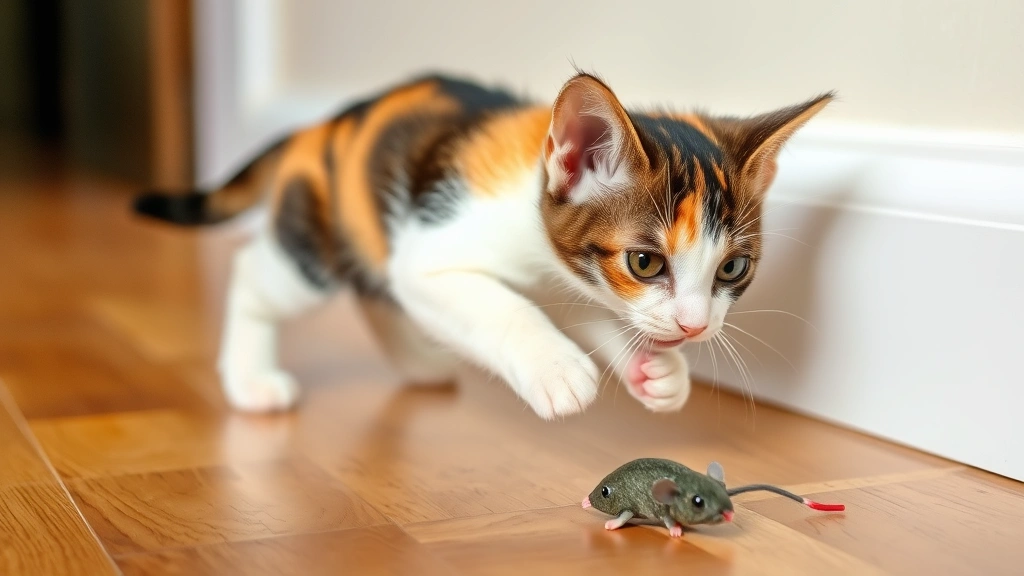
Here’s something many pet parents don’t realize: behavior problems sometimes have medical roots. A kitten with an ear infection might be extra irritable. One with digestive discomfort might avoid the litter box. A vet asking the right questions can often spot these connections.
During a telehealth call, a vet can ask about appetite, energy levels, bathroom habits, and general health to rule out medical issues. If they suspect something physical is going on, they’ll recommend an in-person exam or bloodwork. But in many cases, they’ll confidently say, “This is behavioral, and here’s how we address it.”
This detective work is invaluable and saves you time and money by pointing you in the right direction from the start.
The Advantages of Solving Kitten Behavior Problems at Home
Working with a vet online means you get expert guidance while staying in the comfort of your own space. You can implement recommendations immediately in the environment where the behavior is actually happening. Your kitten doesn’t get stressed by travel or a clinic visit, which means faster progress.

Additionally, telehealth appointments are usually more affordable than in-person visits, and you can schedule them around your schedule—early morning, lunch break, or evening. If you are unsure whether your pet needs urgent care, a quick telehealth check-in can give you peace of mind — no appointment needed.
You also have a record of the consultation to refer back to, and many vets are happy to answer follow-up questions via message or email.

When You Might Need an In-Person Visit Instead
While telehealth is fantastic for most behavior issues, some situations do require a physical exam. If your kitten is showing signs of pain, has injuries, or is displaying behavior changes alongside physical symptoms (like not eating, vomiting, or lethargy), an in-person visit is the right call.
A vet might also recommend an in-person appointment if they need to examine your kitten’s teeth, ears, or body condition more closely. But they can make that recommendation during your telehealth call, so you’ll know exactly what to do next.

Related Resources and Expert Guidance
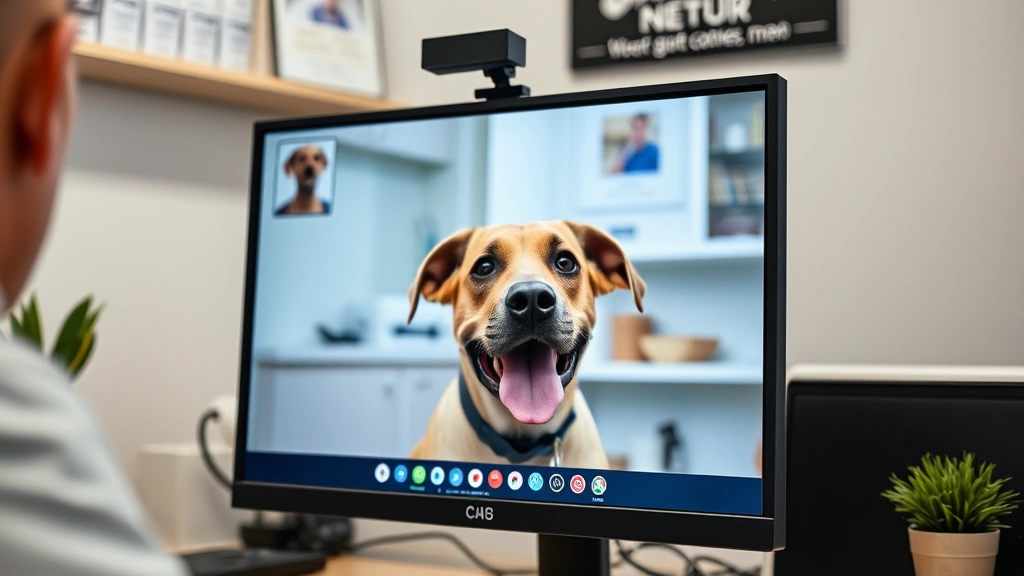
If your kitten’s behavior issues are linked to anxiety, you might also find our guide on cat anxiety consultations online helpful. For comparison, check out how dog behavior problems are handled through telehealth as well.
The American Veterinary Medical Association (AVMA) has excellent resources on pet behavior and wellness, and PetMD offers detailed guides on common kitten behavior concerns.
Practical Tips for Your First Telehealth Behavior Consultation
To get the most out of your online vet visit, prepare ahead:
- Write down specific examples of the behavior, including when it started and how often it occurs
- Have your kitten’s medical history available (vaccines, previous illnesses, medications)
- Film a 30–60 second video of the behavior if possible—seeing it firsthand is incredibly helpful
- Prepare your phone or device so the vet can see your kitten and home environment clearly
- Have a quiet space ready for the call so you can hear the vet clearly
- Ask about follow-up options and whether the vet prefers email updates or a second call
These small steps make a huge difference in the quality of advice you receive.
Understanding Kitten Development and Normal Behavior
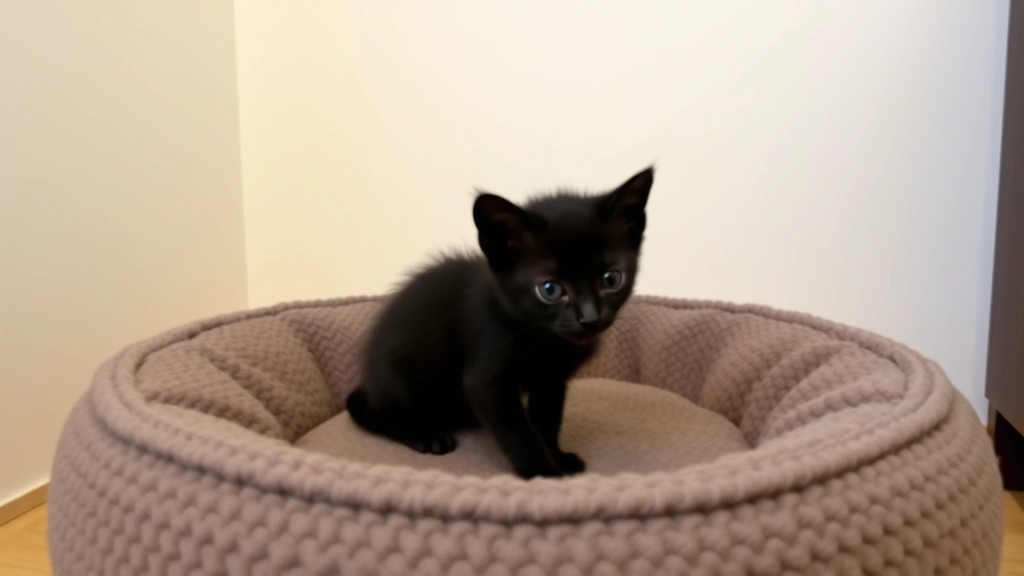
Sometimes what looks like a behavior problem is actually just normal kitten development. Kittens are naturally playful, curious, and energetic. They scratch, pounce, and explore—it’s how they learn and burn energy. A vet can help you tell the difference between healthy kitten antics and actual behavioral concerns that need addressing.
For example, play aggression is completely normal in young kittens, but a vet can teach you how to redirect it appropriately so it doesn’t become a problem as your kitten grows. This kind of guidance is invaluable and prevents small issues from becoming big ones.

What To Do Now
- Observe and document your kitten’s behavior for 2–3 days, noting specific triggers, times of day, and what happens before and after the behavior
- Schedule a telehealth consultation with The Pet Vet or your preferred online veterinary service to discuss the behavior with a licensed vet
- Prepare a short video (30–60 seconds) of the behavior if possible to share during your consultation
- Follow the vet’s recommendations consistently for at least 1–2 weeks before evaluating progress
- Schedule a follow-up call if needed to adjust the plan based on results
Frequently Asked Questions
Can a vet really diagnose kitten behavior problems without seeing my kitten in person?
Yes, vets can accurately assess most behavioral issues through conversation, observation, and video. Behavior is often about patterns and triggers, not physical findings. If a physical cause is suspected, the vet will recommend an in-person exam.
How much does an online behavior consultation cost?
Telehealth consultations typically cost $30–$100 depending on the provider and consultation length. This is usually less expensive than an in-person vet visit. Check with The Pet Vet or your chosen provider for exact pricing.

Will my kitten need medication for behavior problems?
Most kitten behavior issues are resolved through environmental changes, enrichment, and training—not medication. A vet will only recommend medication if there’s an underlying anxiety or medical issue contributing to the behavior.
How long does it take to see improvement after a telehealth consultation?
Many pet parents notice changes within 1–2 weeks of implementing the vet’s recommendations. Some behaviors improve faster than others. Consistency is key, and your vet can help you stay on track with follow-up guidance.
Is telehealth appropriate for all kitten ages?
Yes, telehealth works well for kittens of all ages. Young kittens (8 weeks and up) benefit from early behavior guidance, while older kittens and young adult cats also respond well to online consultations.
Summary: Your Next Steps
Yes, talking to a vet about kitten behavior problems online is not only possible—it’s often the fastest, easiest, and most cost-effective way to get expert help. Whether your kitten is being too rough during play, avoiding the litter box, or acting out in other ways, a licensed veterinarian can guide you toward solutions without the stress of a clinic visit.
Start by documenting the behavior, then schedule a telehealth consultation. You’ll walk away with a clear plan, practical tips, and the confidence that you’re addressing the issue the right way. Your kitten will thank you, and so will your furniture.
Ready to chat with a vet? The Pet Vet makes it simple to connect with a licensed veterinarian who specializes in behavior—whenever you need it.