
If your cat is acting out of character—whether that’s excessive aggression, inappropriate elimination, destructive scratching, or sudden withdrawal—it’s time to talk to vet about cat behavior problems before the issue escalates. Many cat owners assume behavioral changes are just personality quirks, but they often signal underlying medical or emotional distress that deserves professional attention.
Table of Contents
- Why Your Cat’s Behavior Matters More Than You Think
- Common Cat Behavior Problems That Warrant a Vet Visit
- Medical Conditions That Mimic Behavior Problems
- When to Schedule a Vet Appointment for Behavior Concerns
- What Happens During a Behavior Consultation
- Understanding Treatment Options Beyond Medication
- The Role of Medication in Cat Behavior Management
- Questions to Ask Your Veterinarian
- Creating a Supportive Environment at Home
- When Behavior Problems Are Urgent
- Tracking Progress and Adjusting Your Plan
- Frequently Asked Questions
- What To Do Now
- Summary: Taking Action on Cat Behavior Problems
This article is for informational purposes only and is not a substitute for professional veterinary advice. Always consult a licensed veterinarian for diagnosis and treatment.
Why Your Cat’s Behavior Matters More Than You Think
Cats are masters at hiding pain and stress. When your feline friend suddenly starts spraying, biting, or hiding all day, something real is happening—not just moodiness. Behavioral changes can stem from medical conditions, anxiety, environmental stress, or a combination of factors.
The sooner you address these issues, the better the outcome. Early intervention prevents the behavior from becoming deeply ingrained and protects your cat’s emotional and physical health.
Common Cat Behavior Problems That Warrant a Vet Visit
Understanding what’s abnormal helps you recognize when a conversation with your veterinarian is necessary. Here are the most common issues cat owners face:
- Inappropriate elimination (litter box avoidance): Peeing or pooping outside the box can indicate urinary tract infections, kidney disease, or stress-related anxiety.
- Aggression toward people or other pets: Sudden biting, swatting, or attacking may signal pain, hyperthyroidism, or behavioral anxiety.
- Destructive scratching: Excessive scratching on furniture or skin could mean allergies, parasites, or emotional distress.
- Excessive vocalization: Constant meowing, yowling, or crying might indicate thyroid issues, cognitive dysfunction, or loneliness.
- Hiding and withdrawal: If your social cat suddenly isolates, it’s often a red flag for illness or severe anxiety.
- Overgrooming or hair loss: Obsessive licking can stem from allergies, skin conditions, or psychogenic (stress-related) causes.
Catching these changes early puts you in a great position to help your cat feel better.
Medical Conditions That Mimic Behavior Problems
Before assuming your cat has a behavioral issue, your vet will rule out underlying health conditions. This is crucial because treating the behavior alone won’t help if a medical problem is the root cause.
Conditions like hyperthyroidism, chronic pain, urinary tract disease, and neurological issues frequently present as behavior changes. Your veterinarian will perform a thorough physical exam and may recommend bloodwork or urinalysis to identify these culprits.
If you’re unsure whether your pet needs urgent care or a full workup, a quick telehealth check-in can give you peace of mind—no appointment needed.
When to Schedule a Vet Appointment for Behavior Concerns
You don’t need to wait for a perfect moment. If you’ve noticed any of the following, it’s time to reach out to your veterinarian:
- Any sudden change in your cat’s behavior lasting more than a few days
- Aggression that’s new or escalating in intensity
- Litter box issues combined with other symptoms like lethargy or appetite changes
- Excessive vocalization, especially at night or in senior cats
- Signs of pain, such as limping, reluctance to jump, or sensitivity to touch
Your vet will ask detailed questions about when the behavior started, what triggers it, and how it’s affecting your household. Keeping a brief log of the behavior before your visit helps tremendously.
What Happens During a Behavior Consultation
When you talk to vet about cat behavior problems, expect a comprehensive evaluation. Your veterinarian will:
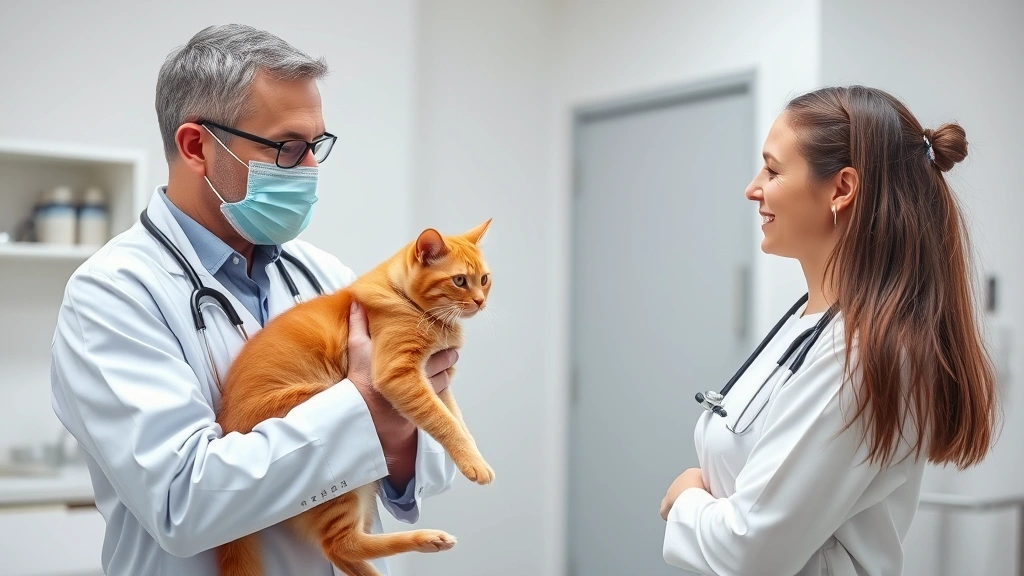
- Take a detailed history of the behavior and your cat’s environment
- Perform a complete physical examination
- Order diagnostic tests if medical causes are suspected
- Discuss your cat’s diet, exercise, and social interactions
- Rule out pain or discomfort as a contributing factor
- Develop a tailored management plan
Some vets may refer you to a veterinary behaviorist for complex cases. These specialists have advanced training in animal behavior and can provide targeted interventions.
Understanding Treatment Options Beyond Medication
While medication can play a role in managing some behavioral issues, most treatment plans include environmental and behavioral modifications. Your vet might recommend:
- Environmental enrichment: More toys, climbing spaces, window perches, and interactive play sessions
- Stress reduction: Pheromone diffusers, calming supplements, or changes to your home setup
- Routine establishment: Consistent feeding times, play schedules, and litter box placement
- Behavioral training: Positive reinforcement techniques to encourage desired behaviors
- Diet adjustments: Addressing nutritional imbalances that may affect mood and behavior
Many behavior problems improve significantly with these non-medication approaches alone. Household management strategies, like optimizing feeding solutions, can reduce conflict and anxiety in multi-cat homes.
The Role of Medication in Cat Behavior Management
In some cases, your veterinarian may recommend medication to help your cat while you work on environmental and behavioral changes. Medications used for behavior problems typically fall into a few categories:
- Anti-anxiety medications: These may help reduce fear-based or stress-related behaviors during the adjustment period.
- Mood-balancing medications: Used for persistent anxiety or aggression that doesn’t respond to other interventions.
- Pain management: If pain is driving the behavior, addressing it directly can resolve the issue.
Your vet will discuss the benefits, potential side effects, and monitoring requirements for any medication. It’s important to understand that medication is typically a temporary support tool while you address the underlying cause.
Questions to Ask Your Veterinarian
When you talk to vet about cat behavior problems, come prepared with thoughtful questions:
- “What medical conditions could be causing this behavior?”
- “What diagnostic tests do you recommend?”
- “What environmental changes should we make at home?”
- “Is medication appropriate for my cat’s situation?”
- “How long should I expect to see improvement?”
- “Should we see a veterinary behaviorist?”
- “Are there any risks or side effects I should monitor?”
A good vet will take time to explain their recommendations and answer your concerns thoroughly.
Creating a Supportive Environment at Home
After your vet visit, your role becomes equally important. Creating a calm, predictable environment helps your cat feel secure and reduces stress-related behaviors.
Ensure your cat has access to multiple litter boxes (the rule is one per cat plus one extra), quiet resting spots, vertical spaces, and interactive toys. Maintain a consistent daily routine for feeding, play, and attention. Also, be mindful of dietary factors that might contribute to stress or health issues.
Minimize loud noises, sudden changes, and conflicts with other household pets. If you have multiple cats, ensure they have separate resources and escape routes.
When Behavior Problems Are Urgent
Some situations require immediate veterinary attention. Seek urgent care if your cat:

- Suddenly becomes aggressive and is biting or scratching hard enough to cause injury
- Stops eating or drinking for more than 24 hours
- Shows signs of severe distress, such as excessive panting or trembling
- Has a sudden change in behavior combined with vomiting or diarrhea
Don’t wait—these could signal serious medical emergencies.
Tracking Progress and Adjusting Your Plan
After starting any treatment plan, keep detailed notes on your cat’s behavior. Track what improves, what stays the same, and any new concerns that arise. Schedule follow-up appointments as recommended by your vet.
Behavior change takes time. Most plans require 4-8 weeks to show meaningful improvement. Be patient with your cat and yourself during this process.
Frequently Asked Questions
Can behavior problems in cats be cured?
Many behavior problems improve significantly with proper diagnosis, environmental management, and sometimes medication. Some issues require ongoing management, but most cats show substantial improvement with a comprehensive approach.
Is it normal for cats to change behavior as they age?
Some changes are normal, but sudden or dramatic shifts usually warrant a vet visit. Senior cats may experience cognitive dysfunction, which resembles dementia and can be managed with veterinary support.
How much does a behavior consultation cost?
Costs vary by location and clinic, but a behavior consultation typically ranges from $100-$300. Some telehealth options, like The Pet Vet, offer more affordable initial consultations for peace of mind.
Can I use over-the-counter calming products instead of seeing a vet?
Over-the-counter products may help mild stress, but they won’t address underlying medical conditions or serious behavioral issues. A vet visit first ensures you’re treating the root cause, not just masking symptoms.
What if my cat’s behavior problem is caused by stress?
Stress-related behaviors often improve with environmental enrichment, routine, and reduced triggers. Your vet may recommend additional support like pheromone products or, in some cases, short-term medication to help your cat adjust.
What To Do Now
Don’t let your cat’s behavior problems go unaddressed. Here’s your action plan:
- Schedule a vet appointment: Contact your regular veterinarian or book a telehealth consultation with The Pet Vet to discuss your cat’s behavior changes in detail.
- Document the behavior: Write down when the behavior started, what triggers it, and how often it occurs. Include any other symptoms you’ve noticed.
- Prepare your questions: Jot down the concerns you want to discuss so you don’t forget anything during the appointment.
- Implement environmental changes: While waiting for your appointment, start adding enrichment like toys, perches, and extra litter boxes to reduce stress.
- Follow your vet’s recommendations: Commit to the treatment plan, whether it involves medication, behavioral modifications, or both. Consistency is key to success.
Summary: Taking Action on Cat Behavior Problems
Your cat’s behavior is their way of communicating that something needs attention. Whether the issue stems from a medical condition, anxiety, environmental stress, or a combination of factors, talking to your veterinarian is the essential first step.
By addressing behavior problems early, you’re not just improving your household—you’re enhancing your cat’s quality of life and strengthening your bond. Your vet can help you understand what’s driving the behavior and develop a realistic, compassionate plan to help your cat thrive.
Remember, you’re not alone in this. Behavior problems are common, and with professional guidance and patience, most cats improve significantly. Reach out to your vet today and take the first step toward a happier, calmer household.