
If your cat is straining to urinate, crying in the litter box, or having accidents around the house, you’re likely worried—and rightfully so. A feline urinary tract infection (UTI) is one of the most common urinary issues affecting cats, and it can cause real discomfort for your beloved pet. The good news? With prompt attention and the right approach, most UTIs respond well to treatment, and you can help prevent future episodes.
Table of Contents
- What Is a Feline Urinary Tract Infection?
- Recognizing the Warning Signs of a UTI
- Why Do Cats Get UTIs?
- Diagnosis: What Your Vet Will Do
- Treatment Approaches for Feline Urinary Tract Infections
- Prevention: Keeping Your Cat’s Urinary Tract Healthy
- When to Seek Urgent Care
- Recurrent UTIs: When to Dig Deeper
- The Role of Nutrition in Urinary Health
- Supporting Your Cat Through Recovery
- Frequently Asked Questions
- What To Do Now
- Summary
This article is for informational purposes only and is not a substitute for professional veterinary advice. Always consult a licensed veterinarian for diagnosis and treatment.
What Is a Feline Urinary Tract Infection?
A feline urinary tract infection occurs when bacteria (or occasionally other pathogens) colonize your cat’s urethra, bladder, or both. Unlike humans, cats don’t get UTIs as frequently, which is why many vets take them seriously when they do occur. The infection causes inflammation and irritation, making urination painful and urgent.
It’s important to note that not all lower urinary tract signs in cats mean a bacterial infection. Some cats experience sterile cystitis (inflammation without infection), which requires different management. This is why a veterinary exam and urinalysis are essential for accurate diagnosis.
Recognizing the Warning Signs of a UTI
Catching the early signs of a feline urinary tract infection can make a huge difference in your cat’s comfort and recovery. Here are the most common symptoms to watch for:
- Frequent urination: Your cat may visit the litter box much more often than usual, sometimes several times per hour.
- Straining or difficulty urinating: You might notice your cat in the litter box for longer periods, appearing to struggle.
- Crying or vocalization: Some cats cry out in pain while urinating—this is a red flag that shouldn’t be ignored.
- Inappropriate elimination: Accidents outside the litter box, especially on soft surfaces like bedding or clothing, can indicate a UTI.
- Blood in urine: You may notice pink or red-tinged urine in the litter box.
- Excessive licking of the genital area: Cats may groom themselves more frequently due to discomfort.
- Lethargy or loss of appetite: General signs of illness may accompany a UTI.
Catching these signs early puts you in a great position to help your cat get relief quickly.
Why Do Cats Get UTIs?
Understanding the root causes can help you prevent future infections. Several factors increase a cat’s risk:
Dehydration is one of the leading culprits. Cats naturally have a low thirst drive, and concentrated urine creates an environment where bacteria thrive. Ensuring adequate hydration is one of the most powerful prevention strategies.
Stress and anxiety can suppress immune function and increase susceptibility to infection. Changes in the home, new pets, or environmental shifts may trigger urinary issues in sensitive cats.
Underlying health conditions like diabetes or kidney disease increase infection risk. Older cats and those with compromised immune systems are more vulnerable.
Poor litter box hygiene and infrequent cleaning create an environment where bacteria can spread. A dirty box also discourages some cats from urinating regularly, leading to urine retention.
Diet can play a role too. Some foods may alter urine pH or mineral content in ways that promote infection. This is why your vet may recommend dietary adjustments during or after treatment.
Diagnosis: What Your Vet Will Do
Your veterinarian won’t simply assume your cat has a UTI based on symptoms alone. A proper diagnosis involves:
Physical examination: Your vet will palpate your cat’s abdomen and assess overall health.
Urinalysis: This test examines urine under a microscope for bacteria, white blood cells, red blood cells, and crystals. It’s the gold standard for confirming infection.
Urine culture: If a bacterial infection is suspected, your vet may culture the urine to identify the specific bacteria and determine which treatments are most effective.
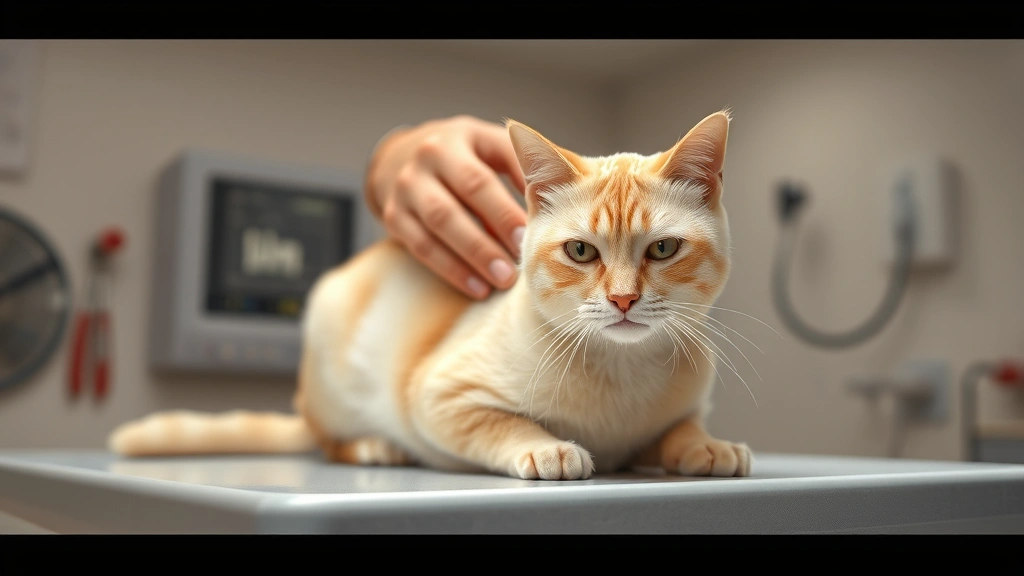
Imaging: In cases of recurrent UTIs or suspected complications, ultrasound or X-rays may be recommended to rule out stones or other abnormalities.
If you’re unsure whether your pet needs urgent care, a quick telehealth check-in with The Pet Vet can give you peace of mind—no appointment needed. Many vets can guide you on next steps based on your cat’s symptoms.
Treatment Approaches for Feline Urinary Tract Infections
Once your vet confirms a bacterial UTI, treatment typically involves a multi-faceted approach. While specific medications are prescribed by your veterinarian based on culture results and sensitivity testing, the general strategy includes:
Antimicrobial therapy: Antibiotics are the primary treatment for bacterial UTIs. Your vet will choose the most appropriate option based on the bacteria identified and your cat’s individual health profile. Treatment duration is typically 7-14 days, though some cases may require longer courses.
Pain management: Your vet may recommend pain relief to help your cat feel more comfortable during recovery, especially if urination is causing significant discomfort.
Increased hydration: Encouraging your cat to drink more helps flush the urinary tract naturally. Consider a cat water fountain, as many cats prefer running water. You can also add water to wet food or offer low-sodium broth.
Dietary support: Depending on your cat’s situation, your vet might recommend a therapeutic diet. For instance, low phosphorus cat food may be beneficial in certain cases, and proper feeding for immune support can help your cat’s body fight infection more effectively.
Environmental management: Ensure your cat has easy access to clean litter boxes—ideally one per cat plus one extra. Place boxes in quiet, accessible locations away from food and water.
Prevention: Keeping Your Cat’s Urinary Tract Healthy
Prevention is always better than treatment. Here are evidence-based strategies to reduce your cat’s UTI risk:
- Promote hydration: Wet food, water fountains, and multiple water bowls encourage drinking. Aim for at least 50-60 mL of water per kilogram of body weight daily.
- Maintain litter box cleanliness: Scoop daily and completely change litter at least weekly. A clean box encourages regular urination.
- Reduce stress: Provide hiding spots, vertical spaces, and predictable routines. Consider calming products if your cat is anxious.
- Monitor diet: Feed high-quality food appropriate for your cat’s age and health status. Avoid toxic human foods for cats that might compromise health.
- Regular veterinary checkups: Annual exams help catch early signs of urinary issues before they become serious infections.
- Weight management: Obesity increases health risks, including UTIs. Work with your vet on an appropriate diet and exercise plan.
When to Seek Urgent Care
Most UTIs aren’t emergencies, but certain signs warrant immediate veterinary attention:
- Complete inability to urinate (blocked urethra)
- Severe lethargy or collapse
- Vomiting or loss of appetite lasting more than a few hours
- Fever or signs of systemic illness
- Bloody urine with other concerning symptoms
If your cat shows any of these signs, don’t wait—contact your vet or emergency clinic right away.
Recurrent UTIs: When to Dig Deeper
If your cat experiences recurrent infections (more than two per year), your vet will likely investigate underlying causes. These might include:
Anatomical abnormalities, urinary stones, diabetes, or chronic kidney disease all increase recurrence risk. Your vet may recommend additional diagnostics like imaging or bloodwork to identify the root cause. In some cases, dietary changes or environmental modifications can significantly reduce recurrence rates.
For cats prone to recurrent issues, your vet might suggest an elimination diet feeding plan to identify potential dietary triggers.
The Role of Nutrition in Urinary Health
What your cat eats directly impacts urinary tract health. High-quality protein, appropriate mineral balance, and adequate moisture content all matter.
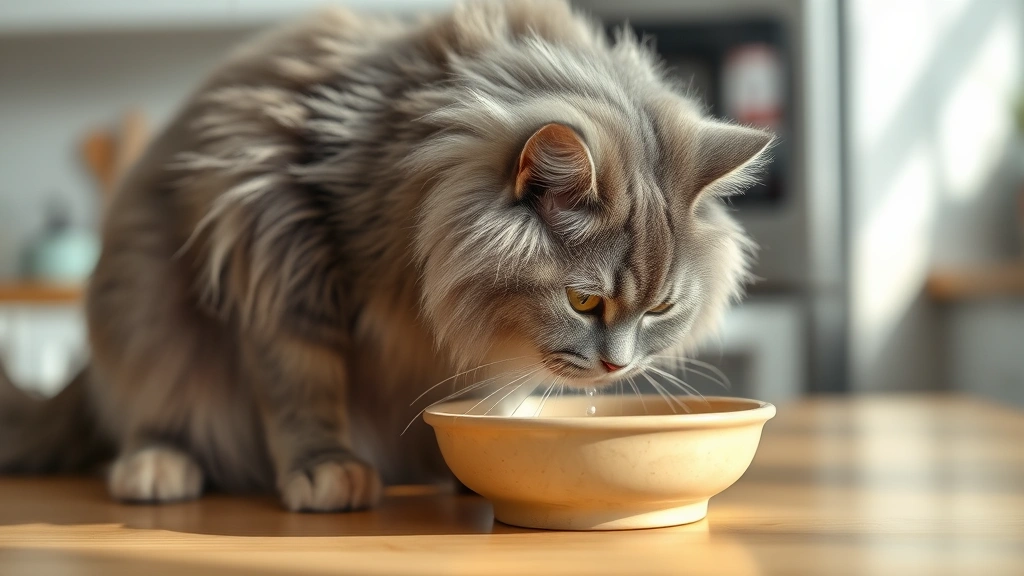
Wet food is generally preferable to dry food for cats with UTI history, as it naturally increases water intake. Some therapeutic diets are specifically formulated to support urinary health by maintaining optimal urine pH and reducing mineral crystallization.
Always discuss dietary changes with your vet, especially if your cat has other health conditions. Your vet can recommend foods that support recovery while meeting your cat’s overall nutritional needs. Learn more about healthy options by exploring human foods cats can eat for safe supplementary treats.
Supporting Your Cat Through Recovery
While your cat is being treated for a UTI, your role as a caring owner is crucial. Keep stress levels low, ensure easy access to litter boxes, and monitor for improvement in symptoms.
Most cats show improvement within 2-3 days of starting appropriate treatment. If symptoms persist beyond this timeframe, contact your vet—the bacteria may be resistant to the current antibiotic, requiring a different medication.
Be patient and supportive. Cats in pain or discomfort may be grumpy or withdrawn. Gentle handling, familiar routines, and a calm environment help them heal faster.
Frequently Asked Questions
Can a feline urinary tract infection go away on its own?
Bacterial UTIs typically require antibiotic treatment and don’t resolve without intervention. However, some sterile cystitis cases may improve with environmental and dietary changes alone. Always consult your vet for proper diagnosis and treatment recommendations.
How long does it take to treat a cat UTI?
Most bacterial UTIs respond to antibiotics within 7-14 days, though some cats may need longer courses. Your vet will determine the appropriate treatment duration based on culture results and your cat’s response.
Is a feline urinary tract infection contagious to other cats?
No, UTIs are not contagious between cats. However, if multiple cats in your home have urinary issues, an environmental or dietary factor may be affecting them all—discuss this with your vet.
What’s the difference between a UTI and feline idiopathic cystitis?
A UTI is a bacterial infection confirmed by culture, while idiopathic cystitis is sterile inflammation without bacterial infection. Both cause similar symptoms but require different treatment approaches. Your vet can distinguish between them through testing.
Can diet really prevent feline urinary tract infections?
Yes, diet plays a significant role in urinary health. Adequate hydration, appropriate mineral balance, and urine pH support prevention. Wet food and therapeutic diets designed for urinary health can reduce recurrence risk in susceptible cats.
What To Do Now
- Schedule a veterinary appointment: If you notice any signs of a feline urinary tract infection, contact your vet promptly for a urinalysis and proper diagnosis.
- Increase water availability: Set up multiple water bowls, consider a cat fountain, and add wet food to your cat’s diet to boost hydration today.
- Assess litter box setup: Ensure you have at least one more box than the number of cats, keep them scrupulously clean, and place them in accessible, quiet locations.
- Reduce stress triggers: Identify and minimize environmental stressors in your home. Create safe spaces and maintain consistent routines.
- Follow your vet’s treatment plan: Complete the full course of any prescribed antibiotics, even if symptoms improve, and attend follow-up appointments as recommended.
Summary
A feline urinary tract infection can be distressing for both you and your cat, but the good news is that with proper veterinary care and supportive home management, most cats recover well. Early recognition of symptoms, prompt diagnosis, and appropriate treatment are key to relieving your cat’s discomfort and preventing complications.
Remember that prevention is always easier than treatment. By promoting hydration, maintaining excellent litter box hygiene, reducing stress, and feeding a high-quality diet, you can significantly reduce your cat’s UTI risk. If you’re ever uncertain about whether your cat needs immediate care, The Pet Vet’s telehealth service offers quick, convenient guidance to help you make the right decision.
Your attentive care and partnership with your veterinarian give your cat the best chance at a healthy, comfortable life.