
Yes, you can absolutely talk to a vet about cat lethargy online, and it’s often the fastest way to get answers when your feline friend seems unusually tired or sluggish. If your cat has been sleeping more than usual, showing little interest in play, or moving around less energetically, a telehealth consultation can help you understand what’s happening and whether your pet needs in-person care.
Table of Contents
- Why Cat Lethargy Worries Pet Owners (And When It Should)
- What Causes Cat Lethargy? Common Culprits
- How Online Vet Consultations Work for Lethargy
- When Lethargy Requires Urgent In-Person Care
- Questions Your Vet Will Ask About Your Cat’s Lethargy
- What You Can Do Right Now While Waiting for a Vet Consultation
- Related Conditions That Often Accompany Lethargy
- The Advantages of Telehealth for Cat Lethargy Concerns
- What Happens After Your Online Consultation
- How to Prepare for Your Telehealth Vet Visit
- Frequently Asked Questions
- What To Do Now
- Summary: Getting Help for Your Lethargic Cat Is Easier Than Ever
This article is for informational purposes only and is not a substitute for professional veterinary advice. Always consult a licensed veterinarian for diagnosis and treatment.
Why Cat Lethargy Worries Pet Owners (And When It Should)
Cats are known for their love of napping—they can sleep 12 to 16 hours a day naturally. But there’s a difference between a cat enjoying a lazy afternoon and a cat experiencing unusual lethargy. When your normally active kitty becomes noticeably less interested in their favorite activities, food, or interaction, it’s worth paying attention.
Lethargy in cats can signal everything from minor issues like temporary stress to more serious health concerns. The tricky part? Cats are masters at hiding illness, so by the time you notice a change in energy levels, something may have been brewing for a while. Catching this early puts you in a great position to help your cat feel better faster.
What Causes Cat Lethargy? Common Culprits
Cat lethargy rarely appears out of nowhere. Several underlying causes could explain why your pet seems tired all the time:
- Infections or fever: Bacterial or viral infections may be experiencing lethargy as their primary symptom.
- Thyroid issues: Hyperthyroidism or hypothyroidism can dramatically affect energy levels.
- Kidney or urinary problems: These are particularly common in older cats and cause fatigue.
- Diabetes: Unmanaged blood sugar can leave cats feeling drained.
- Anemia: Low red blood cell counts reduce oxygen delivery and energy.
- Pain or arthritis: Discomfort often manifests as reduced activity and withdrawn behavior.
- Dental disease: Mouth pain can make eating uncomfortable, leading to lethargy.
- Stress or environmental changes: New pets, moving, or household disruption can temporarily reduce activity.
This is why talking to a vet about cat lethargy online makes sense—a professional can help narrow down the cause based on your cat’s specific symptoms and history.
How Online Vet Consultations Work for Lethargy
Telehealth veterinary visits have become incredibly convenient for pet owners. Here’s what to expect when you discuss your cat’s lethargy with a vet online:
The Initial Assessment: You’ll describe your cat’s behavior, eating habits, bathroom habits, and how long the lethargy has lasted. The vet may ask about any other symptoms you’ve noticed—vomiting, weight loss, changes in thirst, or unusual sounds.
Visual Examination: While the vet can’t physically examine your cat, they can ask you to show your pet on video. They might observe your cat’s movement, breathing, and overall appearance to gather clues.
Recommendations: Based on the conversation, the vet will either suggest at-home monitoring, recommend an in-person visit for blood work or diagnostics, or provide guidance on next steps.
If you are unsure whether your pet needs urgent care, a quick telehealth check-in can give you peace of mind — no appointment needed. Many pet owners find that a 15-minute online consultation answers their most pressing questions immediately.
When Lethargy Requires Urgent In-Person Care
Not all cases of cat lethargy can be managed through telehealth alone. Your vet may recommend an emergency or urgent in-person visit if your cat shows these warning signs:
- Complete loss of appetite for more than 24 hours
- Difficulty breathing or rapid breathing
- Pale gums or unusual discoloration
- Vomiting or diarrhea alongside lethargy
- Inability to stand or move normally
- Sudden onset of lethargy (hours, not days)
- Signs of pain or distress
Your online vet can help determine if your situation falls into this category. Trust your instincts—if something feels seriously wrong, don’t hesitate to seek emergency care.
Questions Your Vet Will Ask About Your Cat’s Lethargy
Preparation makes your telehealth visit more productive. Have answers ready for these common questions:

- How long has this been going on? Days, weeks, or months matter for diagnosis.
- Is your cat eating and drinking normally? Changes in appetite or thirst are huge clues.
- What does their litter box activity look like? Urination and bowel movements reveal a lot about internal health.
- Are there other symptoms? Coughing, sneezing, discharge, or behavioral changes all help the vet piece together the picture.
- Any recent changes at home? New pets, moved furniture, or schedule changes can temporarily affect energy.
- What’s your cat’s age and medical history? Senior cats and those with pre-existing conditions need different considerations.
- Is your cat on any medications? Some drugs can cause fatigue as a side effect.
Writing these details down before your call ensures you don’t forget anything important in the moment.
What You Can Do Right Now While Waiting for a Vet Consultation
If your cat’s lethargy isn’t an emergency but you’re waiting for an appointment, these steps can help you gather information and support your pet:
- Monitor food and water intake: Keep track of how much your cat eats and drinks daily. Note any changes.
- Observe bathroom habits: Check the litter box for changes in frequency, consistency, or appearance.
- Keep them comfortable: Provide a quiet, warm space with easy access to food, water, and the litter box.
- Avoid forcing interaction: Let your cat rest, but stay observant for any worsening symptoms.
- Take photos or video: If your cat has any unusual symptoms, document them to show your vet.
These observations become invaluable during your telehealth visit, giving the vet concrete details to work with.
Related Conditions That Often Accompany Lethargy
Cat lethargy rarely travels alone. Other symptoms frequently appear alongside low energy, and your vet will want to know about them. For instance, if your cat is also experiencing unusual panting or breathing changes, that adds urgency to the situation. Similarly, digestive issues like diarrhea often occur alongside lethargy in kittens and adult cats.
If your cat is limping or showing signs of pain, that could explain reduced activity. Even skin infections can cause cats to withdraw and sleep more due to discomfort and fever. Chronic conditions like sinusitis also frequently present with fatigue. For senior cats, kidney issues and dietary needs are common culprits behind lethargy.
Mentioning any of these accompanying symptoms during your online consultation helps paint a complete picture of your cat’s health.
The Advantages of Telehealth for Cat Lethargy Concerns
Why choose an online vet consultation for lethargy questions? Several reasons make telehealth ideal for this type of concern:
- Speed: Get answers today instead of waiting days for an appointment.
- Low stress: Your cat stays home in a familiar environment, which reduces anxiety during the conversation.
- Cost-effective: Telehealth visits are typically less expensive than in-person exams.
- Convenience: Consult from home at a time that works for your schedule.
- Documentation: You have a record of the conversation and recommendations.
- Triage: The vet helps you decide whether urgent in-person care is truly needed.
For many pet owners, a telehealth chat is the perfect first step when something seems off with their cat.
What Happens After Your Online Consultation
After you talk to a vet about cat lethargy online, expect one of these outcomes:
Reassurance and monitoring: If the vet believes lethargy is likely stress-related or temporary, they may suggest observation at home with a follow-up check-in.
Prescription or at-home treatment: For minor issues, the vet might send a prescription or recommend over-the-counter supportive care.
Referral for diagnostics: If blood work, urinalysis, or imaging is needed, the vet will recommend an in-person visit to a local clinic or emergency facility.
Urgent care guidance: If symptoms suggest a serious issue, the vet will advise you on emergency services in your area.
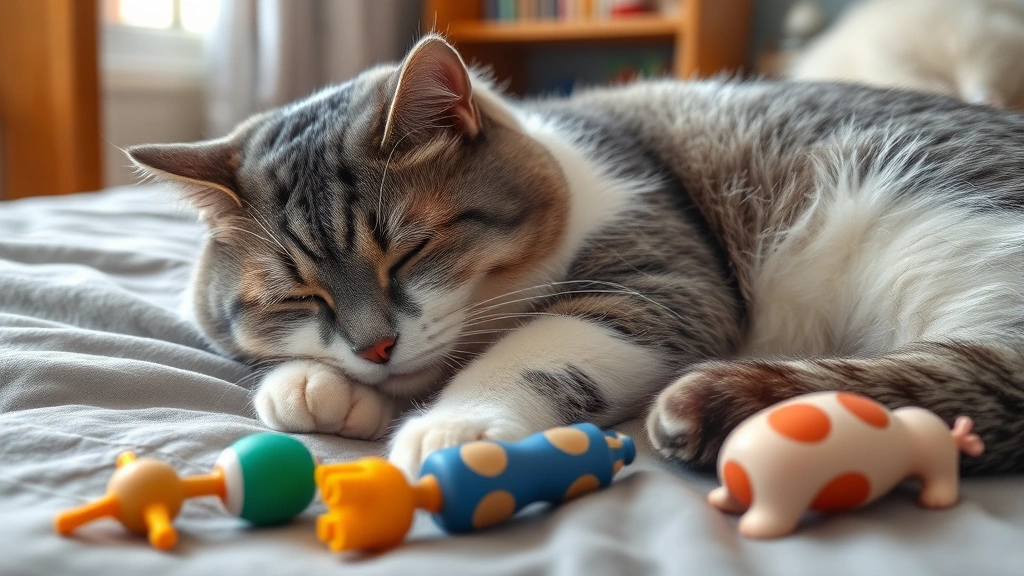
Your online vet acts as a guide, helping you navigate the next best step for your cat’s health.
How to Prepare for Your Telehealth Vet Visit
Make the most of your online consultation with these preparation tips:
- Find a quiet space where you can talk without distractions.
- Have your cat’s medical records or vaccination history handy.
- Write down your timeline: when did lethargy start, what was your cat doing before?
- List all symptoms, no matter how small they seem.
- Know your cat’s current diet and any recent food changes.
- Have your cat visible or nearby so the vet can see them if needed.
- Prepare questions so you don’t forget to ask anything important.
A few minutes of prep transforms a rushed call into a productive, informative conversation.
Frequently Asked Questions
Can a vet diagnose cat lethargy online without blood work?
A vet can assess the likelihood of certain conditions and determine whether blood work is necessary. However, definitive diagnosis often requires lab tests that must be done in person at a veterinary clinic.
Is it normal for my cat to be lethargic after a stressful event?
Yes, temporary lethargy after stress, travel, or household changes is normal. However, if it lasts more than a few days or worsens, contact your vet to rule out other causes.
How much does a telehealth vet consultation cost?
Telehealth visits typically range from $30 to $75 depending on the platform and vet, making them more affordable than traditional office visits. Some pet insurance plans cover telehealth services.
What if my vet recommends an in-person visit after our online chat?
This is common and often necessary. The telehealth visit helps identify what diagnostics or exams your cat needs, so the in-person appointment is more focused and efficient.
Can I get a prescription from an online vet consultation?
Yes, licensed vets can prescribe medications during telehealth visits in most states. The prescription is sent electronically to a pharmacy or mailed to you.
What To Do Now
- Schedule a telehealth consultation: Contact The Pet Vet or another licensed telehealth provider to discuss your cat’s lethargy today. No appointment delays needed.
- Gather information: Write down when the lethargy started, any other symptoms, your cat’s diet, and recent changes at home to share during the call.
- Monitor closely: Keep track of your cat’s eating, drinking, bathroom habits, and energy level over the next 24 hours. This data helps the vet make better recommendations.
- Prepare for next steps: Based on the vet’s guidance, either schedule an in-person visit for diagnostics or follow at-home monitoring instructions.
- Don’t wait if symptoms worsen: If your cat stops eating, has difficulty breathing, or shows signs of distress, seek emergency care immediately instead of waiting for a scheduled appointment.
Summary: Getting Help for Your Lethargic Cat Is Easier Than Ever
Yes, you absolutely can talk to a vet about cat lethargy online, and it’s one of the smartest first steps you can take when your cat seems unusually tired. Telehealth puts professional guidance at your fingertips without the stress of a clinic visit or the wait for an appointment.
Your cat’s lethargy could be something minor that resolves with rest and monitoring, or it could signal a condition that needs attention. Either way, a quick conversation with a licensed vet gives you clarity and peace of mind. The vet helps you decide what comes next—whether that’s continued home observation, a prescription, or an in-person diagnostic visit.
Don’t let worry linger. Reach out to a telehealth vet today and get answers about your cat’s energy levels. Your feline friend deserves to feel their best, and you deserve to know what’s really going on.
This article is for general education and is not a substitute for care from your own veterinarian. Learn about The Pet Vet and our editorial policy.