
Yes, you can talk to a vet about kitten panting online, and doing so quickly might be exactly what your worried kitten needs right now. If you’ve noticed your little one breathing heavily or panting more than usual, it’s natural to feel concerned—and seeking professional guidance doesn’t have to mean a stressful trip to the clinic.
Table of Contents
- Why Your Kitten Might Be Panting
- When Kitten Panting Needs Immediate Attention
- How Online Vet Consultations Work for Kitten Panting
- Advantages of Talking to a Vet Online About Your Kitten
- Questions Your Online Vet Might Ask
- Respiratory Issues and Kitten Panting
- Stress and Anxiety as Causes of Kitten Panting
- When to Follow Up With an In-Person Vet
- What To Do Now
- Frequently Asked Questions
- Summary
This article is for informational purposes only and is not a substitute for professional veterinary advice. Always consult a licensed veterinarian for diagnosis and treatment.
Kitten panting can stem from many causes, some minor and others that warrant prompt attention. The good news? Telehealth veterinary services like The Pet Vet make it easier than ever to get answers from a licensed veterinarian without leaving your home. Let’s explore what kitten panting means, when you should seek help, and how online vet consultations can give you the peace of mind you deserve.
Why Your Kitten Might Be Panting
Panting in kittens isn’t always a red flag, but it’s definitely worth understanding. Unlike dogs, cats rarely pant unless something is triggering the behavior. Your kitten could be experiencing anything from simple overheating to respiratory concerns.
Common reasons for kitten panting include heat exposure, stress or anxiety, physical exertion, or underlying health issues like asthma or heart conditions. Even a visit to the vet’s office or a car ride can make a kitten pant from nervousness. The key is recognizing whether the panting is occasional and tied to a specific situation, or persistent and concerning.
Catching this early puts you in a great position to help your kitten feel better fast.
When Kitten Panting Needs Immediate Attention
Certain signs mean you should seek veterinary care sooner rather than later. If your kitten is panting heavily at rest, showing blue-tinged gums or tongue, drooling excessively, or seems lethargic alongside the panting, these could indicate a more serious condition.
Watch for these warning signs:
- Rapid, labored breathing that doesn’t slow down
- Wheezing or unusual sounds while breathing
- Refusal to eat or drink
- Collapse or extreme weakness
- Pale or discolored gums
If you notice any of these symptoms, contact a veterinarian right away. A telehealth consultation can help you determine urgency, or if your kitten needs emergency in-person care, a vet can guide you to the nearest emergency clinic.
How Online Vet Consultations Work for Kitten Panting
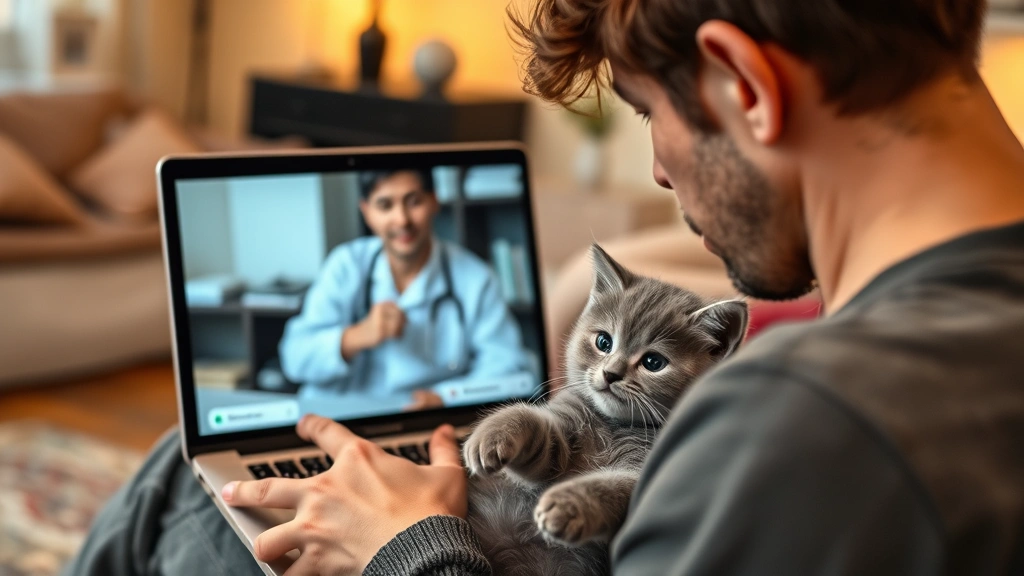
Telehealth veterinary services have transformed how pet owners access care. When you reach out through The Pet Vet’s online vet for kitten panting, you’ll connect with a licensed veterinarian who can assess your kitten’s symptoms through a video call, photos, or detailed description.
The process is straightforward: you describe what you’re seeing, answer questions about your kitten’s health history, and the vet provides guidance. Many telehealth vets can recommend next steps, whether that’s home care, follow-up with a local veterinarian, or emergency care if needed.
If you are unsure whether your pet needs urgent care, a quick telehealth check-in can give you peace of mind — no appointment needed.
Advantages of Talking to a Vet Online About Your Kitten
Online veterinary consultations offer real benefits for worried pet owners. You avoid the stress of transporting a panting kitten to a clinic, which could actually make the panting worse due to anxiety. You also get faster access to professional advice, especially outside regular clinic hours.
Consider these advantages:
- Convenience: Consult from home at a time that works for you
- Lower stress: No car ride or unfamiliar clinic environment for your kitten
- Cost-effective: Often less expensive than an in-person emergency visit
- Quick answers: Get guidance within minutes, not days
- Peace of mind: Professional assessment helps you decide next steps with confidence
Many pet owners find that a telehealth consultation either resolves their worry or helps them feel more prepared for an in-person visit if needed.
Questions Your Online Vet Might Ask
When you ask a vet about kitten panting online, be ready to share details. A thorough vet will ask about timing, triggers, and your kitten’s overall health. Having this information ready speeds up the consultation and helps the vet give you the most accurate guidance.
Prepare to answer questions like:
- When did the panting start, and how often does it happen?
- Is your kitten panting during activity, at rest, or both?
- Has your kitten been exposed to heat, stress, or new situations recently?
- Are there other symptoms like coughing, sneezing, or lethargy?
- What is your kitten’s age, breed, and general health history?
- Has your kitten eaten, drunk water, and used the litter box normally?
The more specific you can be, the better the vet can help.
Respiratory Issues and Kitten Panting
Some kittens may be experiencing respiratory concerns that cause panting. Conditions like feline asthma, upper respiratory infections, or nasal congestion can all lead to heavy breathing or panting. A vet can help distinguish between these possibilities and recommend appropriate care.
Related concerns like nasal congestion in cats often accompany other symptoms. If your kitten is sneezing, has discharge from the nose, or seems to be struggling to breathe through the nose, mention this during your online consultation.
Early identification of respiratory issues helps ensure your kitten gets the right support quickly.
Stress and Anxiety as Causes of Kitten Panting
Sometimes kitten panting is rooted in emotional rather than physical causes. New environments, loud noises, changes in the household, or separation anxiety can all trigger panting in sensitive kittens. If you suspect kitten anxiety might be behind the panting, an online vet can explore this with you and suggest calming strategies.
Stress-related panting often improves once the trigger is removed or the kitten adjusts to a new situation. Your vet might recommend environmental adjustments, enrichment activities, or other supportive measures to help your kitten feel more secure.
Understanding whether panting is stress-related gives you actionable ways to help your kitten feel safer and more relaxed.
When to Follow Up With an In-Person Vet
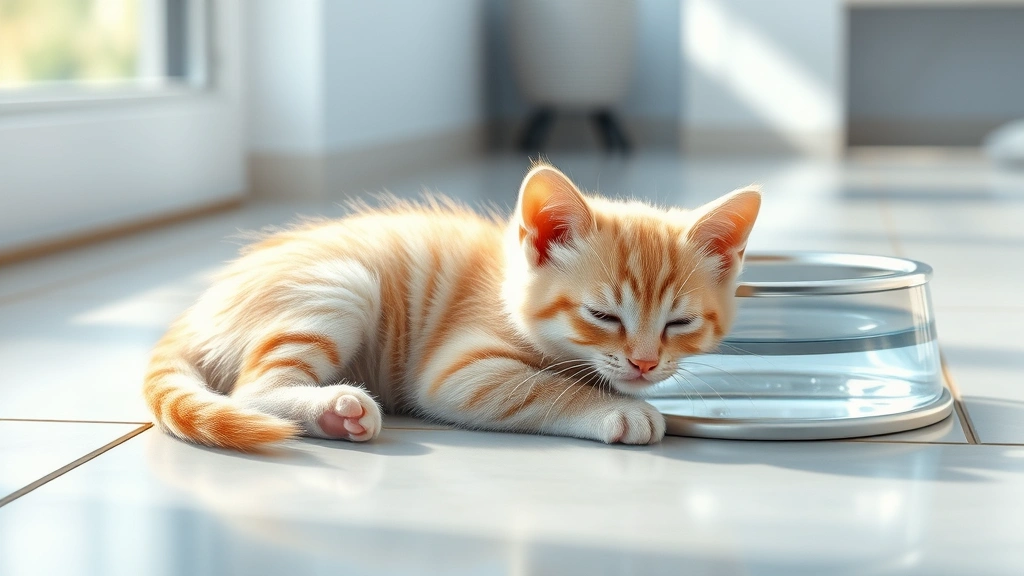
An online consultation is a fantastic first step, but some situations warrant an in-person examination. If the vet recommends it, or if your kitten’s panting persists despite reassurance, scheduling a local appointment is wise. Physical exams allow vets to listen to the heart and lungs, check vital signs, and perform blood work if needed.
Your online vet can help you decide whether an in-person visit is necessary. They might also recommend follow-up care or specific tests to rule out underlying conditions. Think of telehealth as a bridge to faster, more informed decisions about your kitten’s health.
Many pet owners use online consultations to gather information, then schedule in-person care with confidence and clarity.
What To Do Now
- Observe and document: Note when your kitten pants, what seems to trigger it, and any other symptoms you notice. This information is gold for your vet consultation.
- Schedule a telehealth appointment: Reach out to The Pet Vet or another trusted online veterinary service. Most can connect you with a vet within hours, not days.
- Prepare your questions: Write down concerns about your kitten’s panting, health history, and any changes you’ve noticed recently.
- Gather comfort items: Have your kitten’s medical records, vaccination history, and a list of any medications or supplements on hand before the call.
- Follow the vet’s guidance: Whether they recommend home care, monitoring, or an in-person visit, trust their professional assessment and next steps.
Frequently Asked Questions
Is kitten panting ever normal?
Yes, occasional panting after play or in warm environments is normal. However, persistent panting at rest or accompanied by other symptoms warrants a vet check.
Can I use a video call to show the vet my kitten panting?
Absolutely. Video calls are often the most helpful format because the vet can observe your kitten’s breathing, body language, and overall demeanor in real time.
How much does an online vet consultation cost?
Costs vary by service, but telehealth consultations are typically less expensive than emergency in-person visits. Many services offer transparent pricing upfront.
What if my kitten’s panting is an emergency?
If you suspect an emergency, mention this when contacting your online vet. They can prioritize your case and advise whether you need immediate in-person emergency care instead.
Can an online vet prescribe medication for kitten panting?
Many online vets can prescribe medications if appropriate, though regulations vary by location. Your vet will discuss options and may refer you to a local pharmacy or clinic if needed.
Summary
Yes, you absolutely can talk to a vet about kitten panting online, and it’s often the fastest, most convenient way to get professional guidance when your kitten needs it. Telehealth veterinary services like The Pet Vet eliminate barriers to care, allowing you to consult with a licensed vet from home without the stress of a clinic visit.
Whether your kitten’s panting stems from heat, stress, anxiety, or something more serious, an online vet can help you understand what’s happening and decide on next steps with confidence. By documenting your kitten’s symptoms, preparing your questions, and reaching out promptly, you’re taking the best possible action for your pet’s health.
Don’t let worry keep you from seeking help. Your kitten deserves professional care, and you deserve peace of mind. Connect with an online vet today and get the answers you need.