
If your cat is struggling with urinary issues, you’ve likely heard about Royal Canin Veterinary Diet Urinary SO Dry Cat Food RX vs alternatives—and you’re probably wondering which option truly gives your furry friend the best chance at relief and recovery. Urinary problems in cats can be scary and frustrating, but the good news is that the right diet can make a real difference in managing these conditions.
Table of Contents
- Understanding Feline Urinary Health and Diet’s Role
- What Makes Royal Canin Urinary SO Stand Out
- Key Ingredients in Royal Canin Urinary SO
- Exploring Alternative Urinary Diet Options
- Comparing Royal Canin to Other Prescription Alternatives
- The Importance of Wet Food and Hydration
- Transitioning Your Cat to a New Urinary Diet
- Common Urinary Issues in Cats and Diet’s Role
- Cost Considerations and Budget-Friendly Alternatives
- Working with Your Veterinarian on Dietary Management
- Monitoring Your Cat’s Response to Dietary Changes
- Frequently Asked Questions
- What To Do Now
- Summary: Making the Right Choice for Your Cat
This article is for informational purposes only and is not a substitute for professional veterinary advice. Always consult a licensed veterinarian for diagnosis and treatment.
Choosing the right therapeutic diet for your cat requires understanding what makes certain foods effective for urinary health. Whether you’re considering Royal Canin’s specialized formula or exploring other options, this guide will help you navigate the choices with confidence and clarity.
Understanding Feline Urinary Health and Diet’s Role
Cats with urinary concerns often benefit from diets specifically formulated to support bladder and kidney function. These therapeutic diets work by adjusting mineral content, promoting hydration, and maintaining optimal urinary pH levels—all crucial factors in preventing crystal formation and supporting overall urinary tract health.
The relationship between diet and feline urinary health is well-established in veterinary medicine. When your cat consumes the right balance of nutrients, minerals, and moisture, their body can better manage urinary system function and reduce the risk of recurrent issues.
What Makes Royal Canin Urinary SO Stand Out
Royal Canin Veterinary Diet Urinary SO is specifically engineered to address feline urinary concerns through a proprietary blend of ingredients. The formula is designed to maintain a healthy urinary environment by controlling mineral levels and promoting appropriate urine composition.
This prescription diet includes:
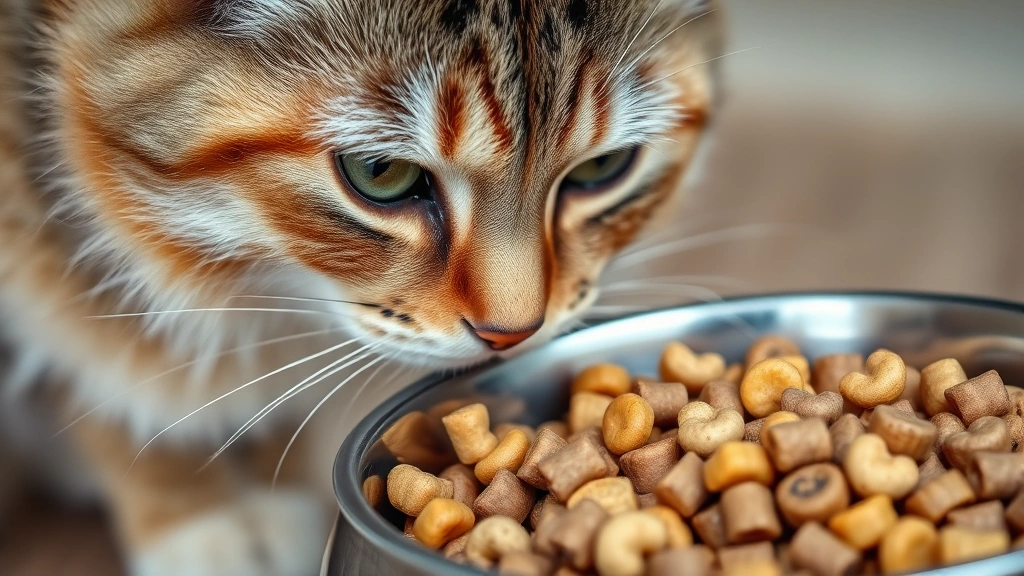
- Carefully balanced magnesium, phosphorus, and calcium levels
- Ingredients that naturally support lower urinary pH
- High-quality protein sources for palatability and nutrition
- Added moisture-supporting components
Many veterinarians recommend this formula because it’s backed by extensive research and clinical trials specifically focused on feline urinary health.
Key Ingredients in Royal Canin Urinary SO
Understanding what’s in your cat’s food helps you make informed decisions about their health. Royal Canin Urinary SO contains poultry by-products, corn gluten meal, and carefully selected minerals that work together to support urinary system function.
The dry formula concentrates these therapeutic ingredients, making each bite nutritionally dense. However, it’s worth noting that some cats benefit from additional moisture in their diet, which is something to discuss with your veterinarian during your cat’s treatment plan.

Exploring Alternative Urinary Diet Options
While Royal Canin is widely recommended, several alternative therapeutic diets can support feline urinary health. Hill’s Prescription Diet c/d, Purina Pro Plan Veterinary Diets UR, and other prescription options offer similar benefits with different ingredient profiles.
Some cats respond better to certain formulas due to individual sensitivities or preferences. Your veterinarian can help determine whether an alternative might be equally effective for your specific cat’s needs and situation.
Comparing Royal Canin to Other Prescription Alternatives
When evaluating alternatives, consider these factors:

- Mineral composition: Different brands adjust magnesium and phosphorus levels differently
- Protein sources: Some cats prefer poultry-based formulas while others do well with fish-based options
- Moisture content: Dry formulas versus wet formulas affect hydration differently
- Cost and availability: Some alternatives may be more accessible or budget-friendly
- Palatability: Your cat must actually eat the food for it to work
The “best” option is truly the one that your cat will eat consistently while supporting their urinary health goals.
The Importance of Wet Food and Hydration
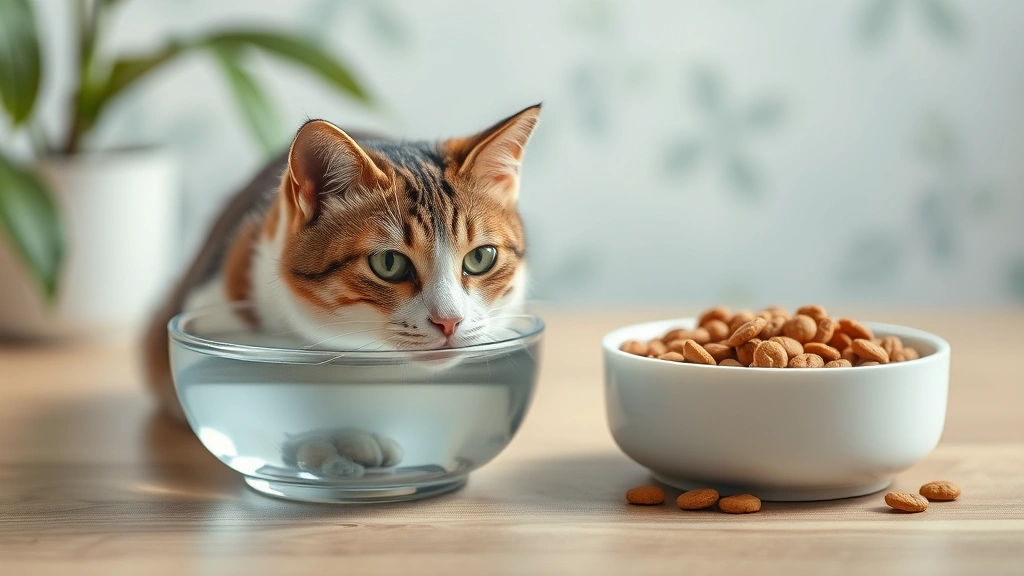
Many veterinarians emphasize that increasing your cat’s water intake is equally important as the diet itself. Wet food options—whether prescription or therapeutic—naturally contain more moisture than dry kibble.
Consider combining Royal Canin Urinary SO dry food with wet therapeutic options to maximize hydration benefits. Proper hydration dilutes urine and supports overall urinary tract health, making this a key component of any treatment plan.
Transitioning Your Cat to a New Urinary Diet
Switching your cat to a therapeutic diet requires patience and a gradual approach. Abrupt diet changes can cause digestive upset and may lead your cat to reject the new food entirely.
A typical transition takes 7-10 days:
- Days 1-2: Mix 75% old food with 25% new food
- Days 3-4: Use a 50/50 blend of old and new food
- Days 5-6: Combine 25% old food with 75% new food
- Days 7+: Transition to 100% new therapeutic diet
If your cat shows signs of digestive upset during this transition, slow down the process even more. Patience now prevents frustration later.

Common Urinary Issues in Cats and Diet’s Role
Cats may experience various urinary concerns, including feline urinary tract infections (UTIs), crystal formation, and other bladder-related issues. Each condition may benefit from slightly different dietary approaches, which is why veterinary guidance is essential.
Therapeutic diets like Royal Canin Urinary SO are formulated to address the underlying causes of these issues rather than just treating symptoms. This preventative approach helps reduce recurrence rates and supports long-term urinary health.
Catching urinary issues early and implementing dietary management puts you in a great position to help your cat feel better and prevent complications.
Cost Considerations and Budget-Friendly Alternatives
Prescription therapeutic diets are an investment in your cat’s health, but cost can be a real concern for pet owners. Royal Canin Urinary SO is typically more expensive than standard cat foods, though less costly than some emergency veterinary treatments.
If budget is a concern, discuss this openly with your veterinarian. They may recommend alternative therapeutic diets that are similarly effective but more affordable, or they might suggest a combination approach that balances cost and health benefits.
Working with Your Veterinarian on Dietary Management
Your veterinarian is your best resource for determining whether Royal Canin Urinary SO is the right choice for your cat. They can assess your cat’s specific condition, any underlying health issues, and individual response to dietary changes.

Regular follow-up appointments help ensure the chosen diet is working effectively. If you’re unsure whether your cat’s current diet is helping or if you need guidance on alternatives, consulting about feline urinary tract management with a veterinary professional can provide clarity and peace of mind.
If you are unsure whether your pet needs urgent care or dietary adjustments, a quick telehealth check-in can give you peace of mind—no appointment needed. Our team at The Pet Vet is here to help you navigate these decisions.
Monitoring Your Cat’s Response to Dietary Changes
After starting your cat on a new therapeutic diet, watch for positive changes in urinary health, litter box habits, and overall well-being. Most cats show improvement within 2-4 weeks, though some take longer.
Keep track of:
- Frequency and appearance of litter box visits
- Any changes in urinary behavior or discomfort signs
- Overall energy levels and appetite
- Coat quality and general health indicators
Document these observations to share with your veterinarian at follow-up appointments.
Frequently Asked Questions
Is Royal Canin Urinary SO a prescription-only diet?
Yes, Royal Canin Veterinary Diet Urinary SO requires a veterinary prescription. Your vet must diagnose your cat’s condition and recommend this specific therapeutic formula for you to purchase it.

Can I use Royal Canin Urinary SO long-term?
Many cats benefit from long-term therapeutic diet management. Your veterinarian will determine the appropriate duration based on your cat’s condition, response to treatment, and overall health status.
What if my cat refuses to eat Royal Canin Urinary SO?
If your cat won’t eat the prescribed diet, inform your veterinarian immediately. They can recommend alternative therapeutic formulas or discuss other management strategies to support your cat’s urinary health.
How does diet prevent urinary crystals in cats?
Therapeutic urinary diets control mineral levels and pH balance, creating an environment less favorable for crystal formation. This preventative approach addresses the root cause rather than just treating symptoms.

Should I add water or wet food to the dry kibble?
Many veterinarians recommend adding water or mixing in wet therapeutic food to increase moisture intake. This supports hydration and overall urinary health, especially for cats that don’t drink enough water naturally.
What To Do Now
- Schedule a veterinary consultation: If your cat hasn’t been evaluated for urinary issues, make an appointment with your veterinarian to discuss symptoms and get a proper diagnosis.
- Request a prescription: If your vet recommends Royal Canin Urinary SO or an alternative therapeutic diet, ask for a written prescription and clarification on feeding guidelines specific to your cat’s needs.
- Plan a gradual transition: Obtain the prescribed diet and plan a 7-10 day transition period using the mixing schedule outlined above to minimize digestive upset.
- Monitor and document: Keep detailed notes on your cat’s litter box habits, behavior, and overall health during the first month on the new diet.
- Schedule a follow-up: Book a follow-up appointment 4-6 weeks after starting the new diet to assess your cat’s response and make any necessary adjustments.
Summary: Making the Right Choice for Your Cat
Royal Canin Veterinary Diet Urinary SO is a well-researched, clinically-proven option for cats with urinary concerns. However, the best therapeutic diet is ultimately the one that your individual cat will eat consistently while supporting their specific health needs.
Working closely with your veterinarian ensures you’re making an informed decision that considers your cat’s unique situation, preferences, and response to dietary management. Whether you choose Royal Canin or explore alternatives, the goal remains the same: supporting your cat’s urinary health and quality of life.
Remember, dietary management is often a key component of long-term urinary health in cats. Combined with proper hydration, regular veterinary monitoring, and your attentive care, the right therapeutic diet can make a meaningful difference in your cat’s well-being and comfort.
This article is for general education and is not a substitute for care from your own veterinarian. Learn about The Pet Vet and our editorial policy.