
Yes, you can absolutely talk to a vet about cat diarrhea online, and many pet owners find telehealth consultations incredibly helpful when their feline friend is experiencing digestive troubles. If your cat has loose stools or frequent bathroom trips, you’re likely feeling worried and looking for answers—and the good news is that getting professional guidance doesn’t always require a trip to the clinic.
Table of Contents
- Why Online Vet Visits Work Well for Cat Diarrhea
- What Information Your Online Vet Will Ask About
- Common Causes of Cat Diarrhea Your Vet Will Consider
- When to Choose Telehealth vs. In-Person Care
- What to Expect During Your Online Consultation
- Home Care Tips While You Wait for Your Appointment
- Understanding When Diarrhea Becomes Urgent
- The Role of Testing and Follow-Up
- Preventing Future Episodes
- How The Pet Vet Makes Online Cat Care Convenient
- Frequently Asked Questions
- What To Do Now
- Summary
This article is for informational purposes only and is not a substitute for professional veterinary advice. Always consult a licensed veterinarian for diagnosis and treatment.
Cat diarrhea can be stressful for both you and your pet. Whether it started suddenly or has been lingering, understanding when and how to seek online veterinary care can help you feel more in control of the situation. Let’s explore what online vets can do for your cat and when a telehealth visit makes sense.
Why Online Vet Visits Work Well for Cat Diarrhea
Telehealth veterinary consultations have become a game-changer for pet owners dealing with digestive issues. A vet can gather important information through a video call, ask detailed questions about your cat’s symptoms, and help you understand what might be happening. They can also guide you on whether your cat needs an in-person exam or if supportive care at home is appropriate right now.
The beauty of online consultations is that they’re often faster to schedule than traditional appointments, especially during busy seasons. You can connect with a licensed veterinarian from your couch while your cat is nearby, making the whole process less stressful for everyone involved.
What Information Your Online Vet Will Ask About
When you schedule a telehealth visit to discuss your cat’s diarrhea, the veterinarian will want to know specifics. Here’s what to have ready:
- Duration: How long has the diarrhea been happening—hours, days, or weeks?
- Frequency: Is your cat making multiple trips to the litter box, or just a few?
- Appearance: Is it watery, mucus-like, or grainy in texture?
- Color: Is it brown, yellow, or any other shade?
- Associated symptoms: Is your cat vomiting, acting lethargic, or showing changes in appetite?
- Diet changes: Did you recently switch food or introduce new treats?
- Medication history: Has your cat been on antibiotics or other medications recently?
- Bathroom habits: Is your cat straining, or does elimination seem easy?
Having these details ready will make your online consultation more productive and help the vet form a clearer picture of what’s going on. Catching this early puts you in a great position to help your cat feel better faster.
Common Causes of Cat Diarrhea Your Vet Will Consider
During an online consultation, your veterinarian will likely discuss potential causes based on your cat’s symptoms and history. Cat diarrhea can stem from many different factors, and identifying the root cause is key to finding the right solution.
Food sensitivities or sudden diet changes are among the most common culprits. If you recently switched your cat’s food or they got into something unusual, that could easily explain the loose stools. Stress and environmental changes can also trigger digestive upset in cats, who are creatures of habit.
Infections—whether bacterial, viral, or parasitic—are another possibility that your vet will explore. Parasites like roundworms or giardia are surprisingly common in cats and are definitely something a telehealth vet can help you address. Your vet might recommend testing or preventive measures based on what they learn during your consultation.
Other considerations include inflammatory bowel disease, food allergies, or even hairballs that are causing digestive disruption. The online vet will work through these possibilities with you based on your cat’s age, lifestyle, and specific symptoms.
When to Choose Telehealth vs. In-Person Care
Telehealth is fantastic for initial consultations and mild cases, but there are times when your cat really does need hands-on examination. If your cat is showing signs of severe dehydration, won’t eat or drink, has bloody stools, or seems extremely unwell, an in-person visit or emergency clinic is the right choice.
For straightforward cases—like mild diarrhea that started after a diet change, with a cat who’s otherwise acting normal—telehealth is often perfect. If you are unsure whether your pet needs urgent care, a quick telehealth check-in can give you peace of mind — no appointment needed. The vet can then advise you on next steps, whether that’s home care, follow-up testing, or an in-person appointment.
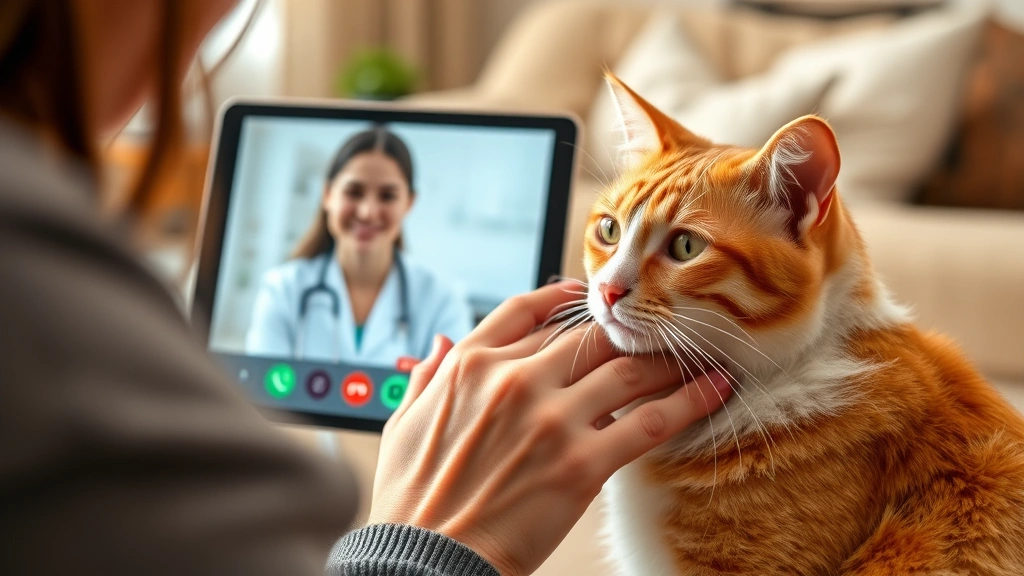
Think of telehealth as a wonderful first step that helps you avoid unnecessary clinic visits while still getting professional guidance. Many vets use online consultations to triage cases and determine the best path forward.
What to Expect During Your Online Consultation
When you log in for your appointment, have your cat nearby so the vet can see them if needed. The consultation usually takes 15–30 minutes, depending on the complexity of your cat’s situation. The veterinarian will ask questions, listen carefully to your answers, and may ask you to show them your cat on camera so they can observe behavior and body condition.
After gathering information, the vet will discuss their assessment with you. They might suggest at-home care measures, recommend monitoring for specific changes, or advise that follow-up testing or an in-person exam would be helpful. Many online vets can also send prescriptions directly to your pharmacy if needed, making the whole process seamless.
You’ll typically receive a summary of the consultation via email, which is helpful for your records and for sharing with your regular veterinarian if needed.
Home Care Tips While You Wait for Your Appointment
If your cat’s diarrhea is mild and not accompanied by severe symptoms, there are supportive steps you can take at home. Keeping your cat well-hydrated is crucial—ensure fresh water is always available, and monitor their drinking habits closely.
Consider temporarily offering bland, easy-to-digest food options. Some cats do well with plain cooked chicken or a prescription digestive diet, but always check with your vet before making major dietary changes. Avoid sudden food switches, which can actually worsen diarrhea.
Keep the litter box extra clean and accessible so your cat feels comfortable using it. Stress can play a role in digestive issues, so maintaining a calm, consistent environment is beneficial. If your cat seems to be improving on its own, document the progress to share with your online vet.
Understanding When Diarrhea Becomes Urgent
While many cases of cat diarrhea resolve with supportive care, some warrant immediate attention. If your cat shows signs of severe dehydration—like sunken eyes, dry gums, or lethargy—don’t wait for a telehealth appointment; head to an emergency clinic instead.
Blood in the stool, repeated vomiting alongside diarrhea, or a cat who won’t eat or drink at all are also red flags. Kittens and senior cats are more vulnerable to complications from diarrhea, so err on the side of caution with these age groups. Your online vet can help you determine urgency, but trust your instincts—if something feels seriously wrong, seek immediate in-person care.
The Role of Testing and Follow-Up
Depending on what your online vet learns, they may recommend diagnostic testing to pinpoint the cause of your cat’s diarrhea. Fecal testing can reveal parasites or bacterial overgrowth. Blood work might be suggested if your cat is older or showing systemic signs.
Some of these tests require an in-person visit to collect samples, but your vet can explain exactly what’s needed and why. Follow-up consultations—whether online or in-person—help ensure your cat is improving and that the treatment plan is working. Don’t hesitate to reach back out if symptoms persist or worsen.
Preventing Future Episodes
Once your cat recovers, your vet will likely discuss prevention strategies. Maintaining a consistent, high-quality diet is foundational. Keeping your cat’s parasite prevention up-to-date is equally important, as is ensuring they’re fully vaccinated.
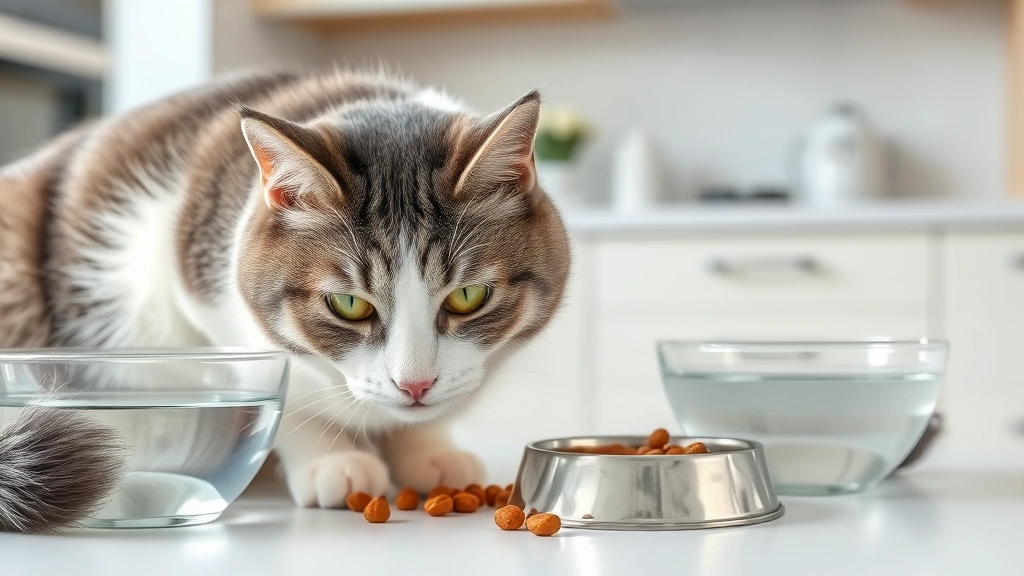
Stress management, regular exercise, and a clean living environment all support digestive health. If your cat has had multiple episodes of diarrhea, your vet might recommend a specific diet or ongoing monitoring to catch issues early.
How The Pet Vet Makes Online Cat Care Convenient
At The Pet Vet, we understand that managing your cat’s health should be accessible and stress-free. Our telehealth platform connects you with licensed veterinarians who specialize in feline care and can address concerns like diarrhea quickly and compassionately. You can schedule an appointment at a time that works for you, and get professional guidance without the hassle of travel or long wait times.
Whether this is your cat’s first episode or an ongoing concern, our vets are here to help you navigate the next steps. We believe that modern technology should make pet care easier, not more complicated—and that’s exactly what we’re committed to delivering.
Frequently Asked Questions
Can a vet diagnose the cause of cat diarrhea through a video call?
A vet can often narrow down the likely cause based on your description, your cat’s history, and what they observe on video. However, some cases do require in-person examination or diagnostic testing for a definitive diagnosis.
How quickly can I get an online vet appointment for my cat’s diarrhea?
Many telehealth platforms, including The Pet Vet, offer same-day or next-day appointments. Availability depends on demand, but online consultations are typically much faster to schedule than traditional clinics.
Will my online vet be able to prescribe medication for cat diarrhea?
Yes, licensed veterinarians can prescribe medications through telehealth consultations. Prescriptions are usually sent directly to your pharmacy for easy pickup or home delivery.
Is telehealth appropriate for a kitten with diarrhea?
Kittens are more vulnerable to dehydration and complications, so while telehealth can be a helpful first step, your vet may recommend an in-person exam or urgent care depending on the severity and kitten’s age.
What should I do if my cat’s diarrhea doesn’t improve after an online consultation?
Contact your vet for a follow-up consultation or in-person visit. Persistent diarrhea may require additional testing or a different treatment approach, and your vet needs to know if the initial plan isn’t working.
What To Do Now
- Document your cat’s symptoms: Write down when the diarrhea started, how often it’s happening, what it looks like, and any other changes in behavior or appetite. This information will be invaluable during your telehealth consultation.
- Schedule an online vet appointment: Visit The Pet Vet or your preferred telehealth platform and book a consultation. Have your calendar ready and choose a time when you can be present with your cat.
- Prepare your environment: Make sure you have good lighting and a quiet space for the video call. Have your cat’s medical history, recent diet information, and any medications on hand to reference during the appointment.
- Monitor for urgent signs: While waiting for your appointment, watch for red flags like severe lethargy, repeated vomiting, blood in stool, or refusal to eat or drink. If you notice these, seek emergency care immediately.
- Keep notes during the consultation: Write down what the vet recommends, any medications or dietary changes, and follow-up instructions. Ask questions if anything is unclear—your vet wants you to feel confident moving forward.
Summary
Yes, you can absolutely talk to a vet about cat diarrhea online, and doing so is often a smart, convenient first step in addressing your cat’s digestive troubles. Telehealth consultations allow you to get professional guidance quickly, from the comfort of home, without the stress of a clinic visit. Your online vet can help identify potential causes, recommend supportive care, and determine whether further testing or in-person examination is needed.
Cat diarrhea is usually manageable, especially when you catch it early and get expert advice. By gathering the right information, staying alert to warning signs, and following your vet’s recommendations, you’re giving your cat the best chance at a quick recovery. Trust the process, and don’t hesitate to reach out to your vet if things don’t improve or if you have concerns along the way.
Your cat is lucky to have an owner who cares enough to seek professional help. That’s already a huge step toward getting them feeling better.