
Yes, you can absolutely talk to a vet about cat anxiety online, and it’s one of the most convenient ways to get professional guidance when your feline friend is struggling. If you’ve noticed your cat hiding more than usual, refusing to eat, or displaying nervous behaviors, reaching out to a veterinarian through telehealth can provide the reassurance and care plan you need—without the stress of a clinic visit for your anxious pet.
Table of Contents
- Why Online Vet Consultations Work Well for Cat Anxiety
- Signs Your Cat May Be Experiencing Anxiety
- What to Expect During an Online Cat Anxiety Consultation
- How The Pet Vet Can Help With Cat Anxiety
- Common Causes of Cat Anxiety
- Management Strategies Your Vet Might Recommend
- When to Seek In-Person Veterinary Care
- Building a Long-Term Anxiety Management Plan
- Frequently Asked Questions
- What To Do Now
- Summary: Getting Help for Your Anxious Cat Has Never Been Easier
This article is for informational purposes only and is not a substitute for professional veterinary advice. Always consult a licensed veterinarian for diagnosis and treatment.
Why Online Vet Consultations Work Well for Cat Anxiety
Cat anxiety is one of the most common behavioral concerns pet owners face, and it’s often best addressed early. Online consultations are particularly helpful because they allow your vet to understand your cat’s environment, routine, and triggers without the added stress of a clinic visit. Many cats experience heightened anxiety in unfamiliar settings, so talking to a vet from home can actually give a clearer picture of what’s really going on.
Telehealth also removes the car ride and waiting room—two major stressors for anxious cats. Your vet can ask detailed questions about when the anxiety started, what situations trigger it, and how it’s affecting your cat’s daily life. This conversational approach often leads to better insights than a rushed in-person appointment.
Signs Your Cat May Be Experiencing Anxiety
Recognizing anxiety in cats isn’t always straightforward, since they express stress differently than dogs. Here are some common signs that your cat may be experiencing anxiety:
- Excessive hiding: Spending most of the day in closets, under beds, or other secluded spaces
- Changes in appetite: Eating less or refusing meals entirely
- Litter box issues: Urinating or defecating outside the box, often a sign of stress
- Excessive grooming: Over-licking or hair loss from anxiety-driven grooming
- Destructive behavior: Scratching furniture more aggressively than normal
- Aggression: Hissing, swatting, or biting when usually calm
- Vocalization changes: Excessive meowing or yowling
- Dilated pupils and tense body posture: Physical signs of fear or stress
If you’re seeing any of these behaviors, catching it early puts you in a great position to help your cat feel more secure. A quick conversation with a vet can help you determine whether these signs point to anxiety or something else entirely.
What to Expect During an Online Cat Anxiety Consultation
When you connect with a vet through telehealth, the process is straightforward and designed with your cat’s comfort in mind. The vet will typically ask about your cat’s medical history, current symptoms, and any recent changes in your home or routine.
Have details ready about when the anxiety started, what seems to trigger it, and how your cat typically responds. If possible, have your cat nearby (but not stressed) so the vet can observe their body language and behavior. Many vets also appreciate photos or short videos showing the anxious behaviors you’ve noticed.
The consultation usually takes 15–30 minutes, depending on the complexity of your cat’s situation. Your vet will discuss potential causes, environmental modifications, and next steps—which might include a management plan, behavioral strategies, or a referral for in-person examination if needed.
How The Pet Vet Can Help With Cat Anxiety
The Pet Vet’s telehealth platform makes it easy to discuss your cat’s anxiety from the comfort of your home. Licensed veterinarians are available to listen to your concerns, ask the right diagnostic questions, and create a personalized care plan tailored to your cat’s needs.
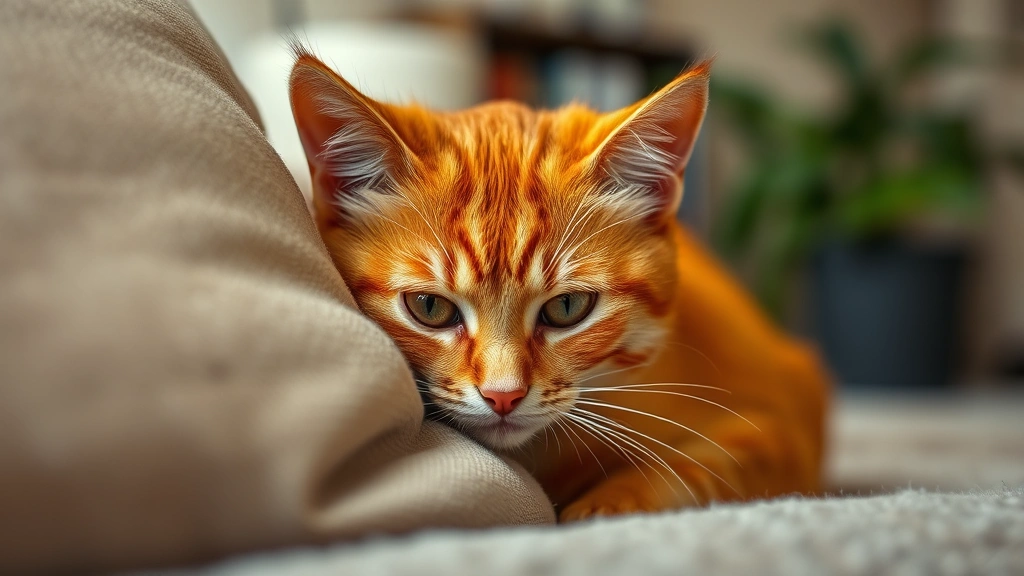
If you are unsure whether your pet needs urgent care, a quick telehealth check-in can give you peace of mind — no appointment needed. You can describe what you’re observing, get professional feedback, and decide on the best next steps together with your vet.
Common Causes of Cat Anxiety
Understanding what’s driving your cat’s anxiety is the first step toward relief. Some common triggers include:
- Environmental changes: Moving to a new home, new pets, or changes in household members
- Lack of vertical space or hiding spots: Cats feel safer when they can climb and retreat
- Loud noises: Thunderstorms, fireworks, or construction sounds
- Medical issues: Pain, illness, or hormonal changes can manifest as anxiety
- Separation anxiety: Stress when left alone for extended periods
- Inadequate enrichment: Boredom and lack of mental stimulation
- Social stress: Conflicts with other pets or unfamiliar people
During your online consultation, your vet can help pinpoint which of these might apply to your cat’s situation.
Management Strategies Your Vet Might Recommend
There are many effective ways to help reduce cat anxiety, and your vet will tailor recommendations to your specific situation. Common strategies include:
- Environmental enrichment: Cat trees, window perches, puzzle feeders, and interactive toys
- Safe spaces: Dedicated quiet areas where your cat can retreat and feel secure
- Consistent routine: Predictable feeding, play, and interaction schedules
- Pheromone products: Calming sprays or diffusers that mimic natural cat pheromones
- Behavioral modifications: Gradual desensitization to triggers
- Dietary adjustments: Ensuring proper nutrition to support overall wellness
Your vet may also discuss whether additional support, such as supplements or other interventions, could be beneficial for your cat’s specific situation.
When to Seek In-Person Veterinary Care
While telehealth is excellent for many anxiety discussions, some situations require an in-person examination. Your vet might recommend a clinic visit if they suspect an underlying medical condition causing the anxiety, or if your cat needs a thorough physical assessment.
Signs that warrant an in-person visit include sudden behavioral changes, loss of appetite lasting more than a day, or if your cat seems to be in pain. Your telehealth vet can help you determine whether an in-person appointment is necessary based on what they learn about your cat’s symptoms.
Related resources like our guide on cat shaking can also provide insight into other stress-related behaviors, and if you’re curious about how anxiety presents differently in other pets, check out our article on dog anxiety online consultations.
Building a Long-Term Anxiety Management Plan
Managing cat anxiety isn’t always a quick fix—it’s often a gradual process of adjustments and support. Your vet can help you create a realistic, sustainable plan that fits your lifestyle and your cat’s needs.
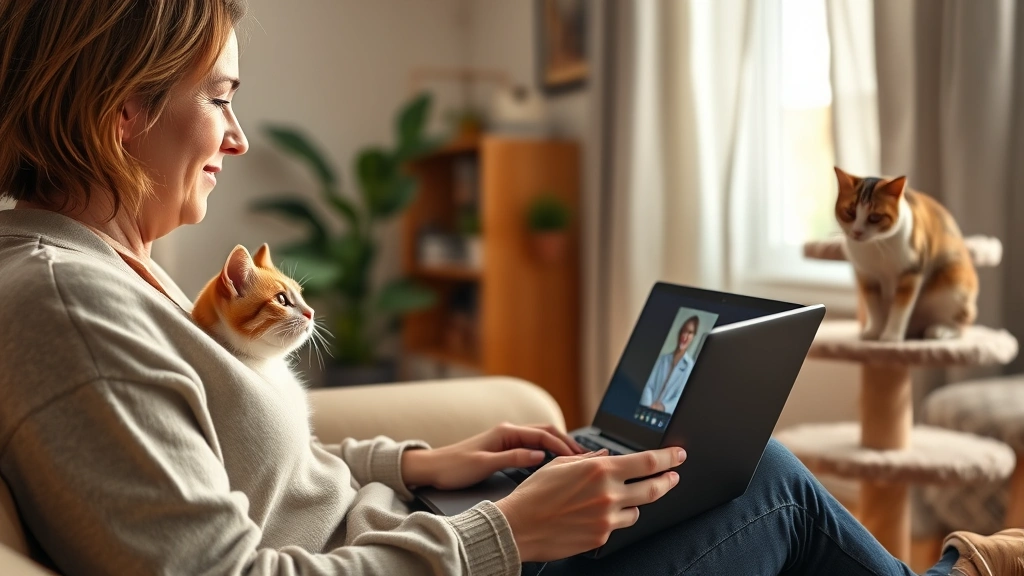
This might include regular check-ins via telehealth to monitor progress, adjustments to environmental changes, and tracking which strategies work best. Over time, you’ll develop a deeper understanding of your cat’s triggers and what helps them feel calm and secure.
Many cat owners find that combining multiple approaches—like environmental enrichment, routine, and behavioral support—yields the best results. Your vet is your partner in this process, and online consultations make it easy to stay connected and adjust your plan as needed.
Frequently Asked Questions
Can a vet diagnose cat anxiety through a video call?
Yes, vets can assess anxiety symptoms through telehealth by asking detailed questions about behavior, observing your cat, and discussing triggers. However, they may recommend an in-person visit to rule out medical causes first.
How much does an online vet consultation for cat anxiety cost?
Costs vary by platform and vet, but telehealth consultations are typically more affordable than in-person visits. The Pet Vet offers transparent pricing with no hidden fees.
What should I do to prepare for an online cat anxiety consultation?
Have your cat’s medical history ready, note specific behaviors and when they occur, and be prepared to describe your cat’s environment and routine. A quiet space for your video call helps too.
Is telehealth appropriate for severe cat anxiety?
Telehealth is great for initial assessment and management planning. If your cat’s anxiety is severe or accompanied by other symptoms, your vet may recommend an in-person evaluation to rule out medical issues.
Can my vet prescribe anxiety support through a telehealth visit?
Many vets can discuss supportive options during telehealth consultations, though some may require an in-person visit before prescribing certain treatments. Always confirm your vet’s specific policies.
What To Do Now
- Schedule a telehealth consultation: Book an appointment with The Pet Vet or your preferred online veterinary service to discuss your cat’s anxiety symptoms and get professional guidance.
- Document your observations: Keep notes on when anxiety occurs, what triggers it, and how your cat responds. This information will help your vet provide better recommendations.
- Evaluate your cat’s environment: Look for ways to create safe spaces, add enrichment, and reduce stressors while you wait for your consultation.
- Gather medical history: Have your cat’s vaccination records, past health issues, and current diet information ready to share with your vet.
- Follow up on recommendations: Once you have a plan from your vet, implement the suggested strategies consistently and schedule follow-up consultations to monitor progress.
Summary: Getting Help for Your Anxious Cat Has Never Been Easier
Yes, you can absolutely talk to a vet about cat anxiety online—and it’s often the most stress-free way to get the help your cat needs. Telehealth consultations remove barriers like travel stress and clinic anxiety while giving your vet a clearer picture of your cat’s home environment and triggers.
Whether your cat is hiding excessively, showing behavioral changes, or displaying signs of stress, an online consultation is a practical first step. Your vet can help you identify what’s driving the anxiety, rule out medical causes, and create a personalized management plan that works for your household.
The Pet Vet makes it simple to connect with licensed veterinarians who understand cat behavior and anxiety. With convenience, affordability, and professional expertise all in one place, you’re empowered to help your cat feel calmer and more secure. Reach out today—your anxious cat will thank you.