
Yes, you can absolutely talk to a vet about cat panting online, and it’s often a smart first step when you notice your feline friend breathing heavily or struggling to catch their breath. If your cat is panting more than usual, it’s natural to feel worried — cats don’t pant like dogs do, so when they do, it usually means something needs attention.
Table of Contents
- Why Cat Panting Should Never Be Ignored
- What Causes Cat Panting and When to Seek Help
- How Online Vet Consultations Work for Cat Panting
- When Your Cat Needs Emergency Care Instead
- The Advantages of Discussing Cat Panting Online First
- What Information to Have Ready for Your Online Vet Visit
- Related Respiratory Issues Your Vet May Discuss
- After Your Online Vet Consultation: What Comes Next
- Preventive Care: Reducing Cat Panting Risk
- Frequently Asked Questions
- What To Do Now
- Summary: Your Cat’s Panting Deserves Attention
This article is for informational purposes only and is not a substitute for professional veterinary advice. Always consult a licensed veterinarian for diagnosis and treatment.
Why Cat Panting Should Never Be Ignored
Unlike dogs, cats rarely pant under normal circumstances. When your cat is panting, it’s their way of signaling that something is off. Panting in cats can indicate anything from stress and overheating to serious respiratory or cardiac issues.
The good news? A telehealth vet can assess your cat’s symptoms quickly and help you figure out whether your pet needs urgent in-person care or if it’s something manageable from home. Catching this early puts you in a great position to help your cat feel better.
What Causes Cat Panting and When to Seek Help
Cat panting stems from several potential causes, some minor and others more serious. Understanding what might be happening helps you communicate better with your vet and take appropriate action.
Common causes include:
- Heat stress or overheating in warm environments
- Stress, anxiety, or fear (vet visits, travel, loud noises)
- Respiratory infections or upper airway issues
- Asthma or chronic respiratory disease
- Heart disease or cardiac problems
- Anemia or low oxygen levels in the blood
- Pain or discomfort from an underlying condition
- Obesity, which strains the respiratory system
Some causes are straightforward to manage, while others require prompt veterinary evaluation. This is exactly why an online vet consultation can be so valuable — you get professional guidance without the stress of a car ride for your cat.
How Online Vet Consultations Work for Cat Panting
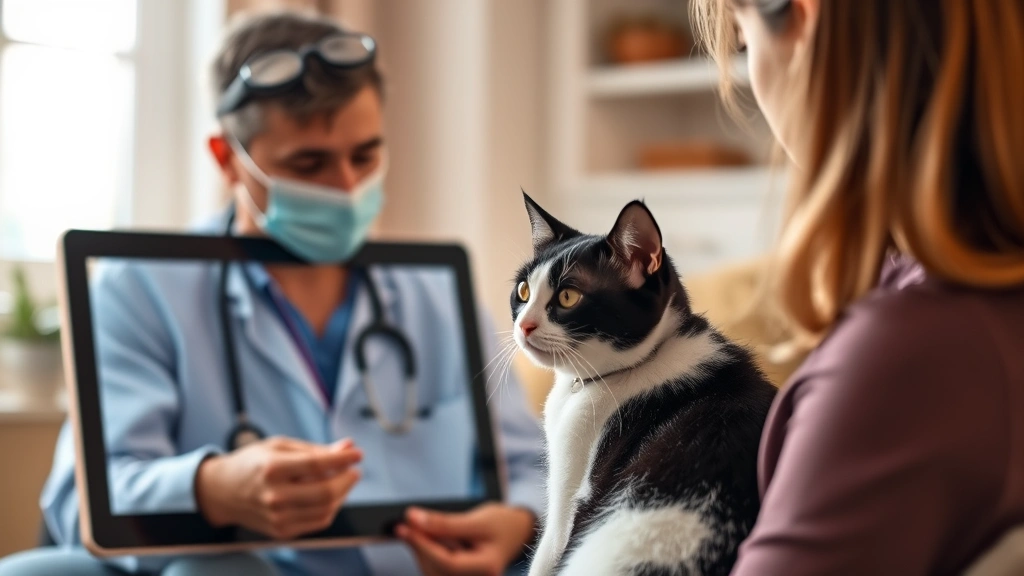
Telehealth veterinary visits are designed to be convenient and accessible. Here’s what you can typically expect when you connect with a vet online about your cat’s panting.
During a video consultation, your vet will ask detailed questions about when the panting started, how often it happens, and whether your cat shows other symptoms like lethargy, loss of appetite, or coughing. They’ll want to know your cat’s age, breed, medical history, and current medications.
Your vet may ask you to observe your cat’s breathing rate, body position, and behavior during the call. They might also request photos or videos of your cat panting so they can assess the severity and pattern.
If you’re unsure whether your pet needs urgent care, a quick telehealth check-in can give you peace of mind — no appointment needed. Many online vets can provide same-day or next-day appointments, which means you don’t have to wait days for answers.
When Your Cat Needs Emergency Care Instead
While telehealth is incredibly helpful, some situations require immediate in-person emergency veterinary care. Know the red flags so you can act fast if needed.
Seek emergency care immediately if your cat shows:
- Severe, rapid, or labored breathing (gasping for air)
- Pale or blue-tinged gums or tongue
- Drooling excessively or inability to swallow
- Loss of consciousness or collapse
- Open-mouth panting that won’t stop
- Extreme lethargy or unresponsiveness
- Wheezing or stridor (high-pitched breathing sounds)
If you see any of these signs, skip the telehealth visit and head to an emergency vet clinic. Time matters in respiratory emergencies. Catching this early puts you in a great position to help your cat survive and recover.
The Advantages of Discussing Cat Panting Online First
There are real benefits to starting with a telehealth consultation for non-emergency cat panting. You save time, reduce stress for your cat, and often get faster answers than waiting for an in-person appointment.
Key advantages include:
- Speed: Many online vets respond within hours or offer same-day appointments
- Stress reduction: Your cat stays home instead of dealing with car rides and clinic anxiety
- Cost-effective: Telehealth visits are often less expensive than traditional vet visits
- Expert guidance: You get professional medical advice to help you decide next steps
- Documentation: Your vet creates a record of the consultation for future reference
- Convenience: You can consult from home during times that work for your schedule
Many pet owners find that a quick online check-in gives them confidence about whether their cat truly needs an in-person exam or if home management is appropriate.
What Information to Have Ready for Your Online Vet Visit
Being prepared makes your telehealth consultation more productive and thorough. Gather these details before you connect with your vet.
Essential information to have on hand:
- Your cat’s age, weight, and breed
- Current medications or supplements your cat takes
- Recent medical history or health concerns
- When the panting started and how frequently it occurs
- Any other symptoms you’ve noticed (coughing, lethargy, appetite changes)
- Your cat’s normal breathing rate and behavior patterns
- Recent changes in environment, diet, or routine
- Photos or videos of your cat panting (if possible)
- Your cat’s vaccination records
- Previous vet reports or test results
Having this information ready means your vet can provide more accurate guidance and won’t need to schedule a follow-up call to gather details. It also shows your vet that you’re observant and engaged in your cat’s care.
Related Respiratory Issues Your Vet May Discuss
When you talk to a vet about cat panting, they might mention related respiratory conditions that could be contributing to the problem. Understanding these helps you make informed decisions about next steps.
If your cat has been coughing or showing other respiratory symptoms, your vet will want to rule out infections or chronic diseases. Cats with asthma, for example, often show panting along with coughing and wheezing.
Cardiac issues can also present as panting, especially in older cats. Your vet might recommend bloodwork or imaging to check your cat’s heart function if they suspect a cardiac cause.
For younger kittens, if you’re noticing kitten panting patterns, your vet will assess whether it’s normal play recovery or a sign of an underlying issue that needs monitoring.
After Your Online Vet Consultation: What Comes Next
Once you’ve spoken with a vet online about your cat’s panting, they’ll typically provide clear next steps based on their assessment. Understanding what comes after the call helps you feel prepared.
Your vet might recommend home observation with specific things to watch for. They could suggest scheduling an in-person exam if they need to do a physical assessment or run diagnostics. Some vets will prescribe medications or recommend dietary changes based on their findings.
Keep notes on your cat’s panting patterns after the consultation. If it worsens, changes, or new symptoms appear, contact your vet right away. This follow-up information helps your vet refine their diagnosis and treatment plan.
Many telehealth platforms allow you to message your vet with questions between visits, so don’t hesitate to reach out if something concerns you in the days following your consultation.
Preventive Care: Reducing Cat Panting Risk
While not all cat panting is preventable, certain steps can reduce the risk of stress-related or heat-related panting and support overall respiratory health.
Practical prevention strategies:
- Keep your home at a comfortable temperature, especially in summer
- Provide fresh water and shaded resting spots
- Minimize stress triggers like loud noises or sudden changes
- Maintain a healthy weight through proper diet and exercise
- Schedule regular wellness exams to catch early health issues
- Keep vaccinations current to prevent respiratory infections
- Avoid exposing your cat to smoke or air pollutants
- Monitor your cat’s behavior for early signs of illness
A healthy lifestyle and regular vet check-ups go a long way in preventing respiratory problems. When you do notice panting, you’ll know it’s worth investigating rather than dismissing it as normal.
Frequently Asked Questions
Is it normal for cats to pant?
Cats rarely pant under normal circumstances. While brief panting after play or in warm environments can be normal, persistent or frequent panting usually indicates something needs attention and warrants a vet consultation.
Can a vet diagnose cat panting through video alone?
A vet can gather important information and make preliminary assessments through video, but they may recommend an in-person exam or diagnostic tests (like bloodwork or X-rays) to confirm a diagnosis, especially if the cause isn’t immediately clear.
How quickly can I get an online vet appointment for my cat’s panting?
Many telehealth platforms offer same-day or next-day appointments. If your cat shows emergency signs like severe difficulty breathing, skip the online visit and go directly to an emergency veterinary clinic.
Will my cat’s panting go away on its own?
It depends on the cause. Stress-related or heat-related panting may resolve once the trigger is removed, but panting caused by infection, heart disease, or asthma requires veterinary treatment to improve.
What’s the difference between panting and normal heavy breathing in cats?
Panting involves rapid, open-mouth breathing, while normal breathing is quiet and closed-mouth. Panting is unusual in cats and typically signals distress or an underlying health issue that deserves professional evaluation.
What To Do Now
- Observe and document: Note when your cat pants, how long it lasts, and any other symptoms. Take a short video if possible to show your vet.
- Schedule a telehealth consultation: Contact The Pet Vet or another online veterinary service to discuss your cat’s panting with a licensed vet. It’s quick, affordable, and gives you expert guidance without leaving home.
- Gather medical information: Compile your cat’s age, weight, medical history, current medications, and vaccination records before your appointment.
- Prepare your environment: Ensure your cat is in a quiet, comfortable space during the video call so your vet can observe their breathing clearly.
- Follow up on recommendations: Whether your vet suggests home monitoring or an in-person visit, take action promptly and keep detailed notes on any changes in your cat’s condition.
Summary: Your Cat’s Panting Deserves Attention
Cat panting is a sign that something needs your attention, and talking to a vet about cat panting online is a practical, stress-free way to get answers. Telehealth consultations offer speed, convenience, and professional expertise without the hassle of traveling to a clinic.
Whether your cat’s panting is stress-related, heat-related, or caused by a more serious condition, an online vet can help you understand what’s happening and guide you toward the right next steps. If your cat shows emergency signs like severe difficulty breathing, go straight to an emergency clinic — but for most cases of concerning panting, a telehealth visit is an excellent starting point.
Don’t wait and wonder. Reach out to a vet today, get your cat evaluated, and give yourself the peace of mind that comes from knowing your pet is in good hands. Your cat will thank you for taking their respiratory health seriously.
This article is for general education and is not a substitute for care from your own veterinarian. Learn about The Pet Vet and our editorial policy.