
Yes, you can absolutely talk to a vet about kitten lethargy online, and it’s often the fastest way to get answers when your little furball seems unusually sleepy or unresponsive. If you’ve noticed your kitten sleeping more than usual, lacking energy during playtime, or just seeming “off,” reaching out to a veterinarian through telehealth can provide real peace of mind without the stress of traveling to a clinic.
Table of Contents
- Why Kitten Lethargy Worries Pet Owners
- What Is Kitten Lethargy and When Should You Worry?
- How Online Vet Consultations Work for Kitten Lethargy
- Advantages of Talking to a Vet Online About Your Kitten’s Lethargy
- What Information to Have Ready for Your Online Vet Visit
- Red Flags: When Your Kitten Needs More Than an Online Consultation
- Common Causes of Kitten Lethargy and What Vets Look For
- Virtual Kitten Vet Appointments: What to Expect
- When to Schedule an In-Person Exam After Your Online Consultation
- Related Health Concerns: Lethargy and Other Symptoms
- Cost and Insurance Considerations for Online Vet Visits
- Frequently Asked Questions
- What To Do Now
- Final Thoughts: You’re Not Alone in This
This article is for informational purposes only and is not a substitute for professional veterinary advice. Always consult a licensed veterinarian for diagnosis and treatment.
Why Kitten Lethargy Worries Pet Owners
When your kitten isn’t acting like their playful self, it’s natural to feel concerned. Kittens are typically bundles of energy, pouncing on toys, climbing furniture, and getting into everything. When that energy suddenly drops, something inside you knows something’s off.
Lethargy in kittens can signal anything from a minor issue to something more serious that needs prompt attention. The challenge is knowing whether it’s just a nap day or a genuine health concern. That uncertainty is exactly what makes online vet consultations so valuable—you don’t have to wonder alone.
What Is Kitten Lethargy and When Should You Worry?
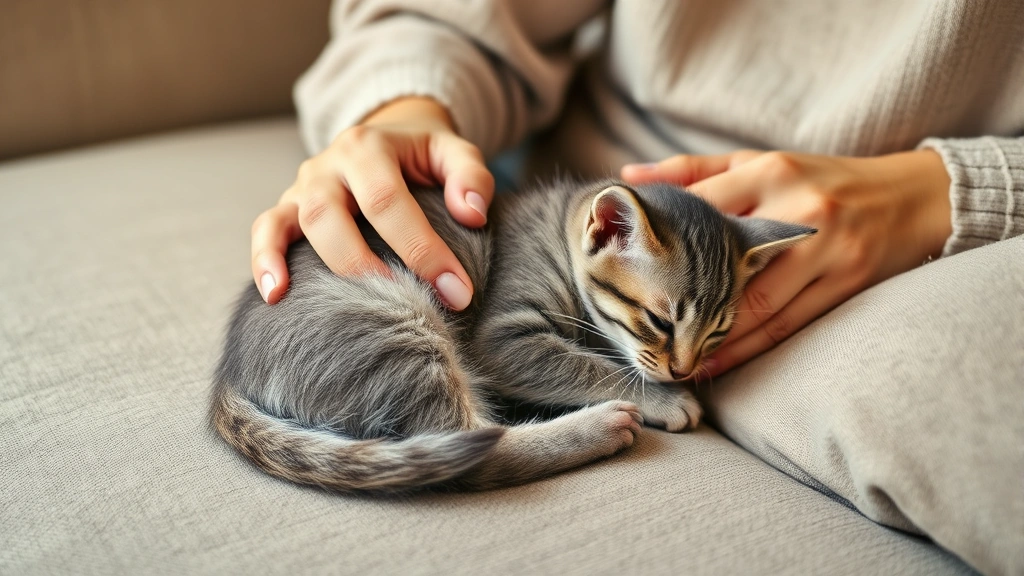
Kitten lethargy refers to a lack of energy, unusual drowsiness, or a noticeable decrease in activity levels. While kittens do sleep 16-20 hours a day (yes, really!), lethargy is different—it’s when they seem unresponsive, lack interest in food or play, or move slowly when they’re normally bouncing around.
Some causes of kitten lethargy may be experiencing include:
- Viral or bacterial infections
- Parasites or worm infestations
- Digestive upset or food sensitivities
- Dehydration
- Anemia or blood disorders
- Thyroid issues
- Stress or environmental changes
Catching this early puts you in a great position to help your kitten feel better quickly.
How Online Vet Consultations Work for Kitten Lethargy
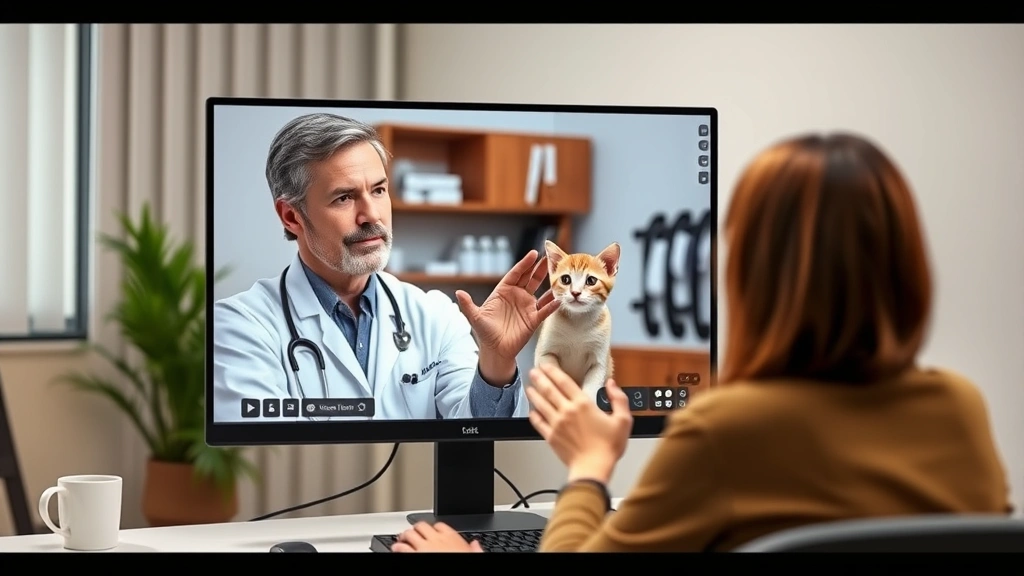
Telehealth veterinary visits have become incredibly streamlined. Here’s what typically happens: you book an appointment, describe your kitten’s symptoms to the vet via video call, and the vet asks targeted questions about behavior, appetite, bathroom habits, and any other observations you’ve made.
The vet may recommend at-home observations, suggest when an in-person exam is necessary, or provide initial guidance on next steps. For many cases of kitten lethargy, this remote consultation is enough to rule out emergencies and determine whether a physical exam is needed.
If you are unsure whether your pet needs urgent care, a quick telehealth check-in can give you peace of mind—no appointment needed.
Advantages of Talking to a Vet Online About Your Kitten’s Lethargy
Online consultations offer several real benefits for worried kitten owners:
- Speed: Get answers within minutes instead of waiting days for an appointment.
- Convenience: No car ride stress for your kitten or time off work for you.
- Lower cost: Telehealth visits are typically less expensive than in-clinic appointments.
- Documentation: You have a record of the consultation and vet’s recommendations.
- Peace of mind: A professional can quickly assess whether this is urgent or manageable at home.
These advantages make online vet consultations an excellent first step when you notice your kitten isn’t acting right.
What Information to Have Ready for Your Online Vet Visit
To make the most of your telehealth appointment, gather some key information beforehand. This helps the vet understand your kitten’s situation quickly and thoroughly.
Have these details ready:
- Your kitten’s age and weight
- When the lethargy started (hours or days ago?)
- Any changes in eating or drinking habits
- Bathroom behavior (normal, diarrhea, constipation, or changes?)
- Temperature if you’ve taken it
- Any vomiting or unusual sounds
- Recent diet changes or new foods
- Vaccination and deworming history
- Any medications or supplements your kitten is taking
- Video or photos showing your kitten’s behavior
The more details you provide, the better the vet can assess what might be going on.
Red Flags: When Your Kitten Needs More Than an Online Consultation
While telehealth is wonderful for many situations, some symptoms require immediate in-person care or emergency services. If your kitten is experiencing any of these, seek emergency veterinary care right away:
- Difficulty breathing or gasping for air
- Loss of consciousness or unresponsiveness
- Severe vomiting or inability to keep anything down
- Bloody diarrhea or stool
- Inability to urinate or defecate
- Extreme lethargy combined with fever
- Trauma from an accident or fall
- Pale or blue-tinged gums
Your kitten’s safety is the priority. When in doubt, contact an emergency vet clinic or call for immediate vet consultation.
Common Causes of Kitten Lethargy and What Vets Look For
During an online consultation, your vet will likely ask questions to narrow down potential causes. Understanding what they’re investigating helps you provide better answers.
Infections: Viral or bacterial infections are common in kittens and often cause lethargy along with other symptoms. Your vet may ask about sneezing, discharge, or fever.
Parasites: Internal parasites like roundworms or hookworms are extremely common in young kittens and directly cause energy loss. The vet will ask about your deworming schedule and whether you’ve seen worms in stool.
Digestive Issues: Kittens have sensitive digestive systems. Food changes, new treats, or eating something they shouldn’t can cause lethargy. Your vet will ask about recent diet changes and bathroom habits.
Dehydration: Kittens dehydrate quickly, especially if they’re not eating or drinking normally. The vet may ask about water intake and skin elasticity.
Each of these requires different approaches, which is why the vet’s questions matter so much during your online visit.
Virtual Kitten Vet Appointments: What to Expect
If you’ve never done a telehealth vet visit, here’s what a typical session looks like. You’ll join a video call at your scheduled time, and the vet will greet you and your kitten. Have your kitten nearby so the vet can see them on camera—their appearance, movement, and behavior all provide valuable clues.
The vet will ask their questions, listen carefully to your answers, and may ask you to perform simple observations (like checking your kitten’s gums or feeling their belly). After gathering information, the vet will discuss their findings and recommend next steps, whether that’s monitoring at home, scheduling an in-person exam, or other interventions.
Learn more about virtual kitten vet appointments to understand the full process.
When to Schedule an In-Person Exam After Your Online Consultation
Sometimes the online vet will recommend bringing your kitten in for a physical examination. This might happen if they need to check vital signs, palpate the abdomen, look at the ears and throat, or run blood work.
Don’t view this as a failure of the telehealth visit—it’s actually the system working exactly as it should. The online consultation helps you avoid unnecessary trips while ensuring your kitten gets the right level of care.
Trust your vet’s recommendation about whether an in-person visit is needed. They have the expertise to know when hands-on evaluation is essential.
Related Health Concerns: Lethargy and Other Symptoms
Kitten lethargy often doesn’t occur in isolation. Your kitten may also be showing signs like not eating or drinking normally, which compounds the concern.
If your kitten is lethargic and also displaying behavioral changes, kitten behavior problems can also be discussed online. Many conditions affect multiple systems, so mention everything you’ve noticed.
For adult cats, cat lethargy online consultations follow similar principles, though the underlying causes may differ slightly.
Cost and Insurance Considerations for Online Vet Visits
One of the biggest advantages of telehealth is affordability. Online consultations typically cost between $30-$75, significantly less than traditional clinic visits which often run $100-$200 or more.
Some pet insurance plans cover telehealth visits, while others don’t. Check your policy before your appointment so you know what to expect financially. Even without insurance coverage, the cost is usually reasonable for the convenience and peace of mind.
Many pet owners find that paying for a quick online consultation is worth it just to know whether their kitten needs emergency care or can be managed at home.
Frequently Asked Questions
Can a vet diagnose kitten lethargy through video alone?
A vet can often narrow down causes and determine urgency through video, but a definitive diagnosis may require physical examination and blood work. The online visit helps rule out emergencies and guide next steps.
How long does a telehealth kitten consultation usually take?
Most online vet consultations last 15-30 minutes, depending on the complexity of your kitten’s symptoms and how many questions the vet needs to ask.
What if the online vet says my kitten needs emergency care?
The vet will direct you to the nearest emergency veterinary clinic immediately. They may also call ahead to alert the clinic about your kitten’s condition so they’re prepared when you arrive.
Can I get a prescription from an online vet consultation?
Yes, many vets can prescribe medications during telehealth visits if appropriate. The prescription is typically sent electronically to your preferred pharmacy.
Is online vet care as good as in-person care for kitten lethargy?
For initial assessment and triage, online care is excellent and often faster. However, some cases require physical examination. The best approach often combines both—start online, then proceed to in-person care if needed.
What To Do Now
If your kitten is showing signs of lethargy, here are your next steps:
- Document observations: Write down when the lethargy started, any other symptoms, and your kitten’s recent behavior and eating habits.
- Book an online consultation: Schedule a telehealth appointment with a licensed veterinarian today to get professional guidance.
- Prepare your kitten’s information: Gather vaccination records, deworming history, and any medications your kitten is currently taking.
- Have your kitten nearby during the call: Keep your kitten close so the vet can observe them on video.
- Follow the vet’s recommendations: Whether they suggest monitoring, an in-person exam, or other steps, follow their guidance carefully.
Final Thoughts: You’re Not Alone in This
Noticing your kitten isn’t acting right is stressful, but you’ve already taken the right step by seeking information. The fact that you’re reading this and considering an online vet consultation shows you care deeply about your kitten’s wellbeing.
Yes, you can absolutely talk to a vet about kitten lethargy online, and it’s often the smartest first move. Telehealth veterinarians are real professionals with real expertise, ready to help you figure out what’s going on with your little one. Whether your kitten just needs rest, monitoring, or more intensive care, an online consultation gets you answers fast.
Your kitten is lucky to have someone watching out for them so carefully. Reach out to a vet today and get the peace of mind you deserve.
This article is for general education and is not a substitute for care from your own veterinarian. Learn about The Pet Vet and our editorial policy.