
Yes, you can absolutely talk to a vet about kitten limping online, and it’s often a smart first step when your little one starts favoring a paw or walking awkwardly. If you’ve noticed your kitten limping, you’re probably feeling worried—that’s completely natural. The good news? Telehealth veterinary services like The Pet Vet make it easier than ever to get professional guidance without leaving your home.
Table of Contents
- Why Your Kitten Might Be Limping
- How Online Vet Consultations Work for Limping Kittens
- What Information to Have Ready Before Your Online Vet Visit
- Common Causes of Kitten Limping and What Vets Look For
- When to Seek Immediate In-Person Care
- What to Expect After Your Online Vet Consultation
- Home Care Tips While You Wait for Your Appointment
- Why Choose Online Vet Care for Your Kitten’s Limping
- Questions to Ask Your Online Vet About Kitten Limping
- Building a Relationship with an Online Vet
- Frequently Asked Questions
- What To Do Now
- Summary
- Related Resources
This article is for informational purposes only and is not a substitute for professional veterinary advice. Always consult a licensed veterinarian for diagnosis and treatment.
Limping in kittens can happen for many reasons, some minor and some that need prompt attention. An online vet can help you figure out what’s going on, whether your kitten needs an in-person exam, or if home care might help. Let’s explore how online veterinary consultations work for limping kittens and what you can expect.
Why Your Kitten Might Be Limping
Kittens are playful and curious, which means they’re prone to minor injuries. Your kitten could be limping due to a small cut on their paw, a splinter, or a minor strain from jumping or running. These mild causes often resolve on their own or with basic home care.
However, limping can also signal something more serious. Conditions like arthritis, joint dysplasia, ligament injuries, or infections may be experiencing in kittens, though they’re less common at a young age. Catching issues early puts you in a great position to help your kitten feel better faster.
Sometimes kittens limp after trauma—being stepped on, falling, or getting caught in something. Other times, the cause isn’t obvious at all. This is exactly why talking to a vet about kitten limping online can be so valuable; a professional can ask the right questions and guide you toward the best next steps.
How Online Vet Consultations Work for Limping Kittens
Online veterinary consultations are straightforward and convenient. You’ll typically start by describing your kitten’s symptoms, including when the limping began, which leg is affected, and whether your kitten seems to be in pain. The vet may ask questions about recent activities, diet changes, or other behavioral shifts.
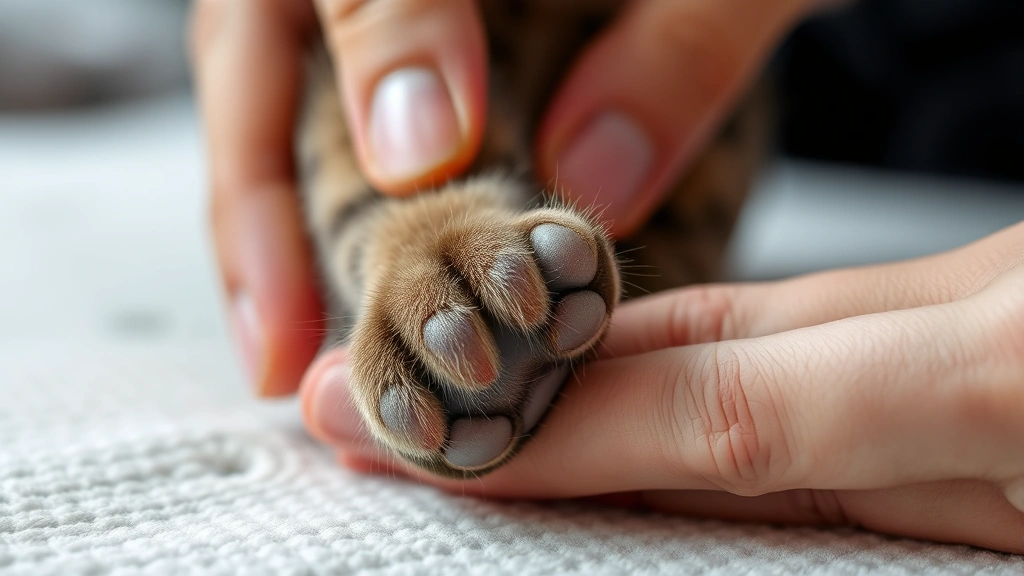
During a video call with an online vet, they can observe your kitten’s movement and posture. Many vets will ask you to gently move your kitten’s leg or paw to assess range of motion and pain response. This visual assessment combined with your detailed description helps the vet form a preliminary picture of what might be happening.
The beauty of telehealth is that it removes barriers—no travel time, no waiting room stress for you or your kitten, and often more affordable than an urgent care visit. If you are unsure whether your pet needs urgent care, a quick telehealth check-in can give you peace of mind — no appointment needed.
What Information to Have Ready Before Your Online Vet Visit
Preparation makes your consultation more productive. Gather some basic details before you log in: when you first noticed the limping, which leg or paw is affected, and whether your kitten has any other symptoms like fever, loss of appetite, or unusual behavior.
Have your kitten’s age, weight, and medical history available. If your kitten is on any medications or has known health conditions, share those details. It’s also helpful to note any recent injuries, outdoor exposure, or changes in your kitten’s environment.
Consider taking a short video of your kitten walking or playing before your appointment. This gives the vet a clear view of the limping pattern and can be really helpful during the consultation.
Common Causes of Kitten Limping and What Vets Look For
Vets typically consider several possibilities when evaluating a limping kitten. Paw injuries like cuts, splinters, or nail problems are among the most common and usually visible during an examination. Muscle strains or sprains from rough play are also frequent culprits, especially in active kittens.
Less common but more serious causes include bone fractures, ligament tears, or joint issues. Infections in the paw or leg may be experiencing in kittens that have been outdoors or have small wounds. Arthritis is rare in young kittens but can occur in certain breeds or after injury.
An online vet will help narrow down the possibilities based on your kitten’s age, activity level, and the pattern of limping. They may recommend an in-person visit with imaging (like X-rays) if they suspect something that requires hands-on examination or diagnostic tools.
When to Seek Immediate In-Person Care
While online consultations are fantastic for many situations, some signs warrant an immediate trip to an emergency clinic. If your kitten is unable to bear weight on the leg at all, shows signs of severe pain, or has an obvious deformity, get in-person care right away.
Limping combined with fever, lethargy, or difficulty breathing needs urgent evaluation. If your kitten won’t eat or seems extremely distressed, don’t wait for a scheduled telehealth appointment. In these cases, your local emergency veterinary clinic is the right choice.
Your online vet can also advise you on whether immediate care is necessary based on your description. They understand the difference between something that can wait and something that needs hands-on assessment today.
What to Expect After Your Online Vet Consultation
After your call, the vet will typically provide a summary of their findings and recommendations. This might include at-home care instructions like rest, gentle play restriction, or warm compresses. They may suggest monitoring your kitten for specific changes or improvements over the next few days.
If the vet believes an in-person exam is necessary, they’ll explain why and help you find a local veterinary clinic. Many online vets can coordinate with in-person facilities to ensure continuity of care. You’ll receive documentation of the consultation to share with your kitten’s regular vet if needed.
Follow-up is important too. A good online vet will encourage you to reach out if your kitten’s condition worsens or doesn’t improve as expected. This ongoing communication helps ensure your kitten gets the right care at the right time.
Home Care Tips While You Wait for Your Appointment
In the meantime, there are gentle things you can do to support your kitten’s comfort. Provide a quiet, comfortable space where your kitten can rest without pressure to play or jump. Limit strenuous activity and discourage climbing or jumping on furniture.
Keep an eye on the affected paw or leg. Check for swelling, redness, discharge, or anything lodged between the toes. If you spot a splinter or small foreign object and can safely remove it, do so gently. Warm (not hot) compresses applied for a few minutes can soothe minor discomfort.
Make sure your kitten has easy access to food, water, and the litter box. Pain or discomfort might make them reluctant to walk far, so positioning these essentials nearby helps. Monitor eating and bathroom habits—changes could signal that your kitten needs more urgent care.
Why Choose Online Vet Care for Your Kitten’s Limping
Telehealth veterinary services offer real advantages for pet owners facing uncertainty. You get professional guidance quickly, often within hours rather than days. This peace of mind alone is valuable when you’re worried about your kitten.
Online vet consultations are typically more affordable than emergency clinic visits, making them accessible when you need quick advice. They’re also less stressful for anxious kittens who dislike car rides or unfamiliar environments. Plus, you can have the consultation in a familiar, calm setting at home.
The Pet Vet and similar services connect you with licensed veterinarians who understand that your kitten’s health matters. They take your concerns seriously and provide thoughtful, individualized guidance based on your kitten’s unique situation.
Questions to Ask Your Online Vet About Kitten Limping
Come prepared with specific questions to get the most from your consultation. Ask about the likely cause of the limping, what you should monitor at home, and what signs would warrant emergency care. Clarify whether rest alone might help or if treatment is needed.
Don’t hesitate to ask about pain management options, activity restrictions, or when you should expect improvement. Request clear guidance on whether follow-up care is necessary and how to know if your kitten is getting better or worse.
Also ask about preventive measures. Understanding what led to the limping can help you avoid similar situations in the future. Your vet can offer practical tips tailored to your kitten’s age, breed, and lifestyle.
Building a Relationship with an Online Vet
One overlooked benefit of telehealth is the ability to build an ongoing relationship with a vet who knows your kitten’s history. When you use the same telehealth service regularly, your vet can reference previous consultations and provide more personalized care over time.
This continuity is especially valuable for kittens with recurring issues or those prone to injuries. Your online vet becomes familiar with your kitten’s baseline health and can spot changes more easily. They also learn your communication style and concerns, making future consultations smoother and more efficient.
Frequently Asked Questions
Can an online vet diagnose why my kitten is limping?
An online vet can often identify the likely cause based on your description and observation, but definitive diagnosis sometimes requires in-person examination or imaging like X-rays. They’ll guide you on whether further testing is needed.
Is it safe to wait for a telehealth appointment if my kitten is limping?
If your kitten is still bearing some weight on the leg and showing no signs of severe pain or fever, waiting for a telehealth appointment is usually safe. However, inability to use the leg at all warrants emergency care.
How long does a typical online vet consultation take?
Most telehealth consultations last 15-30 minutes, depending on the complexity of your kitten’s situation. The vet will take as much time as needed to understand your kitten’s symptoms and provide clear guidance.
Will my online vet be able to prescribe medication if needed?
Yes, licensed veterinarians providing telehealth services can prescribe medications in most cases. They’ll explain what the medication does and how to administer it to your kitten at home.
What if the online vet thinks my kitten needs in-person care?
The vet will explain why an in-person visit is necessary and help you find a nearby clinic. They may provide notes for the in-person vet to ensure continuity of care for your kitten.
What To Do Now
- Schedule your online vet consultation: Contact The Pet Vet or another telehealth provider and book an appointment for your kitten’s limping evaluation. Many services offer same-day or next-day availability.
- Gather kitten information: Compile your kitten’s age, weight, medical history, and details about when the limping started. Write down any other symptoms you’ve noticed to share with the vet.
- Restrict activity: Keep your kitten calm and limit jumping or rough play until you’ve spoken with a vet. Provide a comfortable resting area and easy access to food and water.
- Document the limping: Take a short video of your kitten walking if possible. This visual record helps the online vet assess the severity and pattern of the limp.
- Prepare follow-up questions: Write down any concerns or questions about treatment, prevention, or when to seek emergency care so you don’t forget during your consultation.
Summary
Yes, you can absolutely talk to a vet about kitten limping online, and it’s often the perfect first step when your kitten starts showing signs of discomfort or mobility issues. Online veterinary consultations offer convenience, affordability, and quick access to professional guidance without the stress of a clinic visit.
Whether the limping is from a minor injury or something that needs closer evaluation, an online vet can help you understand what’s happening and decide on the best path forward. They’ll either provide reassurance and home care guidance or recommend an in-person visit if necessary.
Your kitten’s health and comfort matter, and you don’t have to figure this out alone. Reach out to The Pet Vet or a trusted telehealth service today. Getting professional eyes on your kitten’s limping puts you in the best position to help them feel better and get back to their playful, happy self. You’re doing the right thing by seeking guidance—that’s what caring pet parents do.
Related Resources
If your kitten is showing other concerning signs alongside limping, these related articles may help:
- Can I Talk to a Vet About Kitten Breathing Fast Online – Learn how to assess and discuss respiratory changes with your vet.
- Ask Vet About Kitten Not Eating – Explore causes and solutions for appetite loss in kittens.
- Can I Talk to a Vet About Kitten Lethargy Online – Understand when kitten fatigue needs professional evaluation.
For broader information on joint health in pets, you might also find these resources helpful:
- PetMD’s comprehensive pet health information – Trusted resource for pet owners seeking veterinary guidance.
- American Veterinary Medical Association (AVMA) – Official source for veterinary care standards and pet health information.
This article is for general education and is not a substitute for care from your own veterinarian. Learn about The Pet Vet and our editorial policy.