
Yes, you can absolutely talk to a vet about cat limping online, and it’s becoming one of the quickest ways to get professional guidance when your feline friend isn’t moving quite right. If you’ve noticed your cat favoring one paw, moving stiffly, or refusing to jump like usual, that worried feeling is completely valid—and reaching out to a veterinarian doesn’t have to mean waiting days for an appointment or loading a stressed cat into a carrier.
Table of Contents
- Why Your Cat Might Be Limping
- The Advantages of Online Vet Consultations for Cat Limping
- What to Expect During an Online Vet Consultation
- When Online Consultation Is Enough
- When Your Cat Needs In-Person Examination
- How to Prepare for Your Online Vet Consultation
- Common Causes of Cat Limping Explained
- Red Flags That Require Immediate Care
- Supporting Your Cat’s Recovery at Home
- The Future of Pet Care: Why Telehealth Matters
- What To Do Now
- Frequently Asked Questions
- Summary
This article is for informational purposes only and is not a substitute for professional veterinary advice. Always consult a licensed veterinarian for diagnosis and treatment.
Limping in cats can stem from many different causes, ranging from minor sprains to more complex orthopedic issues. The good news? A telehealth vet can often help you understand what’s happening, whether your cat needs urgent care, and what steps to take next—all from the comfort of your home.
Why Your Cat Might Be Limping
Cats are naturally graceful, so when they start limping, it usually means something is bothering them. Your cat may be experiencing anything from a simple muscle strain after an enthusiastic play session to a more serious condition that requires immediate attention.
Common reasons for cat limping include:
- Muscle strains or sprains from jumping or playing
- Arthritis or joint pain, especially in older cats
- Paw pad injuries, cuts, or foreign objects
- Nail issues or overgrowth
- Infections in the paw or leg
- Fractures or bone injuries
- Soft tissue injuries affecting ligaments or tendons
Catching this early puts you in a great position to help your cat feel better faster. The sooner you get a professional opinion, the sooner you can provide relief.
The Advantages of Online Vet Consultations for Cat Limping
Telehealth veterinary care has transformed how pet owners access expert advice. When your cat is limping, an online vet consultation offers several real benefits that traditional in-person visits sometimes can’t match.
First, there’s convenience. You don’t need to wrestle your cat into a carrier, drive to a clinic, or wait in a crowded waiting room. Instead, you can connect with a licensed veterinarian from your couch within minutes. This is especially helpful if your cat is already uncomfortable or anxious about vet visits.
Second, telehealth often provides faster access to professional guidance. Rather than waiting days for an appointment, many online platforms connect you with a vet the same day. This means you get peace of mind sooner and can make informed decisions about whether your cat needs in-person examination or emergency care.
Third, online consultations are typically more affordable than in-person visits, making it easier to reach out when you’re unsure whether a problem warrants a full clinic appointment.
What to Expect During an Online Vet Consultation
If you’re new to telehealth for pets, you might wonder what actually happens during the call. The process is straightforward and designed to gather the information a vet needs to help your cat.
When you connect with a vet online about your cat’s limping, they’ll typically ask you:
- When did you first notice the limping?
- Which leg or paw is affected?
- Is the limping constant or does it come and go?
- Has your cat had any recent injuries or accidents?
- Are there any other symptoms (swelling, discharge, behavioral changes)?
- What is your cat’s age and overall health history?
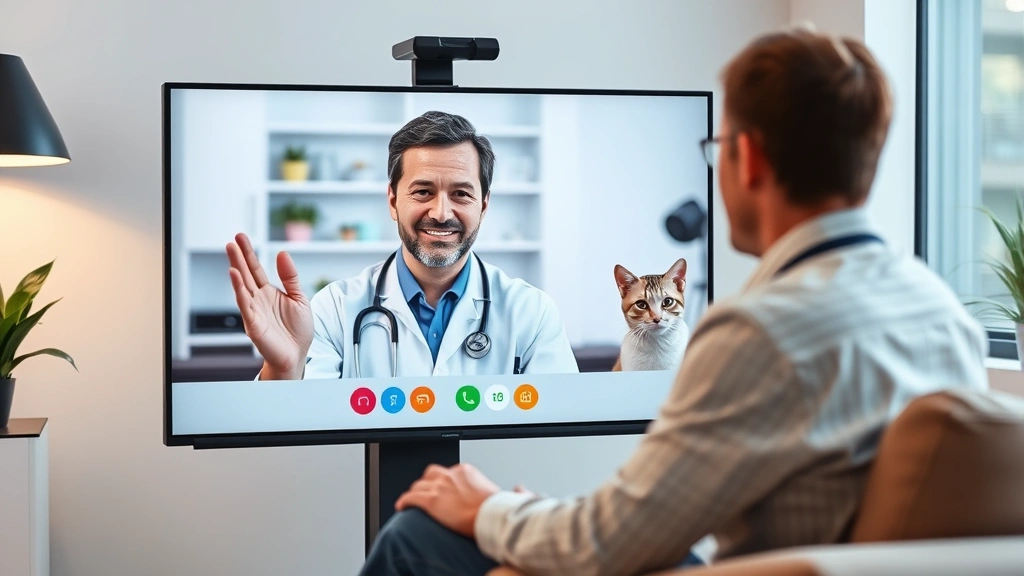
The vet will ask you to show them your cat’s affected leg or paw on video. They may ask you to gently touch or move the area so they can observe how your cat reacts. This visual assessment, combined with your detailed answers, helps the vet form an initial understanding of what might be happening.
Based on what they learn, the vet will discuss possible causes, recommend next steps, and let you know whether your cat needs an in-person examination or emergency care. If you are unsure whether your pet needs urgent care, a quick telehealth check-in can give you peace of mind—no appointment needed.
When Online Consultation Is Enough
Not every case of cat limping requires an in-person vet visit right away. An online consultation may be sufficient if your cat is showing mild symptoms and the vet can rule out emergencies.
For example, if your cat is limping slightly but eating normally, acting playful, and showing no signs of severe pain, a telehealth vet might recommend rest, monitoring, and a follow-up call in a few days. They may suggest gentle at-home care while you observe whether the limping improves.
Your online vet might also recommend over-the-counter supportive measures or lifestyle adjustments that could help. They’ll give you clear guidance on what to watch for and when to escalate to in-person care if things don’t improve.
When Your Cat Needs In-Person Examination
Some situations require a hands-on evaluation that only an in-person vet visit can provide. Your telehealth vet will be honest about this and help you arrange appropriate care.
You should seek in-person veterinary care if your cat shows:
- Severe pain or inability to bear weight on the leg
- Swelling, heat, or discharge from the paw or leg
- Signs of infection (fever, lethargy, loss of appetite)
- Limping that doesn’t improve after several days of rest
- Suspected fracture or serious injury
- Multiple limbs affected
In these cases, your online vet will recommend urgent or emergency care and may help you find a nearby clinic. They’re not trying to avoid seeing your cat—they’re ensuring your feline friend gets the right level of care for their specific situation.
How to Prepare for Your Online Vet Consultation
Getting ready for a telehealth appointment takes just a few minutes and can make the consultation much more productive.
Before your call, gather some helpful information:
- When did the limping start? (Be as specific as possible)
- Any recent changes in activity level or environment?
- Has your cat been outside or had access to new spaces?
- Current medications or health conditions?
- Recent injuries or incidents you remember?
Make sure you have a good internet connection and a quiet space where you can focus on the call. Have your cat nearby but not necessarily restrained—the vet will guide you on positioning. Good lighting helps the vet see your cat’s affected area clearly.
It’s also helpful to have your cat’s medical history available, including vaccination records and any previous health issues. This context helps the vet provide more personalized advice.
Common Causes of Cat Limping Explained
Understanding why cats limp can help you communicate better with your vet and know what to watch for at home. Different causes have different characteristics and timelines for improvement.
Soft Tissue Injuries: Muscle strains and sprains are among the most common causes of cat limping. These often happen during play or jumping and may improve with rest over several days. Your vet might recommend restricted activity and monitoring at home.
Arthritis: Older cats frequently develop arthritis, which causes stiffness and limping, especially after rest. This is a chronic condition that benefits from ongoing management strategies your vet can discuss during a telehealth consultation. Early intervention can significantly improve your cat’s quality of life.
Paw Pad Issues: Cats can cut their paw pads, get splinters, or develop infections. These are often visible during a video call, and your vet can advise on cleaning and monitoring. If infection is suspected, in-person care may be needed.
For more detailed information about specific injuries, you can explore resources like Achilles tendon injury in cats or carpal hyperextension in cats, which break down these specialized orthopedic conditions.
Red Flags That Require Immediate Care
While many cases of cat limping can be managed with telehealth guidance, some situations demand urgent attention. Knowing these red flags helps you act quickly when it matters most.
Contact an emergency vet immediately if your cat shows:
- Complete inability to use a limb or put any weight on it
- Severe swelling or visible deformity
- Open wounds, bleeding, or discharge
- Signs of shock (pale gums, rapid breathing, unresponsiveness)
- Extreme pain or vocalization when the leg is touched
- Fever combined with limping
These symptoms suggest fractures, severe infections, or other emergencies that need immediate hands-on evaluation and treatment. Don’t delay in these situations—get your cat to an emergency clinic right away.
Supporting Your Cat’s Recovery at Home
Once you’ve connected with a vet about your cat’s limping, there are several things you can do at home to support healing and comfort.

Your telehealth vet will likely recommend:
- Rest and restricted activity: Keep your cat calm and limit jumping or running. Create a comfortable, low-level space where your cat can rest without needing to climb stairs.
- Gentle observation: Monitor the limping daily. Take photos or videos to track changes and share with your vet during follow-ups.
- Pain management: Your vet may recommend specific approaches to keep your cat comfortable. Never give your cat medication without veterinary approval.
- Paw care: If the issue involves the paw, keep it clean and dry. Your vet will advise on bandaging or protective measures if needed.
- Nutrition: Ensure your cat is eating well and staying hydrated. Proper nutrition supports healing.
Most mild cases improve within a few days to a week with appropriate rest and care. If improvement stalls, your vet will adjust the plan.
The Future of Pet Care: Why Telehealth Matters
Telehealth veterinary services are changing how pet owners access care, and for good reason. They’re especially valuable for concerns like cat limping, where a quick professional assessment can save time, money, and stress.
The Pet Vet and similar platforms exist because we understand that pet health emergencies don’t always happen during convenient hours, and not every concern requires a full clinical workup. Sometimes, you just need to talk to a knowledgeable vet who can help you understand what’s happening and guide your next steps.
As telehealth continues to evolve, more pet owners are discovering that they can get professional veterinary guidance quickly and affordably. This accessibility means more pets get help sooner, which leads to better outcomes.
What To Do Now
If your cat is limping and you’re wondering what comes next, here’s your action plan:
- Observe and document: Note when the limping started, which leg is affected, and any other symptoms. Take a short video if possible to show your vet.
- Schedule a telehealth consultation: Connect with a licensed vet online today to discuss your cat’s limping. Most platforms offer same-day appointments with no waiting.
- Prepare your cat’s information: Gather your cat’s age, medical history, current medications, and any recent incidents or changes in behavior.
- Follow your vet’s recommendations: Whether they suggest home monitoring or in-person examination, follow their guidance closely and report back with updates.
- Schedule follow-up care if needed: If your vet recommends an in-person visit or wants to check in after a few days, get those appointments scheduled promptly.
Frequently Asked Questions
Can a vet diagnose a broken leg through a video call?
A telehealth vet can suspect a fracture based on your description and video observation, but they cannot definitively diagnose one without X-rays. They’ll recommend in-person examination if a fracture is suspected.
How long does a cat limping from a sprain take to heal?
Mild sprains often improve within 3-7 days with rest, while more serious strains may take 2-4 weeks. Your vet will give you a more specific timeline based on your cat’s situation.
Is it safe to give my cat pain medication without seeing a vet in person?
A telehealth vet can recommend pain management strategies, but they won’t prescribe medication without proper evaluation. For prescribed medications, in-person follow-up may be necessary.
What if my cat’s limping gets worse after a telehealth consultation?
Contact your vet immediately and let them know about the change. Worsening symptoms may indicate the need for urgent in-person care or a different treatment approach.
Can I use telehealth for follow-up visits after my cat sees a vet in person?
Absolutely. Many pet owners use telehealth for follow-up checks to monitor progress and adjust care plans without the hassle of another clinic visit.
Summary
Yes, you can absolutely talk to a vet about cat limping online, and it’s often the fastest way to get professional guidance when your feline friend isn’t moving right. Telehealth consultations offer convenience, quick access, and affordability while still providing expert assessment and recommendations.
During an online consultation, a licensed vet will ask detailed questions about your cat’s symptoms, observe the affected area on video, and help you determine whether home care is appropriate or in-person examination is needed. For mild cases, telehealth may be all you need. For serious concerns, your online vet will guide you toward emergency or urgent care.
If your cat is limping, don’t wait and worry alone. Reach out to a telehealth vet today and get the professional perspective that can help your cat feel better. Most cases improve quickly once you have the right guidance, and catching issues early often leads to the best outcomes.
If you’re also concerned about other symptoms, check out our guides on kitten limping, cat shaking, and cat lethargy. Your cat’s health is worth the few minutes it takes to get professional advice.
This article is for general education and is not a substitute for care from your own veterinarian. Learn about The Pet Vet and our editorial policy.