
If you’ve noticed your dog licking their paws constantly, it’s natural to wonder what’s going on—and whether you should ask vet about dog licking paws right away. This behavior can range from occasional grooming to obsessive licking that leaves your pup’s feet red, swollen, or raw. The good news? Most causes are manageable once you understand what’s driving the behavior.
Table of Contents
- Why Dogs Lick Their Paws: The Big Picture
- Allergies: The Most Common Culprit
- Infections: Bacterial and Yeast
- Parasites and Fleas
- Injuries, Foreign Objects, and Irritants
- Anxiety and Behavioral Licking
- Arthritis and Joint Pain
- What to Do Now: Your Action Plan
- Prevention Tips for Healthy Paws
- When to Seek Urgent Care
- Frequently Asked Questions
- Summary: Taking Action on Paw Licking
This article is for informational purposes only and is not a substitute for professional veterinary advice. Always consult a licensed veterinarian for diagnosis and treatment.
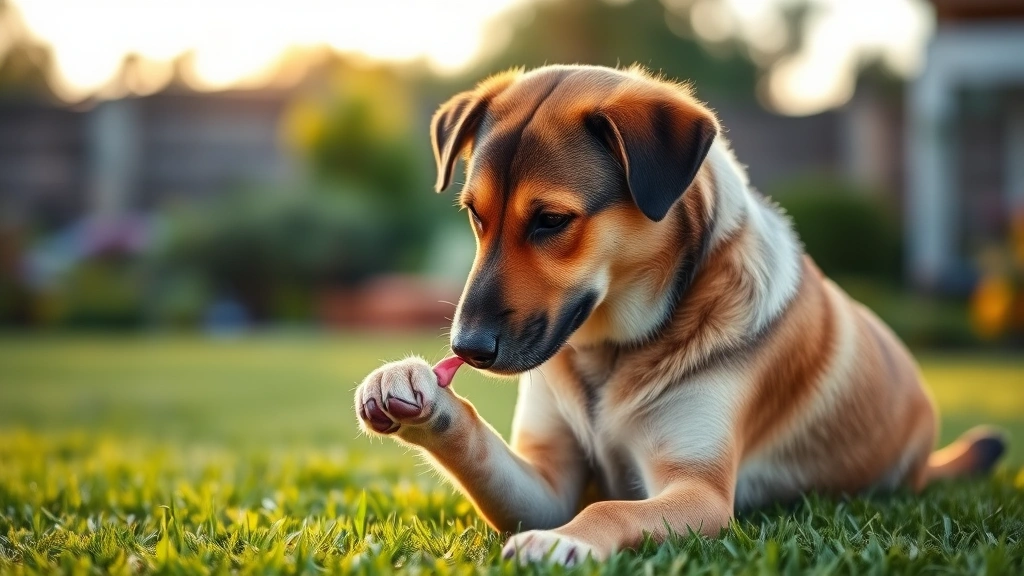
Paw licking is one of the most common complaints pet owners bring to their veterinarian. While sometimes it’s just your dog’s way of keeping clean, persistent licking often signals an underlying issue that deserves attention. Let’s explore the most frequent causes and what you can do about them.
Why Dogs Lick Their Paws: The Big Picture
Dogs lick their paws for many reasons. Some are behavioral, some are medical, and some are a mix of both. Understanding the root cause is the first step toward helping your furry friend feel better.
The paws are one of the most sensitive parts of a dog’s body. They contain scent glands, nerve endings, and delicate skin—all of which can become irritated or infected. When something bothers your dog, licking is their natural way of trying to soothe the discomfort.
Allergies: The Most Common Culprit
Allergies are the leading cause of excessive paw licking in dogs. These can be environmental (pollen, dust mites, mold) or food-related.
When your dog has allergies, their immune system overreacts to harmless substances, causing inflammation and itching. The paws are often the first place you’ll notice symptoms because they’re in constant contact with the ground and allergens.
Signs of allergic paw licking include:
- Red or pink discoloration between the toes
- Swelling of the paw pads
- A yeasty or musty odor
- Licking that intensifies during certain seasons
- Itching in other areas (ears, face, belly)
If allergies are the culprit, your vet may recommend dietary changes, supplements, or other management strategies. Learning more about dog skin allergies causes can help you identify environmental triggers in your home.
Infections: Bacterial and Yeast
Constant moisture from licking creates the perfect environment for bacterial and yeast infections. These secondary infections often develop when allergies or other irritants weaken the skin barrier.
Yeast infections are particularly common between the toes and have a distinctive musty smell. Bacterial infections may cause pustules, crusting, or drainage. Catching this early puts you in a great position to help your dog heal quickly.
Your vet can take a simple sample to identify the specific organism and recommend appropriate treatment. Don’t wait if you notice signs of infection—they tend to worsen without intervention.
Parasites and Fleas
Even if you use flea prevention, parasites can still irritate your dog’s skin and trigger excessive licking. Fleas don’t always have to be visible; sometimes just one flea bite causes intense itching in sensitive dogs.
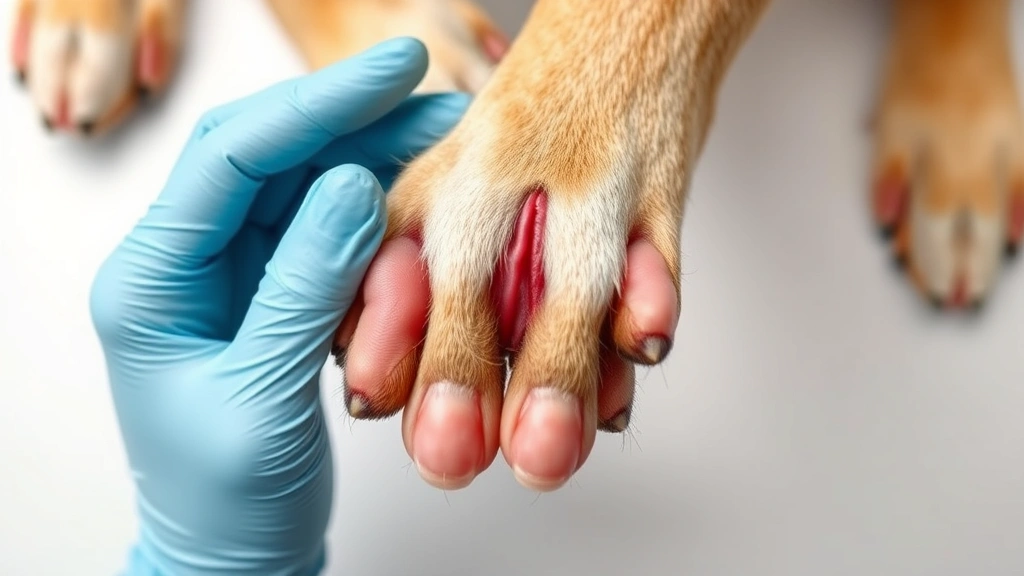
Mites, lice, and other parasites also target the paws and can cause localized or generalized itching. Understanding parasite prevention options helps ensure your dog stays protected year-round.
Regular parasite prevention is your best defense. Talk to your vet about the best option for your dog’s lifestyle and health status.
Injuries, Foreign Objects, and Irritants
Sometimes the answer is simpler: your dog may have a thorn, splinter, or piece of glass stuck in their paw. Cuts, abrasions, or burns (from hot pavement) also trigger licking.
Check your dog’s paws regularly, especially after walks. Look between the toes, under the nails, and on the paw pads. If you spot something embedded, remove it gently with tweezers if possible, or ask your vet for help.
Chemical irritants like road salt, pesticides, or cleaning products can also cause paw sensitivity. Rinsing your dog’s paws after outdoor time can help prevent this type of irritation.
Anxiety and Behavioral Licking
Not all paw licking is medical. Dogs may lick their paws when anxious, bored, or stressed. This is sometimes called acral lick dermatitis or lick granuloma.
Behavioral licking often becomes a self-soothing habit. The more your dog licks, the more their brain associates it with comfort, creating a cycle that’s hard to break.
Signs that licking is behavioral include:
- Licking that intensifies when your dog is alone or anxious
- No visible skin inflammation or infection
- Licking focused on one or two paws rather than all four
- Normal bloodwork and skin cultures
If your vet rules out medical causes, ask about environmental enrichment, exercise, and anxiety management strategies.
Arthritis and Joint Pain
Older dogs or those with joint problems may lick their paws as a response to pain. Arthritis, sprains, or other orthopedic issues can make the paw area feel uncomfortable.
This type of licking is usually localized to one or two paws and may be worse after exercise or in the morning. Your vet can assess your dog’s joints and recommend pain management if needed.
What to Do Now: Your Action Plan
If your dog is licking their paws excessively, here’s what to do:
- Schedule a vet appointment. Describe when the licking started, whether it’s seasonal, and what you’ve noticed about your dog’s skin and paws. Bring photos if the skin looks abnormal.
- Check the paws daily. Look for redness, swelling, discharge, odor, or foreign objects. This information helps your vet narrow down the cause.
- Keep a licking diary. Note when licking happens most (morning, evening, after walks, during stress) and whether it’s worse in certain seasons.
- Avoid home remedies without vet approval. While some soothe temporarily, they can mask underlying problems or make things worse.
- Consider a telehealth consultation. If you are unsure whether your pet needs urgent care, a quick telehealth check-in can give you peace of mind—no appointment needed.
Prevention Tips for Healthy Paws
Once you’ve identified the cause, these strategies help prevent future problems:
- Keep paws clean and dry, especially between the toes
- Trim hair between the toes to improve air circulation
- Use paw balm or protective booties in harsh weather
- Maintain consistent parasite prevention
- Provide mental stimulation and regular exercise to reduce anxiety
- Rinse paws after walks, especially in winter
- Consider an elimination diet feeding plan if food allergies are suspected
When to Seek Urgent Care
Most paw licking issues aren’t emergencies, but contact your vet right away if you notice:
- Severe swelling or heat in the paw
- Limping or inability to bear weight
- Bleeding or pus drainage
- Signs of infection spreading up the leg
- Your dog in obvious pain
These signs suggest an infection or injury that needs prompt attention.
Frequently Asked Questions
How often is it normal for dogs to lick their paws?
Light licking during grooming is normal. If your dog spends more than a few minutes per day licking their paws or does it obsessively, it’s worth investigating with your vet.
Can I use over-the-counter creams on my dog’s paws?
Some products are safe, but others can be toxic if ingested. Always ask your vet before applying anything to your dog’s skin, especially on areas they’ll lick.
Does diet play a role in paw licking?
Yes. Food allergies can trigger paw licking, and certain nutrients support skin health. Your vet can recommend dietary adjustments if needed.
Is paw licking contagious between dogs?
The underlying cause (like allergies or parasites) may affect multiple pets, but the licking behavior itself isn’t contagious. If one dog in your home is licking excessively, check the others for similar symptoms.
How long does it take to see improvement?
This depends on the cause. Parasitic or bacterial infections may improve in 1–2 weeks with treatment. Allergies require ongoing management and may take longer to show results.
Summary: Taking Action on Paw Licking
Excessive paw licking is your dog’s way of telling you something isn’t right. Whether it’s allergies, infections, parasites, pain, or anxiety, the solution starts with a conversation with your vet.
By observing your dog carefully, keeping notes, and seeking professional guidance, you’ll identify the root cause and create a plan to help your pup feel better. Remember, you know your dog best—trust your instincts and don’t hesitate to reach out to your veterinarian if something seems off.
Your dog’s comfort and health are worth the effort, and most paw licking issues respond well to the right approach.
This article is for general education and is not a substitute for care from your own veterinarian. Learn about The Pet Vet and our editorial policy.