
When your cat starts acting out of character, it’s natural to feel worried—and asking your vet about cat behavior problems is one of the smartest steps you can take. Behavioral issues in cats often have underlying medical or psychological roots, and understanding what’s driving the change is key to helping your furry friend feel better.
Table of Contents
- Why You Should Ask Your Vet About Cat Behavior Problems
- Common Cat Behavior Problems Worth Discussing With Your Vet
- How Vets Diagnose Behavioral Issues in Cats
- Medication Solutions for Cat Behavior Problems
- Creating a Behavior Plan With Your Vet
- When to Ask Your Vet for Urgent Help
- The Role of Telehealth in Behavioral Consultations
- Managing Expectations and Timelines
- Safety Considerations and Side Effects
- Alternative Approaches to Consider
- Frequently Asked Questions
- What To Do Now
- Summary
This article is for informational purposes only and is not a substitute for professional veterinary advice. Always consult a licensed veterinarian for diagnosis and treatment.
Why You Should Ask Your Vet About Cat Behavior Problems
Many cat owners assume behavioral changes are just personality quirks, but vets know better. Aggression, excessive meowing, inappropriate elimination, and destructive scratching can signal underlying health conditions, anxiety, or environmental stress.
Your veterinarian can rule out medical causes first—things like hyperthyroidism, urinary tract infections, or pain from arthritis often masquerade as behavior problems. Once medical issues are off the table, your vet can discuss behavioral management strategies and whether medication might help.
Catching behavioral issues early puts you in a great position to help your cat return to their normal self.
Common Cat Behavior Problems Worth Discussing With Your Vet
Not all behavior changes warrant medication, but knowing what to watch for helps you decide when to reach out. Here are some of the most common issues cat owners encounter:
- Inappropriate elimination: Urinating or defecating outside the litter box
- Aggression: Unprovoked attacks, excessive swatting, or biting during handling
- Excessive vocalization: Constant meowing, yowling, or crying
- Destructive behavior: Over-scratching furniture, walls, or excessive grooming
- Anxiety-related behaviors: Hiding, trembling, or loss of appetite during stressful situations
- Compulsive behaviors: Repetitive actions like wool chewing or pica
- Territorial marking: Spraying urine on vertical surfaces
Each of these behaviors can stem from different causes, which is why a thorough veterinary evaluation is so important.
How Vets Diagnose Behavioral Issues in Cats
Before recommending any medication, your vet will take a detailed history and perform a physical exam. They’ll ask about when the behavior started, what triggers it, and whether anything else has changed in your cat’s environment or routine.
Blood work and urinalysis often come next to rule out medical conditions. Some vets may also recommend a consultation with a veterinary behaviorist—a specialist trained in animal behavior modification—especially for complex cases.
This thorough approach ensures your cat gets the right solution, whether that’s environmental changes, behavioral training, medication, or a combination of approaches.
Medication Solutions for Cat Behavior Problems
When behavioral issues persist despite environmental modifications and training, medication can help. Here are seven categories of medications your vet might discuss:
1. SSRIs (Selective Serotonin Reuptake Inhibitors)
SSRIs are commonly prescribed for anxiety-driven behaviors in cats. These medications increase serotonin levels in the brain, helping reduce fear and compulsive behaviors. Many cats show improvement within 4-6 weeks of starting treatment.
SSRIs may be recommended for cats experiencing inappropriate elimination due to anxiety, excessive vocalization, or aggressive behaviors rooted in fear.
2. Tricyclic Antidepressants
These older-class antidepressants work differently than SSRIs and can be effective for cats with anxiety and certain behavioral issues. Your vet may consider this option if SSRIs haven’t produced the desired results or if your cat has specific behavioral patterns that respond better to this medication class.
3. Benzodiazepines
Short-acting anti-anxiety medications, benzodiazepines can provide quick relief during stressful situations. They’re often used alongside longer-term medications and may be prescribed for cats facing specific triggers like vet visits or household changes.
These medications work quickly but aren’t meant for long-term daily use due to dependency risks.
4. Buspirone
This anti-anxiety medication is gentler than benzodiazepines and suitable for longer-term use. Buspirone may help cats with generalized anxiety or fear-based aggression, though it typically takes 2-3 weeks to show effects.
5. Progestins
These hormone-based medications can help reduce territorial aggression and urine marking in intact cats. Your vet might recommend this option if spaying or neutering isn’t possible or if the behavior persists after these procedures.
6. Beta-Blockers
Originally developed for heart conditions, beta-blockers can reduce the physical anxiety symptoms that drive some behaviors. They may help cats with fear-based aggression or anxiety-related elimination issues.
7. Pheromone-Based Supplements
While not traditional medications, synthetic feline pheromone products (like Feliway) can calm anxious cats. These work alongside behavioral modification and may reduce the need for stronger medications in some cases.
Creating a Behavior Plan With Your Vet
Medication works best when paired with environmental and behavioral modifications. Your vet should discuss a comprehensive plan that might include:
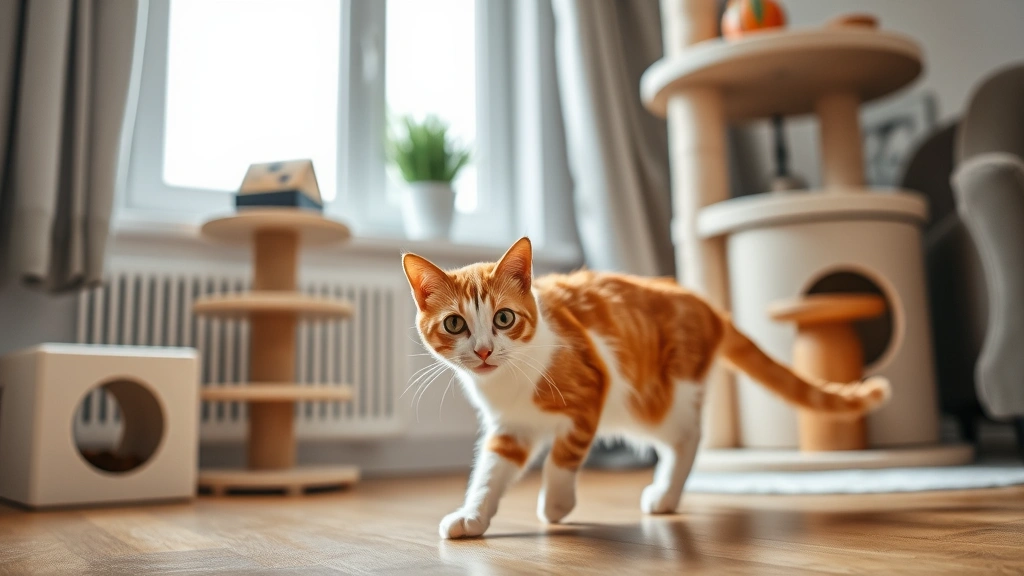
- Environmental enrichment (cat trees, puzzle feeders, window perches)
- Stress reduction techniques (creating safe spaces, maintaining routines)
- Litter box management (number, location, type of litter)
- Play and exercise routines tailored to your cat’s age and energy level
- Gradual exposure to triggers if fear-based behaviors are involved
A solid behavior plan addresses root causes rather than just masking symptoms, giving your cat the best chance at long-term improvement.
When to Ask Your Vet for Urgent Help
Some behavioral changes need immediate attention. Contact your vet right away if your cat shows:
- Sudden aggression toward people or other pets
- Complete loss of appetite lasting more than 24 hours
- Inability to urinate or defecate
- Signs of pain (limping, sensitivity to touch, hunched posture)
- Extreme lethargy or unresponsiveness
If you’re unsure whether your cat needs urgent care, a quick telehealth check-in with The Pet Vet can give you peace of mind—no appointment needed. Our vets can assess your cat’s symptoms and advise you on next steps.
The Role of Telehealth in Behavioral Consultations
Online veterinary visits are increasingly popular for behavioral consultations. Your vet can observe your cat in their home environment and discuss triggers more naturally than in a clinic setting. Telehealth is also convenient for follow-up visits to monitor medication effectiveness.
For initial behavioral concerns, a telehealth consultation can help you decide whether your cat needs in-person bloodwork or a specialist referral. Many cat owners find that starting with an online vet visit saves time and reduces their cat’s stress.
Managing Expectations and Timelines
Behavioral improvement doesn’t happen overnight. Most medications take 2-6 weeks to show noticeable effects, and some cats may need dosage adjustments or medication changes before finding the right fit.
Your vet will schedule follow-up visits to assess progress and make adjustments as needed. Patience and consistency with both medication and behavioral modifications are essential for success.
Many cats show significant improvement within 8-12 weeks of starting a comprehensive behavior plan.
Safety Considerations and Side Effects
All medications carry potential side effects, though many cats tolerate behavioral medications well. Common side effects might include drowsiness, appetite changes, or mild gastrointestinal upset.
Your vet will discuss potential side effects and monitor your cat during treatment. Regular check-ins help catch any concerns early and ensure the medication is working as intended.
Alternative Approaches to Consider
Before or alongside medication, your vet might recommend behavioral therapy, environmental modifications, or consultation with a veterinary behaviorist. Some cats respond well to these approaches alone, while others benefit from a combination strategy.
Additionally, addressing underlying health issues—like cat not eating, excessive paw licking, or itching—can sometimes resolve behavioral issues without medication.
Frequently Asked Questions
Can I ask my vet about cat behavior problems during a regular checkup?
Absolutely. Mention behavioral changes during routine visits, though a dedicated behavioral consultation may give you more time to discuss details and explore solutions thoroughly.
How much do behavioral medications for cats cost?
Costs vary widely depending on the medication and your location, but behavioral medications are generally affordable. Your vet can discuss pricing and whether your pet insurance covers behavioral treatment.
Will my cat need to stay on behavioral medication forever?
Not necessarily. Some cats improve enough to reduce or discontinue medication after several months, while others benefit from long-term treatment. Your vet will help determine the best timeline for your individual cat.
Are behavioral medications safe for senior cats?
Many behavioral medications are safe for older cats, but your vet may recommend bloodwork first to ensure your senior cat’s liver and kidneys are functioning well. Dosages may need adjustment for senior cats.
What if medication doesn’t work for my cat’s behavior?
If one medication isn’t effective, your vet may try a different class of medication or dosage. A referral to a veterinary behaviorist can also help identify behavioral strategies you might not have tried yet.
What To Do Now
- Schedule a veterinary appointment: Call your vet or book a telehealth visit through The Pet Vet to discuss your cat’s specific behavior concerns. Provide details about when the behavior started and what triggers it.
- Document the behavior: Keep a brief log of incidents—what happened, when, and what your cat was doing before. This information helps your vet identify patterns and underlying causes.
- Prepare your home: While waiting for your appointment, ensure your cat has adequate litter boxes (one per cat plus one extra), hiding spots, and enrichment toys to reduce stress.
- List your questions: Write down specific behaviors you’ve noticed and any concerns about medication side effects or costs so you don’t forget to ask during your consultation.
- Follow through with recommendations: Once your vet provides a behavior plan, commit to environmental changes and medication schedules consistently—consistency is crucial for success.
Summary
When you ask your vet about cat behavior problems, you’re taking an important step toward understanding and helping your feline companion. Behavioral issues often have treatable causes, whether medical, environmental, or psychological.
Your veterinarian can rule out health conditions, discuss medication options if appropriate, and create a comprehensive behavior plan tailored to your cat’s needs. Medications like SSRIs, benzodiazepines, and other behavioral drugs can be effective tools when combined with environmental modifications and patience.
Remember that improvement takes time, and finding the right approach may involve some trial and adjustment. With your vet’s guidance and your commitment to your cat’s wellbeing, most behavioral issues improve significantly. If you’re ready to get started, reach out to The Pet Vet today for a convenient telehealth consultation—your cat’s better days are ahead.