
If your puppy has diarrhea, you’re probably worried—and that’s completely understandable. Loose stools in young dogs can happen for so many reasons, from dietary changes to infections, and figuring out what’s going on can feel overwhelming. The good news? Knowing what to talk to vet about puppy diarrhea will help you get answers faster and feel more confident in caring for your pup.
Table of Contents
- Why Your Puppy May Be Experiencing Diarrhea
- Question 1: How Long Has This Been Going On?
- Question 2: What Does the Stool Look Like?
- Question 3: Has Anything Changed in Your Puppy’s Diet or Environment Recently?
- Question 4: Is Your Puppy Showing Any Other Symptoms?
- Question 5: Has Your Puppy Been Vaccinated and Dewormed?
- Question 6: What Should You Feed Your Puppy While They’re Recovering?
- Question 7: When Should You Seek Emergency Care?
- How to Prepare for Your Vet Appointment
- What to Expect During the Exam
- Home Care Tips While You Wait for Your Appointment
- Understanding Puppy Diarrhea Causes and Prevention
- Frequently Asked Questions
- What to Do Now
- Summary: Taking Action on Puppy Diarrhea
This article is for informational purposes only and is not a substitute for professional veterinary advice. Always consult a licensed veterinarian for diagnosis and treatment.
Your veterinarian is your best resource when your puppy isn’t feeling well. But walking into that appointment without a clear picture of what’s been happening can make it harder to get the help you need. This guide walks you through the most important questions to ask, what information to gather beforehand, and how to recognize when your puppy needs urgent care.
Why Your Puppy May Be Experiencing Diarrhea
Puppy diarrhea is incredibly common, especially in young dogs whose digestive systems are still developing. The causes range from harmless to serious, which is why talking to your vet matters so much.
Common triggers include dietary changes (like switching food brands too quickly), eating something they shouldn’t have, parasites, bacterial or viral infections, food sensitivities, and even stress from a new environment. Catching this early puts you in a great position to help your puppy feel better fast.
Puppies are naturally curious and love to explore with their mouths. They may eat grass, dirt, or other things that upset their stomachs. This is normal puppy behavior, but it’s also why diarrhea happens so often in young dogs.
Question 1: How Long Has This Been Going On?
Your vet will want to know exactly when the diarrhea started. Was it yesterday, or has it been going on for a week? This timeline helps your veterinarian narrow down potential causes.
Short-term diarrhea (24 to 48 hours) is often less concerning than chronic loose stools. If your puppy has had diarrhea for more than a few days, your vet may want to run tests to rule out infections or parasites.
Keep track of when you first noticed the problem and whether it’s getting better, staying the same, or getting worse. This information is gold for your vet.
Question 2: What Does the Stool Look Like?
This might feel awkward to discuss, but stool appearance tells your vet a lot. Is it watery? Pasty? Does it have blood or mucus in it? Are there any visible worms or undigested food?
Bloody diarrhea or diarrhea with mucus may suggest inflammation in the intestines. Watery stools could point to viral infections or parasites. Bringing a photo (or a fresh sample in a bag) can help your vet assess the situation more accurately.
Your vet might ask about color too—pale, gray, or oily-looking stools can indicate different issues than brown diarrhea.
Question 3: Has Anything Changed in Your Puppy’s Diet or Environment Recently?
Puppies are sensitive to change. A new food brand, switching from puppy formula to adult food, or even adding treats can upset their stomachs. Similarly, moving to a new home, meeting new pets, or traveling can cause stress-related digestive upset.
Think about what’s been different in the past week or two. Did you recently bring your puppy home from a breeder or shelter? Did you introduce new treats or table scraps? These details help your vet understand what might be triggering the diarrhea.
If you changed foods, tell your vet how quickly you made the switch. The best practice is to gradually mix new food with the old food over 7 to 10 days, but sometimes diarrhea happens even with a slower transition.
Question 4: Is Your Puppy Showing Any Other Symptoms?
Diarrhea rarely happens in isolation. Your puppy may also be vomiting, acting lethargic, refusing food, or having a fever. These additional symptoms help your vet piece together the bigger picture.
- Vomiting along with diarrhea: May suggest a viral infection, parasites, or food poisoning
- Lethargy or loss of appetite: Could indicate a more serious infection or systemic issue
- Fever: Often points to a bacterial or viral infection
- Abdominal pain: Your puppy may whine, have a hunched posture, or resist being touched on the belly
- Excessive gas or bloating: May suggest dietary sensitivities or malabsorption
Don’t downplay these symptoms—even small changes in behavior matter when you’re trying to figure out what’s wrong.
Question 5: Has Your Puppy Been Vaccinated and Dewormed?
Parasites are one of the most common causes of diarrhea in puppies. Knowing your puppy’s deworming and vaccination history helps your vet decide whether testing is necessary.
Puppies typically need multiple deworming treatments and vaccination boosters in their first few months of life. If your puppy hasn’t completed their vaccination series or deworming protocol, parasites could be the culprit.
Bring your puppy’s medical records or vaccination card to your appointment. This saves time and ensures your vet has accurate information about what preventive care your puppy has already received.
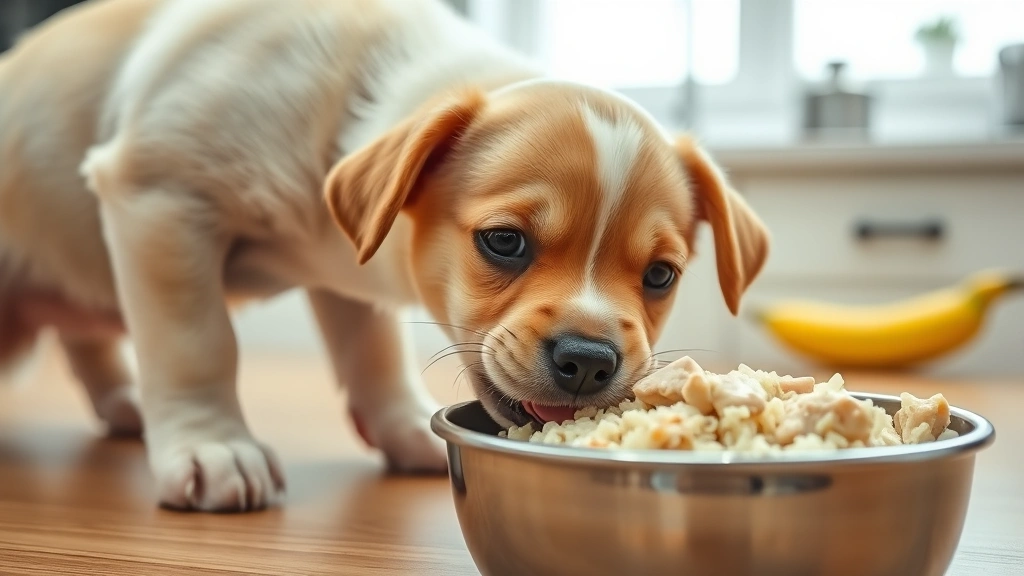
Question 6: What Should You Feed Your Puppy While They’re Recovering?
Your vet may recommend a temporary diet change to help settle your puppy’s stomach. Some vets suggest a bland diet of boiled chicken and rice, while others may recommend a prescription digestive diet.
Ask your vet specifically what foods are safe during recovery and how long to stick with the bland diet before transitioning back to regular puppy food. The timeline matters—transitioning too quickly can bring the diarrhea back.
Also ask whether any treats, table scraps, or additions are off-limits during the recovery period. Even small amounts of the wrong food can upset a sensitive puppy stomach.
Question 7: When Should You Seek Emergency Care?
Not all puppy diarrhea requires an emergency visit, but some situations do. Knowing the red flags helps you act quickly if things get worse.
Seek immediate veterinary care if your puppy:
- Shows signs of severe dehydration (dry gums, lethargy, sunken eyes)
- Has bloody diarrhea with mucus or severe straining
- Is vomiting repeatedly and can’t keep water down
- Has a fever above 103°F (39.4°C)
- Shows signs of severe abdominal pain or distension
- Is a very young puppy (under 8 weeks old) with diarrhea
- Has diarrhea lasting more than 3 to 5 days despite home care
When in doubt, it’s better to check in with your vet than to wait and hope things improve on their own. If you are unsure whether your pet needs urgent care, a quick telehealth check-in can give you peace of mind—no appointment needed.
How to Prepare for Your Vet Appointment
Walking in prepared makes the visit more productive. Write down the answers to the seven questions above before you go. Include dates, times, and specific observations about your puppy’s behavior and stool.
Bring any relevant items: a fresh stool sample in a clean container, your puppy’s vaccination and deworming records, a list of any foods or treats given recently, and notes about any medications or supplements your puppy is taking.
If your puppy has been sick multiple times, take a photo of the diarrhea (or bring a fresh sample). Visual information helps your vet assess severity and potential causes more quickly.
What to Expect During the Exam
Your vet will perform a physical examination, checking your puppy’s temperature, hydration status, and abdominal tenderness. They’ll ask follow-up questions based on what you’ve told them and what they observe.
Depending on the findings, your vet may recommend fecal testing to check for parasites, blood work to rule out infections or other issues, or simply home care with monitoring. Not every case of puppy diarrhea requires extensive testing, but your vet will let you know what’s necessary.
Ask your vet about the timeline for improvement. Most cases of simple dietary diarrhea improve within 24 to 48 hours of dietary changes, but more serious cases may take longer.
Home Care Tips While You Wait for Your Appointment
If your puppy’s diarrhea is mild and they’re otherwise acting normal, a few home care steps can help while you arrange a vet visit:
- Keep your puppy hydrated: Offer fresh water frequently. If your puppy won’t drink, try offering water in a bowl or using a dropper to give small amounts by mouth.
- Avoid food for 12 to 24 hours: A short fast can help settle the digestive system, but check with your vet first, especially for very young puppies.
- Introduce bland foods gradually: Once your puppy starts eating again, offer small amounts of boiled chicken and plain rice.
- Monitor bathroom habits: Keep track of how often your puppy has diarrhea and any changes in appearance or frequency.
- Prevent access to problem foods: Keep your puppy away from garbage, human food, and anything they might have eaten that triggered the diarrhea.
These steps provide comfort and support, but they’re not a substitute for professional veterinary care—especially if diarrhea persists or worsens.
Understanding Puppy Diarrhea Causes and Prevention
Prevention is always easier than treatment. Understanding common causes helps you protect your puppy from unnecessary digestive upset.
Dietary causes include food sensitivities, rapid food changes, and eating inappropriate items. Prevent these by transitioning foods slowly, keeping human food and garbage out of reach, and supervising your puppy closely during playtime.
Infectious causes (parasites, bacteria, viruses) are best prevented through proper vaccination, regular deworming, and good hygiene. Keep your puppy’s living space clean and wash your hands after handling other dogs.
Stress-related diarrhea can happen when puppies experience major changes. Help your puppy adjust by maintaining a consistent routine, providing a safe space, and using positive reinforcement during transitions.
Frequently Asked Questions
Can I treat puppy diarrhea at home without seeing a vet?
Mild diarrhea lasting less than 24 hours can sometimes improve with home care like fasting and a bland diet. However, if diarrhea persists beyond 48 hours, includes blood, or your puppy shows other symptoms, veterinary care is essential.
Is puppy diarrhea always a sign of parasites?
No—while parasites are a common cause, diarrhea can also result from dietary changes, infections, stress, or food sensitivities. Only a vet can determine the actual cause through examination and testing.
How much water should a puppy with diarrhea drink?
Offer water frequently in small amounts to prevent dehydration without overwhelming the digestive system. Your vet can give you specific guidance based on your puppy’s size and severity of diarrhea.
When is puppy diarrhea considered an emergency?
Seek emergency care if your puppy has bloody diarrhea, severe lethargy, repeated vomiting, signs of dehydration, or diarrhea lasting more than 3 to 5 days. Trust your instincts—when something feels seriously wrong, get help immediately.
Can I give my puppy over-the-counter anti-diarrhea medication?
Never give your puppy medication without veterinary approval. Some over-the-counter products are unsafe for puppies or can mask serious underlying conditions that need treatment.
What to Do Now
Don’t wait if your puppy’s diarrhea is concerning you. Take these steps today:
- Schedule a vet appointment: Call your regular vet or contact an emergency clinic if symptoms are severe. If you prefer convenience, you can also start with a telehealth consultation to discuss your puppy’s symptoms and get initial guidance.
- Gather information: Write down when the diarrhea started, what it looks like, any diet changes, other symptoms, and your puppy’s vaccination history. Having this ready speeds up your appointment.
- Monitor your puppy closely: Track bathroom frequency, stool appearance, appetite, energy level, and any new symptoms. This information is invaluable for your vet.
- Prevent dehydration: Offer fresh water frequently and watch for signs of dehydration like dry gums or excessive lethargy.
- Keep your puppy comfortable: Provide a clean, quiet space where your puppy can rest. Minimize stress and avoid introducing new foods until your vet gives the all-clear.
Summary: Taking Action on Puppy Diarrhea
Puppy diarrhea can be stressful, but you’re already taking the right step by seeking information and planning to talk to vet about puppy diarrhea. Most cases resolve quickly with proper care and guidance.
The seven questions outlined here—about duration, stool appearance, dietary changes, other symptoms, vaccination history, feeding during recovery, and emergency signs—give you and your vet a complete picture of what’s happening.
Remember, your veterinarian is your partner in keeping your puppy healthy. Don’t hesitate to ask questions, share observations, or seek a second opinion if you’re concerned. Early intervention often means faster recovery and less worry for you.
Your puppy is lucky to have someone who cares enough to get them proper care. With veterinary guidance and your attentive care at home, your puppy will be back to their playful, healthy self soon. If you need to discuss your puppy’s symptoms before a full in-person visit, consider exploring telehealth options—sometimes peace of mind is just a conversation away.
For more information on related puppy health concerns, check out our guides on puppy vomiting, puppy itching, and puppy limping. You can also learn about safe human foods for dogs to help prevent dietary diarrhea, or explore what to do if you notice emergency signs in your puppy. For behavioral concerns, our article on puppy shaking offers additional guidance on when to seek help.
This article is for general education and is not a substitute for care from your own veterinarian. Learn about The Pet Vet and our editorial policy.