
If your puppy is experiencing diarrhea, it’s natural to feel worried—and you’re absolutely right to ask vet about puppy diarrhea sooner rather than later. Diarrhea in puppies can range from a minor dietary hiccup to something that needs immediate attention, and understanding when and how to reach out for help is one of the best things you can do as a new pet parent.
Table of Contents
- Why Puppies Get Diarrhea So Often
- When Should You Ask Your Vet About Puppy Diarrhea?
- Understanding Common Causes of Puppy Diarrhea
- What to Tell Your Vet When You Call
- How Your Vet Will Approach Treatment
- Medication Options Your Vet May Discuss
- Home Care While Your Puppy Recovers
- Prevention Tips for Future Diarrhea Episodes
- Telehealth: A Convenient Way to Ask Your Vet
- What Not to Do When Your Puppy Has Diarrhea
- Frequently Asked Questions
- What To Do Now
- Final Thoughts
This article is for informational purposes only and is not a substitute for professional veterinary advice. Always consult a licensed veterinarian for diagnosis and treatment.
The good news? Most cases of puppy diarrhea are manageable when caught early, and your vet has plenty of tools to help your little one feel better fast. In this guide, we’ll walk you through what causes diarrhea in puppies, how to recognize when it’s time to reach out, and what to expect when you talk to your veterinarian about treatment options.
Why Puppies Get Diarrhea So Often
Puppies have sensitive digestive systems that are still developing. Their gut bacteria aren’t fully mature, and they’re naturally curious about everything—including things they shouldn’t eat. This combination makes diarrhea surprisingly common in young dogs.
Common triggers include sudden diet changes, eating table scraps, intestinal parasites, food sensitivities, stress from a new home, or viral infections. Sometimes it’s as simple as your puppy eating too much, too fast. Other times, it could signal something that needs veterinary attention.
The key is learning to recognize the difference between a one-time upset stomach and a pattern that warrants a call to your vet. When in doubt, it’s always better to err on the side of caution with young puppies.
When Should You Ask Your Vet About Puppy Diarrhea?
Not every loose stool requires an emergency vet visit, but certain signs mean you should reach out quickly. If your puppy has diarrhea lasting more than 24 hours, shows blood or mucus in the stool, seems lethargic, or isn’t eating normally, contact your veterinarian right away.
Other red flags include repeated vomiting alongside diarrhea, signs of dehydration (dry gums, sunken eyes), fever, or abdominal pain. Young puppies under 12 weeks old are especially vulnerable, so err on the side of caution with very young pups.
Catching this early puts you in a great position to help your puppy recover quickly and prevent complications. If you’re unsure whether your pet needs urgent care, a quick telehealth check-in can give you peace of mind—no appointment needed.
Understanding Common Causes of Puppy Diarrhea
Before your vet can recommend treatment, they’ll want to understand what’s causing the problem. Here are the most common culprits:
- Dietary issues: Sudden food changes, table scraps, or food sensitivities are leading causes
- Parasites: Roundworms, hookworms, and giardia are especially common in puppies
- Infections: Bacterial or viral infections can trigger diarrhea
- Stress: Moving to a new home or environmental changes can upset a puppy’s stomach
- Eating non-food items: Puppies explore with their mouths and sometimes ingest things they shouldn’t
- Food allergies: Some puppies have sensitivities to specific ingredients
Your veterinarian may recommend a stool sample, blood work, or other diagnostics to pinpoint the exact cause. This helps them create the most effective treatment plan for your individual puppy.
What to Tell Your Vet When You Call
Having the right information ready when you ask vet about puppy diarrhea helps them assess the situation quickly. Write down when the diarrhea started, how many times your puppy has had loose stools, and what they look like (color, consistency, presence of blood or mucus).
Also note any recent diet changes, new foods, or treats your puppy has had. Let your vet know if your puppy is acting normally otherwise, eating and drinking well, and whether any other symptoms are present like vomiting or lethargy.
If your puppy is very young, has pre-existing health conditions, or you’re just feeling uncertain, mention that too. Vets appreciate when pet parents provide thorough details—it helps them give better guidance.
How Your Vet Will Approach Treatment
Your veterinarian’s treatment plan depends on the underlying cause and severity of your puppy’s diarrhea. For mild cases, they may recommend dietary management, increased hydration, and monitoring at home. For more serious situations, they might prescribe medications to help settle your puppy’s stomach and address the root cause.
Treatment typically focuses on three goals: stopping the diarrhea, preventing dehydration, and addressing whatever triggered the problem in the first place. Your vet might recommend a bland diet, probiotics, or specific medications based on their findings.
The timeline for improvement varies, but most puppies start feeling better within a few days of starting appropriate treatment. Your vet will likely want to follow up to make sure your puppy is progressing well.
Medication Options Your Vet May Discuss
When you ask vet about puppy diarrhea, they may mention several medication categories that could help. These aren’t meant to replace identifying the cause, but rather to support your puppy’s recovery while you address the underlying issue.
Your vet might discuss anti-diarrheal medications that help slow intestinal movement, allowing the body to absorb more water. They could recommend probiotics to restore healthy gut bacteria, especially if antibiotics are needed. Antiparasitic medications are common if parasites are suspected, and anti-inflammatory options may help if there’s intestinal inflammation.
Some vets recommend digestive enzymes or prebiotics to support gut health. Antimicrobial medications might be prescribed if a bacterial infection is present. Always ask your vet to explain why they’re recommending each medication and what you should watch for while your puppy is taking it.
Home Care While Your Puppy Recovers
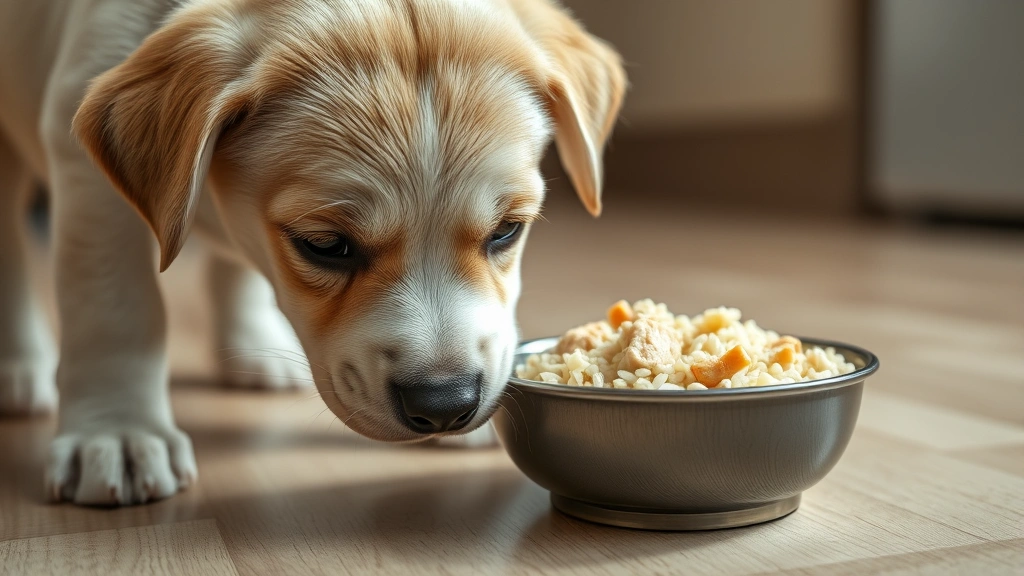
Supporting your puppy at home is just as important as any medication. Keep fresh water available at all times to prevent dehydration. Your vet may recommend a bland diet of plain chicken and rice or a prescription digestive diet for a few days.
Avoid giving table scraps, treats, or sudden diet changes while your puppy recovers. Feed smaller, more frequent meals rather than large portions. Monitor your puppy’s stool closely and note any changes to report back to your vet.
Keep your puppy calm and reduce stress where possible. Make sure they’re getting adequate rest, as their body is working hard to heal. If your puppy shows any worsening symptoms, contact your vet immediately rather than waiting for a scheduled follow-up.
Prevention Tips for Future Diarrhea Episodes
Once your puppy recovers, you’ll want to prevent future episodes. Start with a high-quality puppy food appropriate for their age and size, and make any diet changes gradually over 7-10 days. Keep your puppy’s environment clean and practice good hygiene to reduce disease exposure.
Regular deworming and parasite prevention are essential during the puppy stage. Avoid giving table scraps and stick to puppy-safe treats. Supervise your puppy closely to prevent them from eating non-food items or getting into the trash.
Minimize stress by creating a calm, predictable environment. Make sure your puppy is up-to-date on vaccinations, as some viral infections that cause diarrhea are preventable. Finally, schedule regular vet checkups so your veterinarian can catch potential issues early.
Telehealth: A Convenient Way to Ask Your Vet
If you’re hesitant about scheduling an in-person appointment or want a quick initial assessment, telehealth veterinary services offer a convenient alternative. You can describe your puppy’s symptoms, show your vet photos or videos, and get professional guidance without leaving home.
This is especially helpful for mild cases or when you’re trying to decide whether your puppy needs an urgent visit. Many pet owners find that a telehealth consultation gives them confidence in their next steps and helps them know when in-person care is truly necessary.
The Pet Vet and similar services make it easy to connect with a licensed veterinarian quickly. It’s a low-pressure way to get answers when you’re worried about your puppy’s health.
What Not to Do When Your Puppy Has Diarrhea
While you’re supporting your puppy, avoid certain common mistakes. Don’t give over-the-counter human medications without explicit veterinary approval—puppy dosing is very different, and some medications can be harmful. Avoid giving fatty foods, dairy, or anything too rich, as these can worsen diarrhea.
Don’t assume diarrhea will resolve on its own without veterinary input, especially in young puppies. Resist the urge to switch foods frequently while treating diarrhea; consistency helps. Finally, don’t delay contacting your vet if symptoms worsen or new symptoms appear.
Your veterinarian is your best resource for guidance specific to your puppy’s situation. When in doubt, reach out rather than waiting and hoping it improves on its own.
Frequently Asked Questions
How long does puppy diarrhea usually last?
Most cases resolve within 24-48 hours with appropriate treatment, though some may take up to a week depending on the underlying cause.
Is puppy diarrhea ever an emergency?
Yes, if your puppy shows signs of severe dehydration, bloody stools, repeated vomiting, or lethargy, seek veterinary care immediately.
Can I give my puppy probiotics for diarrhea?
Many vets recommend puppy-specific probiotics as part of treatment, but always check with your vet first to ensure they’re appropriate for your puppy’s situation.
What should I feed my puppy with diarrhea?
Your vet may recommend a bland diet of plain chicken and rice or a prescription digestive diet while your puppy recovers.
When should I call the vet about puppy diarrhea?
Call if diarrhea lasts more than 24 hours, contains blood, or is accompanied by vomiting, lethargy, or loss of appetite.
What To Do Now
- Observe your puppy’s symptoms closely and note the duration, frequency, and appearance of stools to share with your vet
- Contact your veterinarian or use a telehealth service to ask about your puppy’s diarrhea and get professional guidance
- Ensure your puppy stays hydrated by providing fresh water and monitor for signs of dehydration
- Make a note of any recent diet changes, new foods, or environmental stressors to discuss with your vet
- Follow your vet’s treatment recommendations closely and report back if symptoms don’t improve within the expected timeframe
Final Thoughts
Seeing your puppy struggle with diarrhea is stressful, but you’re already doing the right thing by seeking information and considering when to ask vet about puppy diarrhea. Most cases are manageable with proper veterinary guidance and supportive home care. Trust your instincts—if something feels off, reaching out to your vet is always the right call.
Your puppy is lucky to have a caring owner who takes their health seriously. With the right support, your little one will be back to their playful, healthy self in no time. Don’t hesitate to reach out to your veterinarian or explore convenient telehealth options when you need guidance. Your peace of mind matters, and your vet is there to help.
This article is for general education and is not a substitute for care from your own veterinarian. Learn about The Pet Vet and our editorial policy.