
If your kitten is acting out—scratching furniture, biting during play, or refusing the litter box—an online vet for kitten behavior problems can help you understand what’s really going on and give you a plan to fix it, all from your couch.
Table of Contents
- Why Kitten Behavior Problems Need Professional Guidance
- Common Kitten Behavior Issues You Can Address Online
- How Telehealth Differs From In-Person Behavior Consultations
- Medical vs. Behavioral: Why Ruling Out Health Issues Matters
- What to Expect During Your Online Behavior Consultation
- Behavior Modification Strategies Your Online Vet Might Recommend
- When Should You Consider an Online Vet for Cat Behavior Problems?
- Combining Telehealth With Other Support
- Cost and Accessibility of Online Behavior Consultations
- Building a Long-Term Behavior Plan
- Frequently Asked Questions
- What To Do Now
- Summary: Your Kitten’s Behavior Can Improve
This article is for informational purposes only and is not a substitute for professional veterinary advice. Always consult a licensed veterinarian for diagnosis and treatment.
Kittens are bundles of energy and curiosity, but sometimes their behavior crosses from adorable to concerning. You might notice aggression during playtime, excessive meowing, litter box avoidance, or destructive scratching that leaves your furniture in tatters. It’s easy to feel frustrated or worried—but here’s the good news: most kitten behavior issues are completely fixable with the right guidance.
The challenge is that many behavior problems have hidden roots. What looks like “bad behavior” might actually signal anxiety, medical discomfort, boredom, or simply a kitten who hasn’t learned the house rules yet. That’s where telehealth veterinary care becomes invaluable. You don’t need to wrangle your kitten into a carrier or wait weeks for an appointment. Instead, you can connect with a licensed vet online, describe what’s happening, and get personalized advice in minutes.
Why Kitten Behavior Problems Need Professional Guidance
Many pet owners assume their kitten will “grow out of it,” but that’s rarely how behavior works. Without intervention, unwanted behaviors often become ingrained habits that are much harder to break later.
Here’s what makes behavior problems tricky: they’re rarely about the kitten being “bad.” Instead, they reflect unmet needs, fear, or a mismatch between the kitten’s environment and their natural instincts. A vet trained in feline behavior can help you decode the real message your kitten is sending.
Catching issues early puts you in a great position to help. Young kittens are still learning how to be cats, and their brains are incredibly plastic—meaning they respond well to guidance and environmental adjustments.
Common Kitten Behavior Issues You Can Address Online
The beauty of telehealth is that many behavior concerns don’t require a physical exam. Your vet can assess the situation through conversation and video, then recommend solutions tailored to your kitten.
- Aggressive play biting: Kittens use their mouths to explore and play, but when those teeth hurt, it’s time for a behavior reset.
- Destructive scratching: Scratching is normal, but when your couch becomes a shredding post, your vet can suggest redirection strategies and environmental changes.
- Litter box avoidance: If your kitten is eliminating outside the box, behavioral factors (and sometimes medical ones) need investigation.
- Excessive meowing or vocalization: Some breeds are chattier, but sudden increases in meowing can signal stress or attention-seeking patterns.
- Excessive jumping or pouncing: High-energy kittens need outlets; your vet can recommend enrichment and play strategies.
- Hiding or fearfulness: Shy kittens need gradual socialization and environmental support to build confidence.
- Kitten anxiety: Moving, new pets, or loud environments can trigger stress. Online vet for kitten anxiety consultations can help you create a calming plan.
Each of these behaviors has a solution—and most don’t require medication or expensive interventions.
How Telehealth Differs From In-Person Behavior Consultations
Traditional behavior consultations can cost $200–$500 and require scheduling weeks in advance. Telehealth offers a faster, more affordable alternative for initial assessment and guidance.
When you use an online vet service for kitten behavior problems, you’re typically getting:
- Real-time conversation with a licensed veterinarian
- Video observation of your kitten in their natural environment (if helpful)
- Written behavior modification plan you can reference anytime
- Follow-up questions answered via messaging
- Recommendations for when in-person specialist consultation might help
For complex cases—like severe aggression or multi-pet household dynamics—your vet might recommend a board-certified veterinary behaviorist for deeper work. But for most common kitten issues, telehealth is the perfect starting point.
Medical vs. Behavioral: Why Ruling Out Health Issues Matters
Here’s a critical insight: behavior problems often have medical roots. A kitten with an ear infection might be unusually aggressive. One with digestive discomfort might avoid the litter box. Hyperthyroidism can cause excessive vocalization.
A good veterinary assessment considers both angles. Your vet will ask about medical history, diet, and any other symptoms to rule out underlying health issues before jumping to pure behavior modification.
This is another reason telehealth is so valuable. You’re getting a trained professional who understands the full picture, not just a behavior trainer who might miss medical red flags. Catching this early puts you in a great position to help.
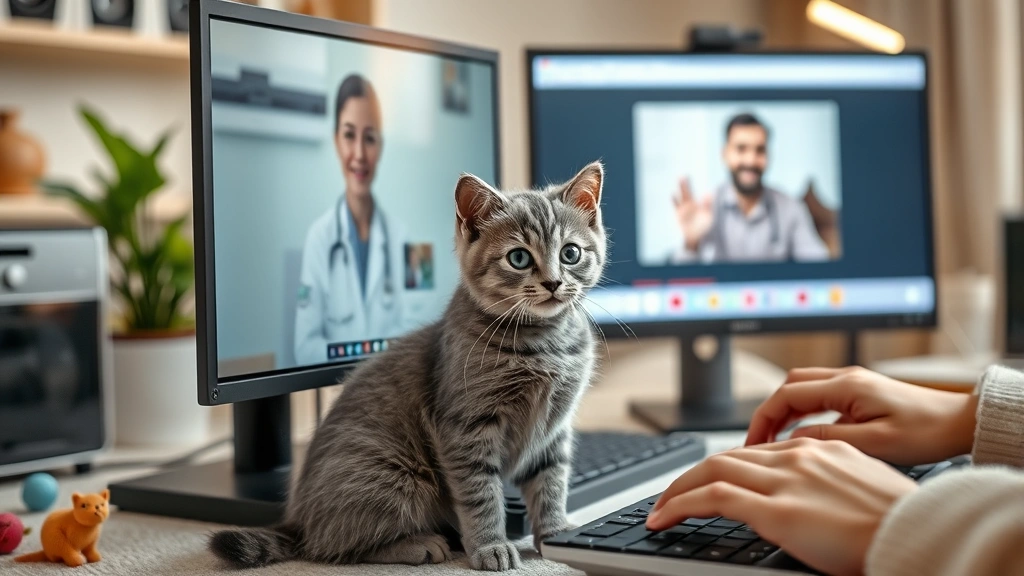
What to Expect During Your Online Behavior Consultation
The process is straightforward and designed for busy pet owners. Here’s what typically happens:
- Schedule at your convenience: Most telehealth platforms offer same-day or next-day appointments, often with evening and weekend availability.
- Describe the behavior: When did it start? What does it look like? What triggers it? How often does it happen? The more detail, the better.
- Share your kitten’s history: Age, breed, diet, vaccination status, any previous medical issues, and home environment details help your vet understand context.
- Video chat with the vet: You’ll connect live (or asynchronously, depending on the service) to discuss observations and answer questions.
- Receive a behavior plan: Your vet will provide specific, actionable steps tailored to your situation—from environmental modifications to training techniques.
- Get follow-up support: Many services allow you to message with questions as you implement the plan.
The whole process usually takes 20–30 minutes. No waiting room. No stressed kitten in a carrier. Just helpful, practical guidance from a licensed vet.
Behavior Modification Strategies Your Online Vet Might Recommend
While every kitten is unique, certain strategies appear in almost every behavior plan. Your vet will customize these based on your kitten’s specific issues:
- Environmental enrichment: Vertical spaces, puzzle feeders, window perches, and rotating toys keep kittens mentally stimulated and reduce boredom-related behavior problems.
- Play redirects: If your kitten bites during play, learning to redirect to toys (instead of hands) is game-changing.
- Scratching post placement: Strategic placement near furniture your kitten targets, combined with positive reinforcement, teaches them the “right” places to scratch.
- Litter box management: Number of boxes, placement, litter type, and cleanliness all influence whether your kitten uses the box consistently.
- Routine and predictability: Kittens thrive on schedules. Regular play, feeding, and interaction times reduce anxiety-driven behavior problems.
- Positive reinforcement: Rewarding good behavior with treats, praise, or play is far more effective than punishment.
These aren’t quick fixes—behavior change takes consistency and patience. But they work, and your online vet will help you troubleshoot as you go.
When Should You Consider an Online Vet for Cat Behavior Problems?
You don’t need to wait for behavior to become a crisis. If you’re noticing any concerning patterns, reaching out early is smart.
Consider scheduling a consultation if your kitten:
- Has suddenly changed behavior (this can signal medical or emotional changes)
- Is displaying aggression that’s escalating or causing injury
- Is avoiding the litter box consistently
- Shows signs of extreme anxiety or fear
- Is destructive in ways that worry you
- Has behavioral patterns you want to prevent from becoming worse
You can ask a vet about cat behavior problems anytime—even if you’re just unsure whether something warrants concern. If you are unsure whether your pet needs urgent care, a quick telehealth check-in can give you peace of mind — no appointment needed.
Combining Telehealth With Other Support
Telehealth is powerful, but it works best as part of a complete approach. Many pet owners benefit from combining online vet guidance with other resources.
For instance, if your kitten is not eating, your vet might recommend both behavior strategies and a nutrition assessment. If litter box issues are involved, understanding your kitten’s diet and digestion becomes relevant too.
Your vet might also recommend:
- In-home behavior consultations with a certified animal behaviorist for complex cases
- Feline pheromone products to reduce anxiety
- Environmental modifications like additional litter boxes or scratching posts
- Follow-up telehealth appointments to track progress
The goal is a coordinated plan that addresses your kitten’s unique needs.
Cost and Accessibility of Online Behavior Consultations
One of the biggest advantages of telehealth is affordability. Most online vet behavior consultations cost $50–$150, compared to $200–$500 for in-person specialist visits.
Plus, you save on travel time, parking, and the stress of transporting your kitten. Many pet owners find they can access care faster and more conveniently through telehealth, which means they actually get help sooner rather than putting it off.
Some insurance plans cover telehealth veterinary visits, so it’s worth checking your policy. Even without coverage, the cost is usually a fraction of what you’d spend on furniture replacement or emergency vet visits if behavior issues escalate.

Building a Long-Term Behavior Plan
Behavior change isn’t a one-time fix—it’s an ongoing process. The best online vet services support you through the journey, not just at the initial consultation.
A strong behavior plan includes:
- Clear, written instructions you can follow daily
- Realistic timelines for seeing improvement
- Troubleshooting strategies if something isn’t working
- Progress check-ins to adjust the plan as needed
- Celebration of wins (even small ones!)
Your kitten’s behavior didn’t develop overnight, and it won’t change overnight either. But with professional guidance and consistent effort, most behavior issues improve significantly within weeks to a few months.
Frequently Asked Questions
Can a vet diagnose behavior problems without seeing my kitten in person?
Yes. For most behavior issues, a detailed conversation and video observation are sufficient for diagnosis and treatment planning. Physical exams are important for ruling out medical causes, which your vet can discuss with you during the telehealth visit.
How long does it take to see improvement in kitten behavior?
Most owners notice small improvements within 1–2 weeks of consistent behavior modification. Significant changes typically appear within 4–8 weeks. Patience and consistency are key.
What if my kitten’s behavior is getting worse?
If behavior escalates despite your efforts, let your vet know immediately. This could signal an underlying medical issue or indicate that the behavior plan needs adjustment. Your vet can schedule a follow-up consultation or recommend in-person evaluation.
Is telehealth appropriate for aggressive kittens?
Absolutely. Aggression in kittens is often redirected play energy or anxiety, both of which respond well to behavior modification. Your vet can assess severity and recommend the right approach—whether that’s simple play redirection or more intensive intervention.
Do I need a previous relationship with a vet to use telehealth for behavior?
Most telehealth platforms don’t require a previous relationship. However, having your kitten’s medical records available (vaccination history, any prior exams) is helpful so your vet can rule out medical causes of behavior changes.
What To Do Now
Ready to get help for your kitten’s behavior? Here are your next steps:
- Document the behavior: Write down what your kitten is doing, when it happens, what triggers it, and how often. This information is gold for your vet consultation.
- Gather your kitten’s information: Have their age, breed, diet, medical history, and vaccination records handy. If possible, take a short video of the behavior to share with your vet.
- Schedule a telehealth appointment: Look for an online vet service that offers behavior consultations. Many platforms have same-day or next-day availability, making it easy to get quick answers.
- Prepare your questions: Write down everything you want to discuss—not just the main behavior issue, but any secondary concerns or patterns you’ve noticed.
- Commit to the plan: Once you have guidance, consistency is everything. Plan to implement the recommended strategies daily and track progress so you can report back to your vet.
Summary: Your Kitten’s Behavior Can Improve
Kitten behavior problems feel overwhelming in the moment, but they’re incredibly solvable with the right guidance. An online vet for kitten behavior problems gives you access to professional expertise without the hassle of traditional vet visits—meaning you get help faster, at lower cost, and on your schedule.
Whether your kitten is biting, scratching, avoiding the litter box, or displaying anxiety, a telehealth consultation can help you understand what’s really going on and create a concrete plan to fix it. Most behavior issues improve significantly within weeks when you have professional guidance and commit to consistent implementation.
Your kitten isn’t being “bad”—they’re communicating a need. A licensed vet can help you understand that message and respond in ways that work for both of you. The result? A happier kitten, a healthier home, and the peace of mind that comes from knowing you’re doing everything right.
Don’t wait for behavior to become a bigger problem. Reach out to an online vet today and take the first step toward the calm, well-adjusted kitten you’re hoping for.
This article is for general education and is not a substitute for care from your own veterinarian. Learn about The Pet Vet and our editorial policy.