
If your dog is vomiting in dogs and you’re worried about what’s causing it, you’re not alone—this is one of the most common concerns pet owners bring to their vet. Watching your beloved companion struggle with nausea or heave unexpectedly can be stressful, but the good news is that understanding the cause and exploring treatment options can help you get your pup feeling better faster.
Table of Contents
- Understanding Why Dogs Vomit
- Common Causes of Vomiting in Dogs
- When to Seek Immediate Veterinary Care
- How Veterinarians Diagnose the Cause
- Medication Options for Vomiting Relief
- Dietary Management and Feeding Strategies
- Natural Remedies and Supportive Care
- Preventing Vomiting in Dogs: Proactive Steps
- When Chronic Vomiting Requires Long-Term Management
- Frequently Asked Questions
- What To Do Now
- Summary: Taking Action for Your Dog’s Health
This article is for informational purposes only and is not a substitute for professional veterinary advice. Always consult a licensed veterinarian for diagnosis and treatment.
Understanding Why Dogs Vomit
Vomiting in dogs can stem from dozens of different causes, ranging from something as simple as eating too quickly to more serious underlying health conditions. Your dog’s digestive system is sensitive, and various triggers can set off the vomiting reflex.
Sometimes it’s a one-time event caused by dietary indiscretion or eating something they shouldn’t have. Other times, chronic or repeated vomiting signals that something deeper needs attention. The key is recognizing the pattern and severity.
Common Causes of Vomiting in Dogs
Understanding what might be making your dog vomit helps you work more effectively with your veterinarian. Here are some of the most frequent culprits:
- Dietary issues: Eating too fast, sudden diet changes, or consuming foods that are poisonous to dogs can trigger vomiting.
- Gastroenteritis: Inflammation of the stomach and intestines, often from bacterial or viral infections.
- Pancreatitis: Inflammation of the pancreas, which is painful and requires prompt treatment. Learn more about pancreatitis in dogs to understand this serious condition.
- Food sensitivities or allergies: Your dog may react poorly to certain ingredients.
- Intestinal blockages: Foreign objects or severe constipation can prevent normal digestion.
- Medication side effects: Some medications list nausea as a potential reaction.
- Stress or anxiety: Emotional upset can cause temporary digestive upset.
Catching the underlying cause early puts you in a great position to help your dog recover quickly.
When to Seek Immediate Veterinary Care
Not all vomiting requires emergency treatment, but certain red flags demand urgent attention. If your dog is vomiting frequently throughout the day, shows signs of severe dehydration, or appears lethargic, contact your vet right away.
Additionally, if your dog has eaten something toxic, is unable to keep water down, or shows signs of abdominal pain (like hunching or whining), these warrant immediate evaluation. Your veterinarian can perform bloodwork and imaging to rule out serious conditions.
If you’re unsure whether your pet needs urgent care, a quick telehealth check-in with The Pet Vet can give you peace of mind—no appointment needed.
How Veterinarians Diagnose the Cause
Your vet will start with a thorough history and physical examination. They’ll ask about the frequency, color, and consistency of vomit, along with any other symptoms your dog is experiencing.
Diagnostic tools may include bloodwork, urinalysis, fecal testing, ultrasound, or X-rays. These help identify infections, organ dysfunction, blockages, or other conditions. In some cases, your vet might recommend an elimination diet feeding plan to rule out food sensitivities.
Medication Options for Vomiting Relief
Once your vet identifies the cause, they may recommend medications to help manage nausea and vomiting. Different medications work in different ways, and your veterinarian will choose the best option based on your dog’s specific situation.
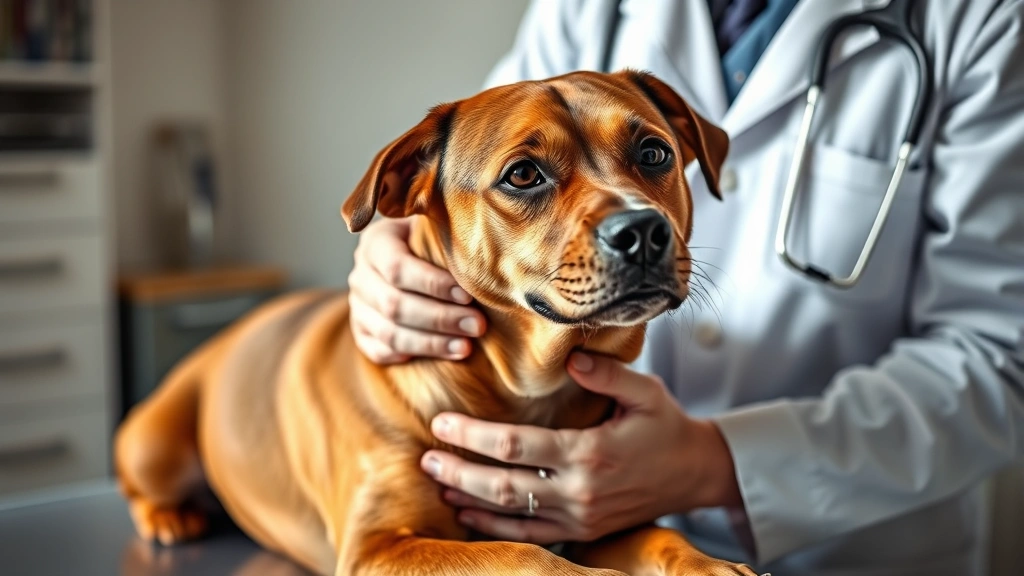
Anti-nausea medications can help settle your dog’s stomach and make them more comfortable while the underlying issue is being treated. Some medications work by blocking signals in the brain that trigger the vomiting reflex, while others help improve stomach motility and digestion.
Your vet will determine the appropriate medication, strength, and frequency for your individual dog. Never adjust dosages or start new medications without veterinary guidance.
Dietary Management and Feeding Strategies
Diet plays a crucial role in helping a vomiting dog recover. Once your vet has ruled out serious conditions, feeding adjustments often make a significant difference.
Consider these proven strategies:
- Feed smaller, more frequent meals instead of one or two large meals per day.
- Choose bland, easily digestible foods that are gentle on the stomach.
- Introduce new foods gradually to avoid triggering more vomiting.
- Ensure fresh water is always available, but offer it in small amounts if your dog tends to drink too quickly.
- Avoid table scraps and stick to high-quality dog food recommended by your vet.
For guidance on proper feeding schedules, check out our resource on age appropriate feeding frequency. If you’re transitioning to new foods, learn which human foods dogs can eat safely.
Natural Remedies and Supportive Care
While medications and diet changes are essential, supportive care can help your dog feel more comfortable during recovery. Providing a calm, stress-free environment reduces anxiety-related vomiting.
Some pet owners find that ginger or bone broth (in small amounts) can soothe the digestive tract, but always check with your vet before introducing any supplements or home remedies. Keeping your dog hydrated is critical—if they won’t drink water, your vet may recommend electrolyte solutions or IV fluids in severe cases.
Rest is also important. Limit strenuous activity while your dog recovers, and maintain a consistent routine to minimize stress.
Preventing Vomiting in Dogs: Proactive Steps
Once your dog has recovered, prevention becomes your best tool. Many cases of vomiting are avoidable with smart management.
Here’s how to reduce the risk:
- Keep toxic substances, medications, and harmful foods out of reach.
- Feed high-quality dog food appropriate for your dog’s age and health status.
- Use slow-feed bowls if your dog eats too quickly.
- Maintain a regular feeding schedule and avoid sudden diet changes.
- Ensure your dog gets appropriate exercise and mental stimulation.
- Schedule regular vet checkups to catch health issues early.
Prevention is always easier than treatment, and these steps can save you and your pup a lot of stress.

When Chronic Vomiting Requires Long-Term Management
Some dogs experience chronic or recurring vomiting due to conditions like inflammatory bowel disease, food allergies, or metabolic disorders. These cases require ongoing management rather than a one-time fix.
Your vet may recommend long-term medications, specialized diets, or regular monitoring to keep symptoms under control. Working closely with your veterinarian to adjust treatment as needed ensures your dog maintains the best quality of life possible.
Many dogs with chronic vomiting live happy, comfortable lives with the right management plan in place.
Frequently Asked Questions
Is occasional vomiting in dogs normal?
Occasional vomiting can happen, but frequent or persistent vomiting warrants veterinary evaluation. If it occurs more than once or twice a month, contact your vet.
Can I treat my dog’s vomiting at home?
Minor cases may improve with fasting and dietary changes, but you should consult your vet first to rule out serious conditions. Home treatment without professional guidance can delay necessary care.
How long does it take for vomiting medication to work?
Most anti-nausea medications begin working within hours, though the underlying cause must also be addressed. Your vet will monitor your dog’s progress and adjust treatment if needed.
What should I feed a dog that’s vomiting?
Your vet may recommend bland foods like boiled chicken and rice, or a prescription digestive diet. Always follow your veterinarian’s specific feeding recommendations for your dog.
Can stress cause vomiting in dogs?
Yes, anxiety and stress can trigger vomiting in some dogs. Creating a calm environment and addressing the source of stress can help, along with veterinary support if needed.
What To Do Now
- Document your dog’s symptoms: Note the frequency, appearance, and timing of vomiting, along with any other signs like lethargy or appetite changes. This information helps your vet diagnose the problem faster.
- Contact your veterinarian: Schedule an appointment or reach out to The Pet Vet via telehealth if you need guidance on whether your dog requires urgent care.
- Avoid giving new foods or treats: Stick to your dog’s regular diet while you investigate the cause. Introducing new items can complicate diagnosis.
- Monitor hydration: Offer small amounts of water frequently to prevent dehydration. If your dog won’t drink, inform your vet immediately.
- Keep medications and toxins secured: Prevent future episodes by ensuring your home is safe and your dog can’t access harmful substances.
Summary: Taking Action for Your Dog’s Health
Vomiting in dogs can be worrying, but with prompt veterinary attention and the right treatment plan, most cases improve significantly. Understanding the potential causes, recognizing when professional help is needed, and following your vet’s recommendations puts you in the best position to help your dog feel better.
Whether your dog needs medication, dietary adjustments, or just supportive care, the goal is the same: restoring their comfort and health. Don’t hesitate to reach out to your veterinarian or The Pet Vet’s telehealth service if you have concerns. Your dog’s well-being is worth the peace of mind.
This article is for general education and is not a substitute for care from your own veterinarian. Learn about The Pet Vet and our editorial policy.