
If your cat is experiencing diarrhea, an online vet for cat diarrhea can help you figure out what’s going on without the stress of a car ride or waiting room visit. Diarrhea in cats is one of the most common concerns pet owners face, and it can range from a minor dietary upset to something requiring more attention.
Table of Contents
- Why Cat Diarrhea Happens (And Why It Matters)
- Treatment 1: Dietary Adjustment and Fasting Protocols
- Treatment 2: Probiotics and Gut Health Support
- Treatment 3: Hydration and Electrolyte Management
- Treatment 4: Parasites and Deworming
- Treatment 5: Addressing Food Sensitivities and Allergies
- Treatment 6: Anti-Inflammatory and Digestive Support
- Treatment 7: Stress Reduction and Environmental Management
- When to Seek Help from an Online Vet
- How The Pet Vet Can Help
- Prevention Tips for Future Diarrhea Episodes
- Frequently Asked Questions
- What To Do Now
- Summary: Getting Your Cat Back to Normal
This article is for informational purposes only and is not a substitute for professional veterinary advice. Always consult a licensed veterinarian for diagnosis and treatment.
The good news? Most cases of cat diarrhea respond well to straightforward interventions. In this guide, we’ll walk through seven evidence-based treatments that actually work, plus how telehealth can make getting help easier than ever.
Why Cat Diarrhea Happens (And Why It Matters)
Cat diarrhea can stem from dozens of different causes. Sometimes it’s as simple as a sudden food change or eating something they shouldn’t have. Other times, it signals stress, parasites, infections, or food sensitivities.
The key is identifying the underlying cause so you can address it directly. That’s where an online vet becomes invaluable—they can ask targeted questions about your cat’s diet, recent changes, and other symptoms to narrow down the possibilities.
Catching this early puts you in a great position to help your cat feel better quickly.
Treatment 1: Dietary Adjustment and Fasting Protocols
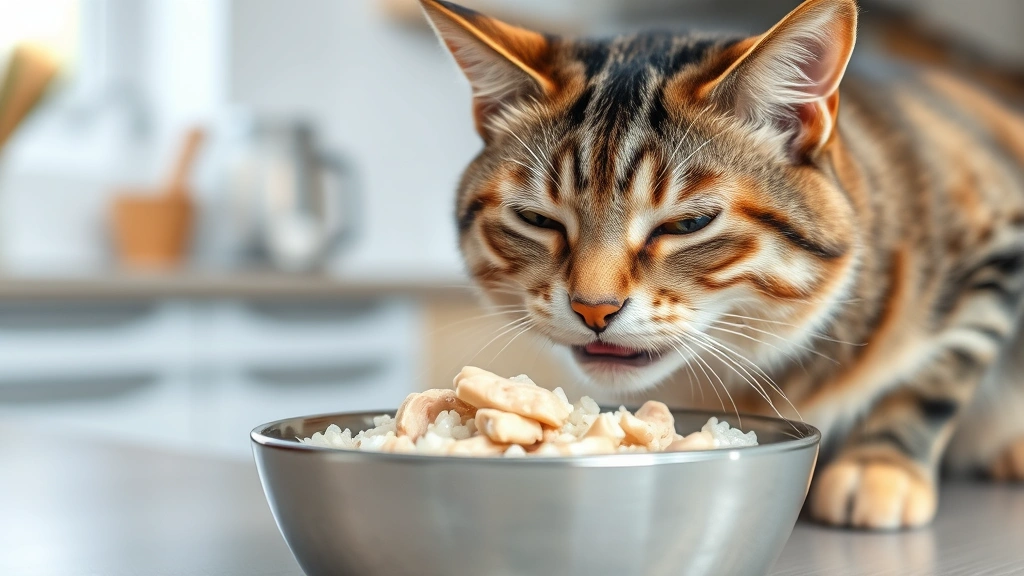
One of the first steps vets recommend is a brief fasting period followed by a bland diet. A 12-hour fast (for adult cats) allows the digestive system to rest and reset. After fasting, introduce a bland, easily digestible diet for several days.
Common bland options include:
- Plain cooked chicken (no seasoning or bones)
- Boiled white rice in small amounts
- Prescription digestive care cat food (recommended by your vet)
- Plain pumpkin puree (not pie filling)
Gradually transition back to regular food over 7–10 days by mixing increasing amounts of normal food with the bland diet. This slow reintroduction helps prevent relapse.
Treatment 2: Probiotics and Gut Health Support
Probiotics are live beneficial bacteria that help restore balance in your cat’s digestive tract. Research shows that certain probiotic strains may reduce diarrhea duration and improve stool consistency in cats.
Probiotics designed specifically for cats are available in powder, capsule, or paste forms. They’re generally safe and can be mixed into food or given as a treat. Many vets suggest using them for 2–4 weeks during and after a diarrhea episode.
When talking to an online vet about cat diarrhea treatment options, ask about which probiotic strains work best for your cat’s situation.
Treatment 3: Hydration and Electrolyte Management
Diarrhea causes fluid loss, which can quickly lead to dehydration in cats. Unlike dogs, cats don’t always drink enough water on their own, making this especially important.
To support hydration:
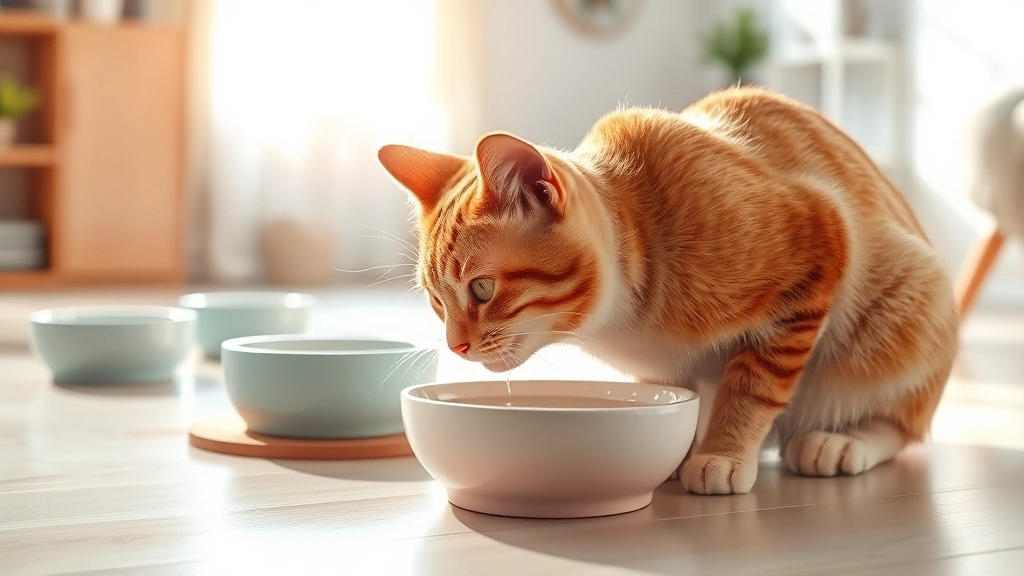
- Offer fresh water in multiple locations around your home
- Consider a cat water fountain—many cats prefer running water
- Provide wet food or broths to increase fluid intake
- Monitor for signs of dehydration (lethargy, dry gums, skin tenting)
If your cat shows severe dehydration signs, your vet may recommend subcutaneous fluids. If you’re unsure whether your pet needs urgent care, a quick telehealth check-in can give you peace of mind—no appointment needed.
Treatment 4: Parasites and Deworming
Intestinal parasites like roundworms, hookworms, and giardia are extremely common causes of cat diarrhea, especially in kittens and outdoor cats. A simple fecal test can identify parasites, and deworming is straightforward and highly effective.
Even indoor cats can pick up parasites from contaminated food, water, or contact with other animals. Most vets recommend routine deworming as a preventative measure.
An online vet can review your cat’s history and recommend appropriate parasite screening and prevention based on their lifestyle.
Treatment 5: Addressing Food Sensitivities and Allergies
Some cats develop sensitivities to specific ingredients in their food, commonly chicken, fish, or grains. If diarrhea persists despite other treatments, a food sensitivity may be the culprit.
An elimination diet—where you feed a limited ingredient or novel protein diet for 8–12 weeks—can help identify problem foods. Your vet can guide you through this process and recommend appropriate prescription or therapeutic diets.
Keep detailed notes about what you feed your cat and any changes in stool quality. This information is invaluable when consulting with a vet online.
Treatment 6: Anti-Inflammatory and Digestive Support
In some cases, inflammation in the digestive tract contributes to diarrhea. Conditions like inflammatory bowel disease (IBD) in cats may require specific management strategies beyond simple dietary changes.
Your vet might recommend supplements like slippery elm bark or digestive enzymes to soothe the gut lining and improve nutrient absorption. These are generally well-tolerated and work alongside other treatments.
Always discuss supplement use with your vet before starting, as some can interact with other treatments.
Treatment 7: Stress Reduction and Environmental Management
Stress is a surprisingly common trigger for cat diarrhea. Changes like moving, new pets, loud noises, or litter box issues can upset your cat’s digestive system.
To reduce stress-related diarrhea:
- Maintain consistent routines for feeding and play
- Provide multiple litter boxes in quiet locations
- Use calming pheromone diffusers (like Feliway)
- Create safe spaces where your cat can retreat
- Avoid sudden changes to diet or environment when possible
When stress is the underlying cause, addressing it directly often resolves the diarrhea without additional interventions.
When to Seek Help from an Online Vet
While mild diarrhea often resolves on its own, certain situations warrant professional guidance. Contact a vet if your cat experiences diarrhea lasting more than 2–3 days, or if it’s accompanied by vomiting, lethargy, loss of appetite, or blood in the stool.
Kittens and senior cats are more vulnerable to complications from diarrhea and should be evaluated sooner. An online vet can assess your cat’s symptoms, ask detailed questions about their health history, and recommend next steps—all from your home.
Many pet owners find that consulting an online vet for cat diarrhea is faster and less stressful than scheduling an in-person appointment, especially for non-emergency situations.
How The Pet Vet Can Help
Telehealth veterinary services like The Pet Vet’s online consultation for cat diarrhea make it easy to get professional advice without leaving home. A licensed vet can review your cat’s symptoms, medical history, and lifestyle to recommend personalized treatment plans.
You can also ask follow-up questions as your cat improves or if new symptoms develop. This ongoing support is especially valuable during the treatment process.
If your cat has other concurrent health concerns, you might also explore resources like talking to a vet about kitten itching online or discussing cat shaking with a vet through the same convenient platform.
Prevention Tips for Future Diarrhea Episodes
Once your cat recovers, focus on prevention. Keep their diet consistent and high-quality. Maintain a clean litter box environment and manage stress when possible. Regular parasite prevention is essential, especially for outdoor cats.
Schedule annual wellness exams to catch underlying health issues early. These preventative steps significantly reduce the likelihood of recurring diarrhea.
Frequently Asked Questions
Can I treat my cat’s diarrhea at home without seeing a vet?
Mild diarrhea lasting less than 24 hours may improve with fasting and a bland diet. However, if it persists beyond 2–3 days or worsens, professional evaluation is important to rule out serious conditions.
How long does it typically take for cat diarrhea to resolve?
Most cases improve within 3–7 days with appropriate treatment. More complex causes may take 2–4 weeks or longer to fully resolve, depending on the underlying issue.
Is online veterinary care appropriate for cat diarrhea?
Yes, telehealth is excellent for initial assessment and mild-to-moderate diarrhea. Your vet can determine if your cat needs in-person examination or testing based on symptoms.
What should I feed my cat during a diarrhea episode?
Bland, easily digestible foods like plain cooked chicken, boiled rice, or prescription digestive care diets work best. Avoid dairy, fatty foods, and sudden diet changes during recovery.
When is cat diarrhea considered an emergency?
Seek immediate care if your cat shows severe lethargy, repeated vomiting, bloody stools, abdominal pain, or signs of severe dehydration. These may indicate serious conditions requiring urgent intervention.
What To Do Now
- Assess your cat’s symptoms: Note the frequency, consistency, duration, and any accompanying signs like vomiting or lethargy. This information helps your vet diagnose the cause quickly.
- Schedule a telehealth consultation: Connect with an online vet for cat diarrhea to get professional guidance without delay. They can recommend appropriate next steps based on your cat’s specific situation.
- Start dietary management: If your vet approves, begin fasting (12 hours for adults) followed by a bland diet. Gradually reintroduce regular food over 7–10 days.
- Monitor hydration: Ensure fresh water is available and watch for signs of dehydration. Consider offering wet food or broths to increase fluid intake.
- Keep detailed records: Document what your cat eats, stool changes, and any other symptoms. This helps your vet track progress and adjust treatment as needed.
Summary: Getting Your Cat Back to Normal
Cat diarrhea is stressful, but most cases respond well to straightforward treatments. Whether it’s dietary adjustment, probiotics, parasite treatment, or stress management, you have multiple evidence-based options to help your cat feel better.
An online vet for cat diarrhea offers a convenient, low-pressure way to get professional guidance quickly. You don’t have to navigate this alone—reach out to a telehealth vet today and take the first step toward your cat’s recovery.
Remember, catching diarrhea early and addressing it promptly leads to faster improvement and better outcomes. Your cat will be back to their happy, healthy self in no time.
For more information on related digestive concerns, you might also explore resources about gastroparesis in cats or intestinal obstruction in cats to better understand your cat’s digestive health.
This article is for general education and is not a substitute for care from your own veterinarian. Learn about The Pet Vet and our editorial policy.