
When your cat seems unusually tired and uninterested in their favorite activities, consulting an online vet for cat lethargy can help you understand what’s really going on. If you’ve noticed your feline friend sleeping more than usual, moving slowly, or lacking their typical playful energy, you’re right to be concerned—lethargy in cats is often a sign that something needs attention.
Table of Contents
- What Is Cat Lethargy and Why Does It Happen?
- Common Causes of Lethargy in Cats
- When Should You Seek Help From an Online Vet for Cat Lethargy?
- How an Online Vet Can Help Diagnose Lethargy
- Benefits of Choosing an Online Veterinarian
- What to Prepare Before Your Online Vet Consultation
- Treatments and Next Steps Your Online Vet Might Recommend
- Related Concerns: Cat Not Eating and Other Symptoms
- At-Home Care While You Wait for Your Vet Appointment
- Why Early Intervention Matters
- Finding the Right Online Vet Service for Your Cat
- Frequently Asked Questions
- What To Do Now
- Summary: Taking Action on Cat Lethargy
This article is for informational purposes only and is not a substitute for professional veterinary advice. Always consult a licensed veterinarian for diagnosis and treatment.
The good news? You don’t have to wonder alone. Modern telehealth services make it easier than ever to get professional guidance without the stress of a car ride or waiting room visit. Let’s explore what cat lethargy really means, when it’s urgent, and how an online veterinarian can help you take the next steps.

What Is Cat Lethargy and Why Does It Happen?
Cat lethargy refers to a noticeable lack of energy or enthusiasm in your pet. Unlike humans, cats naturally sleep 12–16 hours a day, so distinguishing normal rest from actual lethargy can be tricky. The key difference? Lethargy involves a lack of interest in activities they normally enjoy, combined with sluggish behavior even when awake.
Lethargy isn’t a diagnosis itself—it’s a symptom. It can signal anything from minor issues like stress or dietary changes to more serious conditions requiring immediate attention. This is why talking to a vet about cat lethargy early on matters so much.

Common Causes of Lethargy in Cats
Understanding potential causes helps you provide better information to your veterinarian. Here are the most frequent reasons cats experience lethargy:
- Infections or fever: Bacterial, viral, or fungal infections can drain your cat’s energy rapidly.
- Thyroid problems: Hyperthyroidism or hypothyroidism affect metabolism and energy levels.
- Kidney or urinary issues: These are surprisingly common in cats and often cause fatigue.
- Diabetes: Elevated blood sugar or insulin problems lead to weakness and low motivation.
- Anemia: Low red blood cell counts reduce oxygen delivery throughout the body.
- Pain or arthritis: Chronic discomfort makes cats less active and more withdrawn.
- Stress or anxiety: Environmental changes, new pets, or household disruptions can trigger lethargy.
- Poor nutrition: Inadequate diet quality or calorie intake affects energy.
- Dental disease: Mouth pain discourages eating and activity.
- Medication side effects: Some treatments can cause temporary fatigue.
Catching these issues early puts you in a great position to help your cat feel better faster.

When Should You Seek Help From an Online Vet for Cat Lethargy?
Not every sluggish day requires emergency intervention, but certain signs warrant prompt attention. If your cat is lethargic and shows any of these symptoms, reach out to a veterinarian right away:
- Refusing food or water for more than 24 hours
- Labored or rapid breathing
- Vomiting or diarrhea
- Inability to use the litter box normally
- Extreme weakness or collapse
- Fever (warm ears, nose, or body)
- Discharge from eyes, nose, or mouth
- Sudden behavioral changes
For milder lethargy without emergency signs, an online vet consultation is a perfect first step. If you are unsure whether your pet needs urgent care, a quick telehealth check-in can give you peace of mind—no appointment needed.

How an Online Vet Can Help Diagnose Lethargy
When you talk to a vet about cat lethargy online, they follow a structured approach to narrow down the cause. The veterinarian will ask detailed questions about your cat’s history, lifestyle, diet, and any other symptoms you’ve noticed.
Many online veterinary platforms allow you to share photos or videos of your cat, which helps the vet assess their body condition, gait, and overall appearance. While telehealth can’t replace blood work or physical exams in all cases, it’s an excellent starting point for understanding whether your cat needs in-person diagnostics.

During your session, the vet might recommend:
- Scheduling bloodwork or urinalysis at a local clinic
- Adjusting diet or feeding schedules
- Environmental modifications to reduce stress
- At-home monitoring guidelines
- Follow-up telehealth appointments to track progress
Benefits of Choosing an Online Veterinarian
Telehealth veterinary services offer unique advantages for busy cat owners and anxious pets alike. Here’s why so many people turn to online vets for cat lethargy concerns:

Convenience and Speed: No waiting weeks for an appointment or spending hours in a clinic. You can connect with a licensed veterinarian from home, often within hours.
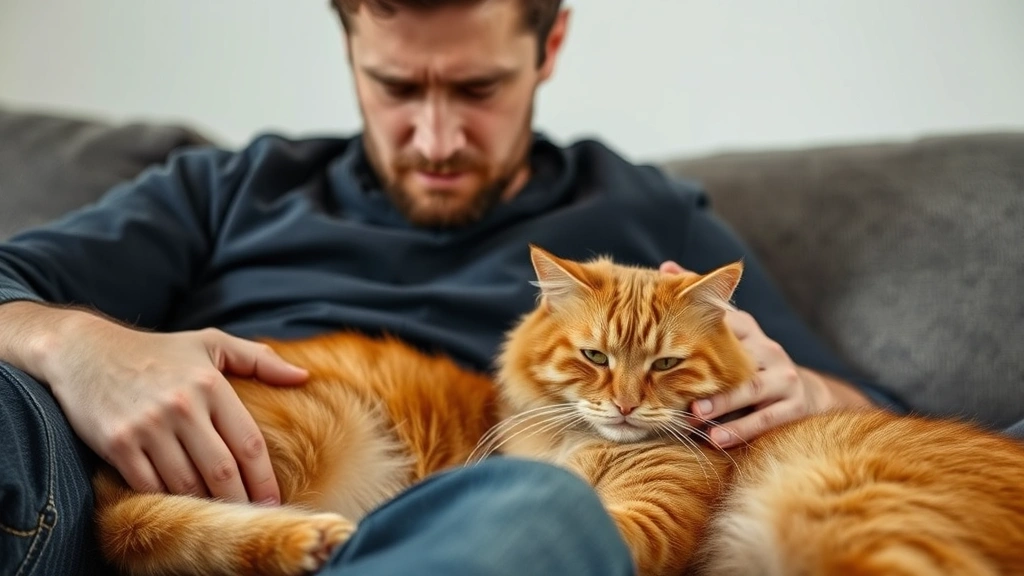
Reduced Stress for Your Cat: Many cats find car rides and vet offices stressful, which can actually worsen lethargy. A calm home environment often leads to more honest conversations with your vet.
Affordability: Telehealth consultations typically cost less than in-person visits, making expert advice more accessible.
Peace of Mind: Getting a professional opinion quickly helps you stop worrying and start taking action.

Continuity of Care: You can easily follow up with the same vet to discuss test results or monitor improvements.
What to Prepare Before Your Online Vet Consultation
Making the most of your telehealth appointment means having information ready. Gather these details before you connect with the veterinarian:

- Medical history: Previous illnesses, surgeries, allergies, and current medications (if any).
- Timeline: When did you first notice the lethargy? Was it sudden or gradual?
- Diet details: What food brand and type does your cat eat? Any recent changes?
- Behavioral notes: How is their appetite, water intake, litter box habits, and grooming?
- Environmental factors: Any recent moves, new pets, or household changes?
- Photos or videos: Capture your cat’s normal movement and resting behavior.
- Vital signs (if you can safely check): Respiratory rate, body temperature (if you have a pet thermometer).
The more details you provide, the better the veterinarian can help.
Treatments and Next Steps Your Online Vet Might Recommend
Once your online veterinarian gathers information, they may suggest several approaches depending on the suspected cause. Treatment varies widely, but here’s what you might expect:

Diagnostic Testing: Blood tests, urinalysis, or imaging may be necessary. Your vet can guide you to a local lab or clinic for these services.
Dietary Changes: A prescription diet or higher-quality food might be recommended to address nutritional deficiencies or specific health conditions.
Environmental Adjustments: Adding enrichment, reducing stressors, or creating a calm space can help cats recover from stress-induced lethargy.
Monitoring and Follow-Up: Your online vet will likely schedule check-ins to see how your cat responds to recommendations.

When medications are prescribed, your veterinarian will explain how to administer them safely and what side effects to watch for. Always follow dosing instructions provided by your licensed vet.
Related Concerns: Cat Not Eating and Other Symptoms
Lethargy often appears alongside other symptoms. For instance, if your cat is lethargic and not eating, this combination is especially concerning and warrants faster attention. An online vet for cat not eating can help you address both issues together, as they’re frequently connected.
Similarly, lethargy paired with coughing, sneezing, or other respiratory signs might point to infection. Discussing cat coughing with an online vet ensures you’re addressing the complete picture of your cat’s health.
For younger cats, asking a kitten vet online about developmental concerns or early lethargy can prevent serious problems down the road.

At-Home Care While You Wait for Your Vet Appointment
While scheduling your telehealth consultation, there are gentle steps you can take to support your cat:
- Ensure fresh water: Dehydration worsens lethargy. Offer water in multiple locations, or try a cat water fountain.
- Offer tempting food: Warm wet food or broth-based options may appeal more than dry kibble.
- Create a quiet space: A comfortable, low-stress area lets your cat rest undisturbed.
- Gentle play: Don’t force activity, but offer soft toys or gentle interaction if your cat shows interest.
- Monitor litter box use: Note any changes in urination or bowel movements to report to your vet.
- Track eating and drinking: Keep a simple log of food and water intake over a few days.
These measures provide comfort while you await professional guidance.

Why Early Intervention Matters
Cats are masters at hiding illness, which means by the time lethargy becomes obvious, the underlying condition may have been developing for a while. This is why reaching out to an online vet promptly makes such a difference.
Early intervention often means:

- Faster diagnosis and treatment
- Better long-term outcomes
- Lower overall treatment costs
- Less suffering for your cat
- Easier management of chronic conditions
Don’t wait weeks hoping your cat will “snap out of it.” A quick online consultation can clarify whether this is something minor or something that needs attention.
Finding the Right Online Vet Service for Your Cat
Not all telehealth veterinary services are created equal. When choosing an online vet for cat lethargy, look for:

- Licensed veterinarians: Verify they’re licensed in your state and have feline experience.
- Availability: Can they accommodate your schedule? Do they offer evening or weekend hours?
- Transparent pricing: Know the consultation fee upfront with no surprise charges.
- Secure platform: Your pet’s medical records should be protected and private.
- Clear communication: The vet should explain findings in plain language, not medical jargon.
- Follow-up support: Can you easily schedule a second appointment if needed?
Services like The Pet Vet specialize in making telehealth accessible, convenient, and genuinely helpful for worried pet owners.
Frequently Asked Questions
Can an online vet diagnose the cause of my cat’s lethargy?
An online vet can gather information and make educated recommendations, but definitive diagnosis often requires blood work or physical examination. Your telehealth vet will guide you on what additional testing might be needed.

Is it safe to wait for a telehealth appointment if my cat seems very lethargic?
If your cat is extremely weak, not eating, or showing emergency signs like difficulty breathing, seek in-person emergency care immediately. For mild to moderate lethargy, telehealth is a safe first step.
How long does an online vet consultation usually take?
Most telehealth consultations last 15–30 minutes, depending on the complexity of your cat’s situation. The vet will take as much time as needed to address your concerns.
Will my online vet prescribe medication for cat lethargy?
If appropriate, yes. Your vet will explain why a medication is recommended and provide detailed instructions on how to give it safely to your cat.
Can I use telehealth for follow-up appointments after my cat has been diagnosed?
Absolutely. Telehealth is excellent for follow-ups, monitoring progress, discussing test results, and adjusting treatment plans over time.
What To Do Now
If your cat is showing signs of lethargy, here’s your action plan:
- Schedule an online vet consultation today: Don’t delay. The sooner you connect with a professional, the sooner you can help your cat feel better.
- Gather your cat’s medical information: Compile their health history, current diet, recent behavior changes, and any other symptoms you’ve noticed.
- Document what you’re seeing: Take photos or videos of your cat’s behavior, energy level, and any other concerning signs to share with the vet.
- Ensure comfort at home: While waiting for your appointment, provide fresh water, tempting food, and a quiet resting space.
- Follow your vet’s recommendations: Once you have guidance, implement the suggested changes and monitor your cat’s response closely.
Summary: Taking Action on Cat Lethargy
Lethargy in cats is a signal worth taking seriously. Whether it’s caused by stress, a dietary issue, or something more complex, an online vet for cat lethargy can help you understand what’s happening and chart the best path forward.
Telehealth veterinary care removes barriers like scheduling delays and travel stress, making it easier to get professional guidance when you need it. By reaching out promptly, staying observant, and following your vet’s recommendations, you’re giving your cat the best chance to recover and thrive.
Your cat depends on you to notice when something’s off. Trust that instinct, take action, and know that expert help is just a click away. Your feline friend will thank you for it.
This article is for general education and is not a substitute for care from your own veterinarian. Learn about The Pet Vet and our editorial policy.