
Yes, you can absolutely talk to a vet about cat limping online, and it’s often a smart first step when your feline friend isn’t putting weight on their leg the way they normally do. Telehealth veterinary consultations have made it easier than ever to get professional guidance without the stress of a car ride or waiting room visit—especially when you’re worried about your cat’s mobility.
Table of Contents
- Why Online Vet Consultations Work Well for Limping Cats
- What Causes Cats to Limp: Common Reasons
- What Information to Have Ready Before Your Online Vet Call
- How to Record Helpful Video for Your Vet
- What to Expect During an Online Vet Consultation for Limping
- When Online Consultation Is Enough—and When You Need In-Person Care
- Home Care Tips While You Wait for Your Vet Appointment
- The Advantages of The Pet Vet for Cat Limping Consultations
- Other Online Resources and When to Seek Additional Help
- Summary: Taking Action for Your Limping Cat
- Frequently Asked Questions
- What To Do Now
This article is for informational purposes only and is not a substitute for professional veterinary advice. Always consult a licensed veterinarian for diagnosis and treatment.
Why Online Vet Consultations Work Well for Limping Cats
When your cat is limping, the uncertainty can feel overwhelming. An online consultation lets you describe what you’re seeing in real time, share videos of how your cat is moving, and get immediate feedback from a licensed veterinarian. This can help you figure out whether your cat needs urgent in-person care or if it’s something you can safely monitor at home.
Many cat owners find that a quick telehealth check-in gives them peace of mind and clarity about next steps. You don’t need to wrangle your cat into a carrier or navigate a crowded vet office—you can simply connect from your living room.
What Causes Cats to Limp: Common Reasons
Cat limping can stem from many different sources, ranging from minor to more serious. Understanding the possibilities helps you communicate better with your vet and notice other symptoms that matter.
Common causes include:
- Soft tissue injuries: Sprains, strains, or muscle pulls from jumping or play
- Paw pad issues: Cuts, splinters, or infections in the paw
- Arthritis: Especially in older cats, causing joint stiffness and pain
- Fractures or breaks: From falls or accidents
- Infections: In the paw, nail bed, or surrounding tissue
- Nerve or spinal issues: Less common but possible
- Nail problems: Overgrown, broken, or ingrown nails
Catching limping early puts you in a great position to help your cat feel better faster. The sooner you reach out, the sooner you’ll have answers.
What Information to Have Ready Before Your Online Vet Call
To make your telehealth consultation as helpful as possible, gather a few key details beforehand. Your vet will want to know the full picture of what’s happening with your cat.
Have this information ready:
- When it started: Did you notice the limp this morning, or has it been going on for days?
- Which leg: Front or back? Left or right?
- Severity: Is your cat barely touching the leg down, or just favoring it slightly?
- Other symptoms: Swelling, discharge, reluctance to jump, changes in appetite or litter box habits
- Recent events: Falls, outdoor adventures, or new activities
- Your cat’s age and medical history: Especially relevant for older cats or those with previous injuries
- Video footage: A 15–30 second clip of your cat walking or moving is incredibly valuable
The more detail you provide, the better your vet can assess the situation and advise you on next steps.
How to Record Helpful Video for Your Vet
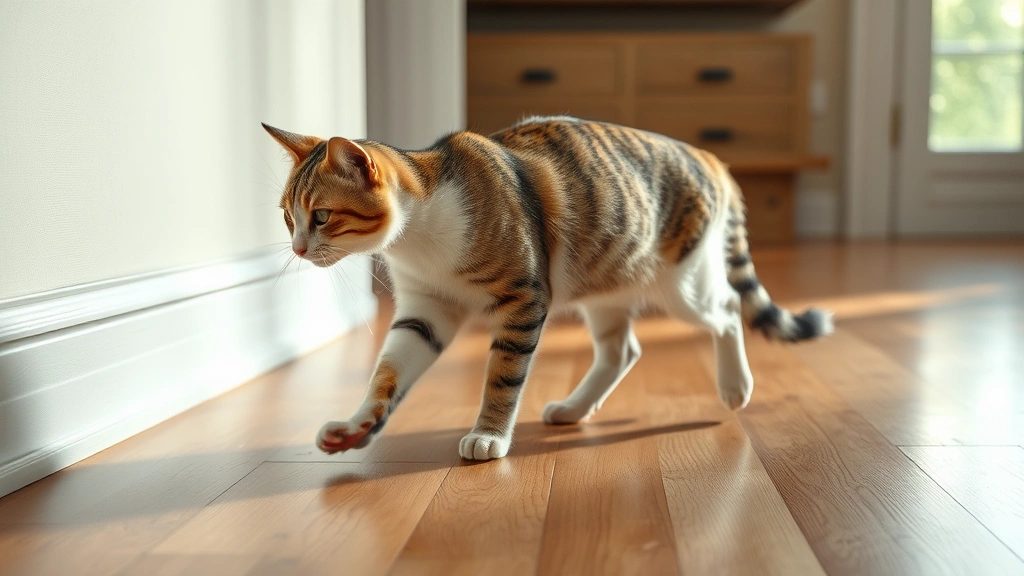
A short video can tell your vet so much more than a description alone. It shows your cat’s gait, weight distribution, and overall movement patterns in real time.
Tips for recording:
- Film your cat walking naturally across a clear, well-lit area (like a hallway or living room)
- Capture movement from the side so your vet can see the limb clearly
- Keep it short—15 to 30 seconds is plenty
- Avoid using the flash, which can startle your cat
- If your cat is reluctant to walk, try enticing them with a toy or treat
Upload this video during your online consultation so your vet can review it directly.
What to Expect During an Online Vet Consultation for Limping
Your telehealth appointment will follow a straightforward format. The vet will ask detailed questions, observe any video or photos you share, and do a thorough verbal assessment of your cat’s condition.
During the call, your vet will likely:
- Ask about the timeline and progression of the limp
- Inquire about pain signs (excessive grooming, reluctance to move, behavioral changes)
- Review your cat’s medical history
- Ask you to describe or show how your cat is moving
- Discuss any visible swelling, discharge, or abnormalities
- Recommend next steps based on what they learn
Be honest about what you’re observing, even if it seems minor. Every detail helps your vet make an informed recommendation.
When Online Consultation Is Enough—and When You Need In-Person Care
Not every limp requires an emergency vet visit, but some situations do. Your online vet can help you determine which category your cat falls into.
Online consultation may be sufficient if:
- The limp is mild and your cat is otherwise acting normal
- You suspect a minor soft tissue injury or paw pad issue
- Your cat is eating, drinking, and using the litter box normally
- There’s no visible swelling, discharge, or severe pain
In-person care is likely needed if:
- Your cat cannot bear weight on the leg at all
- There is significant swelling, discharge, or visible deformity
- Your cat is in obvious pain or very distressed
- The limp appeared suddenly after a known injury or fall
- Your cat has a fever, vomiting, or other systemic symptoms
- The limp is getting worse despite home care
If you are unsure whether your pet needs urgent care, a quick telehealth check-in can give you peace of mind—no appointment needed. Your vet can guide you on whether a physical exam is necessary.
Home Care Tips While You Wait for Your Vet Appointment
While you’re arranging a consultation, there are gentle steps you can take to help your cat feel more comfortable.
Safe home care strategies:
- Limit activity: Keep playtime calm and encourage rest on soft surfaces
- Provide easy access: Place food, water, and litter boxes on the same level to minimize jumping
- Check the paw: Gently examine the affected leg for cuts, splinters, or swelling (if your cat allows)
- Keep the area clean: If there’s a minor cut or scrape, gentle cleaning with warm water can help prevent infection
- Avoid medications: Don’t give over-the-counter pain relievers unless your vet specifically approves them
- Monitor closely: Watch for changes in behavior, appetite, or the severity of the limp
Most minor limps improve with rest and time, but professional guidance ensures you’re not missing something important.
The Advantages of The Pet Vet for Cat Limping Consultations
At The Pet Vet, our mission is to enhance pet well-being by providing convenient access to high-quality veterinary care through modern technology. When your cat is limping, we understand the worry and the desire for quick answers.
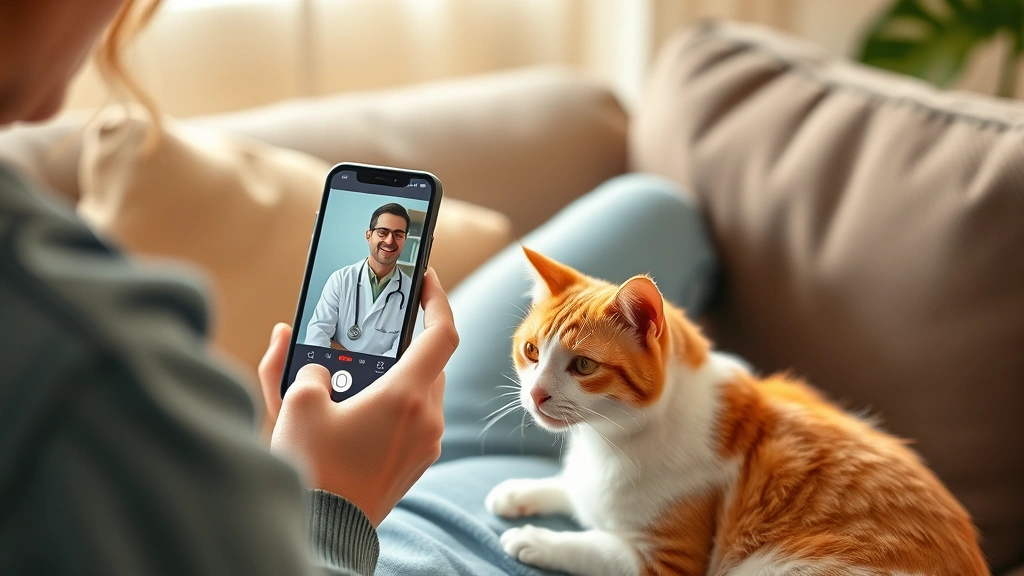
Our licensed veterinarians are experienced in assessing limping cats via telehealth. You can connect with a vet on your schedule, share videos and photos instantly, and receive clear guidance on whether home care is appropriate or if your cat needs an in-person exam. We take the guesswork out of deciding what to do next.
For more information on getting immediate support, explore our urgent vet consultation options. We’re here when you need us most.
Other Online Resources and When to Seek Additional Help
Beyond telehealth, authoritative sources like PetMD and the American Veterinary Medical Association (AVMA) offer excellent information about cat health. These resources can help you understand common conditions and prepare questions for your vet.
If your cat’s limp persists beyond a few days, worsens, or is accompanied by other symptoms, don’t hesitate to escalate to an in-person visit. Your instinct as a pet owner matters, and your vet is there to help clarify what’s going on.
For related concerns, you might also find it helpful to learn about torticollis in cats or explore our guide on asking your vet about cat itching for insight into how online consultations work for other feline health issues.
Summary: Taking Action for Your Limping Cat
Yes, you can talk to a vet about cat limping online, and it’s a practical, low-pressure way to get professional guidance quickly. Telehealth veterinary consultations allow you to describe your cat’s symptoms, share video evidence, and receive expert advice without the stress of an office visit.
The key is to gather relevant information beforehand, be honest about what you’re observing, and trust your vet’s recommendation on whether in-person care is needed. Most minor limps resolve with rest and monitoring, but professional input ensures you’re not overlooking something serious.
Your cat’s comfort and health are worth the peace of mind a quick consultation provides. Reach out today and get the answers you need.
Frequently Asked Questions
Can a vet diagnose a broken leg through a video call?
Not definitively—a broken leg typically requires X-rays, which means an in-person visit. However, your vet can assess the severity and determine if urgent care is needed based on your description and video.
How much does an online vet consultation cost for limping?
Costs vary by provider, but telehealth consultations are generally more affordable than in-person visits. Contact The Pet Vet directly for current pricing and package options.
Should I be worried if my cat is limping but acting normal otherwise?
Cats often hide pain, so a normal demeanor doesn’t rule out a serious issue. It’s still worth getting a professional opinion to rule out fractures, infections, or other conditions that may worsen without treatment.
Can my vet prescribe pain relief during an online consultation?
Many vets can issue prescriptions after a telehealth consultation, depending on your location and the situation. Discuss this with your vet during the call—they’ll let you know what’s possible.
What if the online vet thinks my cat needs an in-person exam?
Your vet will recommend the best next step, whether that’s an urgent in-person visit or a scheduled appointment. They’ll explain why and help you understand the priority level.
What To Do Now
- Gather information: Note when the limp started, which leg is affected, and any other symptoms your cat is showing.
- Record a video: Capture 15–30 seconds of your cat walking naturally in good lighting to share with your vet.
- Schedule a telehealth consultation: Book an appointment with The Pet Vet or your preferred online veterinary provider at a time that works for you.
- Prepare your questions: Write down any specific concerns or observations you want to discuss during the call.
- Follow your vet’s guidance: Whether they recommend home care, monitoring, or in-person follow-up, implement their advice and watch for changes.
This article is for general education and is not a substitute for care from your own veterinarian. Learn about The Pet Vet and our editorial policy.