
Yes, you can absolutely talk to a vet about cat licking paws online—and it’s often the fastest way to get answers when your furry friend won’t stop grooming those little toe beans. If you’ve noticed your cat obsessively licking their paws, you’re probably wondering what’s going on and whether it requires an emergency trip to the clinic. The good news? A telehealth consultation can help you understand what’s happening and decide on next steps, all from the comfort of your home.
Table of Contents
- Why Your Cat Won’t Stop Licking Their Paws
- Common Reasons Cats Lick Their Paws Excessively
- The Benefits of Online Vet Consultations for Paw Licking
- What to Expect During Your Online Vet Consultation
- How to Prepare for Your Telehealth Appointment
- Red Flags: When to Seek Urgent Care
- Common Treatments Discussed During Online Consultations
- Preventing Future Paw Licking Issues
- Why Telehealth Is Changing Pet Care
- Frequently Asked Questions
- What To Do Now
- Summary: Getting Help for Your Cat’s Paw Licking
This article is for informational purposes only and is not a substitute for professional veterinary advice. Always consult a licensed veterinarian for diagnosis and treatment.
Why Your Cat Won’t Stop Licking Their Paws
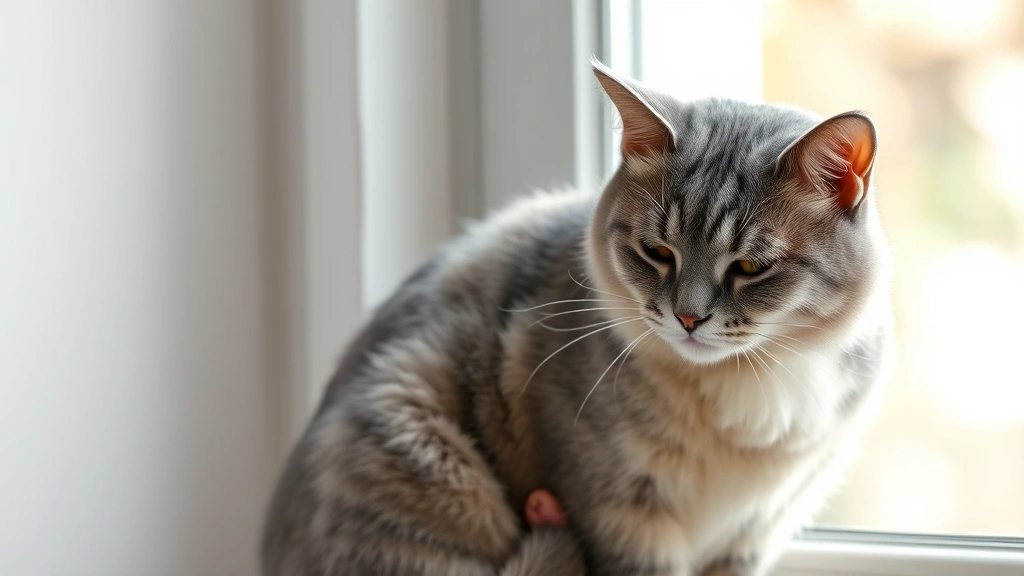
Cat paw licking is one of those behaviors that can mean several different things. Sometimes it’s totally normal grooming, but when it becomes excessive, it’s your cat’s way of telling you something needs attention. The behavior might stem from physical discomfort, allergies, stress, or even boredom—and pinpointing the cause is the first step toward relief.
Your cat’s paws are sensitive and packed with scent glands, so they naturally groom them regularly. However, when licking becomes obsessive or compulsive, that’s when you should take notice.
Common Reasons Cats Lick Their Paws Excessively
Understanding what might be driving your cat’s behavior helps you communicate more effectively with a veterinarian during an online consultation. Here are the most common culprits:
- Allergies: Food allergies, environmental allergies, or contact allergies often cause itchy paws. Your cat may be experiencing an allergic reaction that makes their paws feel uncomfortable.
- Parasites: Fleas, mites, or lice can trigger intense itching and excessive licking. Even indoor cats can pick up parasites.
- Skin infections: Fungal or bacterial infections (like ringworm) can cause localized irritation on the paws.
- Stress and anxiety: Cats sometimes lick their paws as a self-soothing behavior when anxious. This is similar to how humans might fidget or bite their nails.
- Pain or injury: A thorn, splinter, or injury between the toes could be causing discomfort.
- Dry skin: Especially during winter or in dry climates, your cat’s paw pads might become dry and itchy.
- Boredom or behavioral issues: Indoor cats with limited enrichment sometimes develop repetitive licking habits.
Catching this early puts you in a great position to help your cat feel better quickly.
The Benefits of Online Vet Consultations for Paw Licking
Telehealth veterinary services have transformed how pet owners access care. When you’re concerned about your cat’s paw licking, an online vet consultation offers several advantages that traditional clinic visits might not.
First, there’s convenience. You don’t need to wrestle your cat into a carrier or wait in a busy clinic. Instead, you can schedule a video call at a time that works for your schedule. Second, it’s usually faster—many telehealth platforms can connect you with a licensed vet within hours, not days. Third, it’s more affordable than an in-person visit for initial consultations.
During an online consultation, your vet can ask detailed questions about when the licking started, whether it’s seasonal, if you’ve noticed any other symptoms, and what your cat’s daily routine looks like. They can also ask you to show them your cat’s paws on video so they can visually assess the area.
What to Expect During Your Online Vet Consultation
Wondering what actually happens when you talk to a vet about cat licking paws online? The process is straightforward and designed to be stress-free for both you and your cat.
When you schedule your appointment, you’ll receive a video link and login instructions. A few minutes before your appointment, make sure you have your cat nearby (though they don’t need to be perfectly cooperative). The vet will start by asking you questions about your cat’s medical history, current symptoms, and any recent changes in behavior or environment.
Next, they’ll likely ask you to show them your cat’s paws on camera. This visual assessment helps them identify any obvious signs like redness, swelling, hair loss, or visible parasites. Be prepared to describe what you’ve observed: Is the licking constant or occasional? Are the paws red or inflamed? Has your cat’s behavior changed recently?
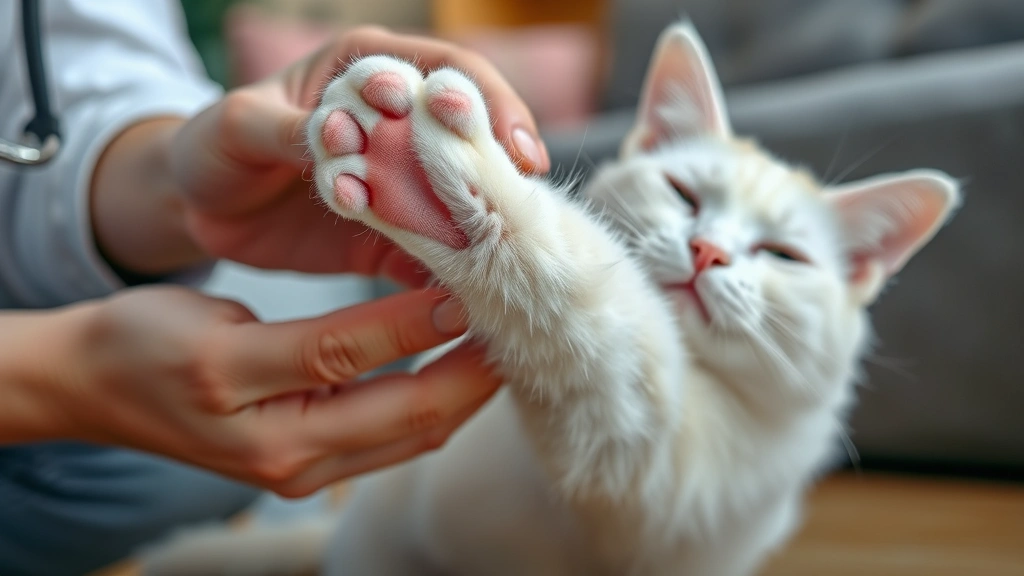
Based on this information, your vet will discuss possible causes and recommend next steps. They might suggest at-home care, recommend a prescription, or advise you to visit a local clinic for a more thorough in-person examination if needed.
How to Prepare for Your Telehealth Appointment
A little preparation makes your online consultation more productive. Here’s what you should do beforehand:
- Gather information: Write down when you first noticed the licking, how often it happens, and any other symptoms (like hair loss, redness, or discharge).
- Have your cat’s records ready: If your cat has seen a vet recently, have those notes accessible in case the telehealth vet asks questions about previous visits or medications.
- Test your technology: Make sure your internet connection is stable and your camera and microphone work properly.
- Choose a quiet space: Find a calm location where you can talk to the vet without too much background noise or distractions.
- Have your cat available: While you don’t need your cat to be perfectly still, having them nearby helps the vet see them on camera and assess their paws.
Red Flags: When to Seek Urgent Care
Most cases of excessive paw licking can be addressed through a routine telehealth consultation. However, certain signs warrant more immediate attention from an in-person veterinarian or emergency clinic.
Contact a vet urgently if your cat shows any of these symptoms:
- Severe swelling, redness, or discharge from the paws
- Limping or inability to bear weight on a paw
- Signs of infection like pus or a foul odor
- Visible wounds or deep cuts between the toes
- Your cat seems to be in pain or is crying when touching their paws
- The licking is accompanied by vomiting, diarrhea, or other systemic symptoms
If you are unsure whether your pet needs urgent care, a quick telehealth check-in can give you peace of mind—no appointment needed.
Common Treatments Discussed During Online Consultations
Your vet might recommend various approaches depending on what’s causing the paw licking. While we won’t discuss specific dosages here, here are common treatment categories your vet might mention:
- Flea and parasite prevention: Regular preventative treatments to protect against parasites.
- Dietary changes: If allergies are suspected, your vet might recommend an elimination diet or specialized food.
- Topical treatments: Balms, sprays, or ointments to soothe irritated paws.
- Anti-inflammatory options: To reduce swelling and discomfort.
- Environmental modifications: Suggestions for reducing stress or increasing enrichment.
- Behavioral management: Strategies to redirect your cat’s attention if the licking is stress-related.
Your vet will explain which approach makes sense for your cat’s specific situation.
Preventing Future Paw Licking Issues
Once you’ve addressed the current problem, prevention is key to keeping your cat’s paws healthy. Here are practical steps you can take:
- Keep up with regular flea and tick prevention as recommended by your vet.
- Maintain a clean living environment and wash your cat’s bedding regularly.
- Provide plenty of mental stimulation through toys, climbing structures, and interactive play.
- Monitor for any dietary changes or environmental stressors that might trigger licking.
- Schedule regular check-ups with your vet to catch issues early.
- Keep your cat’s paws clean and dry, especially after outdoor time.
Why Telehealth Is Changing Pet Care
The rise of telehealth veterinary services means you no longer have to wait weeks for an appointment or spend hours at a clinic. For concerns like excessive paw licking, where initial assessment and guidance can often happen over video, online consultations are a game-changer.
Pet owners appreciate the accessibility, affordability, and speed of telehealth. Vets benefit from being able to help more pets efficiently. Most importantly, cats like your furry friend get the care they need faster, which means less discomfort and faster relief.
Whether your cat’s paw licking is a minor issue or something more serious, talking to a vet online is a smart first step that puts you in control of your pet’s health journey.
Frequently Asked Questions
Can a vet diagnose the cause of paw licking from a video call?
A vet can often narrow down the cause through observation and detailed questioning, but some conditions may require an in-person exam or lab tests for a definitive diagnosis. Your telehealth vet will let you know if further evaluation is needed.
Is online vet care as effective as an in-person visit?
For initial consultations and non-emergency concerns like excessive paw licking, telehealth is very effective. However, some conditions do require physical examination or diagnostic testing that can only be done in-person.
How much does an online vet consultation cost?
Telehealth consultations are typically more affordable than in-person visits, often ranging from $30 to $100 depending on the platform and vet. Check with your specific provider for exact pricing.
What if my cat won’t cooperate during the video call?
Your vet understands that cats can be uncooperative! Describe what you see, answer questions about your cat’s behavior, and show the paws on camera if possible. You don’t need a perfectly behaved cat for the consultation to be helpful.
Can a telehealth vet prescribe medication for my cat?
Yes, many telehealth vets can prescribe medications after an online consultation. The prescription is typically sent to your preferred pharmacy or shipped directly to you, depending on your location and local regulations.
What To Do Now
- Schedule a telehealth consultation: Contact The Pet Vet or another telehealth platform to book an appointment with a licensed veterinarian about your cat’s paw licking.
- Document your observations: Write down when the licking started, how often it happens, any visible changes to the paws, and any other symptoms you’ve noticed.
- Gather your cat’s medical records: Have any recent vet visit notes, medication history, and vaccination records ready to share with your online vet.
- Prepare your environment: Test your internet connection, camera, and microphone before your appointment to ensure a smooth consultation.
- Follow up as recommended: After your consultation, implement any suggestions your vet provides and schedule a follow-up if they recommend it.
Summary: Getting Help for Your Cat’s Paw Licking
If you’ve been wondering whether you can talk to a vet about cat licking paws online, the answer is a resounding yes. Telehealth veterinary services offer a convenient, affordable, and effective way to address your cat’s excessive grooming behavior without the stress of a clinic visit.
Whether the cause is allergies, parasites, stress, or something else entirely, a licensed vet can help you identify the problem and develop a treatment plan. The process is simple: schedule an appointment, prepare your information, and connect with a vet via video call.
Don’t let your cat suffer in silence. If you’ve noticed excessive paw licking, reach out to a telehealth vet today. Your cat’s comfort and well-being are worth it, and you’ll have answers much faster than you might expect. For related concerns, you might also want to explore resources about cat itching or cat anxiety online if those seem relevant to your situation.
Remember, early intervention often leads to better outcomes. Take action today and give your cat the relief they deserve.
External Resources: