
If you’ve noticed your dog panting more than usual, it’s natural to wonder whether you should ask vet about dog panting and what might be causing it. Dog panting is one of those behaviors that can mean everything from “I just played fetch” to “something’s not quite right,” and knowing the difference can help you respond with confidence.
Table of Contents
- Why Do Dogs Pant in the First Place?
- Heat-Related Panting and Overheating
- Anxiety and Stress-Induced Panting
- Respiratory and Airway Issues
- Heart Disease and Cardiovascular Concerns
- Thyroid Dysfunction and Metabolic Changes
- Pain and Discomfort
- Infections and Fever
- Medication Side Effects and Allergies
- When to Seek Immediate Veterinary Care
- What to Do Now: 5 Actionable Steps
- Questions to Ask Your Vet
- Frequently Asked Questions
- Summary: Taking Action on Your Dog’s Panting
This article is for informational purposes only and is not a substitute for professional veterinary advice. Always consult a licensed veterinarian for diagnosis and treatment.
The truth is, panting is a normal cooling mechanism for dogs—they don’t sweat like humans do, so they rely on rapid breathing to regulate body temperature. But excessive or unusual panting can signal underlying health concerns that deserve attention. In this guide, we’ll walk through the most common causes of dog panting, when it warrants a vet visit, and how to recognize warning signs that shouldn’t be ignored.
Why Do Dogs Pant in the First Place?
Before diving into what might be wrong, it helps to understand normal panting. Dogs pant to cool themselves down because they lack functional sweat glands across their bodies. When your dog runs around the backyard or sits in a warm room, panting is their built-in air conditioning system.
Beyond temperature regulation, dogs also pant when they’re excited, anxious, or stressed. A panting pup after a car ride or vet visit is usually just processing emotion, not necessarily experiencing a medical emergency. The key is learning to distinguish between normal panting and the kind that signals something needs attention.
Heat-Related Panting and Overheating
One of the most straightforward reasons for panting is heat exposure. Dogs overheat more easily than humans, especially breeds with thick coats or flat faces like Bulldogs and Pugs. If your dog has been playing outside on a warm day or trapped in a hot car, excessive panting is their body’s distress signal.
Signs of heat-related stress go beyond panting. Watch for drooling, lethargy, red gums, or stumbling. If you suspect heat exhaustion, move your dog to a cool space, offer water, and contact your vet immediately. Catching this early puts you in a great position to help your dog recover safely.
Prevention is easier than treatment: avoid leaving dogs in hot cars, limit exercise during peak heat hours, and always provide shade and fresh water during outdoor time.
Anxiety and Stress-Induced Panting
Dogs with anxiety often pant heavily, especially during thunderstorms, fireworks, or car rides. This type of panting is a stress response and doesn’t indicate a physical illness, but it does show your dog is uncomfortable. If your pup pants predictably during certain situations, anxiety is likely the culprit.
You might also notice other anxiety behaviors like pacing, whining, or trying to hide. Some dogs benefit from calming supplements, anxiety wraps, or desensitization training. If stress-related panting is affecting your dog’s quality of life, talk to a vet about dog panting patterns to explore management strategies.
Respiratory and Airway Issues
When panting becomes labored or sounds wheezy, respiratory problems may be at play. Conditions like collapsing trachea, laryngeal paralysis, or chronic bronchitis can cause dogs to work harder to breathe. These dogs often pant even at rest or in cool environments.
Brachycephalic (flat-faced) breeds are particularly prone to airway obstruction and may pant excessively as a normal part of their anatomy. However, if a flat-faced dog suddenly pants more than usual, that’s a signal to get a professional evaluation. Respiratory issues can progress, so early intervention matters.
Heart Disease and Cardiovascular Concerns
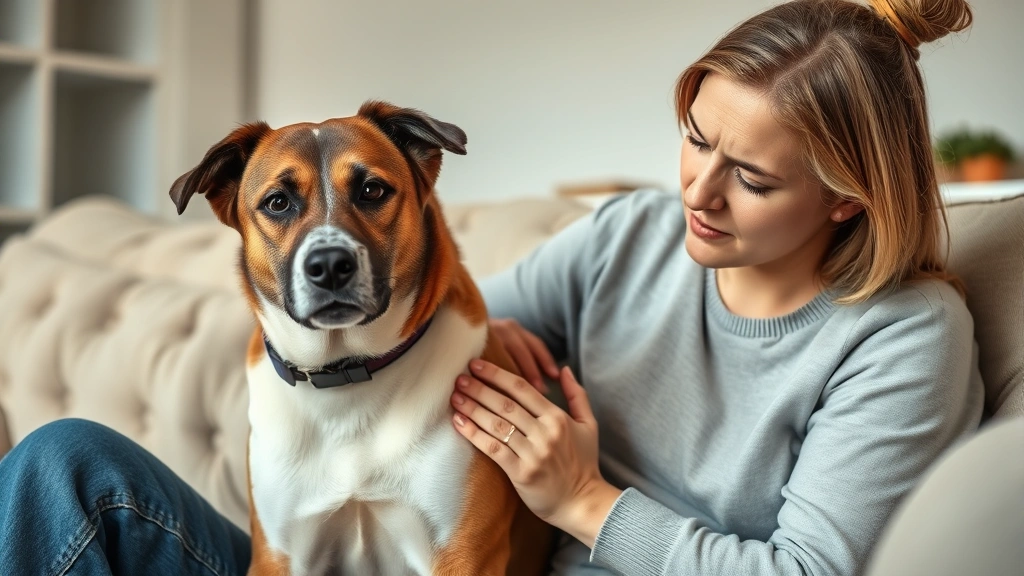
Excessive panting can be an early sign of heart problems, especially in senior dogs or certain breeds predisposed to dog heart disease. When the heart isn’t pumping efficiently, the body compensates by breathing faster to get more oxygen. This panting often occurs at rest and may worsen with minimal activity.
Other signs of heart issues include coughing, fatigue, or difficulty exercising. If your dog is older or has a family history of heart disease, don’t hesitate to ask your vet about panting during a routine checkup. Detecting heart problems early can significantly extend your dog’s quality of life.
Thyroid Dysfunction and Metabolic Changes
An overactive thyroid (hyperthyroidism, though rare in dogs) or other metabolic imbalances can trigger constant panting. Dog thyroid disorder sudden onset may also cause weight loss, increased appetite, and restlessness alongside panting. Senior dogs are more susceptible to these conditions.
Blood work is the only way to confirm thyroid issues, so if panting is accompanied by other unexplained changes in behavior or appetite, scheduling a vet visit is essential. Thyroid conditions are very manageable once diagnosed.
Pain and Discomfort
Dogs in pain often pant as a stress response, even if the pain isn’t obvious to you. Arthritis, dental disease, or internal injuries can all trigger excessive panting. If your dog is panting more but showing no other obvious signs, consider whether they might be uncomfortable.
Look for subtle clues: reluctance to jump, difficulty standing, or sensitivity when touched in certain areas. Older dogs especially may mask pain until it becomes severe. A vet can perform a thorough physical exam to identify hidden sources of discomfort.
Infections and Fever
When dogs develop infections—whether bacterial, viral, or fungal—fever often follows. Panting is the body’s attempt to cool itself down during a fever. If your dog feels warm to the touch, seems lethargic, or has lost appetite, infection could be the cause.
Other signs include vomiting, diarrhea, or discharge from eyes or nose. Infections need prompt veterinary attention because they can escalate quickly. If you suspect your dog has an infection, don’t wait—reach out to your vet right away.
Medication Side Effects and Allergies
Some medications and allergic reactions can trigger panting as a side effect. If you recently started your dog on a new medication and noticed increased panting, mention this to your vet. They may adjust the dose or switch to an alternative.
Allergies—whether food-related or environmental—can also cause panting along with itching, swelling, or respiratory symptoms. Identifying and removing the allergen often resolves the panting. Your vet can help pinpoint what’s triggering the reaction.
When to Seek Immediate Veterinary Care
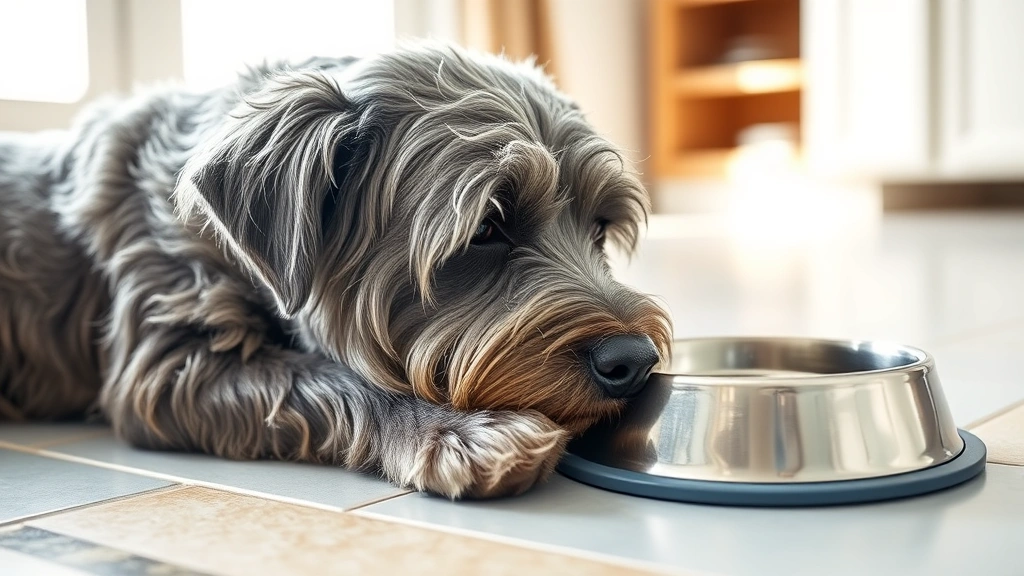
Not all panting requires an emergency vet visit, but certain situations demand urgent attention. If your dog is panting heavily, has difficulty breathing, appears confused, or has pale or blue-tinged gums, call your vet or emergency clinic immediately.
Also seek urgent care if panting is accompanied by:
- Collapse or loss of consciousness
- Severe drooling or inability to swallow
- Unresponsiveness to your voice
- Suspected heat stroke (high body temperature, weakness)
- Sudden onset with no clear trigger
When in doubt, it’s always better to err on the side of caution with your furry friend.
What to Do Now: 5 Actionable Steps
- Document the panting: Note when it occurs, how long it lasts, and what your dog is doing. Is it during exercise, at rest, or in specific situations? This information helps your vet narrow down the cause.
- Check your dog’s temperature: A normal dog temperature is 101–102.5°F. If you have a pet thermometer, taking a reading can provide valuable information to share with your vet.
- Schedule a vet appointment: If panting is new, excessive, or accompanied by other changes, book a visit. Talk to a vet about puppy panting online or in person to get a professional assessment.
- Consider a telehealth consultation: If you’re unsure whether your pet needs urgent care, a quick telehealth check-in can give you peace of mind—no appointment needed. The Pet Vet offers fast, convenient access to licensed veterinarians who can evaluate your dog’s symptoms.
- Keep your dog cool and comfortable: While awaiting a vet visit, ensure your dog has access to shade, fresh water, and a cool resting area. Avoid strenuous activity in hot weather.
Questions to Ask Your Vet
When you do ask vet about dog panting, come prepared with these questions:
- “Is this panting normal for my dog’s age and breed?”
- “What diagnostic tests would help identify the cause?”
- “Are there lifestyle changes that could help?”
- “When should I call if symptoms worsen?”
- “What’s the treatment plan if a condition is found?”
Frequently Asked Questions
Is panting always a sign something is wrong with my dog?
No. Panting is normal after exercise, in warm weather, or when your dog is excited or anxious. However, excessive panting at rest or in cool environments warrants a vet check.
How much panting is too much?
If your dog is panting more than usual for their age, breed, and activity level, or if it’s accompanied by other symptoms, it’s time to consult your vet. Trust your instincts—you know your dog best.
Can I treat dog panting at home?
For heat-related or anxiety-induced panting, home management (cooling, hydration, calming techniques) helps. For underlying medical conditions, professional diagnosis and treatment are necessary.
Should I be worried if my senior dog pants more?
Senior dogs may pant more due to age-related changes, but increased panting can also signal heart disease or other conditions. A vet evaluation ensures nothing serious is missed.
Can I get a vet opinion online about my dog’s panting?
Yes. Telehealth veterinarians can assess your dog’s symptoms, ask detailed questions, and recommend next steps—often without a clinic visit. This is especially helpful for quick peace-of-mind checks.
Summary: Taking Action on Your Dog’s Panting
Dog panting ranges from completely normal to a sign of something that needs attention. The seven causes we’ve covered—heat exposure, anxiety, respiratory issues, heart disease, thyroid dysfunction, pain, and infection—represent the most common culprits. By staying observant and knowing when to reach out to your vet, you’re already doing right by your dog.
Remember, panting that’s new, excessive, or paired with other behavioral or physical changes deserves professional evaluation. Don’t hesitate to ask vet about dog panting during your next appointment, or consider a quick telehealth consultation if you want answers sooner. Early detection of health issues often leads to simpler, more effective treatment—and that means more happy, healthy years with your beloved companion.
Your dog depends on you to notice when something feels off. Trust that instinct, gather information, and reach out to a vet. You’re doing great.
This article is for general education and is not a substitute for care from your own veterinarian. Learn about The Pet Vet and our editorial policy.