
If your cat is vomiting, you’re probably feeling worried and wondering what might be wrong—and that’s completely natural. When you talk to vet about cat vomiting, you’re taking the right first step toward helping your furry friend feel better. Cat vomiting can range from occasional hairballs to signs of something more serious, and understanding what your vet might recommend can help you feel more confident in caring for your cat.
Table of Contents
- Why You Should Talk to Your Vet About Cat Vomiting
- Common Causes of Cat Vomiting
- When to Talk to Your Vet Immediately
- Understanding Medications Your Vet Might Recommend
- 1. Anti-Nausea Medications (Antiemetics)
- 2. Acid Reducers and Stomach Protectants
- 3. Probiotics and Digestive Enzymes
- 4. Antibiotics (When Infection Is Present)
- 5. Medications for Underlying Conditions
- Questions to Ask Your Vet About Cat Vomiting Medications
- Supporting Your Cat at Home While on Medication
- When to Follow Up With Your Vet
- Frequently Asked Questions
- What To Do Now
- Summary
This article is for informational purposes only and is not a substitute for professional veterinary advice. Always consult a licensed veterinarian for diagnosis and treatment.
Why You Should Talk to Your Vet About Cat Vomiting
Vomiting in cats isn’t always an emergency, but it’s never something to ignore. Your veterinarian can help identify whether your cat is dealing with a minor issue like hairballs or something that requires more attention, such as food sensitivities, infections, or digestive disorders.
When you talk to vet about cat vomiting, your vet will ask about frequency, what the vomit looks like, and whether your cat shows other symptoms like weight loss or changes in appetite. This information helps them narrow down the cause and recommend the right treatment plan.
Common Causes of Cat Vomiting
Before diving into medications, it helps to understand what might be triggering your cat’s vomiting. The causes vary widely, and some are more serious than others.
- Hairballs: One of the most common reasons cats vomit, especially long-haired breeds.
- Food sensitivities or allergies: Your cat may be reacting to certain ingredients in their food.
- Gastroenteritis: Inflammation of the stomach and intestines, often caused by infections or dietary changes.
- Pancreatitis: Chronic pancreatitis in cats can cause recurring vomiting and requires careful management.
- Intestinal blockages: If your cat has swallowed something they shouldn’t have, this could be a medical emergency. Learn more about intestinal obstruction in cats.
- Kidney disease: Older cats are particularly prone to this condition.
- Hyperthyroidism: More common in senior cats, this condition can trigger nausea and vomiting.
Catching this early puts you in a great position to help your cat feel better faster.
When to Talk to Your Vet Immediately
Some situations require urgent veterinary attention. If your cat is vomiting repeatedly, showing signs of severe dehydration, or if vomiting is accompanied by lethargy, abdominal pain, or inability to keep food down, don’t wait—reach out to your vet right away.
If you’re unsure whether your cat needs urgent care, a quick telehealth check-in can give you peace of mind—no appointment needed. Our vets can assess your cat’s symptoms and guide you on next steps.
Understanding Medications Your Vet Might Recommend
Once your vet has identified the cause of your cat’s vomiting, they may recommend medication to help manage symptoms and address the underlying issue. Here are five types of medications commonly used to help cats with vomiting.
1. Anti-Nausea Medications (Antiemetics)
Anti-nausea medications are often the first line of defense when treating cat vomiting. These medications work by blocking signals in your cat’s brain that trigger the vomiting reflex, helping them feel more comfortable and keep food down.
Your vet may recommend different antiemetic options depending on what’s causing the vomiting and how your cat responds. These medications can be especially helpful for cats with chronic conditions that cause ongoing nausea. Many pet owners notice their cats eating better and gaining back lost weight once nausea is controlled.
2. Acid Reducers and Stomach Protectants
When stomach acid is irritating your cat’s digestive tract, acid-reducing medications can provide relief. These drugs help protect the stomach lining and reduce inflammation, making it easier for your cat to feel comfortable eating again.
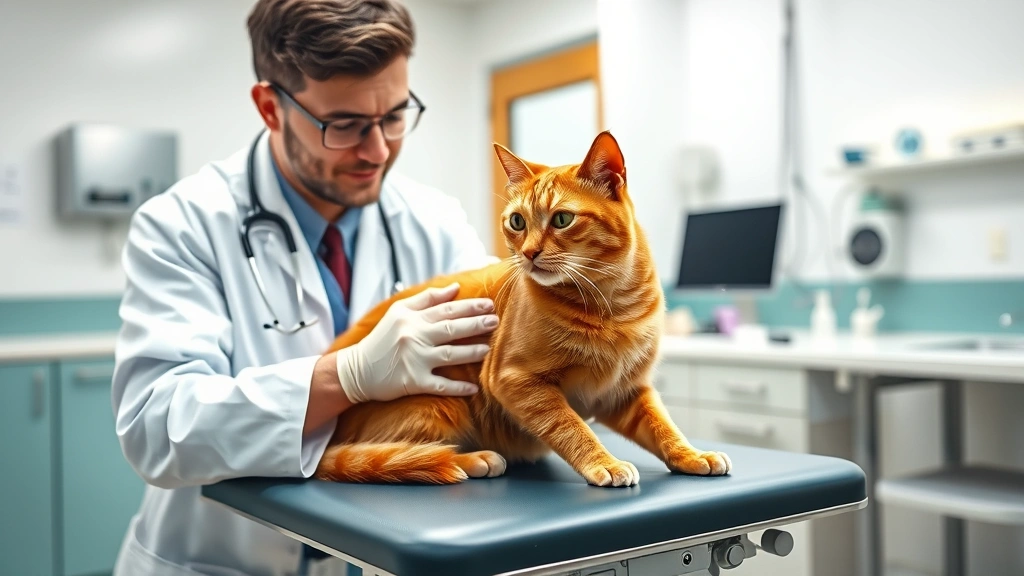
Stomach protectants work by creating a protective barrier over the stomach lining, which is especially helpful for cats with gastritis or those recovering from dietary indiscretion. Your vet will determine if your cat needs this type of support based on their symptoms and exam findings.
3. Probiotics and Digestive Enzymes
A healthy digestive system depends on beneficial bacteria and proper enzyme function. When your cat’s gut flora is out of balance—sometimes from antibiotics, dietary changes, or infection—probiotics can help restore balance.
Digestive enzymes support your cat’s ability to break down and absorb nutrients from food. Together, these supplements can reduce vomiting triggered by poor digestion and help your cat’s digestive system work more smoothly. Many cats show improvement within a few weeks of starting these supplements.
4. Antibiotics (When Infection Is Present)
If your cat’s vomiting is caused by a bacterial infection—such as gastroenteritis from contaminated food or water—your vet may prescribe antibiotics. These medications target the infection and allow your cat’s stomach to heal.
It’s important to give antibiotics exactly as prescribed, even if your cat starts feeling better. Stopping too early can allow the infection to return. Your vet will let you know how long your cat needs to be on medication and whether any follow-up visits are needed.
5. Medications for Underlying Conditions
Sometimes vomiting is a symptom of a larger health issue. If your cat has pancreatitis, kidney disease, hyperthyroidism, or another chronic condition, treating that underlying problem is key to stopping the vomiting.
Your vet will create a treatment plan tailored to your cat’s specific diagnosis. Managing the root cause often means the vomiting improves naturally as your cat’s overall health stabilizes. This is why getting a proper diagnosis is so important.
Questions to Ask Your Vet About Cat Vomiting Medications
When you talk to vet about cat vomiting and medication options, here are some important questions to ask:
- What is the most likely cause of my cat’s vomiting?
- How will this medication help my cat feel better?
- Are there any side effects I should watch for?
- How long will my cat need to take this medication?
- Should I make any changes to my cat’s diet?
- When should I expect to see improvement?
- What should I do if the medication doesn’t seem to be working?
Your vet is there to support you, and asking questions shows you’re committed to your cat’s care.
Supporting Your Cat at Home While on Medication
While medication does the heavy lifting, you can support your cat’s recovery at home too. Feed smaller, more frequent meals rather than one large meal, as this is easier on the digestive system. Make sure fresh water is always available to prevent dehydration.
Some vets recommend a bland diet temporarily—your vet can advise if this is right for your cat. Keep stress levels low, provide a comfortable resting space, and monitor your cat’s appetite and bathroom habits. These observations help your vet track whether treatment is working.
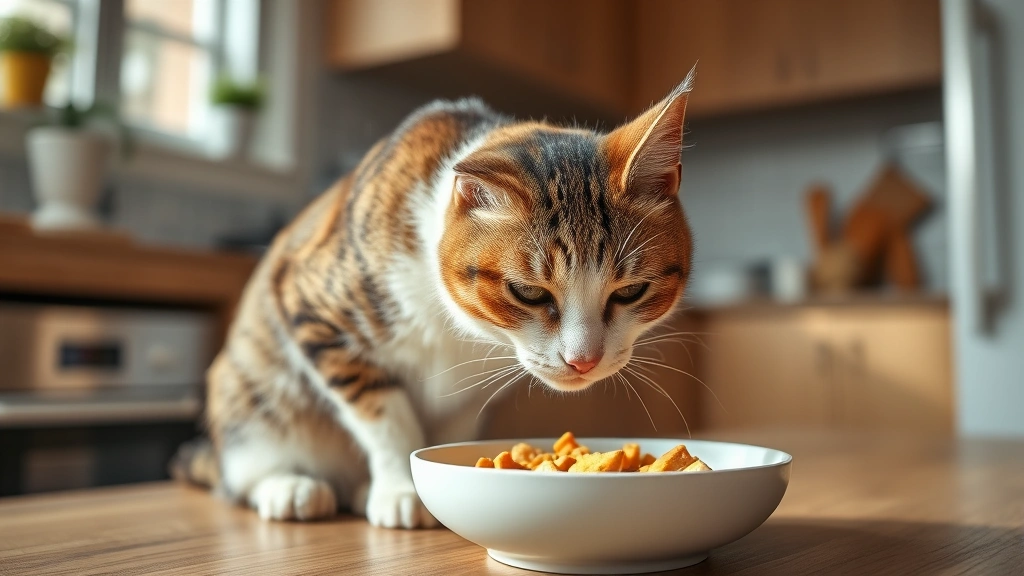
Most importantly, give medications exactly as prescribed. Set phone reminders if needed, and don’t skip doses even if your cat seems better. Consistency is key to getting your cat back to their normal self.
When to Follow Up With Your Vet
Your vet will likely want to see your cat for a follow-up visit to assess how the medication is working. If your cat isn’t improving after a week or two, or if new symptoms develop, contact your vet right away.
Some cats need long-term medication management, while others recover fully once the underlying cause is treated. Your vet will guide you on what to expect and when adjustments might be needed.
Frequently Asked Questions
Is occasional vomiting in cats normal?
Occasional vomiting from hairballs or minor dietary upset can be normal, but frequent or recurring vomiting always warrants a vet visit. If your cat vomits more than once or twice a month, it’s time to talk to your vet.
Can I treat my cat’s vomiting at home without seeing a vet?
While minor cases might improve with dietary changes, you won’t know the cause without professional evaluation. Seeing a vet ensures nothing serious is being missed and gets your cat the right treatment faster.
How long does it take for anti-nausea medication to work?
Many cats show improvement within 24-48 hours of starting medication, though some take a bit longer. Your vet will monitor progress and adjust treatment if needed.
Can I get a vet consultation online about my cat’s vomiting?
Yes! You can talk to a vet about cat vomiting online through telehealth services like The Pet Vet, which is convenient and often faster than scheduling an in-person appointment.
What if my kitten is vomiting?
Kittens can vomit for different reasons than adult cats. Learn more about kitten vomiting and when to seek help from a vet who specializes in young cats.
What To Do Now
Don’t wait and hope the vomiting goes away on its own. Here are the steps to take right now:
- Document your cat’s symptoms: Write down when vomiting occurs, what the vomit looks like, and any other signs like weight loss or appetite changes. This information helps your vet make a faster diagnosis.
- Schedule a vet appointment or telehealth consultation: Ask a vet online if you need quick guidance, or book an in-person visit with your regular vet for a thorough exam.
- Prepare a list of questions: Before your appointment, jot down the questions you want to ask about medications, diet, and what to expect during recovery.
- Follow your vet’s treatment plan exactly: Once you have a diagnosis and medication plan, stick to it consistently. Set reminders for medication times and monitor how your cat responds.
- Watch for warning signs: If your cat stops eating, becomes lethargic, or vomiting worsens, contact your vet immediately rather than waiting for the next scheduled visit.
Summary
Seeing your cat vomit is stressful, but the good news is that vomiting is very treatable once you know what’s causing it. When you talk to vet about cat vomiting, you’re opening the door to answers and relief for your cat. Whether the solution involves anti-nausea medication, treating an underlying condition, or making dietary adjustments, your vet has tools to help.
The five types of medications discussed here—antiemetics, acid reducers, probiotics, antibiotics, and condition-specific treatments—represent the main approaches vets use to manage cat vomiting. Each cat is unique, and your vet will recommend what’s best for your individual pet.
Take action today by reaching out to your vet or connecting with a vet online. Your cat is counting on you, and getting professional guidance is the fastest way to get them back to feeling like themselves.
This article is for general education and is not a substitute for care from your own veterinarian. Learn about The Pet Vet and our editorial policy.