
When you ask a vet about your cat not eating, you’re taking the right first step—because a loss of appetite in cats is never something to ignore. If your feline friend has turned away from their food bowl, you’re probably feeling worried, and that concern is completely valid. Cats are creatures of habit, and when they suddenly stop eating, it’s their way of telling us something isn’t right.
Table of Contents
- Why Cats Stop Eating: The Most Common Culprits
- When to Ask Your Vet: Red Flags You Shouldn’t Ignore
- Dental Disease: A Hidden Appetite Killer
- Gastrointestinal Issues and Appetite Loss
- Stress, Anxiety, and Environmental Factors
- Infections and Systemic Disease
- Solution 1: Schedule a Veterinary Exam
- Solution 2: Evaluate and Adjust the Food
- Solution 3: Address Stress and Environmental Changes
- Solution 4: Check for Dental Problems at Home
- Solution 5: Monitor Hydration and Litter Box Habits
- Solution 6: Offer Tempting, Nutrient-Dense Foods
- Solution 7: Know When to Seek Emergency Care
- Frequently Asked Questions
- What To Do Now
- Summary: Taking Action on Your Cat’s Appetite Loss
This article is for informational purposes only and is not a substitute for professional veterinary advice. Always consult a licensed veterinarian for diagnosis and treatment.
The good news? Many causes of decreased appetite in cats are treatable, especially when caught early. Understanding what might be happening and knowing when to reach out to your vet can make all the difference in getting your cat back to their normal, food-loving self.
Why Cats Stop Eating: The Most Common Culprits
There are dozens of reasons why your cat might be refusing meals. Some are minor and resolve on their own, while others require prompt veterinary attention. The key is learning to distinguish between them so you can act quickly.
Stress and environmental changes top the list. Cats are sensitive creatures, and a new pet, a move to a different home, or even rearranged furniture can trigger appetite loss. Similarly, dental problems—like tooth decay, gum disease, or a loose tooth—make eating painful, so your cat simply avoids food altogether. Catching this early puts you in a great position to help.
Gastrointestinal issues such as nausea, constipation, or inflammatory bowel disease can also suppress appetite. Meanwhile, infections, fever, and systemic diseases like kidney disease or diabetes frequently cause cats to lose interest in food. These conditions require veterinary diagnosis and care.
When to Ask Your Vet: Red Flags You Shouldn’t Ignore
Some situations demand immediate veterinary attention. If your cat hasn’t eaten for more than 24 hours, especially if they’re also vomiting, lethargic, or showing signs of pain, contact your vet right away. Cats can develop hepatic lipidosis (fatty liver disease) within just a few days of not eating, so time matters.
Other warning signs include:
- Excessive drooling or difficulty swallowing
- Bad breath or visible mouth sores
- Weight loss over a short period
- Behavioral changes like hiding or aggression
- Vomiting alongside appetite loss
- Diarrhea or constipation
If you notice any of these, don’t wait. Talk to a vet about cat vomiting and other digestive concerns as soon as possible.
Dental Disease: A Hidden Appetite Killer
Many pet owners are surprised to learn that dental problems are one of the leading causes of reduced appetite in cats. When a tooth hurts, eating becomes an unpleasant experience, and your cat will naturally avoid it.
Signs of dental disease include:
- Bad breath that’s noticeably worse than usual
- Visible tartar or discoloration on teeth
- Drooling or dropping food from the mouth
- Pawing at the mouth or face
- Swelling around the jaw or face
Your vet can perform a thorough oral exam and professional cleaning if needed. Many cats return to eating normally once their mouth feels better.
Gastrointestinal Issues and Appetite Loss
The digestive system plays a huge role in appetite regulation. When something’s off in your cat’s gut, they feel nauseous or uncomfortable, which naturally makes them want to skip meals.
Common digestive culprits include inflammatory bowel disease (IBD), food sensitivities, parasites, and even hairballs. Some cats develop nausea from kidney disease or other systemic conditions. Your vet can run diagnostic tests—like bloodwork or imaging—to pinpoint the problem.
In the meantime, consult with a vet about cat diarrhea or other digestive symptoms that often accompany appetite loss.
Stress, Anxiety, and Environmental Factors
Cats thrive on routine and familiarity. Major changes—whether it’s a new pet, a house move, or even a new food bowl—can trigger stress-related appetite loss. Some cats are also sensitive to loud noises, changes in their environment, or disruptions to their daily schedule.
If stress seems to be the culprit, try these calming strategies:
- Maintain a consistent feeding schedule and routine
- Create a quiet, safe space where your cat can eat undisturbed
- Use feline pheromone products (like Feliway) to reduce anxiety
- Avoid sudden changes to their environment when possible
- Spend quality time with your cat to reinforce their sense of security
Most stress-related appetite loss resolves once your cat adjusts to the change. However, if it persists beyond a few days, check in with your vet to rule out underlying health issues.
Infections and Systemic Disease
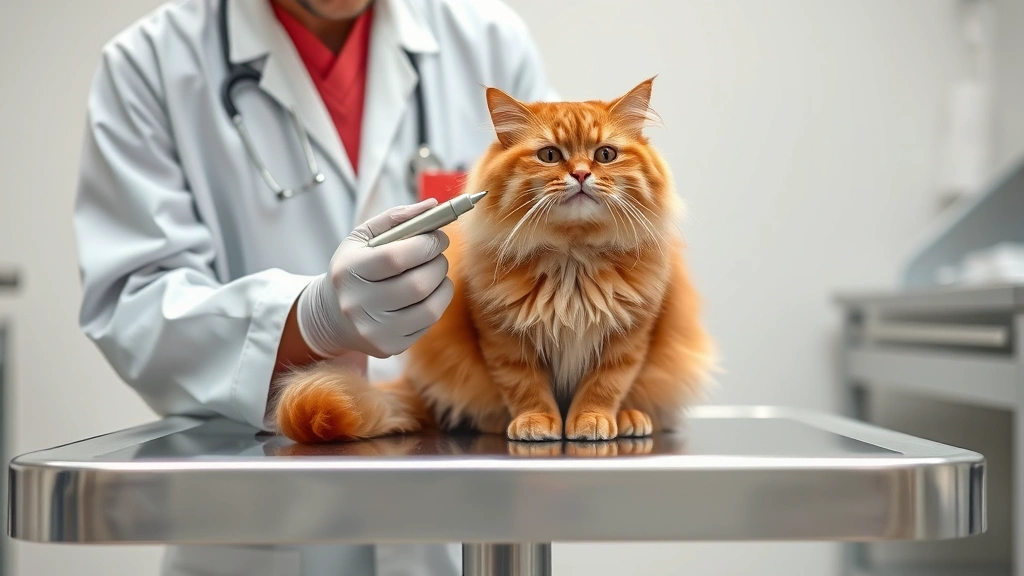
Fever, infections, and systemic diseases like diabetes, hyperthyroidism, and kidney disease commonly cause appetite loss in cats. These conditions affect how your cat feels overall—they may seem lethargic, drink more water than usual, or show other subtle signs.
Feline leukemia (FeLV) and feline immunodeficiency virus (FIV) are serious infections that suppress appetite. Respiratory infections and urinary tract infections can also make your cat feel too unwell to eat. Your vet will run bloodwork and other diagnostics to identify these conditions.
Early detection of systemic disease dramatically improves outcomes, so don’t delay seeking professional advice if your cat’s appetite loss is accompanied by other symptoms.
Solution 1: Schedule a Veterinary Exam
The first and most important step is scheduling a comprehensive vet visit. Your vet will perform a physical exam, ask detailed questions about your cat’s behavior and symptoms, and likely recommend bloodwork or imaging to identify the underlying cause.
Bring a list of observations: When did the appetite loss start? Is your cat drinking more or less water? Have there been any changes in behavior, litter box habits, or weight? The more information you provide, the better your vet can help.
If you’re unsure whether your pet needs urgent care, a quick telehealth check-in can give you peace of mind—no appointment needed. Many vets offer online consultations to discuss your concerns before scheduling an in-person visit.
Solution 2: Evaluate and Adjust the Food
Sometimes the issue is simpler than you think. Has the food brand or formula changed recently? Did you switch to a new bowl or feeding location? Cats can be picky, and even minor changes can trigger appetite loss.
Try these adjustments:
- Return to the previous food if you recently switched brands
- Offer food at room temperature (cold food is less appealing)
- Use a ceramic or glass bowl instead of plastic (some cats dislike plastic)
- Place the food bowl away from the water bowl and litter box
- Try a different feeding location if the current one feels stressful
If your cat has always been a picky eater, consult your vet about nutritionally balanced options they might prefer.
Solution 3: Address Stress and Environmental Changes
If stress seems to be driving the appetite loss, focus on creating a calm, predictable environment. Minimize loud noises, give your cat a quiet retreat space, and maintain consistent feeding times.
Pheromone diffusers and calming supplements (discussed with your vet first) can help reduce anxiety. Some cats also benefit from interactive play or environmental enrichment, which can actually improve appetite by boosting overall well-being.
For cats dealing with major life changes, patience and consistency are your best tools. Most cats readjust within a week or two, but your vet can advise on additional support if needed.
Solution 4: Check for Dental Problems at Home
While you wait for a vet appointment, do a gentle home check of your cat’s mouth. Look for visible tartar, swollen or red gums, or broken teeth. Smell their breath—if it’s unusually foul, dental disease is likely.
Gently lift your cat’s lip and inspect the teeth and gums. Don’t force anything; if your cat is in pain, they may resist. Simply observing what you can see is helpful information for your vet.
Prevention is easier than treatment, so ask your vet about dental care options, including professional cleanings and at-home brushing techniques.
Solution 5: Monitor Hydration and Litter Box Habits
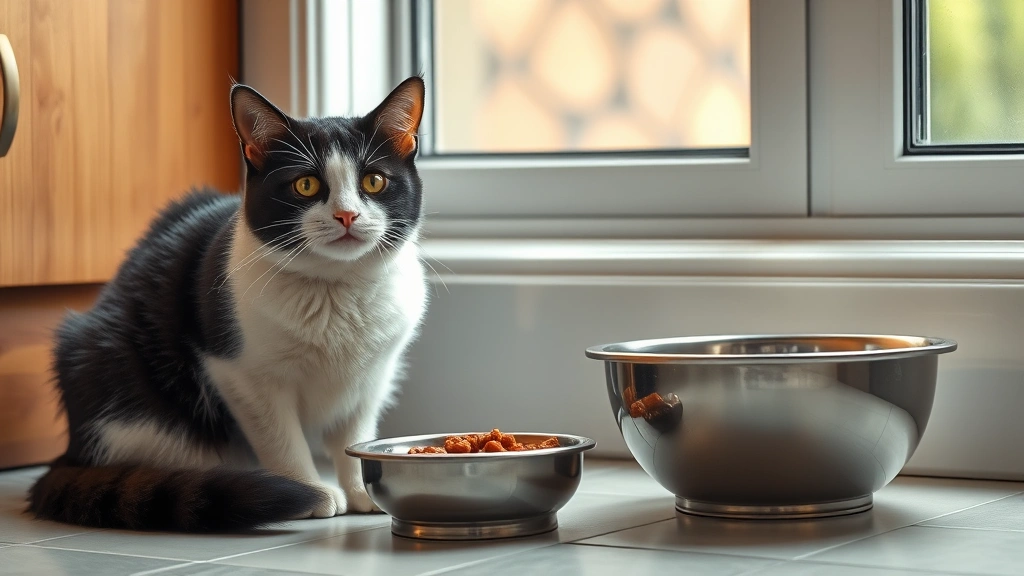
While appetite loss is concerning, hydration is equally important. Make sure your cat has constant access to fresh water. Some cats prefer running water, so a cat water fountain might encourage drinking.
Also pay attention to litter box habits. Are they urinating normally? Is their urine darker or lighter than usual? Constipation or diarrhea alongside appetite loss can indicate digestive or systemic issues that your vet needs to know about.
Keep notes on these observations to share with your veterinarian—they provide valuable clues about what’s happening.
Solution 6: Offer Tempting, Nutrient-Dense Foods
While your cat isn’t eating much, quality matters more than quantity. Offer foods that are highly palatable and nutrient-dense. Wet food is often more appealing than dry kibble, especially if your cat is feeling nauseous.
Some cats respond well to:
- Warm wet food (heating enhances aroma and appeal)
- Bone broth (low-sodium, cat-safe varieties)
- Cooked chicken or turkey (plain, no seasoning)
- High-quality wet food formulated for their life stage
Never force-feed your cat, but offering small portions of appealing food throughout the day may help. If your cat shows no interest after a few hours, remove the food and try again later.
Solution 7: Know When to Seek Emergency Care
Certain situations require immediate emergency veterinary care. If your cat hasn’t eaten for more than 24-48 hours, is vomiting repeatedly, seems in severe pain, or is unable to move, go to an emergency vet clinic right away.
Hepatic lipidosis can develop rapidly in cats that don’t eat, so time is truly critical. Additionally, if your cat seems disoriented, has difficulty breathing, or shows signs of shock (pale gums, weak pulse), seek emergency care immediately.
Don’t hesitate to call your vet or an emergency clinic if you’re uncertain. They can advise you on whether your situation requires urgent attention.
Frequently Asked Questions
How long can a cat go without eating?
Most cats can survive a few days without food, but they can develop serious liver problems (hepatic lipidosis) within 3-5 days of not eating. This is why prompt veterinary attention is crucial.
Could my cat’s appetite loss be caused by stress alone?
Yes, stress can absolutely cause appetite loss. However, always rule out medical issues with your vet first, as many serious conditions present with appetite loss as the primary symptom.
Is it normal for cats to be picky eaters?
While some cats are naturally pickier than others, sudden appetite loss is different from normal pickiness. If your cat’s eating habits change suddenly, it warrants a vet visit.
What should I do if my cat refuses all food?
Contact your vet immediately. If they refuse food for more than 24 hours, this is a medical emergency. Your vet may recommend hospitalization or assisted feeding.
Can I treat my cat’s appetite loss at home?
Minor appetite loss from stress may resolve with environmental adjustments, but any significant or prolonged loss of appetite requires veterinary evaluation to rule out serious health issues.
What To Do Now
- Schedule a vet appointment today. If your cat hasn’t eaten for more than 24 hours or shows other concerning symptoms, call your vet or visit an emergency clinic immediately.
- Document your observations. Note when the appetite loss started, any other symptoms, recent changes, and your cat’s normal eating habits. Bring this information to your appointment.
- Ensure access to fresh water. Keep multiple water bowls throughout your home and consider a cat water fountain to encourage hydration while your cat isn’t eating much.
- Create a calm environment. Minimize stressors and maintain consistent routines while you work with your vet to identify the cause.
- Ask about telehealth options. If you’re unsure whether your cat needs urgent care or want a quick consultation before an in-person visit, talk to a vet online about your cat’s behavior and health concerns for peace of mind.
Summary: Taking Action on Your Cat’s Appetite Loss
When you ask a vet about your cat not eating, you’re doing exactly what your cat needs. Appetite loss is a symptom that deserves attention, whether it stems from stress, dental disease, digestive issues, or systemic illness.
The seven solutions outlined here—from scheduling a vet exam to monitoring hydration—give you a roadmap for addressing this concern. Remember, early intervention often means better outcomes and faster recovery.
Your cat depends on you to notice when something’s wrong and to take action. By staying observant, keeping detailed notes, and working closely with your veterinarian, you’re giving your feline friend the best chance at returning to their happy, healthy eating habits.
Don’t wait if your cat shows signs of serious illness. Trust your instincts, reach out to your vet promptly, and know that most appetite issues are manageable once properly diagnosed. Your cat will be back to enjoying meals in no time.
For additional guidance on related digestive and behavioral concerns, explore our resources on talking to a vet about various cat health issues, or learn more about gastrointestinal issues in pets to better understand digestive health.
This article is for general education and is not a substitute for care from your own veterinarian. Learn about The Pet Vet and our editorial policy.