
If you’ve noticed your puppy breathing fast, you’re right to pause and pay attention—rapid breathing in young dogs can sometimes signal that a conversation with your vet is overdue. Puppies are bundles of energy, sure, but there’s a difference between post-play panting and breathing that seems off, labored, or unusually rapid even at rest.
Table of Contents
- What Does Normal Puppy Breathing Look Like?
- Sign #1: Rapid Breathing Even at Rest
- Sign #2: Labored or Difficult Breathing
- Sign #3: Wheezing, Coughing, or Noisy Breathing
- Sign #4: Blue or Pale Gums
- Sign #5: Lethargy or Unusual Behavior Changes
- Sign #6: Rapid Breathing Triggered by Mild Activity
- Sign #7: Rapid Breathing Accompanied by Fever
- Common Causes of Rapid Breathing in Puppies
- When to Seek Immediate Emergency Care
- How to Talk to Your Vet About Puppy Breathing Fast
- What Your Vet Might Do During an Exam
- What To Do Now
- Frequently Asked Questions
- Summary: Taking Action When Your Puppy Breathes Fast
This article is for informational purposes only and is not a substitute for professional veterinary advice. Always consult a licensed veterinarian for diagnosis and treatment.
As a pet parent, knowing what’s normal and what warrants a call to your veterinarian can ease your mind and keep your puppy safe. In this guide, we’ll walk through the signs that suggest you should talk to your vet about your puppy’s rapid breathing, what might be causing it, and exactly what steps to take next.
What Does Normal Puppy Breathing Look Like?
Puppies naturally breathe faster than adult dogs. A healthy puppy at rest typically takes 15 to 40 breaths per minute, while adult dogs average 10 to 30. This higher rate is completely normal and reflects their faster metabolism and smaller lung capacity.
The easiest way to check your puppy’s breathing is to watch their chest rise and fall while they’re calm or sleeping. Breathing should be quiet, effortless, and rhythmic—no wheezing, no gasping, no visible strain.
When your puppy is playing, exercising, or excited, expect their breathing to speed up noticeably. This is like a human jogging—it’s a natural response to activity. The key is that breathing should return to normal within a few minutes of rest.
Sign #1: Rapid Breathing Even at Rest
One of the clearest reasons to talk to your vet about puppy breathing fast is if your little one is breathing rapidly while lying down or sleeping. If you’re counting more than 40 breaths per minute consistently while your puppy is calm, that’s worth mentioning to your veterinarian.
Rest-time rapid breathing can point to discomfort, fever, pain, or an underlying respiratory issue. Your puppy can’t tell you what’s wrong, so their body language and breathing patterns become your clues.
Catching this early puts you in a strong position to help your puppy feel better quickly.
Sign #2: Labored or Difficult Breathing
Labored breathing looks different from simple rapid breathing. You might notice your puppy’s nostrils flaring, their belly expanding more than usual with each breath, or their neck stretching forward as they work harder to pull air in.
This kind of breathing effort—even if the rate isn’t dramatically fast—suggests your puppy may be experiencing respiratory distress. Conditions like respiratory infections or airway obstruction can cause this, and it’s a sign you shouldn’t wait to contact your vet.
If your puppy seems to be struggling to breathe, don’t delay—reach out to your veterinarian right away or seek emergency care.
Sign #3: Wheezing, Coughing, or Noisy Breathing
When rapid breathing is paired with sounds—wheezing, crackling, or a persistent cough—something in the respiratory tract likely needs attention. These noises mean air isn’t flowing smoothly through the airways.
Puppies can develop kennel cough, bronchitis, or other infections that cause noisy, rapid breathing. Allergies and even heart conditions can also trigger these symptoms in young dogs.
Record a short video of your puppy’s breathing if you can. Sharing this with your vet (whether in person or via online vet consultation) helps them assess the situation more accurately.
Sign #4: Blue or Pale Gums
Gum color is a quick health indicator. Healthy gums should be pink. If your puppy’s gums look pale, white, or bluish, that signals reduced oxygen circulation—a serious concern that requires immediate veterinary attention.
You can check gum color by gently lifting your puppy’s upper lip and looking at the gums. Press a gum with your finger; it should turn white briefly, then return to pink within a second or two. If the color doesn’t return quickly, or if gums are already discolored, don’t wait—get to a vet immediately.
This is one of those signs where swift action truly matters for your puppy’s safety.
Sign #5: Lethargy or Unusual Behavior Changes
Rapid breathing combined with unusual tiredness, reluctance to play, or withdrawn behavior suggests your puppy isn’t feeling well. Puppies are typically playful and curious—when that changes suddenly, something’s off.
Fever, infection, pain, or heart issues can all cause both rapid breathing and behavioral shifts. These changes together paint a clearer picture that a vet visit is needed.
Trust your instincts. You know your puppy’s normal personality. If something feels different, that’s worth discussing with your veterinarian.
Sign #6: Rapid Breathing Triggered by Mild Activity
Does your puppy’s breathing become very rapid after just a short walk or light play? If breathing stays elevated for longer than expected or seems disproportionate to the activity level, that’s worth noting.
This could indicate poor exercise tolerance, which might point to heart issues, anemia, or respiratory problems. Young puppies shouldn’t be overexercised anyway, but their breathing should normalize fairly quickly after mild activity stops.
Documenting when and how this happens helps your vet narrow down the cause.
Sign #7: Rapid Breathing Accompanied by Fever
If your puppy feels warm to the touch or has a fever (normal puppy temperature is 101–102.5°F), combined with fast breathing, an infection or inflammatory condition may be present.
You can take your puppy’s temperature with a digital rectal thermometer designed for pets. If the reading is above 103°F, contact your vet promptly. Fever plus rapid breathing is a signal that your puppy’s body is fighting something.
Your vet will want to know about this combination of symptoms to guide the next steps in care.
Common Causes of Rapid Breathing in Puppies
Understanding what might cause fast breathing can help you feel more informed when you talk to your vet about puppy breathing fast. Here are some common culprits:
- Respiratory infections (kennel cough, pneumonia, bronchitis)
- Allergies (environmental or food-related)
- Heart conditions (congenital defects or early-onset issues)
- Pain or discomfort from injury or illness
- Fever from infection or inflammation
- Anxiety or stress (especially in new puppies adjusting to home)
- Overheating or inability to cool down properly
- Anemia or blood-related issues
Many of these are highly treatable, especially when caught early. The key is not to panic—but also not to ignore the signs.
When to Seek Immediate Emergency Care
Some situations require emergency veterinary attention, not just a regular appointment:
- Severe difficulty breathing or gasping for air
- Blue or pale gums
- Collapse or loss of consciousness
- Choking or inability to swallow
- Severe distress or panic in your puppy
If any of these apply, contact an emergency vet clinic immediately. Don’t wait for a regular appointment in these cases.

How to Talk to Your Vet About Puppy Breathing Fast
When you reach out to your veterinarian, be specific and organized. Here’s what to share:
- When it started: Was it sudden or gradual?
- How often: All the time or only during certain activities?
- Associated symptoms: Coughing, lethargy, fever, loss of appetite?
- Breathing rate: If you’ve counted breaths, share that number
- Recent changes: New environment, new food, exposure to other animals?
- Video evidence: A short clip of your puppy breathing can be very helpful
If you’re unsure whether your puppy needs urgent care, a quick telehealth check-in with a vet can give you peace of mind—no appointment needed. Many pet owners find this helpful for getting quick guidance without the stress of traveling to a clinic.
What Your Vet Might Do During an Exam
When you bring your puppy in (or schedule a virtual consultation), your vet will likely:
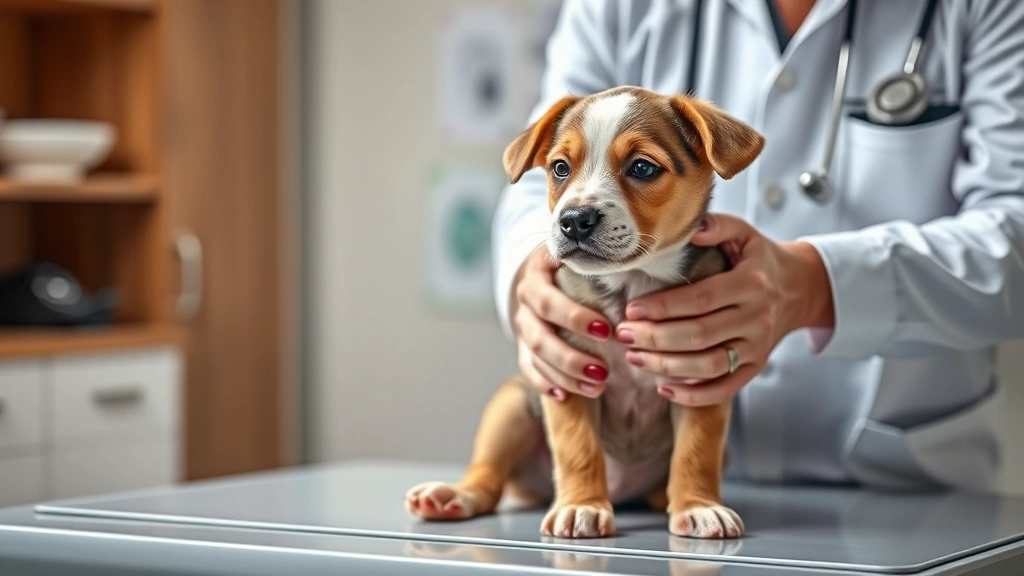
- Listen to your puppy’s heart and lungs with a stethoscope
- Take your puppy’s temperature
- Ask detailed questions about symptoms and timeline
- Perform a physical exam
- Possibly recommend bloodwork or imaging (X-rays) if needed
These diagnostic steps help pinpoint what’s causing the rapid breathing so treatment can be targeted and effective.
What To Do Now
If you’re concerned about your puppy’s breathing, here are your next steps:
- Observe and document: Note when the rapid breathing occurs, how long it lasts, and any other symptoms. Write down what you see.
- Check gum color and temperature: Gently lift your puppy’s lip to check gum color, and feel their ears and nose for warmth. Document these findings.
- Contact your veterinarian: Call your regular vet or use an online vet service for a quick consultation if you need guidance fast.
- Schedule an appointment: If your vet recommends an in-person exam, get on the calendar promptly. Mention rapid breathing when you book so they know to prioritize.
- Keep your puppy calm and cool: Until you see the vet, ensure your puppy has access to water, a cool resting spot, and minimal stress or excessive activity.
Frequently Asked Questions
Is it normal for puppies to breathe fast after playing?
Yes, absolutely. Puppies breathe faster during and immediately after activity. However, breathing should return to normal within a few minutes of rest. If it stays elevated or your puppy seems distressed, that warrants a vet check.
How do I know if my puppy’s rapid breathing is an emergency?
Watch for severe difficulty breathing, blue or pale gums, collapse, or signs of extreme distress. These are emergencies. If your puppy is breathing fast but otherwise acting relatively normal, you can typically schedule a regular vet appointment.
Can anxiety cause rapid breathing in puppies?
Yes, anxiety and stress can cause faster breathing in puppies, especially in new environments or during vet visits. However, persistent rapid breathing at rest usually suggests a physical issue, not just nerves.
What’s the normal breathing rate for a sleeping puppy?
A sleeping puppy typically breathes 15–40 times per minute. If you count significantly higher than 40 breaths per minute during sleep, it’s worth mentioning to your vet.
Can I use a telehealth vet for puppy breathing concerns?
Yes, telehealth vets can help assess rapid breathing, review symptoms, and advise whether an in-person exam is needed. It’s a convenient first step if you’re unsure about urgency.
Summary: Taking Action When Your Puppy Breathes Fast
Rapid breathing in puppies isn’t always cause for panic, but it is always worth investigating. By learning to recognize the difference between normal puppy panting and concerning rapid breathing, you’re already a step ahead in keeping your little one healthy.
The seven signs covered here—rest-time rapid breathing, labored breathing, noisy breathing, pale gums, lethargy, poor exercise tolerance, and fever—are your red flags. When you notice any of these, talking to your vet about puppy breathing fast is the right call.
Your veterinarian has the tools and expertise to diagnose what’s happening and recommend the best path forward. Whether it’s a simple infection, an environmental trigger, or something more complex, early attention makes a real difference in your puppy’s recovery and long-term health.
Trust your instincts, gather information, and reach out to your vet without hesitation. Your puppy is counting on you, and you’re doing a great job by taking their health seriously.
This article is for general education and is not a substitute for care from your own veterinarian. Learn about The Pet Vet and our editorial policy.