
When your puppy starts limping, it’s natural to feel worried—and you’re right to ask vet about puppy limping sooner rather than later. A sudden change in how your pup walks can signal anything from a minor sprain to something more serious that needs immediate attention. The good news? Most limping issues in puppies are treatable, especially when caught early.
Table of Contents
- Why Puppy Limping Shouldn’t Be Ignored
- 7 Essential Warning Signs Your Puppy’s Limp Needs Veterinary Attention
- Common Causes of Puppy Limping
- When to Seek Emergency Veterinary Care
- How to Help Your Limping Puppy at Home
- The Role of Telehealth in Assessing Puppy Limping
- Preparing for Your Vet Appointment
- Prevention Tips for Future Limping Issues
- Understanding Puppy Development and Limping
- What To Do Now
- Frequently Asked Questions
- Summary: Taking Action on Puppy Limping
This article is for informational purposes only and is not a substitute for professional veterinary advice. Always consult a licensed veterinarian for diagnosis and treatment.
Puppies are bundles of energy, constantly exploring and playing. Sometimes they stumble, twist a paw, or overexert themselves. But knowing which signs warrant a vet visit and which ones might resolve on their own is crucial for any responsible pet owner. Let’s walk through what you need to know.
Why Puppy Limping Shouldn’t Be Ignored
Limping in puppies is your pet’s way of communicating pain or discomfort. Unlike adult dogs, puppies are still developing their bones, joints, and muscles—making them particularly vulnerable to certain conditions. A limp that seems minor today could develop into a chronic issue if left unaddressed.
Early intervention often makes a world of difference. Catching this early puts you in a great position to help your puppy recover fully and prevent long-term complications.
7 Essential Warning Signs Your Puppy’s Limp Needs Veterinary Attention
1. Sudden Inability to Bear Weight
If your puppy is completely unable to put weight on one leg or is holding it off the ground, this is a red flag. This could indicate a fracture, severe sprain, or ligament damage. Don’t wait—contact your vet right away.
2. Swelling, Heat, or Redness Around the Affected Limb
Visible swelling or warmth around the leg or paw suggests inflammation or infection. These signs may be experiencing an acute injury or developing infection that requires professional evaluation.
3. Limping That Lasts More Than a Few Hours
A minor stumble might cause a temporary limp that resolves quickly. If your puppy is still limping after a few hours of rest, it’s time to reach out to your veterinarian. Persistent limping often indicates an underlying issue that won’t resolve without intervention.
4. Reluctance to Play or Move
Puppies are typically enthusiastic about playtime. If your normally energetic pup is withdrawn, avoiding movement, or showing signs of pain when standing, this behavioral change deserves attention. It’s often a sign that something is genuinely bothering them.
5. Discharge, Odor, or Visible Wounds on the Paw
Any discharge, foul odor, or visible damage to the paw pad could indicate infection or a puncture wound. These situations can escalate quickly and may require antibiotics or wound care from a professional.
6. Limping in Multiple Legs
If your puppy is limping on more than one leg, this could signal a systemic issue such as a neurological condition or widespread infection. This warrants prompt veterinary evaluation.
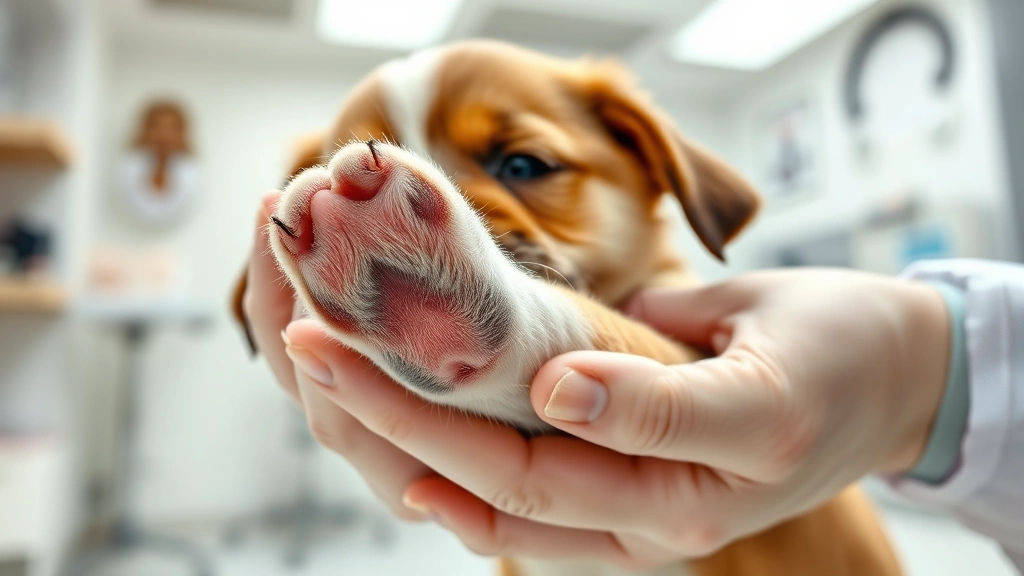
7. Fever, Lethargy, or Loss of Appetite Alongside Limping
When limping is accompanied by fever, extreme tiredness, or refusing to eat, these are signs of a more serious condition. Catching this early puts you in a great position to help. Contact your vet immediately.
Common Causes of Puppy Limping
Understanding what might be causing your puppy’s limp can help you communicate better with your veterinarian. Here are the most common culprits:
- Sprains and Strains: Overexertion during play or awkward landings can stretch or tear soft tissues.
- Paw Pad Injuries: Punctures, cuts, or burns on the paw pad are common in active puppies.
- Bone or Joint Issues: Developmental orthopedic diseases are more common in certain breeds and can cause limping.
- Infections: Paw pad infections, abscesses, or systemic infections may manifest as limping.
- Foreign Objects: Splinters, thorns, or small objects lodged in the paw can cause sudden lameness.
- Hip Dysplasia: Some puppies may be experiencing early signs of this genetic condition.
When to Seek Emergency Veterinary Care
Not all limping requires an emergency visit, but certain situations absolutely do. If your puppy shows any of these signs, don’t delay—seek emergency care immediately:
- Inability to move or complete loss of limb function
- Severe swelling or deformity of the leg
- Signs of severe pain (crying, aggression when touched, extreme restlessness)
- Evidence of a bite wound or deep laceration
- Limping accompanied by difficulty breathing or collapse
How to Help Your Limping Puppy at Home
While you’re waiting for a vet appointment, there are safe steps you can take to comfort your puppy:
- Limit Activity: Keep your puppy calm and restrict jumping, running, or stair climbing.
- Rest: Encourage quiet time in a comfortable, padded area.
- Inspect the Paw: Gently check for thorns, splinters, or cuts that might be easily removable.
- Keep It Clean: If there’s a visible wound, gently clean it with warm water and keep it dry.
- Avoid Self-Care Medications: Don’t give your puppy any over-the-counter pain relievers without veterinary guidance.
The Role of Telehealth in Assessing Puppy Limping
If you’re unsure whether your pet needs urgent care, a quick telehealth check-in can give you peace of mind—no appointment needed. Can I talk to a vet about puppy limping online? is a question many pet owners ask, and the answer is yes. A veterinarian can assess your puppy’s symptoms through video, review photos or videos of the limp, and advise whether an in-person exam is necessary.
Telehealth is particularly helpful for after-hours concerns or when you need quick reassurance. If your vet recommends an in-person visit, you’ll know it’s truly necessary. Similarly, talking to a vet about dog limping online can help adult dogs too, making it easier to get professional guidance when you need it most.
Preparing for Your Vet Appointment
When you do visit your veterinarian, come prepared with detailed information. This helps your vet make the most accurate assessment:
- When did the limping start?
- Was there a specific incident (fall, collision, rough play)?
- Which leg is affected?
- Has the limp improved, worsened, or stayed the same?
- Are there any other symptoms (fever, discharge, behavioral changes)?
- Has your puppy eaten and drunk normally?
Your vet may perform a physical exam, take X-rays, or run other diagnostic tests. These tools help identify the exact cause and determine the best treatment plan for your puppy’s specific situation.
Prevention Tips for Future Limping Issues
While you can’t prevent every accident, you can reduce your puppy’s risk of limping:
- Controlled Exercise: Avoid excessive jumping or running, especially on hard surfaces, until your puppy is fully grown.
- Safe Play Environments: Remove hazards like sharp objects, holes, or slippery surfaces from play areas.
- Proper Nutrition: Feed a high-quality puppy formula that supports bone and joint development.
- Regular Vet Check-ups: Routine visits help catch developmental issues early.
- Appropriate Toys: Choose toys that match your puppy’s size and chewing ability.
- Paw Care: Regularly inspect and clean your puppy’s paws to catch problems early.
Understanding Puppy Development and Limping
Puppies grow rapidly, and their bodies are constantly changing. Growing pains are real in puppies, and some may be experiencing temporary lameness as their bones and joints develop. However, this doesn’t mean you should ignore it.
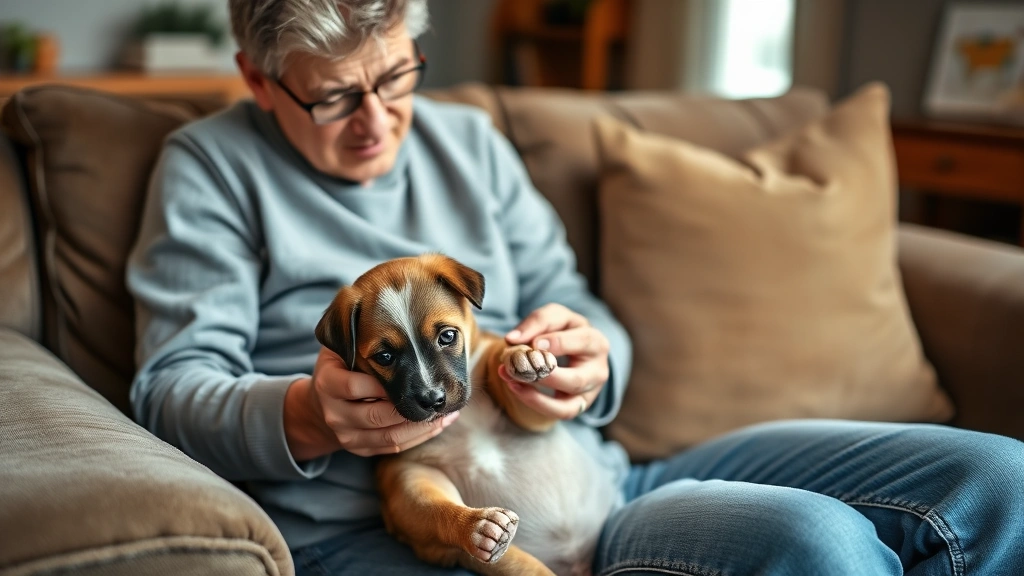
Certain breeds are predisposed to developmental orthopedic diseases, particularly large and giant breeds. If your puppy is from a breed prone to hip dysplasia or other joint issues, staying vigilant about any signs of limping is especially important. Your vet can monitor your puppy’s development and catch problems early.
What To Do Now
If your puppy is currently limping, here are your next steps:
- Assess the Severity: Observe whether your puppy can bear weight and if there are any visible injuries or swelling.
- Limit Activity: Keep your puppy calm and restrict strenuous play until you’ve spoken with a veterinarian.
- Contact Your Vet: Call your veterinarian’s office to describe the symptoms and ask whether your puppy needs an emergency visit or can wait for a regular appointment.
- Consider Telehealth: If you’re unsure about urgency or it’s after hours, a telehealth consultation can provide quick guidance.
- Document Observations: Take photos or videos of your puppy limping to share with your vet—these can be very helpful for diagnosis.
Frequently Asked Questions
Should I be worried if my puppy limps after playing?
A brief limp after intense play might resolve quickly with rest. However, if it persists beyond a few hours or worsens, contact your vet to rule out injury.
Can puppy limping go away on its own?
Minor sprains might improve with rest, but persistent limping usually requires professional evaluation to identify the underlying cause and prevent complications.
Is limping always a sign of a serious problem?
Not always—it could be a minor sprain or a small paw pad irritation. However, it’s always worth having a vet assess it to be sure.
What if my puppy limps on and off?
Intermittent limping can be tricky but still warrants a vet visit. It might indicate a developing issue or something that hurts more at certain activity levels.
How long should I wait before calling the vet about limping?
If limping persists beyond a few hours, is severe, or is accompanied by other symptoms, don’t wait—call your vet the same day. Early intervention prevents complications.
Summary: Taking Action on Puppy Limping
Your instinct to ask vet about puppy limping is exactly right. Limping is your puppy’s way of signaling that something needs attention, and you’re in the best position to help. Whether it’s a minor sprain or something more serious, professional evaluation gives you the answers you need and the peace of mind you deserve.
Don’t hesitate to reach out to your veterinarian—they’ve seen it all and can quickly determine what’s going on. In the meantime, keep your puppy calm, monitor the affected limb, and document any changes. With prompt care and attention, most puppies bounce back from limping issues and return to their playful, energetic selves.
Remember, you can talk to a vet about various puppy concerns online, including behavioral and health issues. Whether it’s limping or other worries, professional guidance is always just a click or call away. Your puppy is counting on you to be their advocate—and you’re doing great by seeking answers.
This article is for general education and is not a substitute for care from your own veterinarian. Learn about The Pet Vet and our editorial policy.