
If your kitten won’t stop scratching, biting at their skin, or seems uncomfortable, you’re right to want to talk to vet about kitten itching—this is one of the most common concerns new cat parents bring up, and catching it early makes a real difference.
Table of Contents
- Why Your Kitten Might Be Itching Constantly
- Fleas: The Most Common Reason to Talk to Vet About Kitten Itching
- Allergies and Food Sensitivities in Kittens
- Skin Infections and Parasites Beyond Fleas
- Dry Skin and Environmental Factors
- When to Talk to Vet About Kitten Itching: Red Flags
- 7 Essential Steps to Address Kitten Itching
- Online Vet Consultations for Kitten Itching
- Prevention: Stop Itching Before It Starts
- What to Do Now: Your Action Plan
- Summary: Taking Action on Kitten Itching
- Frequently Asked Questions
- Related Resources
This article is for informational purposes only and is not a substitute for professional veterinary advice. Always consult a licensed veterinarian for diagnosis and treatment.
Kitten itching can range from mildly annoying to seriously distressing for your little furball. The good news? Most causes are manageable once you understand what’s happening beneath that adorable fur.
Why Your Kitten Might Be Itching Constantly
Itching in kittens stems from several root causes. The most common culprits include fleas (even indoor kittens can get them), environmental allergies, food sensitivities, skin infections, and ear mites. Sometimes it’s as simple as dry skin from indoor heating or humidity changes.
Your kitten’s constant scratching is their way of telling you something feels off. The earlier you identify the cause, the faster you can help them feel better.
Fleas: The Most Common Reason to Talk to Vet About Kitten Itching
Fleas are the number-one reason kittens itch. Even one flea can trigger intense scratching, and they multiply rapidly. You might notice tiny black specks (flea dirt) in your kitten’s fur or on their bedding, or you might spot the fleas themselves if you part the fur and look closely.
The tricky part? Kittens can pick up fleas from:
- Other animals (even if your kitten stays indoors)
- Wildlife passing through your yard
- Contaminated environments or secondhand items
- An infected mother cat (if recently adopted)
Catching fleas early puts you in a great position to prevent more serious complications like anemia or tapeworms. Your vet can recommend age-appropriate and weight-appropriate flea prevention that’s both safe and effective for kittens.
Allergies and Food Sensitivities in Kittens
Just like humans, kittens can develop allergies. Environmental allergies (pollen, dust, mold) often cause itching around the face, ears, and paws. Food sensitivities may trigger itching along with digestive upset or vomiting.
If your kitten’s itching is seasonal or happens year-round without visible fleas, allergies could be the culprit. Your vet can help narrow down whether it’s environmental or food-related through observation and, if needed, an elimination diet.
Common food allergens for cats include beef, dairy, and fish—though any ingredient can trigger a reaction in sensitive kittens.
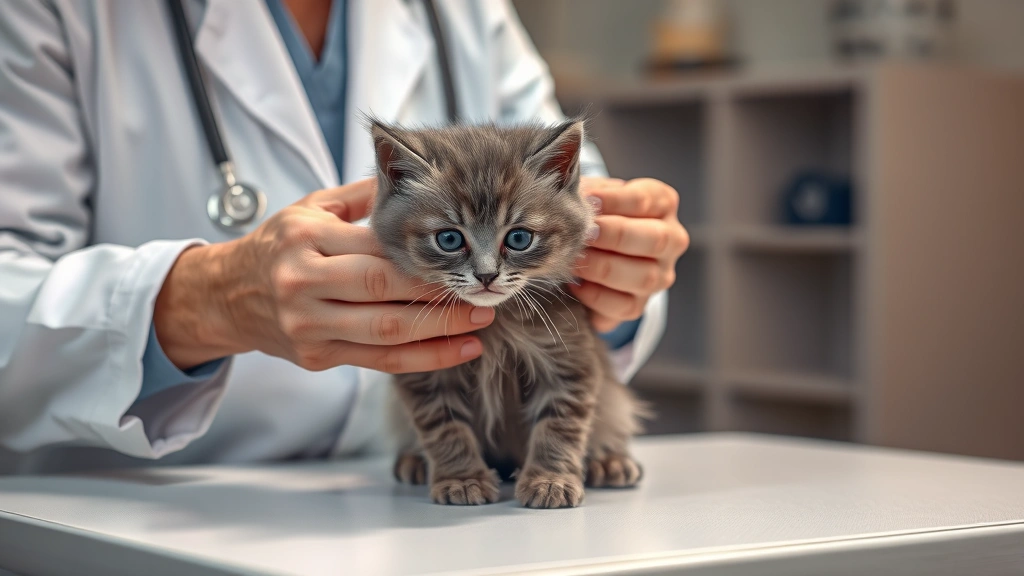
Skin Infections and Parasites Beyond Fleas
Ringworm (a fungal infection, not actually a worm) is surprisingly common in kittens and spreads easily to humans and other pets. It often causes circular patches of hair loss, scaly skin, and itching. Ear mites are another frequent culprit, especially in kittens from shelters or outdoor backgrounds.
Bacterial skin infections can develop if your kitten scratches so much they break the skin. This creates an opening for secondary infections that need prompt attention.
These conditions require specific treatments your vet can identify through examination or simple tests. Don’t wait on this one—early treatment prevents spread and discomfort.
Dry Skin and Environmental Factors
Winter heating, low humidity, and dry climates can strip moisture from your kitten’s skin. You might notice flaking, dandruff, or general itchiness without any underlying infection or parasites.
Environmental itching is usually mild and improves with humidity adjustments, occasional baths with moisturizing shampoo, or omega-3 supplements—but your vet should rule out other causes first.
When to Talk to Vet About Kitten Itching: Red Flags
Some signs mean you shouldn’t wait for a routine appointment:
- Intense, non-stop scratching that prevents sleep or eating
- Open sores, bleeding, or signs of infection (warmth, swelling, discharge)
- Hair loss in patches or widespread
- Swelling of the face, ears, or paws (possible allergic reaction)
- Lethargy or fever alongside itching
- Odor or discharge from ears or skin
If you notice any of these, contact your vet right away. If it’s after hours and symptoms seem severe, seek emergency care.
7 Essential Steps to Address Kitten Itching
Here’s a practical roadmap to help your kitten feel better:
- Schedule a vet exam. Your vet will perform a physical exam, check for fleas and mites, and may take skin scrapings or fungal cultures if needed. This is the foundation for everything else.
- Start appropriate flea prevention. Even if you don’t see fleas, your vet may recommend prevention based on your kitten’s age, weight, and risk level. This is often the quickest relief.
- Review your kitten’s diet. If allergies are suspected, discuss food options with your vet. Sometimes a simple diet change eliminates itching within weeks.
- Increase humidity if dry skin is the issue. A humidifier, especially in winter, can help. Aim for 40-60% humidity in your home.
- Bathe your kitten only if recommended. Most kittens don’t need frequent baths, but if your vet suggests one, use lukewarm water and kitten-safe, moisturizing shampoo.
- Keep nails trimmed. Short nails reduce damage from scratching and help prevent secondary infections if your kitten does scratch.
- Monitor and follow up. Keep notes on when itching improves or worsens. Share these observations with your vet at follow-up visits.
Online Vet Consultations for Kitten Itching
If you’re unsure whether your kitten needs urgent care or want to discuss symptoms before an in-person visit, talking to a vet about cat itching online can give you peace of mind—no appointment needed. Many vets offer telehealth consultations where you can describe the itching, share photos, and get guidance on next steps.
An online vet for cat itching can help you determine if a physical exam is necessary or if you can start with preventive measures. This is especially helpful for new pet parents who want reassurance without the wait.
Prevention: Stop Itching Before It Starts
Once you’ve addressed your kitten’s current itching, prevention keeps the problem from returning:
- Use year-round flea and tick prevention (your vet will recommend the safest option for your kitten’s age)
- Keep your kitten’s environment clean: wash bedding weekly, vacuum regularly, and minimize dust
- Maintain a consistent, high-quality diet to support skin health
- Schedule regular vet check-ups to catch issues early
- If your kitten goes outdoors, check for parasites more frequently
Prevention is always easier—and cheaper—than treating an established problem.
What to Do Now: Your Action Plan
- Schedule a veterinary exam with your regular vet or use a telehealth service like The Pet Vet to get a quick assessment of your kitten’s itching.
- Gather information: note when the itching started, whether it’s seasonal, what you’ve already tried, and any other symptoms (hair loss, odor, discharge).
- Check your kitten’s skin and coat yourself: look for fleas, flea dirt, redness, scabs, or bald patches to describe to your vet.
- Ask your vet about appropriate flea prevention for your kitten’s specific age and weight before you leave the appointment.
- If a diagnosis is made, follow the treatment plan exactly and schedule a follow-up to ensure improvement.
Summary: Taking Action on Kitten Itching
Kitten itching is uncomfortable for your little one and stressful for you, but it’s almost always solvable. Fleas, allergies, infections, and environmental factors are all treatable once identified. The key is not to wait—talk to your vet about kitten itching sooner rather than later, especially if scratching is intense or accompanied by hair loss, sores, or behavioral changes.
Your vet has the tools and expertise to pinpoint the cause and recommend the right solution. Whether it’s flea prevention, a diet adjustment, or treatment for an infection, you’re taking the right step by seeking professional guidance. Your kitten will thank you once that itch is gone.
Frequently Asked Questions
Can kittens get fleas indoors?
Yes, indoor kittens can get fleas from other animals, contaminated items, or even on clothing. Flea prevention is important for all kittens, regardless of lifestyle.
How long does it take for itching to improve after treatment?
Most kittens show improvement within 1-2 weeks of starting flea prevention or other treatments, though complete resolution may take 4-6 weeks depending on the cause.
Is it safe to bathe my itchy kitten?
Occasional baths with lukewarm water and kitten-safe shampoo are safe, but only if recommended by your vet. Over-bathing can dry out skin further and increase itching.
What if my kitten is itching but I don’t see fleas?
Fleas can hide deep in the coat, or the cause may be allergies, dry skin, mites, or infection. A vet exam will help identify the actual culprit.
Can I use human moisturizer on my kitten’s skin?
No, human products can be toxic if ingested during grooming. Ask your vet about kitten-safe moisturizers or supplements designed for feline skin health.
Related Resources
For more information on kitten skin health, check out our guides on kitten licking paws and cat skin rash. You can also learn about how skin allergies develop to better understand similar issues in pets.
For authoritative veterinary information, visit the American Veterinary Medical Association (AVMA) or check PetMD’s cat health section for additional resources on feline skin conditions.
This article is for general education and is not a substitute for care from your own veterinarian. Learn about The Pet Vet and our editorial policy.