
When your cat has diarrhea, it’s natural to worry—and one of the best decisions you can make is to ask vet about cat diarrhea early on, before the issue becomes more serious. Diarrhea in cats can range from a minor dietary hiccup to a sign of something that needs immediate attention, which is why getting professional guidance matters so much.
Table of Contents
- Why You Should Ask Your Vet About Cat Diarrhea Right Away
- Common Causes of Diarrhea in Cats
- How to Monitor Your Cat’s Symptoms Before Your Vet Visit
- When to Seek Urgent Veterinary Care
- Essential Questions to Ask Your Veterinarian
- Dietary Solutions Your Vet Might Recommend
- Hydration and Home Care Strategies
- Online Veterinary Consultations for Cat Diarrhea
- Prevention Tips to Reduce Future Episodes
- Frequently Asked Questions
- What To Do Now
- Summary: Taking Action on Cat Diarrhea
This article is for informational purposes only and is not a substitute for professional veterinary advice. Always consult a licensed veterinarian for diagnosis and treatment.
If your cat is experiencing loose stools, increased bathroom trips, or accidents outside the litter box, you’re not alone—and catching this early puts you in a great position to help your feline friend feel better fast. Let’s walk through what you need to know and the actionable steps to take right now.
Why You Should Ask Your Vet About Cat Diarrhea Right Away
Cat diarrhea might seem like a minor issue, but it can quickly lead to dehydration and nutrient loss, especially in kittens or senior cats. Your vet can rule out serious conditions and give you peace of mind.
The sooner you reach out, the sooner your cat gets relief. Many cases of feline diarrhea are manageable with simple dietary adjustments or minor interventions—but only if you know what’s causing it.
Common Causes of Diarrhea in Cats
Understanding what might be behind your cat’s digestive upset helps you communicate better with your vet. Here are the most frequent culprits:
- Sudden food changes: Switching cat food too quickly can upset the digestive system. Cats have sensitive stomachs and need gradual transitions.
- Dietary sensitivities or allergies: Some cats react poorly to certain ingredients, especially grains or specific proteins.
- Stress or anxiety: Environmental changes, new pets, or household disruptions can trigger loose stools.
- Parasites: Internal parasites like roundworms or giardia are common in cats and require specific treatment.
- Bacterial or viral infections: Bacterial infections in cats can cause acute diarrhea and may need antibiotics.
- Inflammatory bowel disease (IBD): A chronic condition that causes recurring digestive issues.
- Medications or supplements: Certain treatments can upset the digestive balance.
When you ask vet about cat diarrhea, mention any recent changes in your cat’s life or diet—these details help narrow down the cause quickly.
How to Monitor Your Cat’s Symptoms Before Your Vet Visit
Keeping track of your cat’s condition gives your vet crucial information. Here’s what to document:
- Frequency of bowel movements (how many times per day)
- Consistency of stools (watery, soft, or mucus-like)
- Color and any visible blood or unusual appearance
- Changes in appetite or water intake
- Behavioral changes (lethargy, hiding, or unusual activity)
- Any vomiting or other symptoms
This information transforms a vague “my cat has diarrhea” into a detailed clinical picture. Your vet will appreciate the specifics, and it often speeds up diagnosis.
When to Seek Urgent Veterinary Care
Some situations require immediate attention rather than waiting for a regular appointment. Your cat may be experiencing a more serious condition if you notice:
- Blood or black, tarry stools
- Severe lethargy or collapse
- Repeated vomiting alongside diarrhea
- Signs of severe dehydration (dry gums, sunken eyes, skin tenting)
- Abdominal pain or distension
- Diarrhea lasting more than 48 hours in kittens or senior cats
- Fever or other signs of illness
Catching these red flags early puts your cat in the best position for recovery. Don’t hesitate to reach out to an emergency clinic if your regular vet isn’t available.
Essential Questions to Ask Your Veterinarian
When you ask vet about cat diarrhea, come prepared with thoughtful questions. Here are the most important ones:
- “What could be causing my cat’s diarrhea based on the symptoms I’ve described?”
- “Do you recommend any diagnostic tests, like fecal exams or bloodwork?”
- “Should I change my cat’s diet, and if so, how should I transition to a new food?”
- “Are there any at-home care steps I should take right now?”
- “When should I expect improvement, and what would warrant a follow-up visit?”
- “Is my cat at risk for dehydration, and what signs should I watch for?”
- “Could this be related to stress, and if so, what can I do to help?”
These questions help you get actionable answers and show your vet you’re engaged in your cat’s care.
Dietary Solutions Your Vet Might Recommend
Diet is often the first line of defense in managing cat diarrhea. Your vet may suggest:
Limited ingredient diets: These contain fewer components, making it easier to identify triggers. Your vet can recommend a specific prescription or over-the-counter option suited to your cat.
Gradual food transitions: If switching foods, mix the new food with the old over 7-10 days, increasing the new food’s proportion slowly. This prevents digestive upset from sudden changes.
Probiotics or digestive supplements: These may help restore healthy gut bacteria, though your vet will advise whether they’re appropriate for your cat’s specific situation.
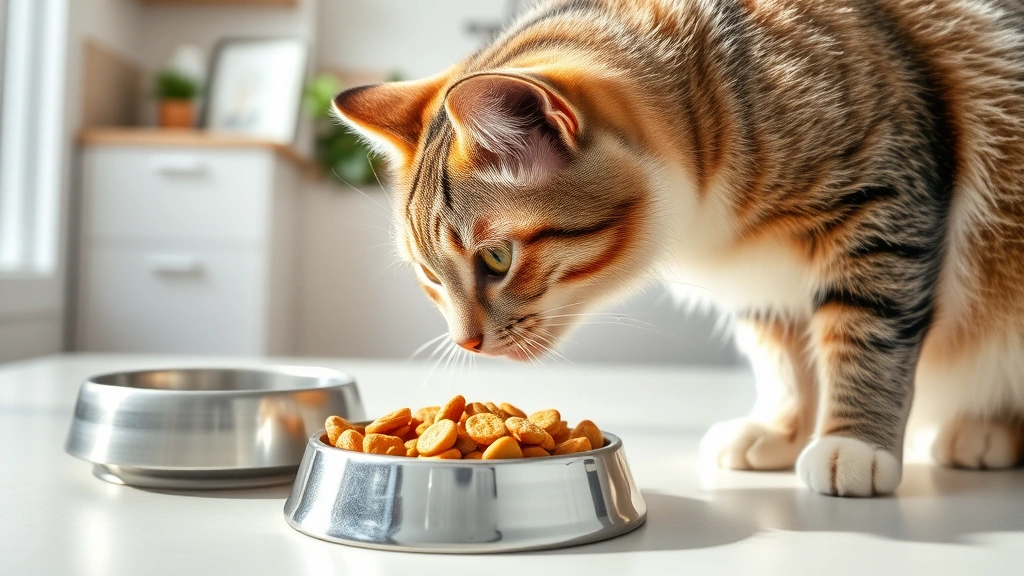
Wet versus dry food: Some cats digest wet food more easily, while others do better on dry kibble. Your vet can help determine what works best for your feline friend.
Hydration and Home Care Strategies
While waiting for your vet appointment or following their recommendations, focus on keeping your cat hydrated and comfortable:
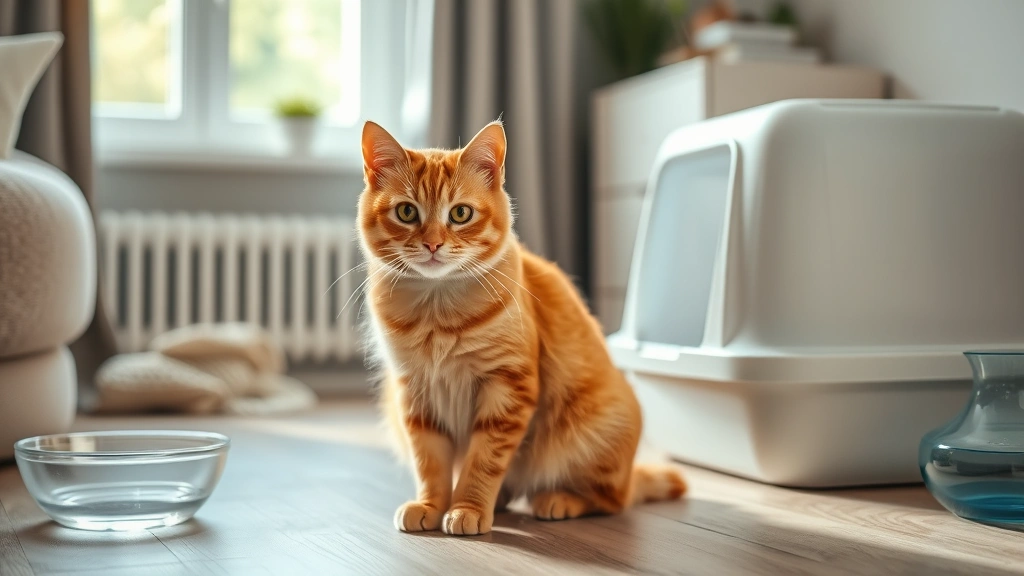
- Ensure fresh water is always available; consider a cat water fountain if your cat prefers running water
- Offer small, frequent meals rather than one large meal
- Keep the litter box clean and easily accessible to reduce stress
- Minimize household changes and maintain a calm environment
- Monitor water intake and urine output as signs of hydration
These simple steps support your cat’s recovery while you work with your vet on the underlying cause.
Online Veterinary Consultations for Cat Diarrhea
If you’re unsure whether your pet needs urgent care, a quick telehealth check-in can give you peace of mind—no appointment needed. Can I talk to a vet about cat diarrhea online? is a question many cat owners ask, and the answer is yes.
Online consultations are particularly helpful for:
- Initial symptom assessment and guidance
- Determining whether in-person care is needed
- Getting dietary recommendations
- Following up on previous vet visits
- Asking questions after hours
Telehealth veterinary services make it easier to get professional guidance without the stress of a clinic visit—something many cats appreciate. Your vet can often provide initial recommendations and determine if your cat needs an in-person exam.
Prevention Tips to Reduce Future Episodes
Once your cat’s diarrhea resolves, you can take steps to prevent it from happening again:
- Keep food changes gradual and deliberate, never switching abruptly
- Maintain a consistent feeding schedule and portion sizes
- Keep your cat’s environment stable and stress-free
- Stay current on parasite prevention as recommended by your vet
- Monitor for signs of food sensitivities or allergies
- Ensure fresh water is always available
Prevention is always easier than treatment, and these habits support your cat’s long-term digestive health.
Frequently Asked Questions
How long does cat diarrhea usually last?
Mild diarrhea may resolve within 24-48 hours with dietary adjustment, but chronic or recurring diarrhea requires veterinary evaluation. Your vet can determine the underlying cause and appropriate timeline for improvement.
Can I use over-the-counter remedies for my cat’s diarrhea?
Some remedies may help, but always ask your vet before giving anything new to your cat. What works for humans or dogs isn’t always safe for cats, and treating the underlying cause is more important than symptom relief alone.
Is cat diarrhea contagious to other pets?
It depends on the cause—parasitic or viral diarrhea can spread to other animals, while dietary diarrhea typically isn’t contagious. Your vet will advise on isolation and prevention measures if needed.
Should I fast my cat if they have diarrhea?
Brief fasting (a few hours) may help, but prolonged fasting isn’t recommended for cats. Ask your vet about the best feeding approach for your cat’s specific situation.
What if my cat’s diarrhea doesn’t improve after a vet visit?
Follow up with your vet if symptoms persist beyond the expected timeframe. They may recommend additional diagnostics or adjust the treatment plan based on your cat’s response.
What To Do Now
Don’t wait—take action today to help your cat feel better:
- Schedule a vet appointment or telehealth consultation to discuss your cat’s symptoms with a licensed veterinarian. If symptoms are severe, contact an emergency clinic immediately.
- Document your cat’s symptoms in detail: frequency, consistency, color, and any other changes you’ve noticed. This information will help your vet diagnose the issue faster.
- Review recent changes in your cat’s diet, environment, or routine. Share these with your vet, as they often provide important clues.
- Ensure hydration and comfort by providing fresh water, easy litter box access, and a calm environment while you wait for professional guidance.
- Avoid making major dietary changes on your own—wait for your vet’s recommendations to prevent making the problem worse.
Summary: Taking Action on Cat Diarrhea
When you ask vet about cat diarrhea, you’re taking the right step toward getting your feline friend the help they need. Diarrhea is common, but it’s also your cat’s way of telling you something needs attention.
The good news? Most cases of cat diarrhea are manageable once you know the cause. Whether it’s a simple dietary adjustment, parasite treatment, or addressing an underlying condition, your vet can guide you toward the right solution.
Remember: early intervention, clear communication with your vet, and consistent home care make all the difference. Your cat is counting on you, and reaching out for professional help is exactly what a caring pet owner does.
Don’t hesitate to reach out to The Pet Vet or your local veterinarian today. Your cat will be back to their happy, healthy self sooner than you think.
Related reading: If your cat is also experiencing appetite issues, learn more about what to ask your vet about cat not eating. And for comparison, check out our guide on dog diarrhea solutions if you have multiple pets.
This article is for general education and is not a substitute for care from your own veterinarian. Learn about The Pet Vet and our editorial policy.