
If you’ve noticed your kitten hiding more than usual, trembling during loud noises, or acting unusually clingy, it might be time to talk to vet about kitten anxiety and explore what’s really going on. Anxiety in young cats is more common than many pet owners realize, and the good news is that early intervention can make a world of difference.
Table of Contents
- Understanding Kitten Anxiety: Why It Matters
- Common Signs Your Kitten May Be Experiencing Anxiety
- Why You Should Talk to Your Vet About Kitten Anxiety
- Solution 1: Environmental Enrichment and Safe Spaces
- Solution 2: Gradual Socialization and Desensitization
- Solution 3: Consistent Routine and Predictability
- Solution 4: Behavioral Training and Positive Reinforcement
- Solution 5: Professional Support and When to Consider Additional Help
- Creating a Conversation Plan With Your Vet
- The Role of Patience and Self-Compassion
- Frequently Asked Questions
- What To Do Now
- Summary: Taking the Next Step
This article is for informational purposes only and is not a substitute for professional veterinary advice. Always consult a licensed veterinarian for diagnosis and treatment.
Understanding Kitten Anxiety: Why It Matters
Kittens are naturally curious but also naturally cautious. During their first few months, they’re learning about the world around them. However, some kittens experience anxiety that goes beyond typical wariness—it becomes a pattern that affects their quality of life and your peace of mind.
Anxiety in kittens can stem from various sources: lack of early socialization, traumatic experiences, environmental changes, or even genetic predisposition. The key is recognizing the signs early so you can address them before anxiety becomes deeply ingrained behavior.
Common Signs Your Kitten May Be Experiencing Anxiety
Recognizing anxiety symptoms is your first step toward helping your kitten feel safer. Here are the most common behaviors that suggest your kitten could be experiencing anxiety:
- Excessive hiding: Spending most of the day in one spot or under furniture
- Trembling or shaking: Visible physical responses to normal household sounds
- Destructive behavior: Scratching furniture excessively or knocking items over
- Loss of appetite: Refusing meals or eating significantly less than usual
- Excessive grooming: Licking themselves until fur becomes thin or irritated
- Aggression or hissing: Reacting defensively to normal interactions
- Inappropriate elimination: Urinating or defecating outside the litter box
- Excessive vocalization: Meowing more frequently or at unusual times
Catching these signs early puts you in a great position to help your kitten develop into a confident, well-adjusted adult cat. If you’re seeing several of these behaviors, it’s absolutely worth reaching out to your veterinarian.
Why You Should Talk to Your Vet About Kitten Anxiety
Your veterinarian is the best resource for understanding your kitten’s specific situation. They can rule out medical conditions that might mimic anxiety—such as hyperthyroidism, infections, or pain—and provide a tailored approach to treatment.
Beyond diagnosis, vets can help you understand the root cause of your kitten’s anxiety and recommend solutions that fit your lifestyle and your kitten’s needs. You can even talk to a vet about cat anxiety online if scheduling an in-person appointment feels challenging.
If you are unsure whether your pet needs urgent care, a quick telehealth check-in can give you peace of mind—no appointment needed. Many vets can assess anxiety symptoms through video consultation and guide you toward the best next steps.
Solution 1: Environmental Enrichment and Safe Spaces
One of the most effective ways to reduce kitten anxiety is to create an environment where your kitten feels secure. This doesn’t require expensive additions—just thoughtful design.
Start by providing multiple safe spaces throughout your home. Kittens should have access to quiet areas where they can retreat when stressed. Cat trees, enclosed beds, or even cardboard boxes can serve as anxiety-reducing refuges.
Enrichment activities also play a crucial role. Interactive toys, puzzle feeders, and window perches give your kitten mental stimulation and a sense of control over their environment. A kitten that’s mentally engaged is often a kitten with less anxiety.
- Place vertical spaces (cat trees or shelves) in quiet corners
- Use window perches to provide visual stimulation without pressure
- Rotate toys weekly to maintain novelty and interest
- Provide scratching posts to encourage natural, calming behaviors
- Use pheromone diffusers designed for cats to create a calming atmosphere
Solution 2: Gradual Socialization and Desensitization
If your kitten’s anxiety stems from lack of socialization or fear of specific triggers, gradual exposure can help. This process, called desensitization, involves slowly introducing your kitten to anxiety-triggering situations in a controlled, positive way.
For example, if your kitten is afraid of the vacuum cleaner, you might start by simply having the unplugged vacuum in the same room while you play with your kitten and offer treats. Over days or weeks, you gradually move the vacuum closer and eventually turn it on—always at your kitten’s pace.
The goal is never to force your kitten into situations that cause panic. Instead, you’re teaching them that the scary thing isn’t actually dangerous. This takes patience, but it’s incredibly effective.
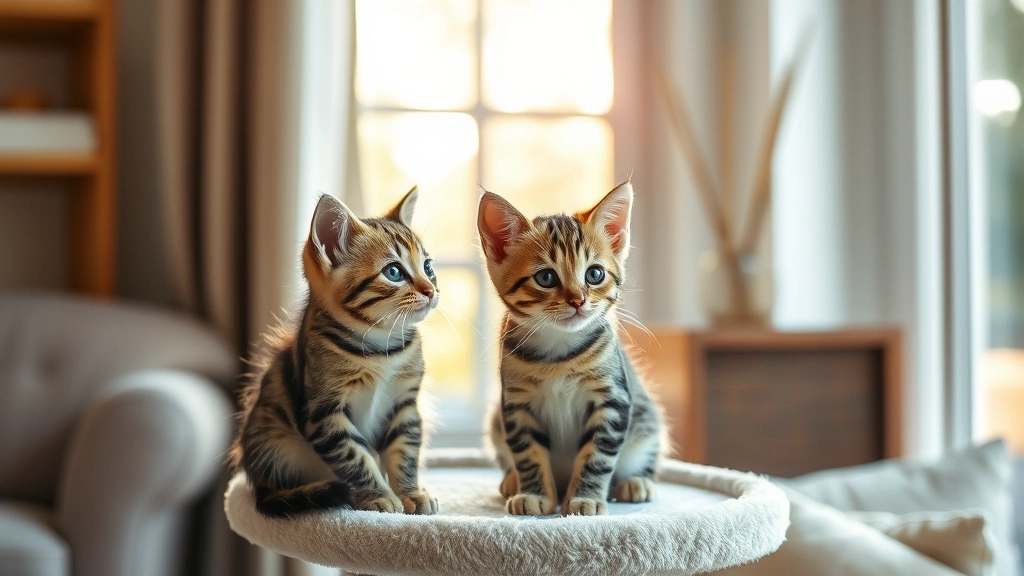
Always work with your vet to develop a desensitization plan that’s appropriate for your kitten’s specific fears. If your kitten is shaking or showing severe anxiety responses, talking to a vet online can help you create a safe desensitization strategy.
Solution 3: Consistent Routine and Predictability
Kittens thrive on routine. Unpredictability increases anxiety, while consistency creates a sense of safety and control.
Establish set times for feeding, playtime, and sleep. When your kitten knows what to expect and when to expect it, their nervous system relaxes. They’re no longer in a state of hypervigilance, waiting for the next surprise.
This consistency extends to your behavior as well. Speaking in calm, gentle tones and moving predictably around your kitten helps them feel secure. Sudden movements or loud voices can trigger anxiety responses in already-nervous kittens.
- Feed your kitten at the same times each day
- Schedule dedicated play sessions before your kitten gets overstimulated
- Maintain a quiet, calm tone when interacting with your anxious kitten
- Keep the household routine as stable as possible during transitions or changes
Solution 4: Behavioral Training and Positive Reinforcement
Positive reinforcement is one of the most powerful tools for managing kitten anxiety. When you reward calm behavior, your kitten learns that relaxation brings good things.
Start by identifying moments when your kitten is naturally calm—perhaps lounging on their favorite bed or sitting quietly by a window. In those moments, offer treats, gentle praise, or play. Your kitten begins to associate calmness with positive outcomes.
Avoid punishing anxious behavior, as this typically increases anxiety rather than reducing it. Punishment creates fear, which compounds the original anxiety. Instead, focus on rewarding the behaviors you want to see more of.
A certified feline behavior consultant can provide additional guidance if your kitten’s anxiety is severe or doesn’t improve with basic training approaches.
Solution 5: Professional Support and When to Consider Additional Help
Sometimes, despite your best efforts, kitten anxiety persists or worsens. This is when professional support becomes invaluable. Your veterinarian can discuss various options tailored to your kitten’s needs.
Some kittens benefit from temporary support while they learn coping skills, while others may need ongoing management. Your vet can explain all available options and help you choose what’s best for your individual kitten.
The important thing to remember is that seeking professional help isn’t a failure—it’s a sign that you’re committed to your kitten’s wellbeing. Many anxious kittens go on to become confident, happy adult cats with the right support.
Destructive behavior in cats is often linked to underlying anxiety, so addressing the root cause can solve multiple problems at once.
Creating a Conversation Plan With Your Vet
When you’re ready to talk to vet about kitten anxiety, it helps to come prepared. Write down the specific behaviors you’ve noticed, when they occur, and what seems to trigger them. This information helps your vet understand the full picture.
Also note any recent changes in your household—new pets, moving, loud noises, or changes in your schedule. Context helps your vet determine whether anxiety is situational or more generalized.
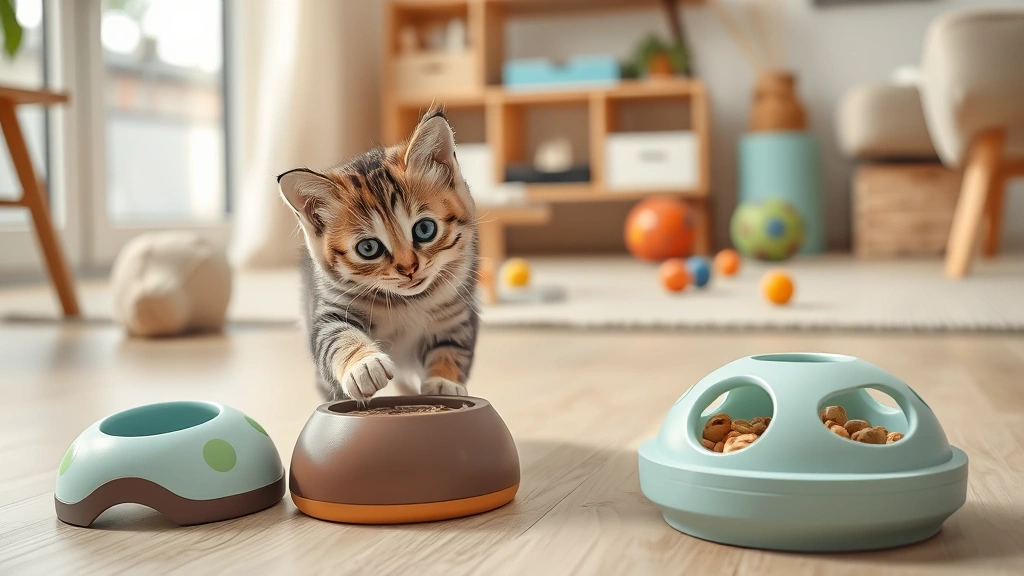
Bring a list of questions you want to discuss. Are there specific solutions you’ve tried? What does your vet recommend trying first? How will you know if treatment is working? Having a conversation plan ensures you get the information you need.
The Role of Patience and Self-Compassion
Managing kitten anxiety is a journey, not a quick fix. Some kittens show improvement within days, while others take weeks or months. Both timelines are completely normal.
Be patient with your kitten and with yourself. You’re doing the right thing by seeking help and learning about anxiety management. The fact that you’re reading this article shows you care deeply about your kitten’s wellbeing.
Remember that anxiety doesn’t reflect anything you’ve done wrong as a pet owner. Some kittens are naturally more anxious due to genetics or early experiences. With consistent support and professional guidance, most anxious kittens can learn to feel safer and more confident.
Frequently Asked Questions
Can kitten anxiety go away on its own?
Some mild anxiety may decrease as kittens mature, but most cases benefit from intervention. Early action typically leads to better long-term outcomes than waiting and hoping the anxiety resolves itself.
Is kitten anxiety the same as adult cat anxiety?
While the underlying mechanisms are similar, kittens are still developing their coping skills and personalities. Early intervention in kittens can prevent anxiety from becoming a lifelong pattern.
How long does it take to see improvement in anxious kittens?
Some kittens show signs of improvement within 1-2 weeks of environmental changes, while others may take several weeks or months. Consistency is more important than speed.
Are there natural remedies for kitten anxiety?
Pheromone diffusers, calming supplements, and environmental modifications can all help. However, discuss any supplements with your vet before starting them, as some may interact with other treatments.
When should I seek emergency care for kitten anxiety?
If your kitten stops eating, becomes extremely aggressive, or shows signs of self-injury, contact your vet immediately. These may indicate severe anxiety or an underlying medical condition requiring urgent attention.
What To Do Now
- Document your kitten’s anxiety symptoms: Write down specific behaviors, when they occur, and any patterns you notice. This information will be invaluable when you talk to your vet.
- Schedule a veterinary consultation: Contact your veterinarian to discuss your kitten’s anxiety. If scheduling an in-person visit is difficult, ask about online vet options for cat behavior concerns.
- Create a safe space: Set up at least one quiet, comfortable area where your kitten can retreat when feeling anxious. Include a bed, toys, and access to water.
- Begin environmental enrichment: Add cat trees, window perches, or puzzle toys to give your kitten mental stimulation and a sense of control.
- Start a routine: Establish consistent feeding times, play sessions, and sleep schedules to help your kitten feel more secure and predictable in their environment.
Summary: Taking the Next Step
Kitten anxiety is treatable, and early intervention makes a real difference. By recognizing the signs and taking action now, you’re setting your kitten up for a calmer, happier life. Environmental enrichment, consistent routines, positive reinforcement, and professional guidance all work together to help anxious kittens feel safer.
The most important step is having that conversation with your veterinarian. They can rule out medical causes, assess your kitten’s specific situation, and recommend a personalized treatment plan. Whether you choose to talk to vet about kitten anxiety in person or through a telehealth appointment, the key is getting professional eyes on your kitten’s behavior sooner rather than later.
Your kitten is counting on you, and you’re already doing great by seeking answers. With patience, consistency, and professional support, most anxious kittens become confident, well-adjusted cats. You’ve got this.
This article is for general education and is not a substitute for care from your own veterinarian. Learn about The Pet Vet and our editorial policy.