
When your dog starts limping, it’s natural to feel worried. That limp could signal anything from a minor sprain to something more serious, which is why you should talk to vet about dog limping as soon as you notice it. The good news? Many causes of limping are highly treatable when caught early, and reaching out to a veterinarian is the first and most important step.
Table of Contents
- Why Your Dog Is Limping: Common Causes
- When to Talk to Your Vet About Dog Limping
- What Information to Gather Before Calling Your Vet
- Physical Signs to Watch For
- At-Home Care While Awaiting Your Vet Appointment
- Understanding Your Vet’s Diagnostic Approach
- Common Treatment Options for Dog Limping
- The Role of Telehealth in Quick Consultations
- Recovery and Long-Term Management
- Prevention Tips for Future Limping Issues
- Frequently Asked Questions
- What To Do Now
- Summary: Taking Action on Dog Limping
This article is for informational purposes only and is not a substitute for professional veterinary advice. Always consult a licensed veterinarian for diagnosis and treatment.
Why Your Dog Is Limping: Common Causes
Dog limping can stem from dozens of different causes, and pinpointing the exact reason requires professional evaluation. Some of the most common culprits include muscle strains, ligament injuries, arthritis, paw pad injuries, or even infections in the joints or bones.
Other possibilities include nerve issues, bone fractures, or problems with the hip or elbow. Your pup might have stepped on something sharp, developed a splinter, or be experiencing pain from an underlying condition that isn’t immediately obvious. Catching this early puts you in a great position to help your furry friend feel better faster.
When to Talk to Your Vet About Dog Limping
Not every limp is an emergency, but timing matters. If your dog is limping severely, refusing to put weight on a leg, or showing signs of pain like whimpering or reluctance to move, contact your vet right away. Similarly, if the limp has lasted more than a few days or is getting worse, professional guidance is essential.
Even mild limping that persists warrants a conversation with your veterinarian. Some conditions worsen quietly without obvious symptoms, so don’t wait for things to escalate. You can talk to a dog vet online for quick guidance if you’re unsure whether an in-person visit is necessary.
What Information to Gather Before Calling Your Vet
Before you reach out, jot down some key details that will help your veterinarian assess your dog’s condition more accurately. Note when the limping started, whether it came on suddenly or gradually, and which leg is affected.
Observe whether the limp is consistent or comes and goes. Has your dog been more or less active than usual? Did anything unusual happen recently—a long hike, a fall, or rough play? Does your dog seem to be in pain, or is the limp painless? These observations paint a clearer picture for your vet.
- When did the limping start?
- Which leg or legs are affected?
- Is the limp constant or intermittent?
- Has your dog’s activity level changed?
- Any recent trauma, falls, or unusual activity?
- Are there signs of swelling, heat, or discharge?
Physical Signs to Watch For
While you’re waiting for your vet appointment, pay attention to physical clues around the affected leg. Swelling, redness, heat, or discharge could indicate infection or inflammation. Check between the paw pads for thorns, glass, or foreign objects that might be causing discomfort.
Look for signs of pain when you gently touch or manipulate the leg. Does your dog cry out, pull away, or tense up? These reactions give your vet valuable diagnostic information. Also note whether your dog is licking or chewing at the leg obsessively, as this behavior often signals pain or irritation.
At-Home Care While Awaiting Your Vet Appointment
In the meantime, you can take steps to keep your dog comfortable. Restrict strenuous activity—no running, jumping, or long walks until your vet gives the all-clear. Short, gentle walks on a flat surface are fine if your dog isn’t in severe pain.
Apply an ice pack wrapped in a towel to the affected area for 10-15 minutes if there’s visible swelling, but avoid direct contact with the skin. Keep your dog’s nails trimmed and the paw pads clean to prevent secondary infections. Most importantly, avoid giving any medications without veterinary approval.
Understanding Your Vet’s Diagnostic Approach
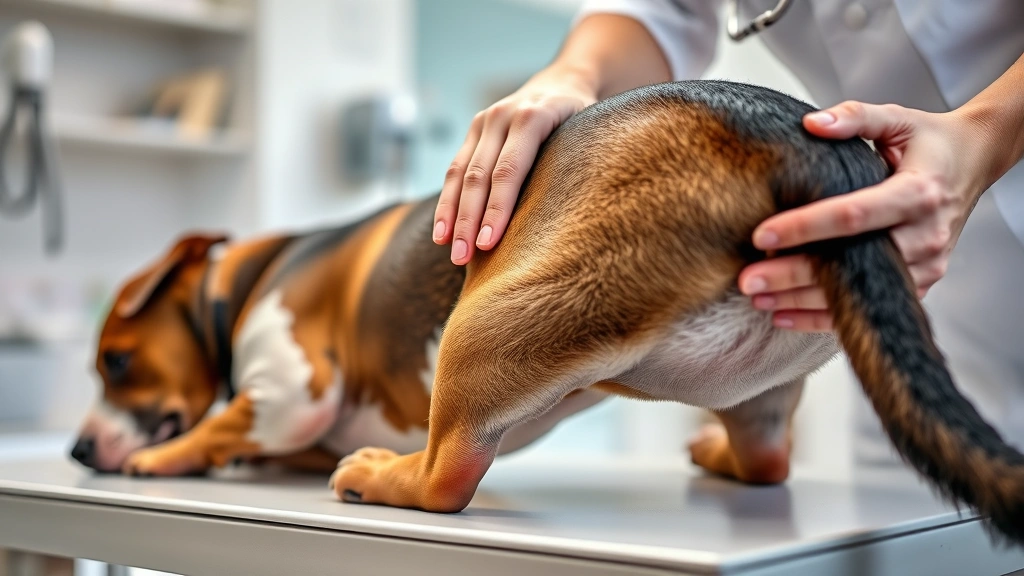
When you visit your veterinarian, expect a thorough physical examination. Your vet will watch your dog walk and run, then palpate the affected leg to locate pain or abnormalities. They may perform range-of-motion tests to assess joint function.
Depending on what they find, your vet might recommend X-rays, ultrasound, or blood work to rule out underlying conditions. These diagnostic tools help identify fractures, arthritis, ligament tears, or infections that aren’t visible during a basic exam. Don’t be surprised if your vet suggests multiple tests—this thorough approach ensures an accurate diagnosis.
Common Treatment Options for Dog Limping
Treatment depends entirely on the underlying cause, so there’s no one-size-fits-all solution. For mild sprains or strains, rest and activity restriction often do the trick. Your vet may recommend physical therapy exercises or rehabilitation to strengthen muscles and restore mobility.
More serious conditions like ligament tears might require surgical intervention, while arthritis typically calls for long-term management strategies. Infections need appropriate treatment to prevent complications. Your veterinarian will outline a customized treatment plan tailored to your dog’s specific condition and needs.
The Role of Telehealth in Quick Consultations
If you’re unsure whether your pet needs urgent care, a quick telehealth check-in can give you peace of mind—no appointment needed. Telehealth is particularly useful for initial assessments when you want professional guidance before committing to an in-person visit.
Many veterinarians can provide preliminary advice through video consultations, helping you determine whether your dog needs emergency care or can wait for a regular appointment. You can talk to a vet about puppy limping online for convenient, fast guidance. However, physical examinations and diagnostics still require in-person visits.
Recovery and Long-Term Management
After your vet diagnoses the problem, recovery timelines vary widely. A simple sprain might heal in two to four weeks, while surgical recovery could take months. Follow your vet’s post-care instructions precisely to avoid complications and ensure the best outcome.
For chronic conditions like arthritis, long-term management becomes part of your routine. This might include regular check-ups, modified exercise, supportive supplements, or ongoing therapies. Your veterinarian will guide you through each phase of recovery and help you adjust your dog’s lifestyle as needed.
Prevention Tips for Future Limping Issues
While you can’t prevent every injury, certain habits reduce your dog’s risk of limping problems. Keep your dog at a healthy weight to reduce stress on joints and bones. Provide regular, moderate exercise appropriate for your dog’s age and breed.
Avoid high-impact activities on hard surfaces, especially for puppies and senior dogs. Trim nails regularly and inspect paws frequently. Maintain a comfortable living environment with supportive bedding, especially for older dogs prone to arthritis. Regular veterinary check-ups catch early signs of joint problems before they become serious.
Frequently Asked Questions
How long should I wait before contacting my vet about my dog’s limp?
If the limp persists beyond a day or two, or if your dog is in obvious pain, contact your vet right away. Don’t wait for it to resolve on its own.
Can I give my dog over-the-counter pain relief for limping?
Never give your dog any medication without veterinary approval. Some human pain relievers are toxic to dogs, and even pet-safe options require proper dosing based on diagnosis.
Is limping always a sign of a serious problem?
Not necessarily. Many causes of limping are minor and resolve quickly with proper care, but only a veterinarian can determine the severity through proper examination.
What should I do if my dog suddenly can’t bear weight on a leg?
This warrants urgent veterinary attention. Contact your vet immediately or visit an emergency clinic if it happens outside regular hours.
Can puppies limp for different reasons than adult dogs?
Yes, puppies are prone to growth plate injuries and developmental issues that adult dogs don’t experience. Puppy limping always deserves prompt veterinary evaluation.
What To Do Now
- Schedule a veterinary appointment today if your dog’s limp has lasted more than a day or two, or contact an emergency clinic if it’s severe.
- Gather detailed observations about when the limping started, which leg is affected, and any recent activities or injuries your dog experienced.
- Restrict your dog’s activity to short, gentle walks on flat surfaces while you wait for professional evaluation.
- Inspect the affected paw and leg for visible injuries, swelling, or foreign objects, and keep the area clean.
- Consider a telehealth consultation if you need quick guidance before an in-person visit, or if you’re unsure whether urgent care is necessary.
Summary: Taking Action on Dog Limping
When you notice your dog limping, the most important thing is to take it seriously and talk to vet about dog limping promptly. Early intervention often means faster recovery and better outcomes. Your veterinarian has the expertise and diagnostic tools to identify the cause and recommend appropriate treatment.
Don’t let worry paralyze you—reach out for professional guidance today. Whether through a traditional appointment, telehealth consultation, or emergency clinic visit, getting your dog evaluated is the right move. Most limping issues are highly treatable when addressed early, so you’re already on the right path by seeking answers.
Remember, your dog depends on you to advocate for their health. Trust your instincts, gather information, and connect with a veterinarian who can provide the personalized care your pup deserves. Your furry friend will be back to their normal self soon with proper professional support.
This article is for general education and is not a substitute for care from your own veterinarian. Learn about The Pet Vet and our editorial policy.