
When you notice your cat limping, it’s natural to feel worried—but knowing what questions to ask vet about cat limping can help you get the right answers quickly and ease your mind. Whether it’s a minor stumble or a persistent hobble, understanding what’s happening and when to seek help is crucial for your feline friend’s comfort and health.
Table of Contents
- Why Is My Cat Limping? Common Causes Explained
- The Five Essential Questions to Ask Your Veterinarian
- When to Seek Immediate Veterinary Care for Cat Limping
- At-Home Observation: What Information Helps Your Vet
- Understanding Common Diagnoses: Arthritis, Sprains, and Infections
- Diagnostic Tools Your Vet Might Recommend
- Treatment Options: From Rest to Physical Therapy
- Preventive Measures to Reduce Future Limping
- The Role of Telehealth When You Ask Vet About Cat Limping
- Frequently Asked Questions
- Summary: Taking Action When Your Cat Limps
- What To Do Now
This article is for informational purposes only and is not a substitute for professional veterinary advice. Always consult a licensed veterinarian for diagnosis and treatment.
Why Is My Cat Limping? Common Causes Explained
Cat limping can stem from many different sources, ranging from minor to serious. Your cat might be experiencing pain from a soft tissue injury, arthritis, or even something stuck in their paw pad. The key is observing how severe the limp is and whether it came on suddenly or gradually.
Acute limping—appearing suddenly after an injury—often resolves within a few days with rest. However, chronic limping that persists for more than a week deserves professional attention. Catching this early puts you in a great position to help your cat feel better faster.
Common culprits include sprains, strains, infections, nail issues, and joint problems. Some cats hide pain exceptionally well, so even a subtle limp warrants investigation.
The Five Essential Questions to Ask Your Veterinarian
When you reach out to ask vet about cat limping, having a focused list of questions ensures you get actionable answers. Here are the most important ones:
1. How Serious Is This Limp?
Start by asking your vet to assess the severity. Is this something that requires immediate in-person evaluation, or can it be monitored at home? Understanding the urgency helps you decide whether to schedule a regular appointment or seek emergency care.
2. What Could Be Causing This?
Your vet will want to know about your cat’s recent activity, any falls or accidents, and whether the limp appeared suddenly or gradually. Based on this information, they can narrow down potential causes and recommend appropriate diagnostics like X-rays if needed.
3. Do You Need to See My Cat in Person?
Many initial consultations can happen virtually. If you are unsure whether your pet needs urgent care, a quick telehealth check-in can give you peace of mind — no appointment needed. Your vet may ask for videos of your cat walking to assess the limp remotely.
4. What Can I Do at Home to Help?
Ask about rest protocols, pain management options, and environmental modifications. Your vet might recommend limiting jumping, providing ground-level litter boxes, or using ramps to reduce stress on affected joints.
5. When Should I Follow Up or Seek Emergency Care?
Get clear guidance on red flags that warrant immediate attention, such as sudden inability to bear weight, severe swelling, or signs of infection. Knowing these warning signs empowers you to act quickly if needed.
When to Seek Immediate Veterinary Care for Cat Limping
Not all limping requires emergency intervention, but certain situations demand urgent attention. If your cat cannot put any weight on the affected limb, shows signs of severe pain, or has visible wounds or swelling, don’t wait—contact an emergency veterinary clinic right away.
Additionally, if your cat suddenly becomes lame after trauma (like a fall or being hit by a car), seek immediate evaluation. Fractures and internal injuries can worsen without prompt treatment.
Fever, lethargy, or loss of appetite accompanying the limp also warrant urgent care, as these may indicate infection or systemic illness.
At-Home Observation: What Information Helps Your Vet
Before you ask vet about cat limping, gather useful details that speed up diagnosis. Note which leg is affected, whether the limp is worse at certain times (morning, after activity), and if your cat is still grooming and eating normally.
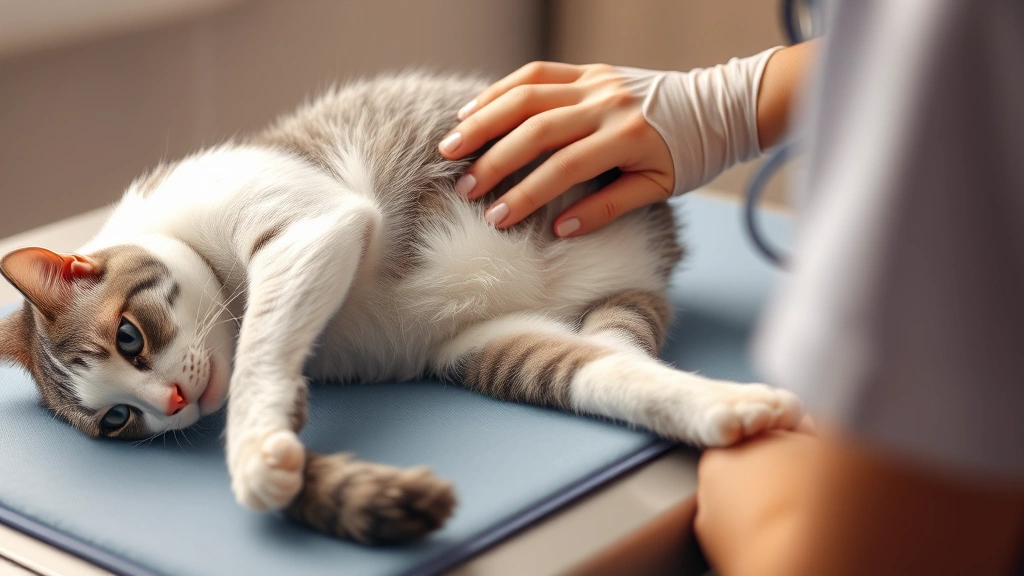
Video your cat walking if possible—this visual record is invaluable for your vet. Also document any recent changes in behavior, appetite, or litter box habits, as these clues help paint the full picture.
Keep a simple log: when the limp started, what your cat was doing beforehand, and any improvements or worsening over time. This timeline is gold for your veterinarian.
Understanding Common Diagnoses: Arthritis, Sprains, and Infections
Cats with arthritis often develop chronic limping, especially as they age. This degenerative joint condition may be managed with environmental modifications, weight management, and supportive care to keep your cat comfortable and mobile.
Sprains and strains are common in active cats and typically improve with rest over 7-10 days. Your vet will assess whether additional support or pain relief is needed.
Infections—whether from puncture wounds, abscesses, or other sources—require prompt treatment with appropriate medications. Early intervention prevents complications and reduces your cat’s discomfort.
Diagnostic Tools Your Vet Might Recommend
Your veterinarian may recommend X-rays to rule out fractures or joint abnormalities. Blood work can help identify systemic issues like infections or metabolic problems contributing to limping.
In some cases, ultrasound or advanced imaging provides clearer pictures of soft tissue damage. Don’t hesitate to ask your vet why a particular test is recommended and what it will reveal.
Physical examination remains the cornerstone of diagnosis—your vet will palpate the affected limb, assess range of motion, and observe your cat’s gait to pinpoint the problem.
Treatment Options: From Rest to Physical Therapy
Treatment depends entirely on the underlying cause. Minor sprains often resolve with restricted activity and time. Your vet might recommend confining your cat to a smaller space to limit jumping and running.
For arthritis, management focuses on comfort: soft bedding, accessible food and water bowls, and potentially pain relief strategies discussed with your vet. Physical therapy and gentle exercise can help maintain mobility.
Infections require targeted treatment, which your vet will customize based on the specific diagnosis. Always follow your veterinarian’s treatment plan closely and report any lack of improvement.
Preventive Measures to Reduce Future Limping
While not all limping is preventable, certain measures reduce risk. Maintain your cat’s healthy weight to decrease stress on joints. Provide safe, enriching environments that encourage appropriate activity without excessive jumping.
Regular veterinary check-ups catch early signs of joint disease or other issues before they cause noticeable limping. Keep your cat’s nails trimmed and paws clean to prevent infections and discomfort.
Ensure your home is cat-proofed: remove hazards that could cause falls or injuries, and provide stable perches and ramps for older or mobility-limited cats.

The Role of Telehealth When You Ask Vet About Cat Limping
Telehealth veterinary services offer a convenient first step when your cat is limping. You can describe the issue, share videos, and get preliminary guidance without leaving home. This is especially helpful for after-hours concerns or when you’re deciding whether in-person evaluation is necessary.
Many vets use telehealth to perform initial assessments, answer questions, and recommend next steps. If your cat needs hands-on examination or diagnostics, your vet will advise you to schedule an in-person appointment or visit an emergency clinic.
For follow-up care and monitoring, telehealth check-ins keep you connected with your veterinarian between visits, ensuring your cat’s recovery stays on track.
Frequently Asked Questions
How long should I wait before calling the vet about my cat’s limp?
If the limp persists beyond 24 hours, involves severe pain or inability to bear weight, or is accompanied by other symptoms like fever, contact your vet immediately. Minor limps that improve within a day are usually less urgent.
Can I give my cat pain relief at home?
Never give your cat over-the-counter pain medications without veterinary guidance, as many are toxic to cats. Always ask your vet what pain management options are safe and appropriate for your cat.
Is limping always a sign of a serious problem?
Not necessarily. Many causes of limping are minor and resolve with rest, but some require professional evaluation to rule out serious conditions. When in doubt, consult your veterinarian.
What should I do if my cat won’t put weight on a leg?
This is a red flag requiring urgent veterinary attention. Inability to bear weight suggests fracture, severe pain, or other serious issues that need immediate evaluation and treatment.
Can cats recover fully from limping caused by arthritis?
Arthritis is chronic and cannot be cured, but symptoms can be managed effectively with your vet’s guidance. Many cats live comfortably for years with proper care and support.
Summary: Taking Action When Your Cat Limps
Noticing your cat limping understandably triggers concern, but armed with the right questions and information, you’re in a strong position to help. Start by observing your cat closely, documenting the limp’s characteristics, and reaching out to ask vet about cat limping rather than waiting and hoping it resolves.
Your veterinarian is your partner in your cat’s health journey. Don’t hesitate to ask questions, share observations, and discuss all available treatment options. Early intervention often leads to better outcomes and faster recovery.
Remember: your cat depends on you to advocate for their comfort and well-being. Trust your instincts, gather information, and work closely with your vet to get your feline friend back to their happy, healthy self.
What To Do Now
- Observe and document your cat’s limp: which leg is affected, when it’s worse, and any triggering activities or improvements.
- Contact your veterinarian with a clear description of the limp and any accompanying symptoms—mention if you’d like an initial telehealth consultation to assess urgency.
- Prepare a list of questions you want to ask your vet, including those outlined in this article, to ensure you get the guidance you need.
- Implement at-home comfort measures recommended by your vet, such as rest, accessible food and water, and environmental modifications.
- Follow up with your vet as scheduled and report any changes—improvement or worsening—to keep treatment on track.
For more information on addressing limping in pets, explore resources like PetMD’s comprehensive guides or consult the American Veterinary Medical Association for veterinary professional locator services. You can also learn how telehealth helps with limping concerns or explore professional guidance on addressing mobility issues in pets.
This article is for general education and is not a substitute for care from your own veterinarian. Learn about The Pet Vet and our editorial policy.