
If you’ve noticed your cat shaking or trembling, it’s natural to feel concerned about what might be going on. Cat shaking can range from a simple startle response to a sign of something that needs veterinary attention, which is why it’s so important to ask vet about cat shaking whenever you’re unsure. The good news? Most causes are manageable when caught early, and understanding what triggers the tremors can help you respond confidently.
Table of Contents
- Why Is My Cat Shaking? Common Triggers Explained
- 1. Cold and Temperature Sensitivity
- 2. Fear, Stress, and Anxiety
- 3. Muscle Weakness and Fatigue
- 4. Fever and Illness
- 5. Neurological Issues and Seizures
- 6. Pain and Discomfort
- 7. Toxin Exposure and Poisoning
- When to Ask Your Vet About Cat Shaking
- How Your Vet Will Evaluate Cat Shaking
- Home Care Tips While You Wait for a Vet Visit
- Preventive Measures to Reduce Shaking Episodes
- Frequently Asked Questions
- What To Do Now
- Final Thoughts: You’re Doing the Right Thing
This article is for informational purposes only and is not a substitute for professional veterinary advice. Always consult a licensed veterinarian for diagnosis and treatment.
Why Is My Cat Shaking? Common Triggers Explained
Cat shaking happens for many different reasons, and not all of them signal a medical emergency. Your cat might shake when they’re cold, excited, scared, or even just waking up from a nap. However, persistent or unexplained tremors deserve professional attention.
The key is learning to distinguish between normal shaking and something that warrants a vet visit. When you notice patterns—like shaking that happens at specific times, in certain situations, or alongside other symptoms—that’s when you’ll want to reach out to your veterinarian for guidance.
1. Cold and Temperature Sensitivity
One of the most straightforward reasons cats shake is because they’re cold. Unlike dogs with thick fur, many cats have thinner coats and struggle to regulate body temperature in chilly environments.
If your cat is shaking and you’ve recently turned down the heat or they’ve been in a cool room, warmth is usually the solution. Provide cozy blankets, a heated bed, or a warmer spot in your home. Most cats will naturally gravitate toward comfort when they’re cold.
2. Fear, Stress, and Anxiety
Cats are sensitive creatures, and emotional stress can trigger visible shaking. Loud noises, unfamiliar visitors, vet visits, or changes in their environment can all cause anxiety-related tremors. Your cat’s whole body might quiver when they’re frightened or overwhelmed.
If stress seems to be the culprit, creating a safe, quiet space helps. You might also consider whether your cat would benefit from calming strategies or, in some cases, professional behavioral support. Talk to vet about cat anxiety if trembling episodes are frequent or severe, especially if they’re impacting your cat’s daily life.
3. Muscle Weakness and Fatigue
After intense play sessions or physical exertion, cats sometimes shake from muscle fatigue—similar to how humans might tremble after a tough workout. This type of shaking is usually brief and resolves with rest.
However, if your cat seems weak, shaky, or fatigued even during normal activity, that could signal an underlying health issue. Catching this early puts you in a great position to help your cat feel better.
4. Fever and Illness
Shaking can be a sign that your cat is running a fever or fighting an infection. When cats have a fever, their bodies may shake as they try to generate heat. This type of shaking is often accompanied by other symptoms like lethargy, loss of appetite, or behavioral changes.
If your cat is shaking and showing signs of illness—such as hiding more than usual, eating less, or seeming lethargic—contact your vet promptly. Fever-related shaking typically requires medical evaluation to identify and treat the underlying cause.

5. Neurological Issues and Seizures
While less common than other causes, neurological problems can manifest as shaking or tremoring. Seizures, for example, involve involuntary muscle contractions that look distinctly different from other types of shaking. A cat experiencing a seizure may lose consciousness, drool, or paddle their legs.
If your cat’s shaking looks uncontrolled, rhythmic, or is accompanied by loss of awareness, this is a situation where you should ask vet about cat shaking right away. Neurological symptoms need prompt professional evaluation to rule out serious conditions.
6. Pain and Discomfort
Cats sometimes shake when they’re in pain, though they often hide discomfort well. Shaking from pain might be localized (trembling in one limb) or more generalized. You might also notice your cat limping, reluctant to move, or adopting unusual postures.
Pain-related shaking deserves veterinary attention because it usually points to an injury, arthritis, or another condition requiring treatment. Your vet can perform an examination and recommend pain management strategies tailored to your cat’s needs.
7. Toxin Exposure and Poisoning
In some cases, shaking can indicate that your cat has been exposed to something toxic. Certain plants, foods, medications, or chemicals can cause tremors and other neurological symptoms in cats. This is a potentially serious situation that requires immediate veterinary care.
If you suspect your cat has ingested something harmful, contact your vet or an animal poison control center immediately. Don’t wait to see if symptoms improve on their own.
When to Ask Your Vet About Cat Shaking
You don’t need to panic over every tremor, but certain situations warrant professional guidance. Here’s when to reach out:
- Persistent shaking: If tremors last more than a few minutes or happen repeatedly throughout the day
- Shaking with other symptoms: Combine tremors with lethargy, appetite loss, vomiting, or behavioral changes
- Sudden onset: Your cat has never shaken like this before, and you can’t identify an obvious trigger
- Seizure-like activity: Uncontrolled, rhythmic shaking or loss of consciousness
- Pain indicators: Shaking paired with limping, reluctance to move, or vocalization
- Possible toxin exposure: You know or suspect your cat ate something toxic
If you’re unsure whether your pet needs urgent care, a quick telehealth check-in can give you peace of mind—no appointment needed. Many vets can assess tremors through video and advise whether an in-person exam is necessary.
How Your Vet Will Evaluate Cat Shaking
When you ask vet about cat shaking, expect a thorough evaluation. Your veterinarian will ask detailed questions about when the shaking started, how long it lasts, what triggers it, and whether other symptoms are present.
The physical exam might include checking your cat’s temperature, listening to their heart and lungs, palpating the abdomen, and assessing neurological function. Depending on findings, your vet may recommend blood work, imaging, or other diagnostic tests to identify the cause.
Home Care Tips While You Wait for a Vet Visit
If your cat is shaking but it’s not an emergency, there are things you can do to keep them comfortable:
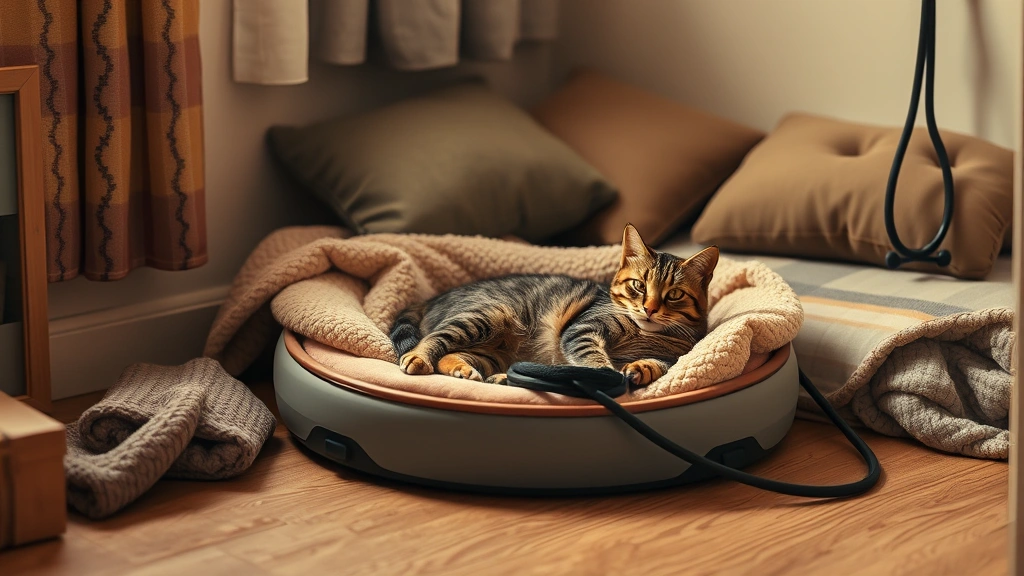
- Provide a warm, safe space: A quiet room with blankets, away from stressors, helps your cat relax
- Monitor food and water intake: Ensure fresh water is available and offer their favorite foods if they’re interested
- Avoid stressors: Minimize loud noises, visitors, or environmental changes while your cat isn’t feeling their best
- Keep a symptom log: Note when shaking occurs, how long it lasts, and any other behaviors you observe—this info helps your vet
- Stay calm: Cats pick up on our anxiety, so remaining composed helps keep them calm too
Preventive Measures to Reduce Shaking Episodes
While you can’t prevent all causes of cat shaking, some preventive steps reduce the likelihood of certain triggers:
- Maintain a comfortable temperature: Keep your home warm enough for your cat, especially older or senior cats
- Reduce stress: Create a predictable routine and provide hiding spots where your cat feels secure
- Cat-proof your home: Remove toxic plants, secure medications, and keep dangerous substances out of reach
- Regular vet checkups: Preventive care catches health issues early before they cause symptoms like shaking
- Monitor weight and exercise: A healthy weight and regular activity support overall wellness
Frequently Asked Questions
Is it normal for cats to shake when they purr?
Yes, some cats shake slightly while purring due to the vibration of their vocal cords. This is completely normal and nothing to worry about.
Can anxiety cause cat shaking?
Absolutely. Stress and anxiety trigger visible tremors in many cats. If anxiety seems to be the cause, you can talk to a vet about cat anxiety online for behavioral strategies and support.
What does a seizure look like in cats?
Seizures involve involuntary muscle contractions, often with the cat losing consciousness, drooling, or paddling their legs. Unlike normal shaking, seizure activity is uncontrolled and rhythmic.
Should I take my cat to the ER for shaking?
If shaking is accompanied by loss of consciousness, suspected toxin exposure, severe pain, or doesn’t stop within a few minutes, seek emergency care immediately. Otherwise, a regular vet appointment is appropriate.
Can old cats shake more than young cats?
Senior cats may shake more due to age-related muscle weakness, arthritis, or medical conditions. If your older cat’s shaking is new or worsening, a vet evaluation helps identify any age-related health changes.
What To Do Now
If your cat is shaking and you’re concerned, here’s your action plan:
- Observe and document: Note when the shaking happens, how long it lasts, and any other symptoms present
- Rule out obvious triggers: Check room temperature, recent stressors, or possible toxin exposure
- Schedule a vet appointment: Contact your veterinarian to describe what you’ve observed and get professional guidance
- Consider telehealth: If you need a quick assessment before an in-person visit, a telehealth consultation can help you decide next steps
- Keep your cat comfortable: Provide warmth, quiet, and a safe space while you await professional evaluation
Final Thoughts: You’re Doing the Right Thing
Noticing that your cat is shaking and wanting to understand why shows you’re a caring, attentive pet owner. The fact that you’re seeking information and considering whether to ask vet about cat shaking puts your cat in a strong position for good health outcomes.
Most causes of cat shaking are manageable when addressed promptly. Whether it’s something simple like cold or stress, or something requiring medical treatment, your veterinarian is your best resource for accurate diagnosis and peace of mind. Don’t hesitate to reach out—your cat’s comfort and wellbeing are worth it.
Have you noticed your cat shaking? Trust your instincts and connect with your vet. The Pet Vet is here to help with convenient, compassionate veterinary guidance whenever you need it.
This article is for general education and is not a substitute for care from your own veterinarian. Learn about The Pet Vet and our editorial policy.