
If you’ve noticed your kitten shaking, trembling, or quivering, it’s natural to feel concerned—and asking a vet about kitten shaking is absolutely the right instinct. Tremors in kittens can range from completely harmless to something that needs prompt attention, and understanding what might be causing them helps you know when to act.
Table of Contents
- Why Do Kittens Shake? Common Triggers
- Cold and Temperature Sensitivity in Kittens
- Hypoglycemia: Low Blood Sugar in Young Kittens
- Fear, Stress, and Anxiety-Related Tremors
- Excitement and Play-Related Shaking
- Infections and Fever-Related Tremors
- Neurological Issues and Tremor Disorders
- Toxin Exposure and Poisoning
- Muscle Weakness and Nutritional Deficiencies
- When to Ask Your Vet About Kitten Shaking
- What to Tell Your Vet
- Home Care Tips While You Wait for Vet Guidance
- Prevention: Reducing Shake-Triggering Situations
- Frequently Asked Questions
- What To Do Now
- Summary: Taking Action on Kitten Shaking
This article is for informational purposes only and is not a substitute for professional veterinary advice. Always consult a licensed veterinarian for diagnosis and treatment.
Kittens shake for many reasons. Sometimes it’s just cold, excitement, or natural kitten energy. Other times, shaking could signal an underlying health issue that deserves a closer look. The good news? Most causes are manageable, especially when caught early. Let’s walk through what might be happening with your little one.
Why Do Kittens Shake? Common Triggers
Kitten shaking isn’t always a red flag. Young cats are naturally more excitable and prone to tremors than adult cats. Their nervous systems are still developing, and they haven’t yet learned to regulate their body temperature as efficiently as older cats.
The most common reasons kittens shake include cold, fear, excitement, low blood sugar, and muscle fatigue from play. However, persistent or unusual tremors warrant veterinary evaluation. You can talk to a vet about kitten shaking online to get professional guidance without the wait.
Cold and Temperature Sensitivity in Kittens
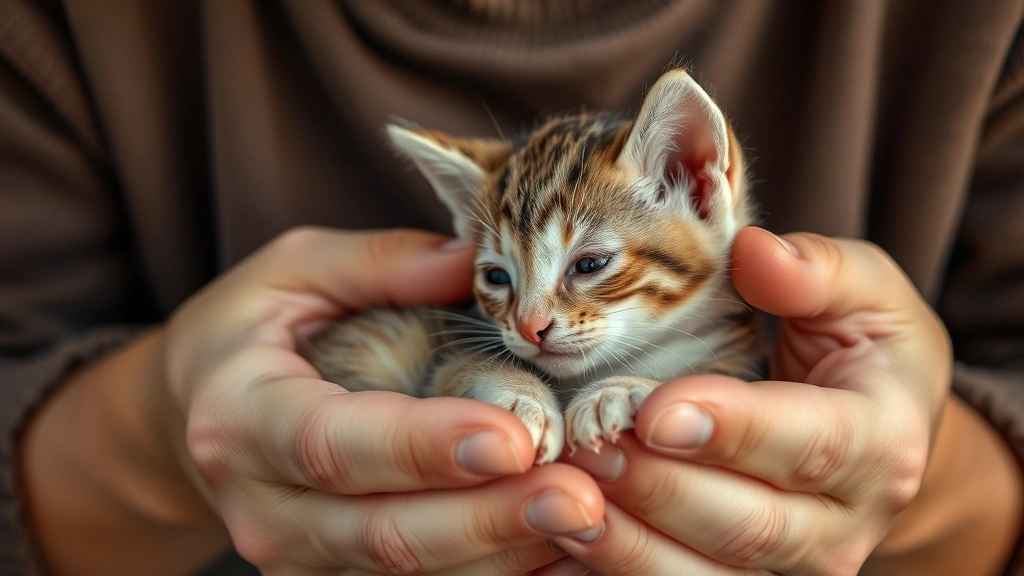
Newborn and very young kittens cannot regulate their body temperature effectively. If your kitten is shaking and feels cold to the touch, hypothermia could be the culprit. Kittens younger than 4 weeks are especially vulnerable.
Signs of a cold kitten include shivering, lethargy, and seeking warmth constantly. The fix is simple: provide a warm environment with blankets, heating pads (on low), or a warm room. Most kittens stop shaking once they’re cozy and warm.
Hypoglycemia: Low Blood Sugar in Young Kittens
Hypoglycemia (low blood sugar) is one of the more serious causes of kitten shaking and shouldn’t be ignored. Tiny kittens, especially those under 12 weeks, have small energy reserves and can develop dangerously low blood sugar between meals.
Watch for these signs alongside shaking: weakness, confusion, loss of appetite, or seizure-like movements. If you suspect hypoglycemia, offer a small amount of kitten formula, wet food, or a dab of honey on the gums immediately. Then contact your vet right away. Catching this early puts you in a great position to help.
Fear, Stress, and Anxiety-Related Tremors
Kittens are curious but easily startled. A loud noise, new environment, or unfamiliar person can trigger shaking from fear or anxiety. This type of tremor is usually temporary and stops once your kitten feels safe again.
You can help by creating a calm, quiet space where your kitten can retreat. Soft voices, gentle handling, and familiar toys reduce stress. If anxiety seems persistent, talking to a vet about kitten anxiety online can help you develop a calming plan tailored to your kitten’s needs.
Excitement and Play-Related Shaking
Sometimes kittens shake simply because they’re excited or overstimulated during play. This is completely normal. You’ll notice the shaking happens during or right after intense play sessions, and your kitten seems otherwise happy and healthy.
The tremors usually fade once playtime ends and your kitten settles down. If your kitten seems to recover quickly and shows no other symptoms, there’s nothing to worry about. Just make sure to balance active play with rest periods.
Infections and Fever-Related Tremors
Infections—whether viral, bacterial, or parasitic—can cause fever in kittens, and fever often triggers shaking as the body tries to regulate temperature. Common kitten infections include feline herpesvirus, calicivirus, and parasites.
Other signs of infection include lethargy, loss of appetite, discharge from the nose or eyes, and diarrhea. If your kitten is shaking alongside any of these symptoms, a vet visit is important. Early treatment prevents complications and helps your kitten recover faster.
Neurological Issues and Tremor Disorders
In some cases, persistent or involuntary shaking can point to neurological conditions. Cerebellar hypoplasia, for example, is a developmental condition where part of the brain doesn’t form properly, causing tremors and coordination problems.
Other neurological causes are rare but include seizure disorders or toxin exposure. If your kitten’s shaking is constant, uncontrollable, or accompanied by loss of balance or coordination, professional evaluation is essential. Your vet can run tests to rule out serious conditions.
Toxin Exposure and Poisoning
Accidental exposure to toxic substances—like certain plants, chemicals, medications, or foods—can cause tremors in kittens. Chocolate, xylitol, antifreeze, and pesticides are particularly dangerous.
If you suspect your kitten has ingested something toxic, shaking may be one of several alarming symptoms. Other signs include drooling, vomiting, difficulty breathing, or unusual behavior. Contact your vet or an animal poison control center immediately. Time matters in poisoning cases.
Muscle Weakness and Nutritional Deficiencies
Poor nutrition or specific nutrient deficiencies can weaken kitten muscles and cause tremors. This is less common in kittens eating quality commercial kitten food, but it can happen with inadequate diets or certain health conditions.
Signs include muscle weakness, poor growth, and overall lethargy. Your vet can assess your kitten’s diet and recommend adjustments or supplements if needed. Feeding age-appropriate, high-quality kitten food is your best prevention strategy.
When to Ask Your Vet About Kitten Shaking
Not every tremor requires an emergency vet visit, but some situations definitely do. Here’s a quick guide:
- Seek immediate care if: Shaking is severe or constant, accompanied by seizure-like movements, loss of consciousness, difficulty breathing, or extreme lethargy.
- Schedule a regular vet appointment if: Shaking persists for more than a few hours, happens repeatedly, or occurs alongside other symptoms like appetite loss or vomiting.
- Monitor at home if: Shaking is brief, happens only during play or when cold, and your kitten seems otherwise healthy and playful.
If you’re unsure whether your kitten needs urgent care, a quick telehealth check-in can give you peace of mind—no appointment needed. Vets can often assess tremors through video and advise whether in-person evaluation is necessary.
What to Tell Your Vet
When you reach out to your vet, having details ready helps them assess the situation quickly. Note when the shaking started, how long it lasts, and whether it’s constant or intermittent.
Describe what your kitten is doing when shaking occurs—playing, resting, eating, or after exposure to something new. Mention any other symptoms: appetite changes, vomiting, diarrhea, lethargy, or behavioral shifts. Also share your kitten’s age, diet, and whether there’s been any possible exposure to toxins or unfamiliar environments.
Home Care Tips While You Wait for Vet Guidance
If your kitten is shaking but not in acute distress, a few simple steps can help:
- Ensure your kitten is warm by providing blankets and a comfortable, draft-free space.
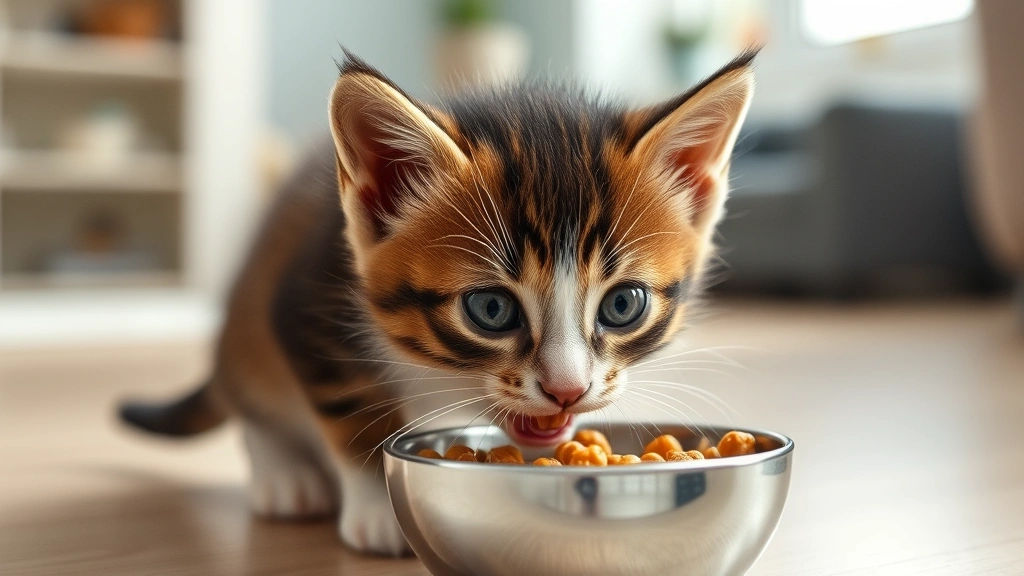
- Offer small, frequent meals to prevent low blood sugar—quality kitten food every 3-4 hours for young kittens.
- Keep your kitten calm and minimize stress by reducing loud noises and limiting handling if they seem anxious.
- Monitor closely for any changes in behavior, appetite, or additional symptoms.
- Keep your kitten hydrated with fresh water or kitten formula if very young.
Prevention: Reducing Shake-Triggering Situations
While you can’t prevent every tremor, smart care reduces unnecessary shaking. Feed your kitten high-quality, age-appropriate food on a regular schedule—this prevents hypoglycemia and supports growth.
Keep your home kitten-safe by removing toxic plants, securing chemicals, and ensuring a warm environment. Gradual introductions to new people and environments reduce fear-related shaking. Regular vet checkups catch infections and health issues early, before tremors develop.
Frequently Asked Questions
Is it normal for kittens to shake?
Some shaking is normal, especially from cold, excitement, or play. However, persistent, involuntary, or unexplained tremors warrant a vet check to rule out underlying issues.
How can I tell if my kitten’s shaking is serious?
Serious shaking is usually constant, involuntary, or accompanied by other symptoms like lethargy, seizure-like movements, or loss of appetite. If you’re unsure, contacting your vet is always the safest choice.
Can kittens have seizures?
Yes, though seizures are less common in kittens than adults. Seizure-related shaking looks like uncontrollable muscle contractions, often with loss of consciousness. This requires immediate veterinary attention.
What should I feed my kitten to prevent hypoglycemia?
Feed high-quality kitten formula or wet kitten food every 3-4 hours for kittens under 12 weeks, then gradually transition to 3-4 meals daily. Always provide fresh water and age-appropriate nutrition.
Can I use telehealth to ask a vet about my kitten shaking?
Absolutely. Telehealth vets can assess tremors through video, ask detailed questions about symptoms, and advise whether in-person evaluation is needed—all without the wait of a traditional appointment.
What To Do Now
- Observe your kitten closely and note when shaking occurs, how long it lasts, and any accompanying symptoms.
- Ensure your kitten is warm, fed regularly, and in a calm, safe environment.
- If shaking is persistent, severe, or accompanied by other symptoms, contact your vet or schedule a telehealth consultation for professional guidance.
- Keep a list of symptoms and timeline ready to share with your vet for faster, more accurate assessment.
- Review your kitten’s diet and environment to identify and eliminate potential stressors or hazards.
Summary: Taking Action on Kitten Shaking
Kitten shaking can stem from many causes—some completely benign, others requiring attention. Cold, excitement, and fear account for most cases and resolve quickly once the trigger is removed. However, hypoglycemia, infections, neurological issues, and toxin exposure are serious possibilities that shouldn’t be ignored.
The key is observation and prompt communication with your vet. Noting when shaking occurs, what else is happening, and how your kitten otherwise seems helps your vet narrow down the cause and recommend the right care. Don’t hesitate to ask your vet about kitten shaking—even if it turns out to be nothing serious, peace of mind is priceless when it comes to your kitten’s health.
Your kitten is counting on you to notice changes and act thoughtfully. With the right information and professional support, you’re well-equipped to keep your little one healthy and thriving.