
If your puppy won’t stop licking their paws, an online vet for puppy licking paws can help you figure out what’s going on—and fast. That constant licking habit might seem cute at first, but it’s often your pup’s way of telling you something needs attention.
Table of Contents
- Why Is Your Puppy Licking Their Paws So Much?
- Common Causes of Excessive Paw Licking in Puppies
- Allergies: The Most Common Culprit
- Parasites and Skin Infections
- Anxiety and Behavioral Causes
- Solution 1: Regular Parasite Prevention
- Solution 2: Identify and Eliminate Allergens
- Solution 3: Topical Care and Paw Soaks
- Solution 4: Environmental Management and Stress Relief
- Solution 5: When to Seek Professional Help Online
- What To Do Now
- Summary: Taking Action for Your Puppy’s Comfort
- Frequently Asked Questions
- Expert Resources
This article is for informational purposes only and is not a substitute for professional veterinary advice. Always consult a licensed veterinarian for diagnosis and treatment.
Most puppies explore the world with their mouths, but excessive paw licking is different. It’s a sign that something—whether allergies, parasites, anxiety, or skin irritation—is bothering your furry friend. The good news? You don’t have to wait weeks for an in-person appointment to get answers.
Why Is Your Puppy Licking Their Paws So Much?
Paw licking in puppies can stem from several causes, and identifying the root is the first step toward relief. Your puppy might be itchy, uncomfortable, or even stressed. Understanding the “why” helps you and your vet find the right solution faster.
When puppies lick their paws repeatedly, they’re communicating discomfort. Some causes are simple to address, while others need a bit more detective work. The earlier you catch it, the faster you can help your pup feel better.
Common Causes of Excessive Paw Licking in Puppies
Several conditions could be causing your puppy’s paw-licking behavior. Allergies—whether food-related or environmental—are one of the most common culprits. Puppies can develop sensitivities to ingredients in their food or react to pollen, dust, or mold in their environment.
Parasites like fleas, mites, and lice are another frequent cause, even if you don’t see visible signs. A single flea bite can trigger intense itching that leads to obsessive licking. Yeast or bacterial infections can also develop on the paws, especially in damp conditions or between the toes.
Beyond physical causes, stress and anxiety can drive paw licking too. A puppy adjusting to a new home, changes in routine, or separation anxiety might lick their paws as a self-soothing behavior. Ask a vet about puppy itching to rule out medical issues first.
Allergies: The Most Common Culprit
Allergies are the leading reason puppies lick their paws excessively. Food allergies often develop early, with common triggers being chicken, beef, dairy, wheat, and soy. Environmental allergies to grass, pollen, or dust mites can also cause itching that manifests as paw licking.
You might notice your puppy’s paws turning reddish or brown from constant licking—that’s typically a sign of yeast overgrowth triggered by the inflammation from allergies. If your puppy also has itchy ears, a scratchy face, or a dull coat, allergies are even more likely.
An online vet for puppy licking paws can help you identify potential allergens and discuss elimination diets or allergy testing. This approach saves time and gets your puppy relief sooner.
Parasites and Skin Infections
Even indoor puppies can pick up fleas, mites, or other parasites. Ear mites and mange mites are particularly itchy and often cause paw licking. Bacterial or yeast infections thrive in warm, moist environments—like between the toes or in skin folds.
If your puppy’s paws smell yeasty or look red and inflamed, infection is likely involved. These conditions won’t resolve on their own and can worsen quickly. Catching this early puts you in a great position to help your puppy feel comfortable again.
A vet can examine your puppy’s paws and, if needed, take a sample to identify the exact culprit. Ask a vet about puppy skin rash symptoms to understand what you’re seeing.
Anxiety and Behavioral Causes
Puppies sometimes lick their paws when they’re nervous, bored, or seeking comfort. This self-soothing behavior can become a habit, especially if the puppy is lonely or adjusting to a new environment. Unlike medical causes, behavioral licking often happens more when your puppy is alone or stressed.
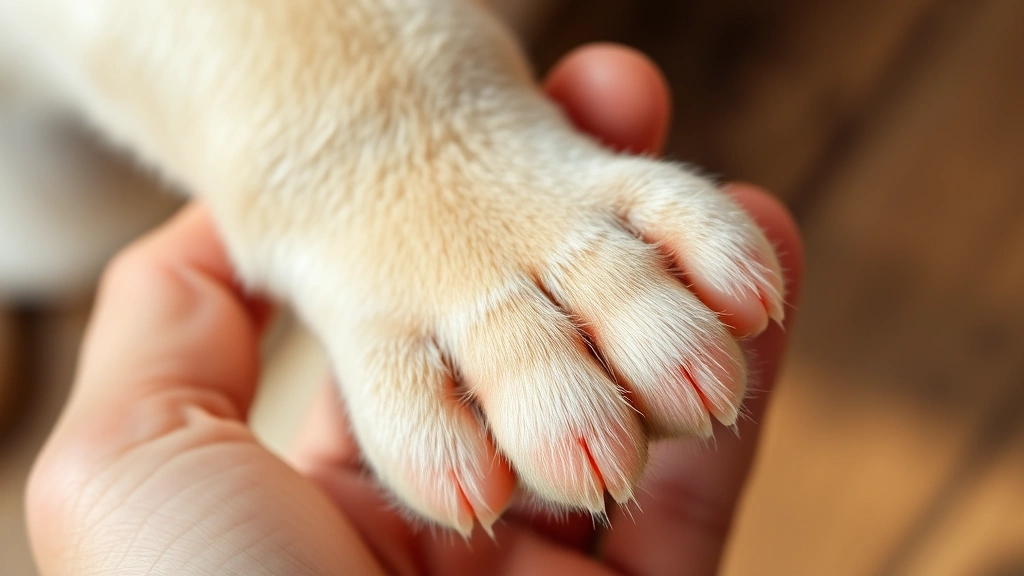
If your puppy licks their paws mainly during thunderstorms, fireworks, or when you leave home, anxiety is likely the driver. Behavioral causes still benefit from professional guidance—a vet can rule out medical issues and suggest calming strategies.
The key difference: behavioral licking usually doesn’t cause visible redness or swelling, whereas allergies and infections do.
Solution 1: Regular Parasite Prevention
The easiest way to prevent paw licking from parasites is consistent prevention. Monthly flea and tick treatments—whether topical, oral, or collar-based—keep parasites at bay. Your vet can recommend the best option for your puppy’s age and weight.
Don’t skip doses, even if you don’t see fleas. A single flea can cause weeks of itching, and prevention is far easier than treatment. If your puppy has already been exposed, your vet might recommend a stronger initial treatment followed by regular prevention.
Keeping your home clean, washing bedding regularly, and vacuuming often also reduces parasite risk. These simple steps work alongside veterinary prevention for maximum protection.
Solution 2: Identify and Eliminate Allergens
If allergies are suspected, an elimination diet is one of the most effective approaches. Your vet might suggest switching to a limited-ingredient diet or a novel protein source your puppy hasn’t eaten before. This typically takes 8-12 weeks to show results, as the previous allergen needs to clear from their system.
Keep a food diary to track what your puppy eats and when symptoms improve or worsen. Environmental allergens are trickier to eliminate entirely, but you can reduce exposure by wiping paws after outdoor time, using air filters, and managing humidity levels at home.
An online vet for puppy licking paws can guide you through an elimination diet step-by-step, even adjusting recommendations as you observe your puppy’s response.
Solution 3: Topical Care and Paw Soaks
While you’re working on the underlying cause, topical care can provide relief. Gentle paw soaks in lukewarm water for 5-10 minutes can soothe irritated skin and remove allergens or irritants. Some vets recommend adding a small amount of Epsom salt or oatmeal to the soak for extra soothing.
After soaking, dry the paws thoroughly—moisture trapped between toes can encourage yeast growth. Your vet might also recommend a soothing paw balm or medicated wipes to apply between soaks. Never use human products on your puppy’s paws without veterinary approval.
Keeping the fur between the toes trimmed short also improves airflow and reduces moisture buildup. This simple grooming step prevents many paw issues from developing.
Solution 4: Environmental Management and Stress Relief
If anxiety or boredom is driving the paw licking, environmental changes can help. Provide plenty of interactive toys, puzzle feeders, and playtime to keep your puppy mentally stimulated. A tired puppy is less likely to develop anxious habits.
Create a safe, comfortable space where your puppy can relax without stress. Calming aids like pheromone diffusers or anxiety wraps might help during stressful periods. Regular exercise and a consistent routine also reduce stress-related behaviors.
If separation anxiety is the issue, gradual desensitization—where you practice short absences and slowly increase duration—can help. Your vet can discuss these strategies and recommend additional support if needed.

Solution 5: When to Seek Professional Help Online
If your puppy’s paw licking persists for more than a few days, involves visible redness or swelling, or is accompanied by other symptoms, professional guidance is important. An online vet for puppy licking paws offers a convenient way to get expert advice without the wait.
Telehealth consultations let you describe symptoms, show photos or videos of your puppy’s paws, and discuss your observations in detail. If you are unsure whether your pet needs urgent care, a quick telehealth check-in can give you peace of mind — no appointment needed. Your vet can then recommend next steps, whether that’s at-home care, prescription treatment, or an in-person exam.
Dog skin allergies: when to see a vet guide helps you know when professional input is necessary. Don’t wait if your puppy seems uncomfortable or if the problem is worsening.
What To Do Now
- Document the behavior: Note when your puppy licks their paws (after meals, during stress, all day), how often it happens, and whether you see redness or swelling. This information helps your vet narrow down the cause.
- Check for visible signs: Examine your puppy’s paws closely. Look for redness, swelling, discharge, odor, or brown discoloration between the toes. Take clear photos to share with your vet if needed.
- Start preventive care: If your puppy isn’t already on flea and tick prevention, discuss options with your vet. This eliminates one major cause and is simple to maintain.
- Schedule a telehealth consultation: Connect with an online vet to discuss your puppy’s symptoms and get personalized recommendations. You’ll have a clear action plan within hours, not weeks.
- Try gentle paw soaks: While awaiting professional advice, soothe your puppy’s paws with lukewarm water soaks 1-2 times daily. This provides comfort and helps you observe whether the issue is improving or worsening.
Summary: Taking Action for Your Puppy’s Comfort
Excessive paw licking in puppies is always a sign that something needs attention—but the good news is that most causes are very treatable. Whether it’s allergies, parasites, infections, or anxiety, identifying the root cause is the first step toward relief.
An online vet for puppy licking paws makes it easier than ever to get professional guidance quickly. You don’t have to wonder or wait weeks for an appointment. With a telehealth consultation, you can describe your puppy’s symptoms, get expert advice, and start a treatment plan today.
Your puppy is depending on you to help them feel comfortable. By taking action now—whether that’s scheduling a telehealth visit, starting parasite prevention, or adjusting their diet—you’re setting them up for a healthier, happier life. Most puppies show improvement within days to weeks once the underlying cause is addressed.
Frequently Asked Questions
Can I use an online vet to diagnose my puppy’s paw licking?
Yes. An online vet can review your puppy’s symptoms, ask detailed questions, and recommend diagnostic steps or treatments. For some cases, a telehealth visit is enough to start addressing the problem. For others, an in-person exam might be recommended.
How long does it take to see improvement after starting treatment?
This depends on the cause. Parasite-related itching often improves within 1-2 weeks of starting prevention. Allergies may take 8-12 weeks to improve on an elimination diet. Behavioral licking might improve with environmental changes and stress relief over several weeks.
Is paw licking ever normal in puppies?
Light, occasional paw licking is normal grooming behavior. However, frequent or obsessive licking—especially if it causes redness, swelling, or visible damage—is not normal and warrants professional evaluation.
What if my puppy’s paws smell bad or look infected?
A yeasty or foul smell, along with redness or discharge, suggests a bacterial or yeast infection. These require prompt veterinary attention, as infections can worsen quickly. Schedule a telehealth or in-person visit right away.
Can diet changes alone fix paw licking?
If food allergies are the cause, an elimination diet can resolve the issue. However, many cases involve multiple factors—allergies plus parasites, for example. A vet helps you identify all contributing factors for a complete solution.
Expert Resources
For more information on puppy skin health and allergies, consult these trusted veterinary sources: PetMD’s comprehensive pet health guides, the American Veterinary Medical Association (AVMA), and your local veterinary school’s dermatology resources.
This article is for general education and is not a substitute for care from your own veterinarian. Learn about The Pet Vet and our editorial policy.