
If your kitten isn’t eating, it’s natural to feel worried—and that concern is absolutely justified, which is why you should talk to vet about kitten not eating as soon as possible. A loss of appetite in kittens can signal anything from minor stress to serious health issues, and catching it early makes all the difference in getting your little one back to normal.
Table of Contents
- Why Your Kitten Might Not Be Eating
- Signs That Warrant Immediate Veterinary Attention
- When to Talk to a Vet About Your Kitten’s Appetite
- Common Health Conditions Behind Loss of Appetite
- How to Encourage Your Kitten to Eat
- What Your Vet Will Ask and Examine
- Diagnostic Tests Your Vet Might Recommend
- Treatment Options for Kitten Appetite Loss
- Creating a Stress-Free Environment for Your Kitten
- Prevention Tips for Future Appetite Issues
- Frequently Asked Questions
- What To Do Now
- Summary: Taking Action for Your Kitten’s Health
This article is for informational purposes only and is not a substitute for professional veterinary advice. Always consult a licensed veterinarian for diagnosis and treatment.
Kittens are curious, energetic bundles of joy—and they should be enthusiastic eaters. When that changes, it’s a red flag worth investigating. The good news? Most cases of kitten appetite loss are manageable when addressed promptly with professional guidance.
Why Your Kitten Might Not Be Eating
There are dozens of reasons why a kitten may lose interest in food. Understanding the underlying cause is the first step toward helping your pet feel better.
Environmental stress is one of the most common culprits. New kittens in unfamiliar homes, recent changes to their routine, loud noises, or even a new pet in the household can suppress appetite temporarily. Most kittens bounce back within a day or two once they adjust.
Digestive upset is another frequent reason. Kittens explore their world with their mouths, which means they sometimes eat things they shouldn’t. Parasites, food sensitivities, or mild gastrointestinal issues can all lead to reduced appetite. Catching this early puts you in a great position to help.
Dental problems, though less common in young kittens, can make eating painful. If your kitten seems interested in food but hesitates or drops kibble, this could be the issue.
Signs That Warrant Immediate Veterinary Attention
Some situations require urgent care. If your kitten shows any of these signs alongside not eating, contact a veterinarian right away:
- Vomiting or diarrhea lasting more than a few hours
- Lethargy or unusual drowsiness
- Difficulty breathing or wheezing
- Abdominal swelling or visible pain
- Fever or cold extremities
- Refusing water for more than a few hours
Young kittens are especially vulnerable to dehydration, so prolonged appetite loss is never something to ignore. If you’re unsure whether your kitten needs urgent care, a quick telehealth check-in with a veterinarian can give you peace of mind—no appointment needed.
When to Talk to a Vet About Your Kitten’s Appetite
The general rule is simple: if your kitten hasn’t eaten for more than 12 hours, or if appetite loss lasts longer than 24 hours, it’s time to reach out to a veterinarian. Don’t wait for symptoms to worsen.
Even if your kitten seems otherwise fine, loss of appetite can indicate issues brewing beneath the surface. Kittens have fast metabolisms and can deteriorate quickly if they’re not eating enough.
You can schedule an online cat vet consultation if you want to avoid the stress of a clinic visit. A telehealth appointment lets you describe what’s happening from home and get professional advice within minutes.
Common Health Conditions Behind Loss of Appetite
Several medical conditions may be responsible for your kitten’s reduced food intake. Your vet will help narrow down the cause through examination and, if needed, diagnostic testing.
Parasites: Internal parasites like roundworms and hookworms are extremely common in kittens. They compete for nutrients and can cause nausea, reducing appetite. The good news is that parasites are highly treatable once identified.
Viral infections: Feline upper respiratory infections and other viral illnesses can make eating uncomfortable. These typically resolve with supportive care and time.
Digestive sensitivities: Some kittens have trouble digesting certain ingredients or may develop inflammatory bowel disease, which affects nutrient absorption and appetite. A dietary adjustment often helps significantly.

Stress-related issues: Anxiety can genuinely suppress appetite in kittens. Creating a calm, secure environment helps, and your vet may discuss additional strategies.
How to Encourage Your Kitten to Eat
While you’re waiting for your vet appointment, there are several things you can try to stimulate your kitten’s appetite:
- Warm the food: Slightly warming wet food (not hot) makes it more aromatic and appetizing. Kittens often respond better to food that smells stronger.
- Offer multiple small meals: Instead of one or two large portions, try offering food every few hours in smaller amounts. This reduces pressure and may be easier on a sensitive stomach.
- Switch protein sources: Try a different flavor or protein type. Some kittens are picky and prefer chicken over fish, or vice versa.
- Use high-value treats: Offer small amounts of kitten-safe treats like plain cooked chicken or a tiny amount of wet food to spark interest.
- Create a calm eating space: Remove distractions, ensure the food bowl is away from the litter box, and give your kitten privacy during meals.
These strategies work best as temporary measures while you seek professional guidance. They’re not substitutes for veterinary care.
What Your Vet Will Ask and Examine
When you talk to vet about kitten not eating, be prepared to share details. Your veterinarian will want to know:
- How long has your kitten not been eating?
- Is your kitten drinking water normally?
- Have you noticed any vomiting, diarrhea, or constipation?
- When was your kitten last dewormed and vaccinated?
- Any recent changes to diet, environment, or routine?
- Is your kitten acting normally otherwise, or does seem lethargic?
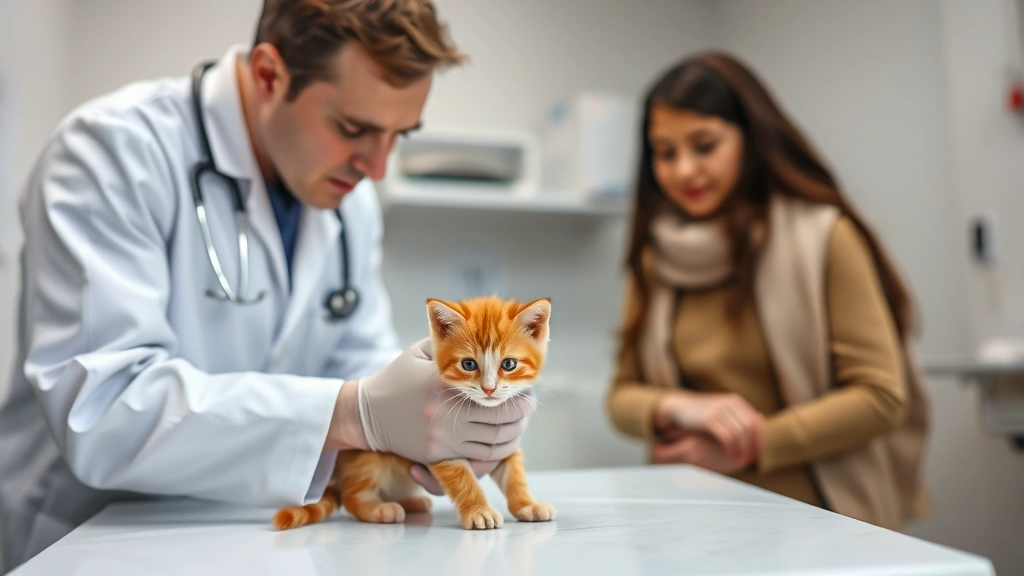
Your vet will perform a physical examination, checking for signs of illness, dental problems, or abdominal pain. Depending on findings, they may recommend blood work, fecal testing, or imaging to identify the underlying cause.
Diagnostic Tests Your Vet Might Recommend
Don’t be alarmed if your veterinarian suggests testing. These tools help pinpoint what’s going on so treatment can be targeted and effective.
Fecal exam: A stool sample checks for parasites, which are incredibly common in kittens and easily treatable once identified.
Blood work: A basic blood panel reveals information about organ function, infection, and overall health status. This is especially important if your kitten seems unwell.
Ultrasound or X-rays: Imaging may be recommended if your vet suspects a blockage, foreign object, or other structural issue affecting the digestive system.
These diagnostics sound intimidating but they’re standard veterinary practice and help ensure your kitten gets the right treatment quickly.
Treatment Options for Kitten Appetite Loss
Treatment depends entirely on what’s causing the problem. Your veterinarian will tailor recommendations specifically for your kitten’s situation.
If parasites are the culprit, deworming medication will address the issue. Most kittens show appetite improvement within days of treatment.
For viral infections, supportive care—fluids, rest, and nutritional support—helps your kitten recover. Antibiotics may be prescribed if a secondary bacterial infection develops.
Dietary changes often help kittens with digestive sensitivities. Your vet might recommend a limited-ingredient diet or prescription food formulated for sensitive digestion. You can also talk to a vet about kitten behavior and feeding challenges online to explore feeding strategies that work for your pet.
In some cases, appetite stimulants or anti-nausea medications may be prescribed temporarily to help your kitten eat while the underlying issue resolves.
Creating a Stress-Free Environment for Your Kitten
Environmental factors play a surprisingly large role in appetite. A stressed kitten often won’t eat, even if nothing is medically wrong.
Provide a quiet, safe space where your kitten can retreat. This might be a bedroom, bathroom, or a dedicated kitten room with food, water, and a litter box. Minimize loud noises and sudden changes to routine.
Spend gentle, low-pressure time with your kitten. Play sessions and affection help reduce anxiety, but don’t force interaction if your kitten seems withdrawn.
Ensure your kitten has access to vertical spaces like cat trees or shelves. Heights make kittens feel secure and in control of their environment, which can ease stress-related appetite loss.
Prevention Tips for Future Appetite Issues
Once your kitten is eating normally again, you can take steps to prevent future problems:
- Keep up with preventive care: Regular deworming, vaccinations, and wellness exams catch issues early.
- Feed high-quality kitten food: Nutrition designed for growth supports digestive health and overall wellness.
- Monitor eating habits: Know what’s normal for your kitten so you notice changes quickly.
- Minimize stress: Gradual introductions to new pets, people, or environments help prevent anxiety-related appetite loss.
- Keep toxic substances away: Ensure your kitten can’t access human foods, plants, or other items that could cause digestive upset.
Frequently Asked Questions
How long can a kitten go without eating?
Kittens can typically survive about 7-10 days without food, but they can develop serious complications much sooner. Loss of appetite lasting more than 24 hours warrants veterinary attention. Don’t wait to see if it resolves on its own.
Is it normal for kittens to be picky eaters?
Some pickiness is normal, especially during transitions or in new environments. However, sudden refusal to eat or dramatic changes in appetite are not normal and should be evaluated by a vet.
Can stress alone cause a kitten to stop eating?
Yes, stress can absolutely suppress appetite in kittens. However, stress combined with other factors like illness makes the situation more serious. Always rule out medical causes first.
What should I do if my kitten vomits after eating?
Occasional vomiting can happen, but repeated vomiting after meals suggests a digestive issue or sensitivity. Contact your vet, especially if it’s accompanied by reduced appetite or lethargy.
Can I give my kitten supplements to boost appetite?
Never give supplements without veterinary approval. Some can interact with other treatments or mask underlying problems. Your vet will recommend safe options if needed.
What To Do Now
Here are your next steps to help your kitten:
- Document the timeline: Note exactly when your kitten stopped eating and any other symptoms you’ve observed. This information helps your vet tremendously.
- Schedule a vet appointment or telehealth consultation: If your kitten hasn’t eaten for more than 12 hours, reach out to a veterinarian today. An online cat vet consultation offers quick, convenient access to professional advice.
- Monitor hydration: Make sure your kitten is drinking water. If not, this is an urgent sign requiring immediate veterinary care.
- Keep food available: Offer small portions of your kitten’s regular food every few hours, but don’t force eating. Remove uneaten food after 15 minutes.
- Avoid home remedies: Stick to professional guidance rather than trying unproven treatments. Your vet’s recommendations are based on your kitten’s specific situation.
Summary: Taking Action for Your Kitten’s Health
A kitten not eating is always worth investigating. Whether the cause is stress, parasites, digestive sensitivity, or something else, professional veterinary guidance is essential for getting your kitten back on track.
The fact that you’re seeking answers shows how much you care. By reaching out to talk to vet about kitten not eating, you’re giving your little one the best chance at a healthy recovery. Most appetite issues resolve quickly once the underlying cause is identified and addressed.
Don’t hesitate to contact a veterinarian if your kitten’s appetite doesn’t improve within 24 hours or if other symptoms develop. Early intervention makes all the difference. You’ve got this, and your kitten is lucky to have someone so attentive to their wellbeing.
This article is for general education and is not a substitute for care from your own veterinarian. Learn about The Pet Vet and our editorial policy.