
When your beloved cat isn’t feeling well, the urge to ask a cat vet online has never been more accessible—or more reassuring. Pet owners today have the luxury of getting professional veterinary guidance from home, which means you don’t have to wait days for an appointment or stress about transporting a sick cat across town.
Table of Contents
- Why Pet Owners Are Choosing to Ask a Cat Vet Online
- Common Cat Health Issues You Can Address Online
- Understanding Cat Medications: What You Should Know
- How to Prepare for Your Online Vet Consultation
- What to Expect During Your Telehealth Visit
- Medication Administration Tips for Cat Owners
- Managing Chronic Conditions Through Online Vet Care
- When Your Cat Needs Emergency In-Person Care
- Building a Relationship With Your Online Vet
- Cost Considerations for Online Vet Services
- Frequently Asked Questions
- What To Do Now
- Conclusion
This article is for informational purposes only and is not a substitute for professional veterinary advice. Always consult a licensed veterinarian for diagnosis and treatment.
Whether your cat is experiencing digestive issues, behavioral changes, or you’re simply unsure about a medication your vet prescribed, telehealth veterinary services have transformed how we care for our feline companions. Let’s explore how online veterinary consultations work, what you can expect, and how to get the most out of your virtual vet visit.
Why Pet Owners Are Choosing to Ask a Cat Vet Online
The convenience factor alone makes telehealth appealing, but there’s more to it than just comfort. Many cat owners find that their feline friends are less stressed during a video consultation compared to an in-person clinic visit. Cats are notoriously sensitive to environmental changes, and avoiding the carrier, car ride, and unfamiliar clinic environment can make a real difference.
Beyond stress reduction, online veterinary consultations offer several practical advantages. You get faster access to professional advice, often without lengthy wait times. If you’re concerned about your cat’s behavior or need clarification on medication instructions, a quick telehealth check-in can give you peace of mind—no appointment needed.
Additionally, virtual visits are typically more affordable than traditional office visits, making quality veterinary care more accessible for families on a budget.
Common Cat Health Issues You Can Address Online
Not every cat concern requires an in-person examination, which is where online veterinary services shine. Many common issues can be effectively assessed and managed through a video consultation.
If your cat isn’t eating or is experiencing appetite changes, talking to a vet about cat not eating online can help you determine whether it’s a minor issue or something that needs urgent attention. Similarly, digestive problems like diarrhea, constipation, or vomiting can often be discussed and managed remotely, especially if your cat is otherwise acting normally.
Behavioral concerns are another area where telehealth excels. Whether your cat is displaying signs of anxiety or stress, having trouble with litter box habits, or showing aggression, a vet can gather important information during a video call and recommend appropriate interventions.
Respiratory symptoms like coughing or sneezing can also be discussed online, though your vet may recommend an in-person exam if they suspect something serious. You can learn more about discussing cat coughing with a vet online to understand what to expect.
Understanding Cat Medications: What You Should Know
When your vet prescribes medication for your cat, understanding why, how, and for how long is crucial to your pet’s recovery. Online veterinary consultations provide an excellent opportunity to ask detailed questions about any prescribed medications.
Common cat medications address issues ranging from infections and pain to chronic conditions like hyperthyroidism and diabetes. Your vet will explain the purpose of each medication, potential side effects to watch for, and how to administer it safely.
Here are key questions to ask your vet about your cat’s medication:
- What is the medication treating, and how long will my cat need it?
- What are possible side effects, and when should I contact you?
- Are there any foods or supplements that interact with this medication?
- How should I store the medication?
- What should I do if I miss a dose?
Taking notes during your telehealth consultation helps you remember important details and ensures you’re administering medications correctly.
How to Prepare for Your Online Vet Consultation
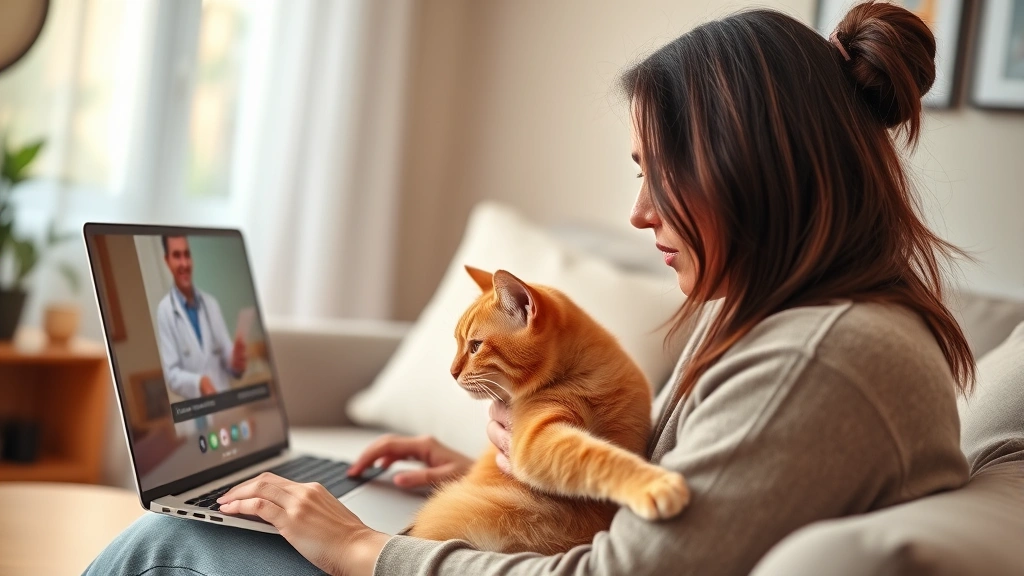
Getting the most out of your virtual visit starts with preparation. Before your appointment, gather relevant information about your cat’s symptoms, including when they started, how often they occur, and any other changes you’ve noticed.
Here’s how to prepare:
- Write down your cat’s symptoms and when they began
- Note any recent diet changes or new foods
- Prepare a list of current medications or supplements
- Have your cat’s medical records available if switching vets
- Ensure good lighting and a quiet space for the video call
- Have your cat nearby or easily accessible for the vet to observe
Being organized and having information readily available makes the consultation more efficient and helps your vet make better assessments.
What to Expect During Your Telehealth Visit
Online veterinary consultations typically follow a similar structure to in-person visits, with some important differences. Your vet will ask detailed questions about your cat’s health history, current symptoms, diet, and behavior.
During the video call, your vet will likely ask you to show your cat on camera so they can observe physical signs like body condition, coat quality, and behavior. Be prepared to describe symptoms in detail—what your cat looks like when affected, whether symptoms are constant or intermittent, and any patterns you’ve noticed.
Your vet may recommend an in-person examination if they believe it’s necessary for proper diagnosis. However, for many issues, the telehealth consultation is sufficient to provide guidance, prescribe medications, or recommend lifestyle changes.
Medication Administration Tips for Cat Owners
Getting your cat to take medication can be challenging, so knowing effective administration strategies is essential. Different forms of medication—pills, liquids, or injections—require different approaches.
For pills, some cats will accept medication hidden in treats or wet food. Others may need a pill gun or pill crusher (if appropriate for that medication). Always ask your vet if a medication can be crushed or if it must be given whole.
Liquid medications are sometimes easier to administer, especially when mixed with a small amount of wet food or a treat like tuna juice. However, ensure your cat actually consumes the full dose.
Pro tips for medication success:
- Stay calm—cats sense your anxiety
- Give treats or praise after medication administration
- Keep the process quick and efficient
- Never force medication roughly, as this damages trust
- If your cat refuses medication, contact your vet for alternative options
Managing Chronic Conditions Through Online Vet Care
Cats with chronic conditions like hyperthyroidism, diabetes, or inflammatory bowel disease benefit greatly from regular telehealth check-ins. These consultations allow you to discuss how your cat is responding to treatment, adjust medications if needed, and address new concerns.
For conditions like inflammatory bowel disease in cats, ongoing communication with your vet helps refine treatment plans and improve your cat’s quality of life. Similarly, if your cat has been diagnosed with parasitic infections like giardia in cats, follow-up consultations ensure the infection is clearing and your cat is returning to normal.
Regular telehealth visits make managing chronic conditions less stressful and more affordable than frequent in-person appointments.
When Your Cat Needs Emergency In-Person Care
While telehealth is excellent for many situations, some conditions require immediate in-person examination and treatment. If you are unsure whether your pet needs urgent care, a quick telehealth check-in can give you peace of mind—no appointment needed.
However, seek emergency veterinary care immediately if your cat shows these signs:
- Difficulty breathing or gasping for air
- Inability to urinate or defecate
- Severe vomiting or diarrhea with lethargy
- Loss of consciousness or collapse
- Severe trauma or suspected poisoning
- Uncontrollable bleeding
- Signs of extreme pain or distress
Your vet during a telehealth consultation can help you determine if symptoms warrant emergency care or if they can be managed at home with guidance.
Building a Relationship With Your Online Vet
Consistency matters in veterinary care. When you work with the same online vet repeatedly, they become familiar with your cat’s baseline health, personality, and medical history. This familiarity leads to better, more personalized care.
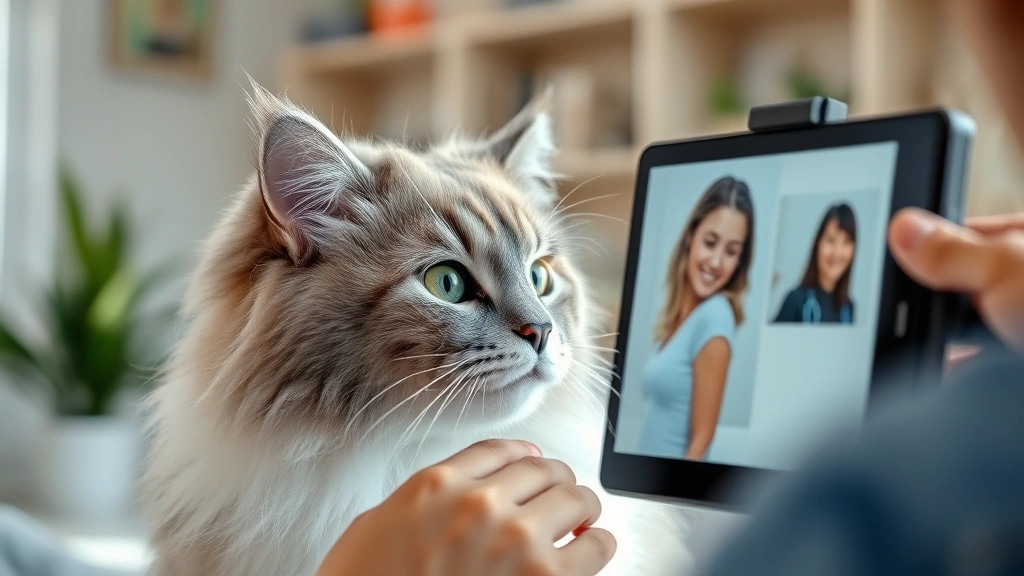
Many telehealth platforms allow you to request the same veterinarian for follow-up appointments, which strengthens the doctor-patient relationship. Your vet will remember details about your cat and can provide more informed recommendations over time.
Don’t hesitate to ask follow-up questions via messaging features that many platforms offer. If you’re unsure about medication instructions after your appointment, clarifying questions can often be answered without scheduling another consultation.
Cost Considerations for Online Vet Services
One of the most appealing aspects of telehealth veterinary services is affordability. Online consultations typically cost significantly less than traditional office visits, often ranging from half to two-thirds the price.
This cost savings makes it easier to seek professional advice when you’re uncertain about your cat’s health, rather than waiting and hoping the issue resolves itself. Regular check-ins become more feasible financially, which can lead to earlier detection of health problems.
Many pet insurance plans are beginning to cover telehealth consultations, so check your policy. Additionally, some online vet services offer subscription plans or membership options that further reduce per-visit costs.
Frequently Asked Questions
Can my cat vet online prescribe medication?
Yes, licensed veterinarians offering telehealth services can prescribe medications just like in-person vets. Prescriptions are typically sent electronically to your pharmacy or mailed to you.
Is online vet care as effective as in-person visits?
For many conditions, online consultations are equally effective. However, some issues require physical examination, so your vet may recommend an in-person visit if necessary.
How do I know if my cat needs to be seen in person?
Your telehealth vet will advise you based on your cat’s symptoms. Emergency signs, suspected injuries, or conditions requiring hands-on examination typically need in-person care.
Can kittens be seen by a vet online?
Yes, kittens can be assessed online for many issues. If you’re concerned about your kitten, you can ask a vet about kitten not eating and other common kitten health questions through telehealth.
What if my cat won’t cooperate during the video call?
Let your vet know if your cat is uncooperative. Vets are experienced with cats and can work with limited visibility, asking detailed questions to gather information about your pet’s condition.
What To Do Now
- Schedule your first telehealth consultation: Choose a reputable online veterinary service and book an appointment for your cat’s current concern or routine check-in.
- Gather your cat’s medical information: Compile vaccination records, previous diagnoses, current medications, and any symptoms you’ve noticed to share with your vet.
- Create a symptom journal: Document when symptoms occur, their severity, and any patterns you notice to provide detailed information during your consultation.
- Ask about follow-up care: Discuss with your vet how often your cat should have check-ins and whether telehealth or in-person visits are best for ongoing management.
- Save your vet’s contact information: Keep your telehealth vet’s details readily available so you can reach out quickly if new concerns arise.
Conclusion
The ability to ask a cat vet online has revolutionized pet care for cat owners everywhere. Whether you’re dealing with a minor health concern, managing a chronic condition, or simply seeking professional guidance, telehealth veterinary services offer convenience, affordability, and quality care without leaving home.
Your cat’s health and happiness deserve professional attention, and online veterinary consultations make that care more accessible than ever. By understanding how to prepare for these visits, what to expect, and when to seek in-person care, you’re empowered to make informed decisions about your cat’s wellbeing.
Remember, catching health issues early and maintaining open communication with your veterinarian—whether online or in-person—puts you in the best position to help your feline friend live a long, healthy, and happy life.
This article is for general education and is not a substitute for care from your own veterinarian. Learn about The Pet Vet and our editorial policy.