
Learning that your dog might have cancer is one of the most frightening moments a pet owner can experience, and understanding dog cancer stages explained can help you feel more prepared and informed as you navigate this difficult journey with your beloved companion.
Table of Contents
- What Does Cancer Staging Mean for Dogs?
- Stage 1: Localized and Early-Stage Cancer
- Stage 2: Local Spread to Lymph Nodes
- Stage 3: Significant Lymph Node Involvement
- Stage 4: Distant Metastasis (Cancer Has Spread)
- Stage 5: End-Stage Cancer
- How Vets Determine Cancer Stage
- Why Cancer Staging Matters for Treatment
- Common Dog Cancers and Their Staging
- What to Expect After Staging
- Living with a Dog Diagnosed with Cancer
- Frequently Asked Questions
- What To Do Now
- Summary
This article is for informational purposes only and is not a substitute for professional veterinary advice. Always consult a licensed veterinarian for diagnosis and treatment.
When your vet uses the word “stage,” they’re describing how far the cancer has progressed in your dog’s body. Think of it like a roadmap—knowing where you are helps you understand what comes next and what treatment options might work best. The staging system gives you and your veterinary team a common language to discuss your dog’s condition and prognosis.
What Does Cancer Staging Mean for Dogs?
Cancer staging is a standardized way veterinarians classify how advanced a tumor is at the time of diagnosis. Each stage tells a story about the cancer’s size, whether it has spread to lymph nodes, and if it has metastasized (spread) to other parts of the body. This information is crucial because it directly influences treatment recommendations and helps set realistic expectations.
Your vet will use various diagnostic tools—ultrasound, X-rays, blood work, and sometimes biopsies—to determine your dog’s cancer stage. This thorough evaluation ensures nothing is missed and that your dog gets the most appropriate care plan.
Stage 1: Localized and Early-Stage Cancer
Stage 1 cancer is the earliest form, where the tumor is small and confined to one location. The cancer hasn’t spread to nearby lymph nodes or distant organs, which is genuinely good news. Catching cancer at this stage puts you in a great position to help your dog with more treatment options and better outcomes.
Dogs with stage 1 cancer often show minimal symptoms, which is why regular vet checkups are so important. Early detection can sometimes feel like winning the lottery in cancer care—you’ve caught it before it had a chance to spread.
Treatment options at this stage are typically more straightforward and may include surgery alone, depending on the cancer type. Your vet will discuss whether additional therapies like chemotherapy or radiation might be recommended.
Stage 2: Local Spread to Lymph Nodes
In stage 2, the tumor is still relatively small or moderate in size, but cancer cells have begun spreading to nearby lymph nodes. This is a critical turning point where the cancer is becoming more aggressive, yet treatment can still be very effective.
You might notice your dog seems a bit more tired than usual or has less appetite, though some dogs show no obvious signs. Swollen lymph nodes near the tumor site might be palpable during a vet exam, which is how this stage is often discovered.
Stage 2 typically requires a multi-modal approach to treatment. Your veterinarian might recommend surgery combined with chemotherapy or radiation to address both the primary tumor and affected lymph nodes.
Stage 3: Significant Lymph Node Involvement
Stage 3 cancer indicates that lymph nodes are clearly involved and the cancer is spreading more extensively. At this point, the tumor may be larger, and multiple lymph nodes show signs of cancer involvement. This stage requires more aggressive treatment strategies.
Dogs in stage 3 may experience noticeable symptoms like lethargy, decreased appetite, weight loss, or visible lumps and swelling. These signs can be worrying, but remember that many dogs respond well to comprehensive treatment plans at this stage.
Treatment typically involves a combination of surgery, chemotherapy, and possibly radiation therapy. The goal shifts to managing the disease and extending quality time with your companion while maintaining their comfort and happiness.
Stage 4: Distant Metastasis (Cancer Has Spread)
Stage 4 is the most advanced stage, where cancer has metastasized to distant organs or multiple body systems. This might include the lungs, liver, brain, or bones—anywhere far from the original tumor site. It’s a serious diagnosis, but it doesn’t mean your dog’s life is over or that treatment isn’t worthwhile.

Symptoms at this stage are often more pronounced: significant weight loss, lethargy, difficulty breathing, lameness, or behavioral changes. Your dog may seem to be declining, but palliative care and certain treatments can still provide meaningful quality of life.
Treatment focuses on managing symptoms and maintaining comfort rather than curing the cancer. Chemotherapy, radiation, immunotherapy, or a combination of these may help slow progression and extend survival time with good quality of life.
Stage 5: End-Stage Cancer
Stage 5 represents the final stage where cancer has extensively spread and the body is overwhelmed by disease. At this point, your dog may be experiencing significant pain, organ dysfunction, or severe decline in quality of life.
The focus at this stage shifts entirely to comfort care and palliative management. Your veterinarian will help you understand your dog’s prognosis and discuss end-of-life options, including hospice care and when it might be time to say goodbye with dignity and love.
Many pet owners find that having honest conversations with their vet about quality of life helps guide these difficult decisions. Your dog’s comfort and happiness should remain the priority.
How Vets Determine Cancer Stage
Veterinarians use a combination of physical examination, imaging, and laboratory tests to stage cancer accurately. Here’s what typically happens:
- Physical Exam: Your vet palpates (feels) the tumor and checks for enlarged lymph nodes throughout the body.
- Imaging: X-rays and ultrasounds help visualize the tumor size and check for spread to lungs, liver, and other organs.
- Bloodwork: Lab tests evaluate organ function and overall health, which informs treatment safety.
- Biopsy: Tissue samples confirm the cancer type and sometimes reveal important genetic markers that guide treatment.
- Specialized Tests: Depending on cancer type, your vet might recommend CT scans, MRI, or bone scans for more detailed information.
Why Cancer Staging Matters for Treatment
Understanding your dog’s cancer stage is essential because it directly determines treatment options, prognosis, and survival expectations. A stage 1 cancer might be cured with surgery alone, while a stage 4 cancer requires a completely different approach focused on quality of life.
Staging also helps your vet communicate with you realistically. Rather than vague statements, you get concrete information: “Your dog has stage 2 lymphoma, and we recommend chemotherapy combined with surgery.” This clarity helps you make informed decisions about your dog’s care.
Additionally, staging allows your veterinarian to connect you with specialists if needed. An oncologist can provide detailed treatment protocols tailored to your dog’s specific cancer stage and type.
Common Dog Cancers and Their Staging
Different cancers use slightly different staging systems, though the general principles remain similar. Here are some common canine cancers:
- Lymphoma: Often staged 1-5 based on how many lymph nodes and organs are affected; one of the most treatable cancers in dogs.
- Hemangiosarcoma: A blood vessel cancer that’s aggressive; staging helps determine if surgery alone is sufficient or if chemotherapy is needed.
- Osteosarcoma: A bone cancer that typically spreads to lungs; staging helps guide amputation and chemotherapy decisions.
- Mast Cell Tumors: Skin cancers staged 1-3 based on size, invasion, and spread; early-stage tumors are often curable with surgery.
- Melanoma: Can be oral or cutaneous; staging determines whether surgery, radiation, or immunotherapy is recommended.
Each cancer type has unique characteristics, so your vet will explain how staging applies specifically to your dog’s diagnosis. For detailed information on treatment options, check out our guide on dog cancer treatment options.
What to Expect After Staging
Once your dog is staged, your veterinarian will present a treatment plan tailored to that stage. This might include surgery, chemotherapy, radiation, immunotherapy, or a combination approach. Your vet will also discuss realistic timelines and what “success” looks like for your dog’s specific situation.
Many dogs tolerate cancer treatments remarkably well, especially when managed by experienced veterinary oncologists. Side effects from chemotherapy in dogs are typically much milder than in humans, and most dogs maintain excellent quality of life during treatment.
Regular monitoring appointments will track how your dog is responding to treatment. Some cancers go into remission, while others are managed as chronic conditions. Your vet will adjust the plan as needed to keep your dog as comfortable and happy as possible.
If you’re unsure whether your pet needs urgent evaluation or want to discuss staging concerns, understanding dog cancer emergency signs can help you recognize when immediate care is needed. Additionally, if your dog is experiencing loss of appetite during treatment, our article on dog not eating offers helpful guidance.
Living with a Dog Diagnosed with Cancer
A cancer diagnosis changes everything, but it doesn’t have to mean your dog’s quality of life immediately declines. Many dogs live months or even years after diagnosis, especially when caught at earlier stages.
Focus on maintaining routines, providing comfort, and spending quality time together. Small adjustments—like orthopedic beds for dogs with bone pain, gentle exercise, or modified nutrition—can make a big difference in daily comfort.
Support groups for pet owners dealing with canine cancer can be invaluable. Sharing experiences with others who understand the emotional weight of this journey helps many people feel less alone.
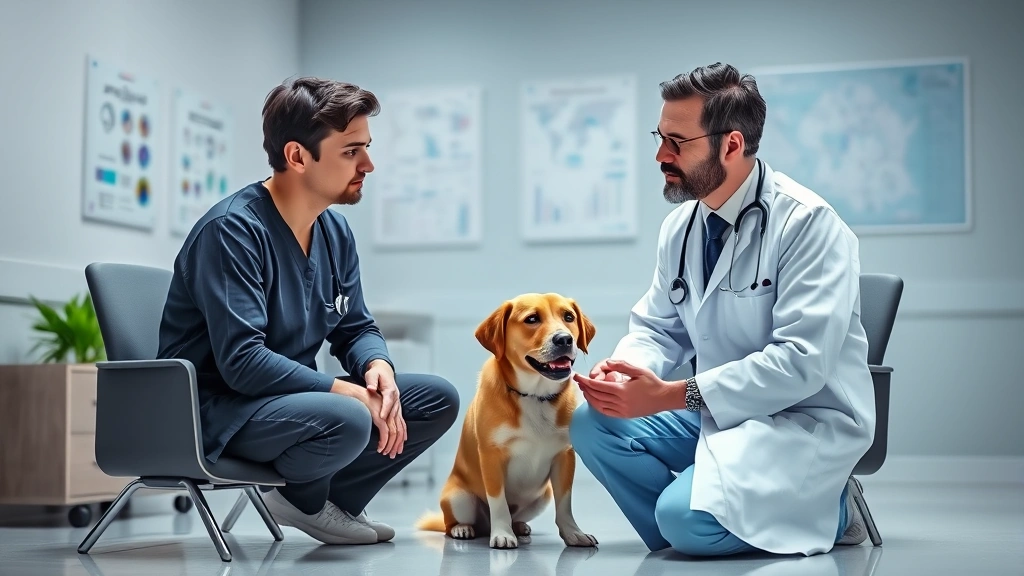
Your veterinary team is your partner in this. Don’t hesitate to ask questions, express concerns, or request second opinions. Open communication ensures your dog gets the best possible care and that you feel supported throughout the process.
Frequently Asked Questions
What is the difference between stage 1 and stage 4 dog cancer?
Stage 1 cancer is localized and hasn’t spread, offering the best prognosis and most treatment options. Stage 4 has metastasized to distant organs, requiring palliative care focused on quality of life rather than cure.
Can a dog survive stage 3 cancer?
Yes, many dogs survive stage 3 cancer with aggressive treatment including surgery, chemotherapy, and radiation. Survival times vary by cancer type, but quality of life can remain good during treatment.
How long does staging take?
Staging typically takes 1-2 weeks, depending on which tests are needed and how quickly results come back. Your vet will prioritize getting answers so treatment can begin promptly.
Is chemotherapy painful for dogs?
Chemotherapy itself isn’t painful, though some dogs experience mild side effects like nausea or decreased appetite. Most dogs tolerate treatment well and maintain normal activity levels between sessions.
What should I do if my dog is diagnosed with cancer?
Seek a consultation with a veterinary oncologist, ask detailed questions about staging and treatment options, and discuss your dog’s quality of life regularly with your vet. Don’t delay—early action gives your dog the best chance.
What To Do Now
- Schedule a veterinary appointment immediately if you suspect your dog has cancer or if you’ve noticed unusual lumps, persistent symptoms, or behavior changes. Early detection significantly improves outcomes.
- Prepare questions for your vet about staging, treatment options, prognosis, and what to expect. Write them down so you don’t forget anything during the appointment.
- Ask for a referral to a veterinary oncologist if your regular vet recommends it. Specialists have advanced training in cancer treatment and can offer options your general practitioner might not.
- Request detailed staging information in writing so you can reference it later and share it with other veterinarians if seeking second opinions. Understanding your dog’s specific stage is crucial for informed decision-making.
- If you’re unsure whether your pet needs urgent care, a quick telehealth check-in can give you peace of mind — no appointment needed. The Pet Vet offers convenient access to veterinary guidance when you need it most.
Summary
Understanding dog cancer stages explained empowers you to make informed decisions about your dog’s care during an incredibly challenging time. Stages 1 and 2 offer the best prognoses with more aggressive treatment options, while stages 3, 4, and 5 focus increasingly on quality of life and comfort management.
Remember that a cancer diagnosis isn’t an immediate death sentence. Many dogs live meaningful, happy lives after diagnosis, especially when treatment begins early. Your veterinary team is there to guide you through every step, and numerous resources exist to support both you and your dog.
The most important thing you can do right now is take action—schedule that vet appointment, ask questions, and advocate for your dog’s wellbeing. Your love and commitment to understanding your dog’s condition is already making a difference.
This article is for general education and is not a substitute for care from your own veterinarian. Learn about The Pet Vet and our editorial policy.