
When your dog suddenly seems unwell, recognizing dog toxicity emergency signs could be the difference between a quick recovery and a life-threatening situation. Poisoning in dogs happens faster than you might think, and knowing what to look for gives you precious time to act.
Table of Contents
- Why Recognizing Toxicity Signs Matters
- Sign #1: Sudden Vomiting and Diarrhea
- Sign #2: Excessive Drooling and Difficulty Swallowing
- Sign #3: Tremors, Seizures, or Loss of Coordination
- Sign #4: Rapid or Difficult Breathing
- Sign #5: Lethargy and Collapse
- Sign #6: Dilated or Constricted Pupils
- Sign #7: Abnormal Behavior or Aggression
- Common Household Toxins to Know About
- What To Do Right Now If You Suspect Toxicity
- When to Seek Emergency Care vs. Regular Vet Visit
- Prevention: Your Best Defense
- Frequently Asked Questions
- Summary: Stay Alert and Act Fast
This article is for informational purposes only and is not a substitute for professional veterinary advice. Always consult a licensed veterinarian for diagnosis and treatment.
Dogs are naturally curious creatures. They sniff, they taste, and sometimes they swallow things they shouldn’t. Whether it’s a dropped medication, a houseplant, chocolate left on the counter, or something toxic found during a walk, poisoning can happen to any dog at any time. The scary part? Some toxins act within minutes, while others take hours or days to show symptoms.
As a pet owner, you don’t need to panic—but you do need to be informed. This guide walks you through the most critical warning signs that your dog may be experiencing toxicity, what each symptom could mean, and exactly what steps to take if you suspect poisoning.
Why Recognizing Toxicity Signs Matters
Your dog can’t tell you what’s wrong. They can’t say “I ate something bad” or “I’m feeling dizzy.” Instead, they show you through changes in behavior, appetite, and physical symptoms. The sooner you recognize these changes, the sooner you can get professional help.
Many toxins require immediate intervention to prevent organ damage or death. Some poisons have antidotes that only work within a specific window of time. Early recognition literally saves lives.
Sign #1: Sudden Vomiting and Diarrhea
One of the most common dog toxicity emergency signs is gastrointestinal upset. If your dog vomits repeatedly or has diarrhea that won’t stop, especially if it came on suddenly, toxicity could be the culprit.
What makes this concerning is that vomiting and diarrhea can also indicate other serious conditions. The key is the word “sudden”—if your dog was fine an hour ago and now can’t keep anything down, that’s a red flag.
Catching this early puts you in a great position to help. Call your vet or an emergency clinic right away, especially if the vomiting contains blood or looks dark (like coffee grounds).
Sign #2: Excessive Drooling and Difficulty Swallowing
If you notice your dog drooling more than usual or seeming to struggle to swallow, this could indicate toxin exposure. Some poisons irritate the mouth, throat, and esophagus, causing discomfort and excessive salivation.
Watch for your dog pawing at the mouth, dropping food, or tilting their head as if something feels wrong. These subtle signs often get overlooked, but they matter.
This symptom pattern might also suggest a neurological issue, which is why professional evaluation is so important.
Sign #3: Tremors, Seizures, or Loss of Coordination
Neurological symptoms are among the scariest dog toxicity emergency signs. If your dog is shaking, having seizures, stumbling, or acting confused and disoriented, this is a medical emergency.
Many common household toxins—including certain pesticides, medications, and plants—directly affect the nervous system. Your dog might look drunk, unable to stand properly, or completely unresponsive.
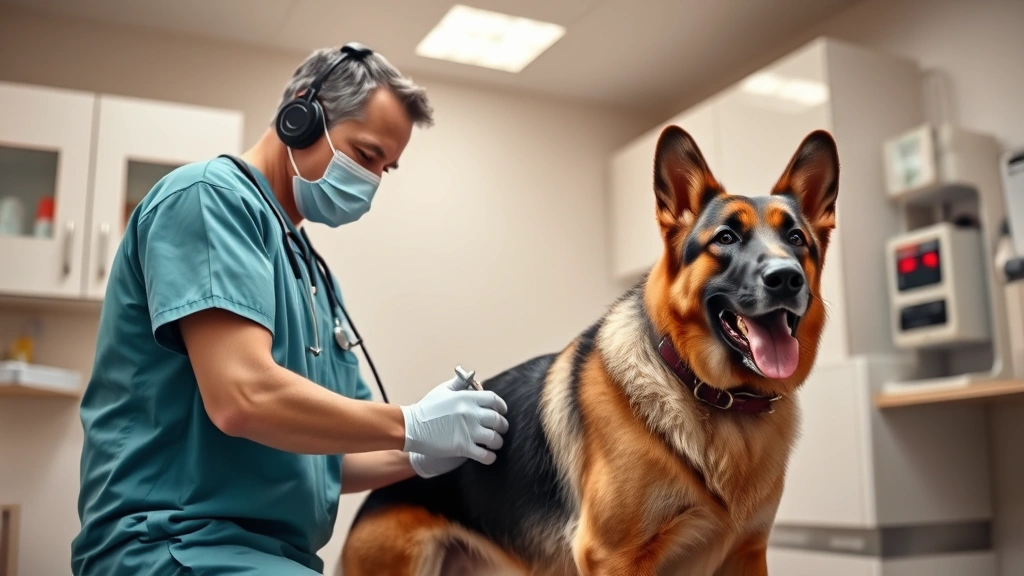
Don’t wait on this one. Get to an emergency vet immediately. These symptoms indicate your dog’s brain and nervous system are being affected, and time is critical.
Sign #4: Rapid or Difficult Breathing
If your dog is breathing unusually fast, gasping, or seems to be struggling for air, toxicity may be affecting the respiratory system. Some poisons cause fluid buildup in the lungs or directly irritate breathing passages.
You might notice your dog’s sides heaving, mouth open trying to catch breath, or unusual panting even when they’re resting. This is different from normal panting after exercise.
Respiratory distress is always urgent. You can talk to a vet about dog breathing fast online for immediate guidance, but be prepared to head to an emergency clinic if symptoms worsen.
Sign #5: Lethargy and Collapse
A dog that suddenly becomes lethargic, unresponsive, or collapses is showing a critical sign. If your normally active pup won’t get up, seems confused, or appears lifeless, this suggests severe toxicity affecting their organs or overall system.
Lethargy can develop slowly or suddenly depending on the toxin. Some dogs may seem “off” for hours before collapsing. If you notice your dog is unusually tired or unresponsive, ask a vet about dog lethargy immediately—don’t assume they’re just having a lazy day.
This is one of the most serious warning signs. Get emergency care right now if your dog has collapsed or become unresponsive.
Sign #6: Dilated or Constricted Pupils
Changes in your dog’s pupils can indicate toxin exposure. You might notice their pupils are unusually large (dilated) or pinpoint-small (constricted), and they don’t respond normally to light changes.
This sign is easy to miss because you have to look closely at your dog’s eyes. But if you notice this alongside other symptoms, it’s a strong indicator of poisoning.
Pupil changes suggest the toxin is affecting your dog’s central nervous system. Combined with other symptoms, this warrants immediate veterinary attention.
Sign #7: Abnormal Behavior or Aggression
Some toxins cause behavioral changes that seem out of character. Your sweet dog might become aggressive, anxious, disoriented, or act strangely—almost like they’re drunk or hallucinating.
You might also notice excessive barking, whining, restlessness, or your dog hiding and refusing to interact. These personality shifts, especially when sudden, can indicate poisoning.
Never assume behavioral changes are just a bad day. They’re often your dog’s way of telling you something is seriously wrong.

Common Household Toxins to Know About
Understanding what’s actually toxic helps you prevent poisoning in the first place. Here are the most common culprits:
- Medications: Human pain relievers, antidepressants, and heart medications are extremely toxic to dogs
- Chocolate: Especially dark and baking chocolate, which contain theobromine
- Xylitol: An artificial sweetener found in sugar-free gum, candy, and baked goods
- Grapes and raisins: Cause kidney failure in some dogs
- Household plants: Lilies, sago palms, and oleander are highly toxic
- Pesticides and rodent poison: Especially dangerous if your dog eats poisoned rodents
- Antifreeze: Sweet-tasting and deadly; even small amounts are fatal
- Alcohol: Toxic in any amount; affects the nervous system rapidly
What To Do Right Now If You Suspect Toxicity
If you believe your dog has been poisoned, follow these steps immediately:
- Call your veterinarian or emergency clinic first. Don’t wait to see if symptoms develop. Describe what your dog ate or was exposed to, when it happened, and what symptoms you’re seeing. Have your dog’s weight ready—many treatment decisions depend on it.
- Gather information about the toxin. If possible, have the product container, plant, or medication label ready. This helps your vet determine the exact substance and best treatment approach.
- Do NOT induce vomiting unless your vet specifically instructs you to. Some toxins cause more damage coming back up than going down. Only a professional should make this call.
- Get to the vet or emergency clinic as quickly and safely as possible. If you’re unsure whether your situation is truly urgent, a quick online vet consultation can give you guidance—but don’t delay if your dog is showing severe symptoms.
- Bring any relevant information with you. Write down when symptoms started, what your dog was doing before, and any substances they may have been exposed to. This timeline is crucial for diagnosis and treatment.
When to Seek Emergency Care vs. Regular Vet Visit
Not every potential toxicity requires an emergency clinic, but certain signs absolutely do. Go to an emergency veterinary clinic immediately if your dog shows:
- Seizures or tremors
- Loss of consciousness or collapse
- Severe difficulty breathing
- Uncontrollable vomiting or diarrhea
- Inability to stand or walk
- Pale or blue-tinged gums
- Rapid or dangerously slow heart rate
If you’re uncertain whether your situation qualifies as an emergency, it’s always better to err on the side of caution. If you are unsure whether your pet needs urgent care, a quick telehealth check-in can give you peace of mind — no appointment needed.
Prevention: Your Best Defense
While knowing emergency signs is critical, prevention is always better than treatment. Here’s how to keep toxins away from your curious companion:
- Store all medications, supplements, and vitamins in secure cabinets your dog cannot access
- Keep household cleaning products, pesticides, and antifreeze locked up or out of reach
- Remove toxic plants from your home or keep them in dog-free zones
- Never leave food on counters or tables where your dog can steal it
- Be careful during holidays when chocolate, alcohol, and rich foods are more accessible
- Watch your dog closely during walks—they shouldn’t eat anything found on the ground
- Keep the ASPCA Animal Poison Control Center number (888-426-4435) saved in your phone
Frequently Asked Questions
How quickly do toxicity symptoms appear in dogs?
It depends on the toxin. Some poisons cause symptoms within 15-30 minutes, while others take several hours or even days to show signs. This is why immediate veterinary contact matters—your vet can advise based on the specific substance.
Can I treat dog poisoning at home?
No. Poisoning always requires professional veterinary evaluation and treatment. Home remedies can sometimes make things worse. Get your dog to a vet immediately.
What if I don’t know what my dog ate?
Call your vet or poison control anyway. Describe the symptoms you’re seeing, and they can help narrow down possibilities and recommend treatment. You don’t need a confirmed toxin to get help.
Is my dog’s vomiting definitely from poisoning?
Not necessarily. Vomiting has many causes, including infections, allergies, and blockages. That’s why professional diagnosis is essential. If vomiting is sudden and severe, get it checked out regardless of the cause.
How much does emergency toxicity treatment cost?
Costs vary widely depending on the toxin, treatment needed, and your location. Emergency vet visits typically range from several hundred to several thousand dollars. Don’t let cost concerns prevent you from seeking care—discuss payment options with your vet.
Summary: Stay Alert and Act Fast
Recognizing dog toxicity emergency signs could save your dog’s life. The seven critical symptoms—sudden vomiting and diarrhea, excessive drooling, tremors or seizures, rapid breathing, lethargy, pupil changes, and behavioral shifts—are your red flags.
The most important thing to remember is this: when in doubt, call your vet. There’s no penalty for being overly cautious with your dog’s health. Vets would rather hear from you about a false alarm than miss a real emergency.
Keep emergency contact numbers saved, know the location of your nearest 24-hour animal hospital, and stay vigilant about what your dog has access to. Your awareness and quick action are what stand between your dog and a serious outcome.
Your dog depends on you to notice when something’s wrong. Trust your instincts, act immediately, and don’t hesitate to seek professional help. You’ve got this.
This article is for general education and is not a substitute for care from your own veterinarian. Learn about The Pet Vet and our editorial policy.