
When your dog has parasites, what you feed them matters just as much as the treatment itself—and avoiding certain dog parasites foods to avoid can actually speed up recovery and prevent complications. If you’ve recently learned your pup has worms, giardia, or another parasite, you’re probably worried about what’s safe to put in their bowl.
Table of Contents
- Why Diet Matters When Your Dog Has Parasites
- High-Fat Foods: Why They’re Risky During Parasite Treatment
- Raw and Undercooked Meat: A Double Threat
- Dairy Products: Why Lactose Becomes a Problem
- Fiber-Heavy Foods: Finding the Right Balance
- Spicy and Seasoned Foods: Skip Them Entirely
- Sugary Treats and Processed Foods: Feeding the Problem
- Foods That Actually Support Recovery
- The Timeline: When Can You Return to Normal Feeding?
- When to Seek Veterinary Guidance
- Frequently Asked Questions
- What To Do Now
- Summary: Supporting Your Dog’s Recovery
This article is for informational purposes only and is not a substitute for professional veterinary advice. Always consult a licensed veterinarian for diagnosis and treatment.
The good news? You’re already thinking ahead by researching nutrition during parasite treatment. Many pet owners don’t realize that certain foods can actually make parasitic infections worse, interfere with medication effectiveness, or upset an already-sensitive digestive system. Let’s walk through the biggest dietary mistakes to avoid and what you should be feeding your dog instead.
Why Diet Matters When Your Dog Has Parasites
A dog’s digestive system takes a real hit during a parasitic infection. The intestinal lining becomes inflamed, nutrient absorption drops, and the gut bacteria get thrown out of balance. Adding the wrong foods on top of that is like trying to heal a wound while constantly reopening it.
The foods your dog eats during and after treatment can either support healing or sabotage it. Some foods feed the parasites themselves, while others stress the digestive tract when it’s already vulnerable. That’s why your vet might recommend a bland diet temporarily—it gives the gut a chance to recover while medication does its job.
High-Fat Foods: Why They’re Risky During Parasite Treatment
Rich, fatty foods are one of the biggest culprits when parasites are present. Fatty meats, cheese, butter, and greasy table scraps can trigger vomiting and diarrhea in an already-compromised digestive system. Some parasites actually thrive in environments with excess fat.
During treatment, stick with lean proteins like boiled chicken breast or plain turkey. Avoid:
- Fatty cuts of beef or pork
- Bacon and sausage
- Full-fat dairy products
- Oils and butter added to food
- Fried foods or anything cooked in oil
Your dog won’t miss the richness—they just need clean, digestible nutrition right now. Once they’ve recovered and your vet gives the all-clear, you can gradually reintroduce their normal diet.
Raw and Undercooked Meat: A Double Threat
Here’s a tricky situation: while raw diets are popular among some dog owners, they’re absolutely off-limits when parasites are involved. Raw meat can harbor additional parasites and bacteria that will make your dog’s condition worse, not better.
Even if your dog normally eats raw food, pause it immediately during treatment. Parasites like roundworms and hookworms can be transmitted through undercooked or raw meat. Cook all protein thoroughly—boiling is actually ideal because it’s gentler on the digestive system than high-heat cooking methods.
The same goes for table scraps and human food. You don’t know how that steak was handled or cooked, and it’s not worth the risk.
Dairy Products: Why Lactose Becomes a Problem
Many dogs are lactose intolerant to begin with, but parasites make this worse. The infection damages the cells that produce lactase, the enzyme needed to digest milk sugar. So even if your dog normally tolerates a little cheese, now is not the time.
Avoid during treatment:
- Milk and cream
- Cheese (even small amounts)
- Yogurt and ice cream
- Butter and dairy-based sauces
Lactose intolerance during parasite treatment shows up as bloating, gas, and diarrhea—symptoms your dog is already dealing with. Eliminating dairy removes one more digestive stressor and lets their system focus on healing.
Fiber-Heavy Foods: Finding the Right Balance
This one surprises many pet owners. While fiber is normally healthy, too much during acute parasite infection can irritate the intestines further. High-fiber vegetables like broccoli, beans, and corn should be limited or avoided temporarily.
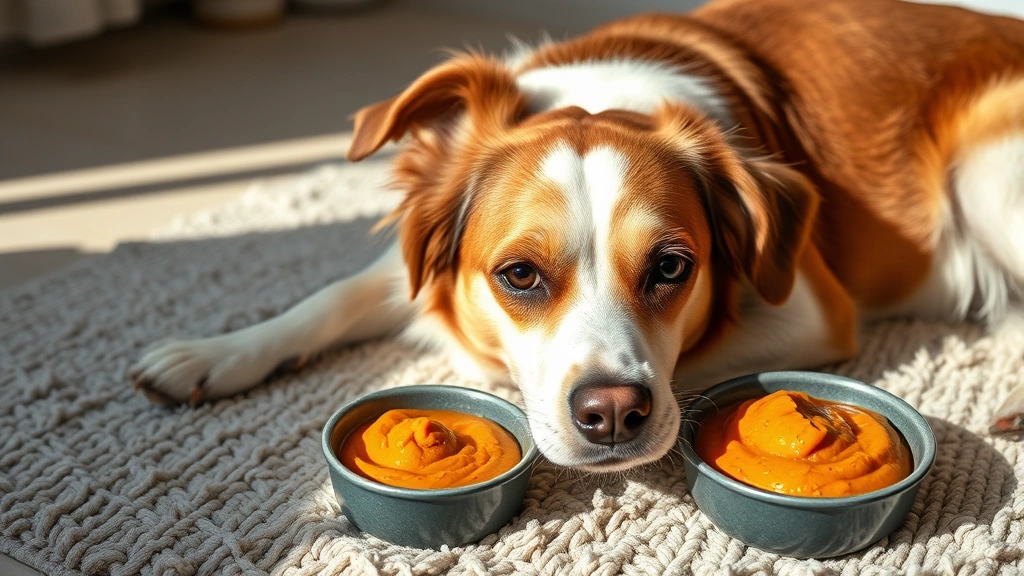
Once your dog is recovering (usually 2-3 weeks after starting treatment), gentle fiber like pumpkin puree can actually help normalize stools and support gut health. But in the acute phase, keep vegetables minimal and stick to easily digestible carbs like white rice or sweet potato in small amounts.
Your vet might recommend a specific ratio—typically something like 40% lean protein, 50% digestible carbs, and 10% vegetables during recovery.
Spicy and Seasoned Foods: Skip Them Entirely
Garlic, onions, spices, and heavily seasoned foods are all irritating to an inflamed digestive tract. Garlic and onions are actually toxic to dogs in large quantities, but even small amounts can upset the stomach during parasite treatment.
This means no:
- Table scraps from seasoned dishes
- Spiced meats or broths
- Foods with garlic or onion powder
- Salty or heavily flavored treats
Plain, unseasoned food tastes boring to us, but your dog will be grateful. The goal is simple nutrition that doesn’t trigger inflammation or nausea. Catching this early puts you in a great position to help your dog bounce back quickly.
Sugary Treats and Processed Foods: Feeding the Problem
Sugar feeds bad bacteria and can actually worsen parasitic infections by throwing off the gut microbiome balance. Processed dog treats, human snacks, and anything with added sugar should be completely off-limits during treatment.
This includes:
- Cookies and biscuits
- Peanut butter with added sugar
- Fruit treats and dried fruit
- Anything labeled as a “snack” for humans
The temporary elimination of treats is worth it. Your dog’s health is the priority, and you can reintroduce special treats once they’re fully recovered and parasite-free.
Foods That Actually Support Recovery
Now that you know what to avoid, let’s talk about what your dog *should* be eating. During parasite treatment, the ideal diet is bland, easily digestible, and nutrient-dense without being heavy.
Best foods during treatment:
- Boiled chicken breast – lean, easy to digest, excellent protein
- Plain white rice – binds stools and provides gentle carbs
- Pumpkin puree – supports digestion (plain, not pie filling)
- Bone broth – nutrient-rich and soothing (no onions or garlic)
- Sweet potato – easily digestible carbs with nutrients
- Lean turkey – another excellent protein option
- Plain scrambled eggs – high in protein and easy on the stomach
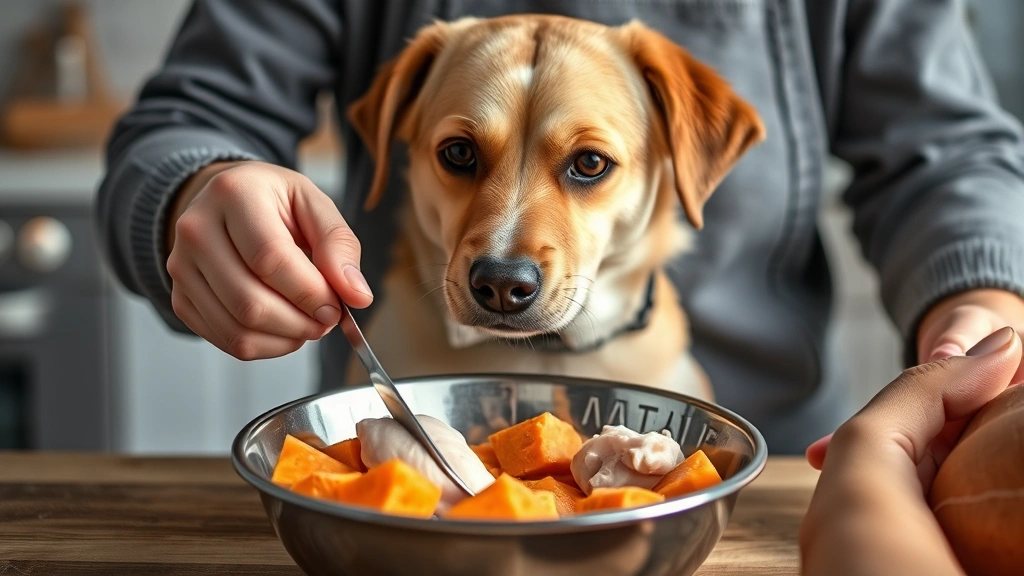
A typical recovery meal might be 1 part boiled chicken, 2 parts white rice, with a tablespoon of pumpkin puree mixed in. Feed smaller portions more frequently (3-4 times daily instead of 1-2) to avoid overwhelming the digestive system.
The Timeline: When Can You Return to Normal Feeding?
Most parasitic infections require 1-2 weeks of medication, but recovery takes longer. Your dog’s digestive system needs time to rebuild the intestinal lining and restore healthy bacteria balance.
A typical recovery timeline looks like:
- Weeks 1-2: Strict bland diet during active treatment
- Weeks 2-4: Gradual introduction of regular food (mix bland diet with normal food, slowly increasing the ratio)
- Week 4+: Full return to normal diet (assuming your vet confirms parasite clearance)
Don’t rush this process. A dog that seems fine might still have a fragile gut, and jumping back to rich food too quickly can trigger a relapse of symptoms.
When to Seek Veterinary Guidance
If your dog isn’t improving after 2 weeks of treatment and proper diet, or if symptoms are getting worse, contact your vet immediately. Some parasites are trickier to treat than others, and your dog might need a different medication or additional testing.
If you are unsure whether your pet needs urgent care, a quick telehealth check-in can give you peace of mind—no appointment needed. Ask a vet online if you have questions about your dog’s specific situation or recovery progress.
Watch for red flags like persistent vomiting, bloody stools, lethargy that doesn’t improve, or weight loss. These could indicate complications or treatment resistance.
Frequently Asked Questions
Can I give my dog treats while treating parasites?
It’s best to skip treats entirely during the acute treatment phase. Once your dog has recovered (2-3 weeks after treatment starts) and your vet confirms the parasites are gone, you can gradually reintroduce treats.
Is homemade food better than commercial dog food during parasite treatment?
Homemade bland food is often easier to control and digest during treatment, but commercial prescription diets formulated for digestive sensitivity can also work well. Ask your vet which option they recommend for your dog.
What if my dog refuses the bland diet?
Some dogs are picky eaters. Try warming the food slightly to enhance the aroma, or adding a small amount of low-sodium bone broth. If your dog refuses to eat for more than 24 hours, contact your vet.
Can probiotics help during parasite treatment?
Probiotics may help restore gut bacteria after treatment, but timing matters. Discuss with your vet whether probiotics should be given during treatment or after it’s complete.
How do I know when my dog is fully recovered?
Your vet will typically recommend a follow-up fecal test 2-4 weeks after treatment to confirm parasites are gone. Normal energy levels, healthy stools, and good appetite are also signs of recovery.
What To Do Now
- Review your dog’s current diet – Check ingredient lists and remove any high-fat, dairy, or heavily processed foods immediately. Make a list of foods to avoid.
- Prepare a bland diet plan – Stock up on boiled chicken, white rice, and pumpkin puree. Prepare several days’ worth so you’re not caught off-guard.
- Set a feeding schedule – Divide your dog’s daily food into 3-4 smaller meals instead of 1-2 large ones. This is gentler on the healing digestive system.
- Track symptoms and recovery – Keep a simple log of your dog’s appetite, stool quality, and energy levels. This helps your vet monitor progress.
- Schedule a follow-up vet visit – Mark your calendar for the follow-up fecal test and recovery check-in. If you have questions between visits, reach out to an online vet for guidance.
Summary: Supporting Your Dog’s Recovery
Parasites are stressful for both you and your dog, but the right nutrition can make a real difference in recovery speed and comfort. By avoiding high-fat foods, dairy, raw meat, fiber-heavy vegetables, seasonings, and sugar, you’re removing major digestive stressors and giving medication the best chance to work.
Stick with simple, lean proteins like boiled chicken, easily digestible carbs like white rice, and supportive foods like pumpkin puree. Feed smaller, more frequent meals. Be patient with the recovery timeline—it takes weeks for the gut to fully heal, not days.
Your dog is lucky to have an owner who’s researching the best ways to support them. With proper diet, consistent medication, and veterinary follow-up, most dogs recover completely from parasitic infections. You’ve got this, and your pup will be back to normal soon.
Have specific questions about your dog’s diet or recovery? Connect with a vet online anytime for personalized guidance.
This article is for general education and is not a substitute for care from your own veterinarian. Learn about The Pet Vet and our editorial policy.