
Finding worms in your dog’s stool is alarming, but diarrhea alone does not prove a parasite infection. Dietary changes, viruses, medications and other illnesses can cause similar symptoms. The useful next step is to assess how sick the dog is and gather the information a veterinarian needs to identify the cause.
What signs may occur with intestinal parasites?
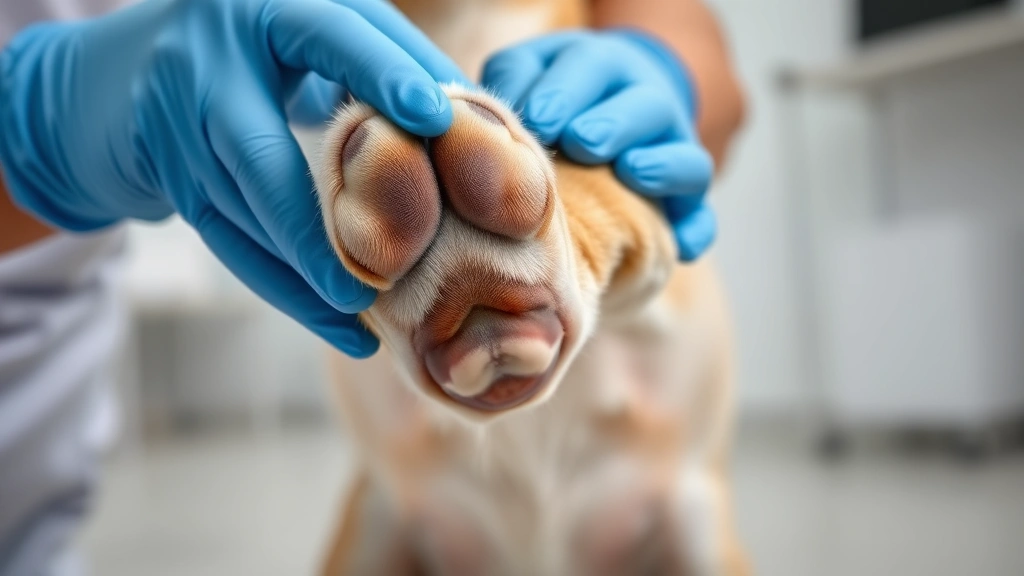
Loose stool, vomiting, weight loss, gas or a change in appetite can be seen with several parasites. Roundworms sometimes appear in vomit or stool. Tapeworm segments may look like rice near the anus. Hookworms can contribute to blood loss, especially in young animals. Giardia may cause intermittent soft or watery stool.
Which symptoms make it urgent?
Bloody stool, repeated vomiting, severe lethargy, collapse, pale gums, abdominal pain or inability to keep water down merit prompt veterinary care. Puppies, older dogs and pets with other illnesses can deteriorate quickly from dehydration. An animal that seems weak should not wait for a mail-order test.
Why a stool sample is useful
Bring a fresh sample if possible and let the clinic know about recent boarding, dog-park visits, scavenging, and travel. Fecal flotation can find many worm eggs; antigen or PCR testing can help with organisms that are harder to detect. Sometimes repeat samples are needed. One generic medication will not cover every cause of diarrhea.
Do not self-medicate with leftover products
Human anti-diarrhea medicines, unnecessary antibiotics, and unconfirmed deworming choices can create problems. Some parasite products have age, weight and health restrictions. The veterinarian may treat the identified infection and address dehydration, nausea or underlying illness as needed.
Keeping other pets and people safer
Pick up feces immediately, wash hands, clean contaminated areas appropriately and ask the clinic whether household pets need testing. Do not let dogs eat stool or catch prey. Year-round parasite protection reduces risk, but follow-up testing may still be appropriate.
What recovery looks like
The time to improvement depends on the organism, treatment and severity of illness. A dog who continues to vomit or has worsening diarrhea needs reassessment. For specifics about puppies read parasite risks in young dogs or see the post-treatment guide.
Sources
CAPC General Guidelines; CAPC: Giardia.
General information only; severe illness requires veterinary attention.
This article is for general education and is not a substitute for care from your own veterinarian. Learn about The Pet Vet and our editorial policy.