
If your dog has bad breath, is reluctant to eat, or you’ve noticed yellowing teeth, your pup may be experiencing dog dental disease treatment options that can make a real difference. Dental disease in dogs is one of the most common health issues vets see—affecting roughly 80% of dogs over the age of three—yet many pet owners don’t realize how serious it can become if left untreated.
Table of Contents
- Understanding Dog Dental Disease: Why It Matters
- Professional Dental Cleaning: The Gold Standard
- At-Home Dental Care: Your Daily Defense
- Dental Diets and Prescription Foods
- Water Additives and Oral Rinses
- Dental Chews and Treats: Supporting Oral Health
- Tooth Extractions: When Removal Is Necessary
- Antibiotics and Anti-Inflammatory Medications
- Probiotics and Nutritional Support
- Laser Therapy and Advanced Treatments
- Creating Your Dog’s Personalized Dental Plan
- Prevention: The Most Effective Treatment
- Frequently Asked Questions
- What To Do Now
- Summary: Your Dog’s Path to Better Oral Health
This article is for informational purposes only and is not a substitute for professional veterinary advice. Always consult a licensed veterinarian for diagnosis and treatment.
The good news? There are several effective approaches to treating dental disease, from professional cleanings to at-home care strategies. Understanding your options helps you take action before the problem worsens and impacts your dog’s overall health. Let’s explore what actually works.
Understanding Dog Dental Disease: Why It Matters
Dental disease in dogs starts small but can snowball quickly. Plaque builds up on teeth, hardens into tartar, and eventually leads to gum inflammation, tooth decay, and bone loss. What makes this especially concerning is that bacteria from infected teeth can enter the bloodstream and affect your dog’s heart, kidneys, and liver.
Early-stage dental disease (gingivitis) is reversible with proper treatment. Catching this early puts you in a great position to help your dog avoid more serious complications down the road. The longer you wait, the more invasive and costly treatment becomes.
Professional Dental Cleaning: The Gold Standard
A professional dental cleaning performed by your veterinarian is the most effective way to address existing dental disease. During the procedure, your vet uses specialized equipment to remove tartar and plaque from above and below the gum line—areas you simply cannot reach with brushing alone.
These cleanings typically require anesthesia, which allows your vet to work thoroughly and safely. Your vet will also examine each tooth, take X-rays to check for hidden problems, and extract any teeth that are too damaged to save. While the idea of anesthesia may worry you, modern veterinary anesthesia is very safe, especially when your vet performs pre-operative bloodwork first.
After a professional cleaning, your dog’s mouth feels fresher, eating becomes easier, and you’ve stopped the progression of disease. This is often the turning point that makes other treatment options more effective.
At-Home Dental Care: Your Daily Defense
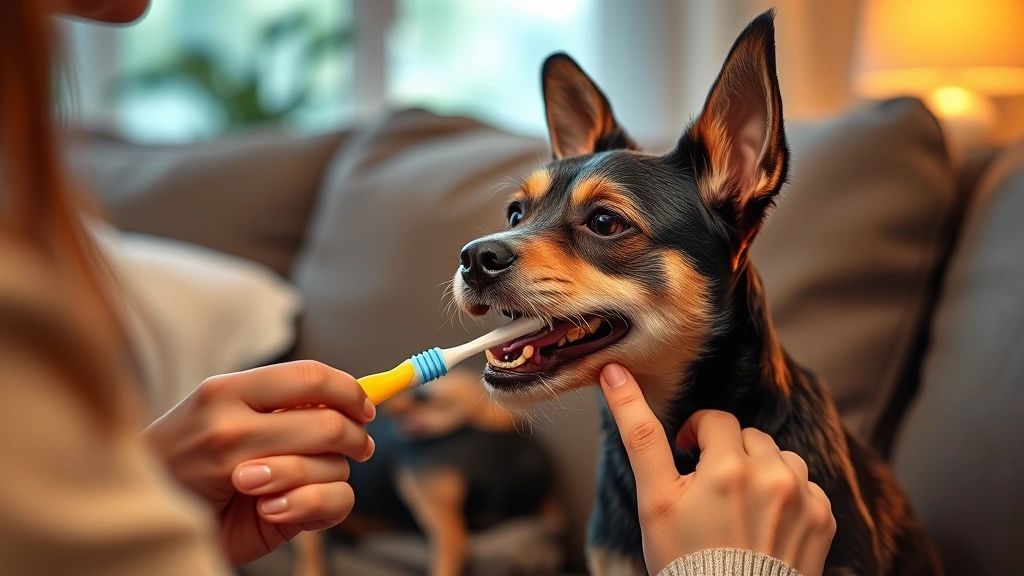
Brushing your dog’s teeth is the single best thing you can do to prevent dental disease from returning. Daily brushing removes plaque before it hardens into tartar, which only professional equipment can remove.
Here’s how to get started:
- Use a dog-specific toothbrush and enzymatic toothpaste (never human toothpaste)
- Start slowly—even 30 seconds of brushing helps
- Focus on the outer surfaces of teeth where plaque accumulates most
- Make it a positive experience with praise and treats
- Aim for daily brushing, but 3-4 times per week still provides significant benefit
If your dog resists brushing, don’t give up. It often takes patience, but most dogs adjust within a few weeks. The effort you invest now prevents costly dental procedures later.
Dental Diets and Prescription Foods
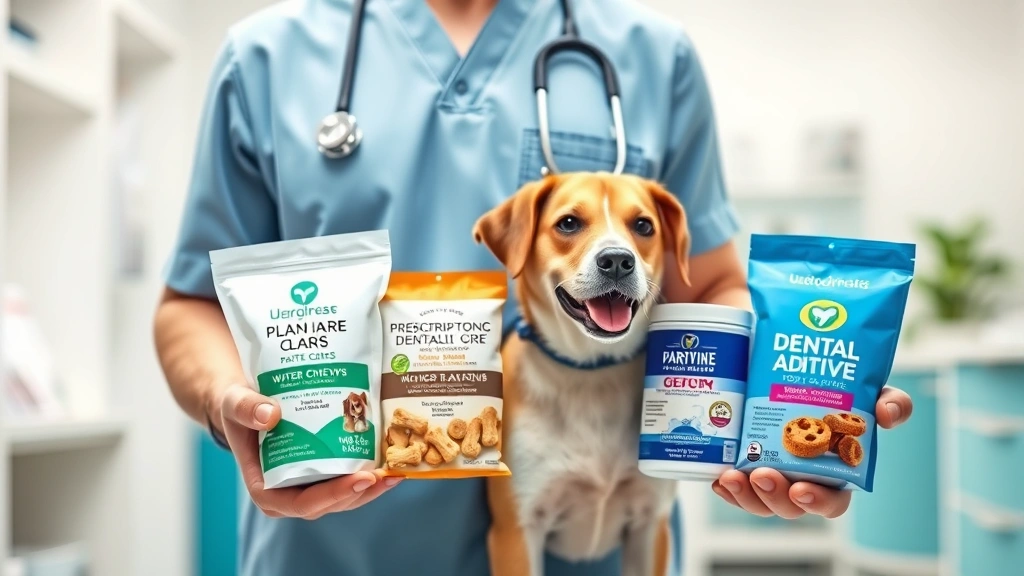
Certain prescription dental diets are specifically formulated to reduce plaque and tartar buildup. These foods have a slightly rougher texture that creates a gentle mechanical cleaning action as your dog chews. They also contain ingredients that may help inhibit bacterial growth in the mouth.
While dental diets alone won’t treat existing disease, they’re excellent for maintenance after a professional cleaning. Your vet can recommend a specific diet based on your dog’s age, size, and health status. These aren’t replacements for brushing, but they’re a helpful addition to your overall strategy.
Water Additives and Oral Rinses
Water additives designed for dental health can help reduce bacteria in your dog’s mouth. These products are added to your dog’s drinking water daily and work by inhibiting plaque-forming bacteria. They’re easy to use and require no special effort beyond your normal routine.
Oral rinses and gels are another option. Some contain chlorhexidine or other antimicrobial agents that help control bacterial growth. While these products are helpful for maintenance, they work best alongside brushing and professional care rather than as standalone treatments.
Dental Chews and Treats: Supporting Oral Health
High-quality dental chews can play a supporting role in your dog’s oral health routine. Products approved by the Veterinary Oral Health Council (VOHC) have been tested and proven to reduce plaque and tartar. Look for the VOHC seal when selecting chews.
Raw bones, while natural, carry risks of tooth fractures and digestive upset, so discuss bone options with your vet first. Safer alternatives include rubber chew toys, rope toys, and specially designed dental chews. Your dog benefits from the mechanical action of chewing, which naturally helps keep teeth cleaner.
Remember: chews are supplements to your dental care plan, not replacements for brushing or professional cleanings.
Tooth Extractions: When Removal Is Necessary
Sometimes a tooth is too damaged or infected to save. Your vet may recommend extraction to prevent the spread of infection and eliminate pain. Many pet owners worry their dog won’t eat well after losing teeth, but dogs adapt remarkably well. They manage fine with fewer teeth, and often eat better once painful teeth are gone.
Extractions are performed during a professional cleaning procedure under anesthesia. Your vet will assess which teeth need to come out based on X-rays and visual examination. After extraction, pain management and antibiotics may be prescribed to ensure proper healing. Your dog’s quality of life often improves significantly once infected or painful teeth are removed.
Antibiotics and Anti-Inflammatory Medications
If your dog’s dental disease has caused infection or significant inflammation, your vet may prescribe antibiotics to control bacterial growth. These medications help clear infection and reduce swelling in the gums. Anti-inflammatory medications can also help manage pain and discomfort while healing occurs.
These medications work best when combined with professional cleaning and at-home care. Your vet will determine the appropriate treatment duration and monitor your dog’s response. Always complete the full course of antibiotics as prescribed, even if your dog seems to improve quickly.
Probiotics and Nutritional Support
Emerging research suggests that oral probiotics may help balance the bacteria in your dog’s mouth and support gum health. These beneficial bacteria can reduce harmful pathogens that contribute to dental disease. Some veterinarians recommend specific probiotic supplements designed for oral health.
Additionally, ensuring your dog receives adequate vitamins and minerals—particularly calcium and phosphorus—supports strong teeth and healthy gums. A balanced, high-quality diet provides the nutritional foundation your dog needs for optimal oral health. If your dog has other health concerns like vomiting or lethargy, addressing those issues also supports overall dental health.
Laser Therapy and Advanced Treatments
Some veterinary clinics offer laser therapy as an adjunct to traditional dental treatment. Dental lasers can help reduce bacteria, promote healing, and manage pain during and after procedures. While research is still evolving, many vets report positive results when laser therapy is combined with conventional cleaning and extractions.
Advanced treatments like these are typically available at specialty veterinary clinics. Ask your vet whether these options might benefit your dog’s specific situation. They’re often more expensive than traditional approaches but may be worth considering for severe cases.
Creating Your Dog’s Personalized Dental Plan
The best dog dental disease treatment options combine multiple approaches tailored to your dog’s individual needs. A comprehensive plan typically includes:
- Professional cleaning to remove existing tartar and assess tooth health
- Daily or near-daily brushing to prevent plaque buildup
- A dental diet or high-quality regular diet
- Approved dental chews for mechanical cleaning
- Regular veterinary checkups (every 6-12 months) to catch problems early
Your vet will recommend which combination works best for your dog based on age, breed, current dental health, and overall health status. Some dogs need more aggressive treatment initially, while others benefit from preventive strategies alone.
Prevention: The Most Effective Treatment
While treatment options are effective, prevention is always easier than cure. Starting dental care early—ideally when your puppy is young—prevents most dental disease from developing in the first place. Even if your dog is older, beginning a prevention routine now stops disease from progressing further.
Regular veterinary exams allow your vet to spot early signs of dental disease before they become serious. Many vets recommend annual dental assessments for dogs under seven, and twice-yearly exams for senior dogs. Catching problems early means simpler, less expensive treatment.
Frequently Asked Questions
How much does professional dog dental cleaning cost?
Costs vary widely depending on your location and your dog’s dental health, typically ranging from $300 to $1,000 or more. Extractions, X-rays, and pre-operative bloodwork add to the cost. Ask your vet for an estimate before the procedure.
Is anesthesia safe for older dogs?
Modern veterinary anesthesia is very safe, especially when pre-operative bloodwork is performed to check organ function. Your vet will discuss anesthesia risks and benefits specific to your older dog and recommend the safest approach.
Can I reverse dental disease without professional cleaning?
Early-stage gingivitis may improve with aggressive at-home care, but established tartar requires professional removal. Your vet can determine whether your dog’s disease is reversible or requires professional intervention.
How often should I brush my dog’s teeth?
Daily brushing is ideal, but 3-4 times per week still provides significant benefits. Even occasional brushing is better than none, though consistency matters most for preventing plaque buildup.
Will my dog have trouble eating after tooth extractions?
Dogs adapt remarkably well to missing teeth and typically eat normally within days. Many dogs actually eat better after extractions because painful teeth are removed, making eating comfortable again.
What To Do Now
Take these actionable steps today to address your dog’s dental health:
- Schedule a dental exam with your vet. Describe your dog’s symptoms (bad breath, reluctance to eat, visible tartar) so your vet can assess the severity and recommend appropriate treatment.
- Ask your vet about professional cleaning. If your dog has existing tartar or disease, discuss the benefits, costs, and timeline for a professional cleaning procedure.
- Start a brushing routine this week. Purchase a dog-specific toothbrush and enzymatic toothpaste. Even 30 seconds of brushing on your dog’s outer teeth is a great start.
- Consider a dental diet or chews. Ask your vet which dental products (foods, chews, water additives) would benefit your dog’s specific situation.
- If you’re unsure whether your pet needs urgent care, a quick telehealth check-in with The Pet Vet can give you peace of mind—no appointment needed. Our vets can assess your dog’s symptoms and recommend next steps.
Summary: Your Dog’s Path to Better Oral Health
Dog dental disease treatment options range from preventive at-home care to professional cleanings and extractions. The most effective approach combines multiple strategies: professional cleaning when needed, daily brushing, a quality diet, and regular veterinary checkups. Early intervention prevents serious complications and keeps your dog’s teeth healthy for years to come.
Your dog depends on you to notice signs of dental disease and take action. By understanding these treatment options and working closely with your vet, you’re giving your pup the best chance at a healthy, comfortable life. Don’t delay—schedule that dental exam today and start your dog on the path to better oral health.
This article is for general education and is not a substitute for care from your own veterinarian. Learn about The Pet Vet and our editorial policy.