
If you’ve noticed your dog’s breath smells like a dumpster, or you’ve caught a glimpse of red, swollen gums when they yawn, you’re not alone—and your concern is completely valid. Dog dental disease home treatment is something many pet owners search for when they first spot signs of trouble, hoping to address the problem before it becomes serious. The good news? There are genuinely effective steps you can take at home to support your dog’s oral health and prevent the condition from worsening.
Table of Contents
- Understanding Dog Dental Disease: What’s Really Going On
- Remedy #1: Daily Tooth Brushing—The Gold Standard
- Remedy #2: Dental Chews and Enzymatic Toys
- Remedy #3: Water Additives and Oral Rinses
- Remedy #4: Diet Modifications and Specialized Dental Food
- Remedy #5: Coconut Oil and Natural Antimicrobials
- Remedy #6: Regular Professional Cleanings and Monitoring
- Remedy #7: Probiotics and Immune Support Supplements
- Warning Signs You Need Immediate Professional Help
- Creating Your Dog’s Personalized Dental Care Plan
- Frequently Asked Questions
- What To Do Now
- Final Thoughts: You’re Not Alone in This
This article is for informational purposes only and is not a substitute for professional veterinary advice. Always consult a licensed veterinarian for diagnosis and treatment.
Dental disease in dogs is incredibly common—affecting roughly 80% of dogs over the age of three. Yet many pet owners don’t realize that home care can make a tremendous difference in slowing progression and improving comfort. Before we dive into those seven remedies, let’s talk about what’s actually happening in your dog’s mouth and why catching this early puts you in a great position to help.
Understanding Dog Dental Disease: What’s Really Going On
Dental disease doesn’t appear overnight. It starts with plaque buildup—a sticky film of bacteria that forms on teeth. When plaque hardens into tartar, it creates a perfect environment for infection and inflammation. Your dog’s immune system fights back, causing the gums to swell and recede.
The scary part? Once bacteria get below the gum line, they can enter the bloodstream and affect the heart, kidneys, and liver. This is why early intervention matters so much. The encouraging news is that many cases caught in the early stages respond beautifully to consistent home care combined with professional guidance.
Remedy #1: Daily Tooth Brushing—The Gold Standard
If there’s one thing veterinarians agree on, it’s this: brushing your dog’s teeth daily is the single most effective home treatment for dental disease. It physically removes plaque before it can harden into tartar.
Here’s how to make it work:
- Use a soft-bristled toothbrush designed for dogs (human toothbrushes are too firm)
- Choose a dog-safe toothpaste—never use human toothpaste, which contains fluoride that’s toxic to dogs
- Start slowly; let your dog lick the paste off your finger for a few days before introducing the brush
- Aim for the gum line at a 45-degree angle, where plaque accumulates most
- Even three times per week is better than nothing, though daily is ideal
Many dogs resist at first, but with patience and positive reinforcement (treats afterward!), most adjust within two weeks. The key is consistency—sporadic brushing won’t give you the benefits you’re looking for.
Remedy #2: Dental Chews and Enzymatic Toys
While brushing is the MVP, dental chews can be a helpful supporting player in your dog’s oral health routine. Products designed to reduce plaque and tartar work through mechanical action—the chewing motion physically scrapes away buildup.
Look for chews that carry the Veterinary Oral Health Council (VOHC) seal, which means they’ve been tested and proven effective. Some popular options include rawhide alternatives, specialized dental sticks, and rubber toys designed for chewing.
The catch? Chews alone won’t reverse existing dental disease, but they’re excellent for maintenance and prevention. Think of them as a helpful supplement to brushing, not a replacement. Your dog also gets the bonus of mental stimulation and stress relief—a win-win for their overall wellbeing.
Remedy #3: Water Additives and Oral Rinses
Water additives designed for canine dental health have gained popularity in recent years. These products typically contain enzymes or antimicrobial compounds that help reduce bacteria in the mouth when added to your dog’s drinking water.
The science here is mixed but promising. Some studies show modest reductions in plaque and tartar formation, while others show minimal benefit. The advantage is simplicity—you’re doing nothing different except adding a liquid to the water bowl.
However, water additives work best as part of a comprehensive approach. They’re not a substitute for brushing, but they can be a useful addition to your routine. If you’re unsure whether a specific product is right for your dog, ask a vet online for a personalized recommendation.
Remedy #4: Diet Modifications and Specialized Dental Food
What your dog eats directly impacts their oral health. Soft, wet food sticks to teeth and promotes plaque buildup, while dry kibble provides some mechanical cleaning action through chewing.

Some premium dog foods are specifically formulated to reduce plaque and tartar formation. These diets often include:
- Larger kibble sizes that encourage chewing
- Special textures that help scrape teeth
- Added enzymes that reduce harmful bacteria
- Ingredients with antimicrobial properties
Switching to a dental-focused diet can be particularly helpful if your dog already has mild dental disease. Combined with brushing, dietary changes create a powerful one-two punch. Just remember to transition slowly over 7-10 days to avoid digestive upset.
Remedy #5: Coconut Oil and Natural Antimicrobials
Some pet owners swear by coconut oil for oral health, and there’s actually some science to back it up. Coconut oil has natural antimicrobial properties that may help reduce harmful bacteria in the mouth.
You can apply a small amount directly to your dog’s gums or add it to their food. Start with tiny amounts—about a quarter teaspoon for small dogs—since too much can cause digestive upset. Some dogs find the taste appealing, while others need a bit of encouragement.
Other natural options pet owners explore include turmeric (which has anti-inflammatory properties) and probiotics designed for oral health. While these can be helpful supporting tools, remember they work best alongside more proven methods like brushing. Always check with your vet before introducing new supplements, especially if your dog takes medications.
Remedy #6: Regular Professional Cleanings and Monitoring
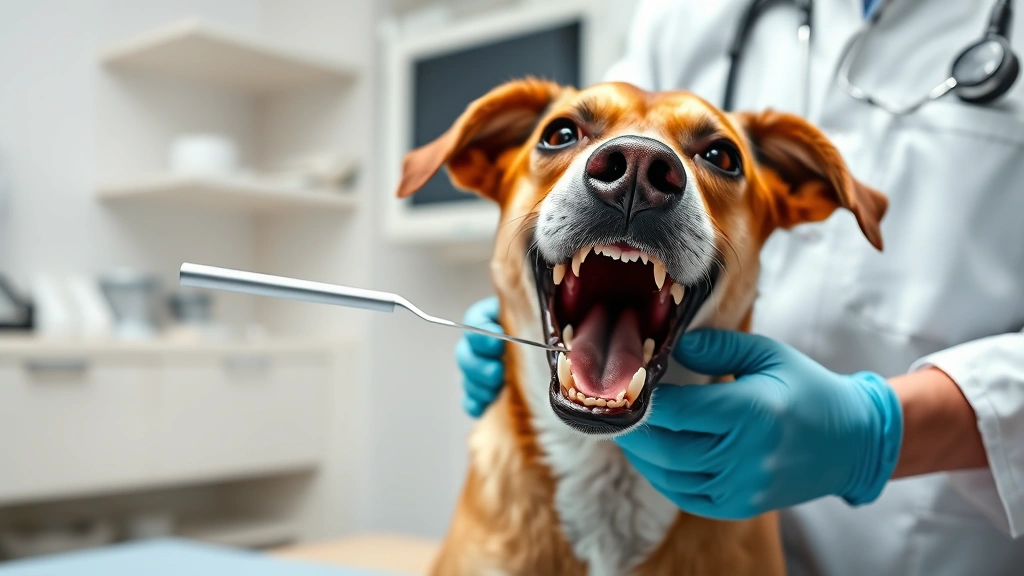
Here’s the honest truth: home treatment alone can’t remove tartar that’s already hardened below the gum line. Professional dental cleanings under anesthesia are sometimes necessary to fully address the problem and prevent serious complications.
Think of professional cleanings as the reset button. Once your vet has cleaned your dog’s teeth thoroughly, your home care routine becomes far more effective at preventing future buildup. Most dogs benefit from annual cleanings, though some may need them more frequently.
The good news? Catching dental disease early often means you can manage it with less invasive procedures and shorter anesthesia times. This is another reason why consistent home care is so valuable—it keeps your dog out of the dental chair and reduces medical risks.
Remedy #7: Probiotics and Immune Support Supplements
Oral probiotics are gaining traction in veterinary dentistry. These beneficial bacteria may help crowd out harmful pathogens in your dog’s mouth and reduce inflammation in the gums.
Probiotics designed specifically for oral health are different from digestive probiotics, so make sure you’re choosing the right type. Some formulations also include prebiotics or other immune-supporting ingredients that work synergistically.
While probiotics show promise, they’re best viewed as a complementary tool rather than a primary treatment. They work best when combined with brushing and professional care. If your dog has a compromised immune system or is taking antibiotics, check with your vet before starting probiotics, as timing matters.
Warning Signs You Need Immediate Professional Help
Home treatment is wonderful for prevention and early-stage disease, but some situations require urgent veterinary attention. Watch for these red flags:
- Severe bad breath that develops suddenly (could indicate advanced infection)
- Difficulty eating or dropping food from their mouth
- Excessive drooling or pawing at the mouth
- Facial swelling or discharge from the nose or eyes
- Behavioral changes like lethargy or loss of appetite
- Loose or missing teeth
If you notice any of these signs, don’t wait for a regular appointment. Emergency vet advice can help you determine if your dog needs immediate care. If you’re unsure whether your situation is urgent, a quick telehealth check-in can give you peace of mind—no appointment needed.
Creating Your Dog’s Personalized Dental Care Plan
The best approach combines multiple strategies tailored to your dog’s specific situation. Here’s how to build an effective plan:
Start with the foundation: Daily or near-daily brushing is non-negotiable. Everything else builds on this habit.
Add complementary tools: Choose 1-2 additional remedies that fit your lifestyle—whether that’s dental chews, water additives, or dietary changes.
Schedule professional care: Work with your vet to establish a cleaning schedule based on your dog’s current dental health status.
Monitor progress: Check your dog’s breath, gum color, and eating habits regularly. These are your early warning signs that something’s changing.
Stay consistent: Dental health isn’t a one-time fix; it’s an ongoing commitment. The habits you build now will protect your dog’s health for years to come.
Frequently Asked Questions
Can dog dental disease be reversed with home treatment alone?
Early-stage dental disease (gingivitis) can often be managed and prevented from progressing with consistent home care. However, advanced disease with tartar buildup below the gum line typically requires professional cleaning to fully address.
How long does it take to see improvement from home treatment?
You may notice fresher breath within 2-4 weeks of starting daily brushing. Gum inflammation usually improves within 4-6 weeks of consistent care, though individual dogs vary.
Is anesthesia safe for older dogs during dental cleanings?
Modern anesthesia protocols are quite safe for senior dogs, especially with pre-operative bloodwork and monitoring. Your vet will assess your dog’s individual health status to determine the safest approach.
What’s the best toothpaste for dogs with sensitive gums?
Look for enzymatic toothpastes specifically formulated for sensitive mouths. Avoid products with strong flavors that might irritate inflamed tissue. Your vet can recommend brands that work well for dogs with gum disease.
Can I use human toothpaste on my dog?
No—human toothpaste contains fluoride and xylitol, both of which are toxic to dogs. Always use toothpaste formulated specifically for canines.
What To Do Now
- Schedule a dental exam: Contact your vet or ask a vet online to assess your dog’s current dental health status and get personalized recommendations.
- Get the right supplies: Purchase a soft-bristled dog toothbrush and dog-safe toothpaste. Start with these basics before adding other remedies.
- Establish a brushing routine: Pick a specific time each day (morning or evening) and commit to brushing for at least two weeks. This builds the habit.
- Choose one complementary remedy: Select either dental chews, a water additive, or dietary change to support your brushing efforts.
- Set a follow-up appointment: Schedule a professional dental evaluation in 4-6 weeks to monitor your dog’s progress and adjust your plan if needed.
Final Thoughts: You’re Not Alone in This
Discovering your dog has dental disease can feel overwhelming, but the fact that you’re researching home treatment options shows you’re already taking action. Dental health is one of the most manageable aspects of your dog’s wellbeing—and your consistent effort makes a real difference.
The seven remedies we’ve covered—brushing, dental chews, water additives, dietary changes, natural antimicrobials, professional cleanings, and probiotics—work best when combined strategically. There’s no one-size-fits-all solution, which is why working with your vet to create a personalized plan is so important.
Start with brushing, add one or two complementary tools, and stay consistent. Your dog’s future self—with fresher breath, healthier gums, and better overall health—will thank you for the care you’re putting in today.
This article is for general education and is not a substitute for care from your own veterinarian. Learn about The Pet Vet and our editorial policy.