
If your dog has been showing signs of bad breath, trouble eating, or swollen gums, you’re probably worried about their dental health. The good news? What your pup eats plays a huge role in preventing and managing dog dental disease foods to avoid can make a real difference in keeping those teeth healthy and strong.
Table of Contents
- Understanding Canine Dental Disease
- Why Diet Matters for Dental Health
- Food #1: Wet or Canned Dog Food
- Food #2: Sugary Treats and Human Desserts
- Food #3: Sticky Foods and Peanut Butter
- Food #4: Soft Bread and Grains
- Food #5: Dried Fruits and Raisins
- Food #6: Table Scraps and Processed Meats
- Food #7: Soft Cheese and Dairy Products
- What Foods Actually Support Dental Health
- Signs Your Dog May Have Dental Disease
- Creating a Dental-Healthy Feeding Plan
- Beyond Diet: A Complete Dental Care Strategy
- When to Seek Professional Help
- Summary: Taking Action for Your Dog’s Dental Health
- Frequently Asked Questions
- What To Do Now
This article is for informational purposes only and is not a substitute for professional veterinary advice. Always consult a licensed veterinarian for diagnosis and treatment.
Understanding Canine Dental Disease
Dental disease in dogs is more common than you might think. It starts when plaque and tartar build up on teeth, leading to inflammation, infection, and eventually tooth loss. The process happens quietly, which is why many pet owners don’t notice until the problem becomes serious.
What your dog eats directly impacts how quickly plaque accumulates and how vulnerable their teeth become. Certain foods can accelerate decay, while others actually help keep teeth clean. Understanding which foods to avoid is your first line of defense.
Why Diet Matters for Dental Health
Your dog’s mouth is constantly working to maintain a balance between healthy bacteria and harmful ones. When you feed your pup the wrong foods, you’re essentially tipping that balance toward disease. Sticky, sugary, or soft foods create the perfect environment for plaque to thrive.
Think of it this way: hard, crunchy foods naturally help scrape away plaque as your dog chews. Soft, sticky foods do the opposite—they cling to teeth and feed the bacteria that cause decay. By being mindful of what goes into your dog’s bowl, you’re actively protecting their dental future.
Food #1: Wet or Canned Dog Food
Wet and canned foods are convenient, but they’re terrible for dental health. These soft, mushy textures don’t require much chewing, so they don’t help clean teeth naturally. Plus, they tend to stick to the tooth surface and create a breeding ground for plaque-causing bacteria.
If your dog needs wet food for medical reasons, talk to your vet about balancing it with crunchy treats or dry kibble. You might also consider adding a dental-specific dry food to their routine to help combat the effects of softer meals.
Food #2: Sugary Treats and Human Desserts
Just like in humans, sugar feeds the bacteria in your dog’s mouth that produce acids and cause decay. Sharing birthday cake, cookies, or candy with your pup might feel like a fun treat, but it’s actively harming their teeth. Even small amounts of sugar can shift the oral environment in a negative direction.
Common culprits include chocolate (which is also toxic to dogs), ice cream, and flavored yogurts. Instead, offer sugar-free alternatives or stick to natural rewards like carrots or apples. Your dog’s smile will thank you.
Food #3: Sticky Foods and Peanut Butter
Peanut butter is a beloved dog treat, but its sticky texture is a nightmare for dental health. It clings to teeth and between molars, creating pockets where bacteria thrive. The longer it stays on the tooth surface, the more damage it can cause.
If you want to give your dog peanut butter occasionally, choose a dental-safe version that’s less sticky, and follow it up with water or a crunchy treat. Better yet, look for dog-specific spreads formulated with dental health in mind.
Food #4: Soft Bread and Grains
Soft bread, pasta, and refined grains break down into sticky residue that coats teeth. These foods also tend to get trapped between teeth and under the gum line, where they ferment and create an acidic environment perfect for decay. Over time, this contributes significantly to plaque buildup.
Whole grains are slightly better than refined options because they require more chewing, but they’re still not ideal for dental health. Focus on foods that naturally promote chewing and cleaning instead.
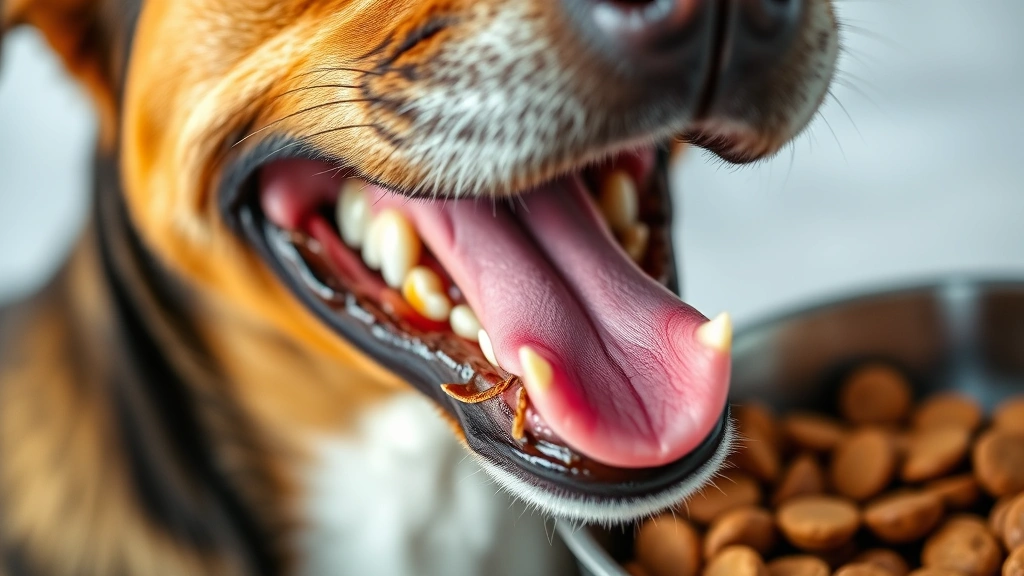
Food #5: Dried Fruits and Raisins
While you might think dried fruit is a healthy snack, it’s actually one of the worst foods for your dog’s teeth. Dried fruits are concentrated sources of natural sugars and have a chewy, sticky texture that adheres to teeth. They’re also toxic to some dogs in large quantities.
The combination of high sugar content and sticky consistency makes dried fruits a double threat to dental health. Stick to fresh fruits in moderation, and always rinse your dog’s mouth with water afterward.
Food #6: Table Scraps and Processed Meats
Table scraps often contain hidden sugars, salt, and preservatives that aren’t good for your dog’s teeth or overall health. Processed meats like deli meat, hot dogs, and bacon are high in sodium and can contribute to inflammation in the gums. They also tend to leave residue on teeth that feeds harmful bacteria.
When you’re tempted to share your dinner, remember that your dog’s dental health is on the line. Stick to plain, unseasoned proteins and vegetables instead.
Food #7: Soft Cheese and Dairy Products
Soft cheeses and dairy products can coat the teeth with a sticky film that’s difficult to remove. While some dairy has calcium benefits, the sticky residue it leaves behind often outweighs those positives. Hard cheeses are slightly better because they require more chewing, but soft varieties should be limited.
If your dog loves cheese, offer it in small amounts and follow up with a dental-safe chew or plenty of water to help rinse the mouth.
What Foods Actually Support Dental Health
Now that you know what to avoid, let’s talk about what helps. Crunchy, hard foods naturally clean teeth as your dog chews. High-quality dry kibble is formulated to promote chewing and reduce plaque accumulation.
Some excellent options include:
- Raw or cooked carrots (crunchy and low in sugar)
- Apples (sliced, without seeds)
- Hard dental chews designed to reduce plaque
- High-quality, grain-free dry kibble
- Crunchy vegetables like celery and green beans
These foods require real chewing effort, which naturally scrapes away plaque and promotes healthy gums. They also tend to be lower in sugars and don’t stick to teeth the way soft foods do.
Signs Your Dog May Have Dental Disease
Catching dental disease early puts you in a great position to help. Watch for these warning signs:
- Bad breath that’s noticeably worse than usual
- Red, swollen, or bleeding gums
- Difficulty eating or dropping food from their mouth
- Excessive drooling or pawing at the mouth
- Visible tartar buildup on teeth
- Behavioral changes like irritability or reluctance to play
If you notice any of these signs, your dog may be experiencing dental discomfort. The sooner you address it, the better the outcome. If you are unsure whether your pet needs urgent care, a quick telehealth check-in can give you peace of mind — no appointment needed.
Creating a Dental-Healthy Feeding Plan
Start by evaluating your dog’s current diet. Are they eating mostly wet food? Do they get a lot of treats? Are table scraps a regular habit? Once you identify the problem areas, you can make gradual changes.
Here’s a practical approach:
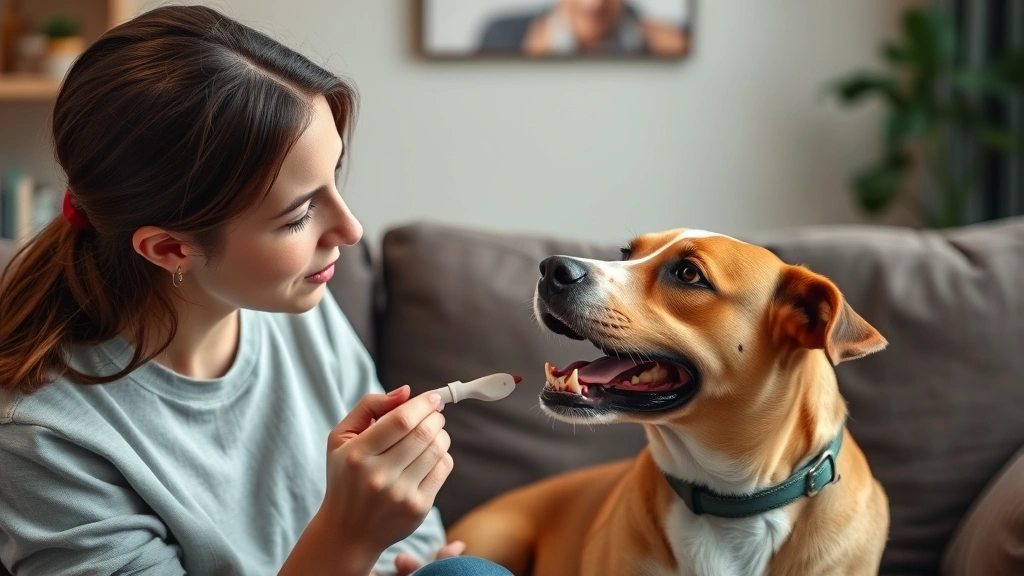
- Transition to high-quality dry kibble if your dog currently eats mostly wet food
- Replace sugary and sticky treats with dental-safe alternatives
- Eliminate table scraps and processed foods from their diet
- Add crunchy vegetables as occasional snacks
- Incorporate dental chews designed to reduce plaque
Make changes gradually over a week or two to avoid digestive upset. Your dog’s taste preferences may take time to adjust, but their teeth will improve noticeably within weeks.
Beyond Diet: A Complete Dental Care Strategy
While avoiding problematic foods is crucial, it’s only part of the solution. A complete dental care strategy also includes regular brushing, professional cleanings, and monitoring. Learn more about comprehensive approaches in our guide to dog dental disease home treatment.
Brushing your dog’s teeth 3-4 times per week (ideally daily) is one of the most effective ways to prevent plaque buildup. Pair this with a dental-friendly diet and regular vet checkups for optimal results.
If you’re concerned about your dog’s oral health or notice any unusual symptoms like persistent coughing or difficulty swallowing, these could indicate more serious dental issues. Your vet can help rule out complications.
When to Seek Professional Help
If your dog already has signs of dental disease, diet alone won’t fix it. Professional dental cleaning by a veterinarian is often necessary to remove tartar buildup and address underlying infections. Your vet may recommend this procedure if plaque has progressed beyond what diet can prevent.
Don’t delay professional care if your dog is showing symptoms. Early intervention prevents tooth loss, pain, and serious infections that can affect other organs. Your vet can also check for salivary gland problems or other oral health issues that might be contributing to dental disease.
Summary: Taking Action for Your Dog’s Dental Health
Your dog’s dental health directly depends on the choices you make every day. By avoiding sticky, sugary, and soft foods, you’re eliminating the biggest culprits that accelerate dental disease. Switching to a crunchy, high-quality diet and incorporating dental-safe treats creates an environment where healthy teeth can thrive.
Remember, prevention is always easier and more affordable than treatment. Small dietary changes now can save your dog from painful dental procedures and tooth loss down the road. Your pup will enjoy better breath, healthier gums, and a happier quality of life.
Frequently Asked Questions
Can I give my dog dry kibble exclusively for dental health?
Yes, high-quality dry kibble is excellent for dental health because it requires chewing and naturally helps clean teeth. However, variety and individual nutritional needs matter, so consult your vet about the best balance for your specific dog.
How quickly will my dog’s teeth improve if I change their diet?
You may notice improvements in breath and gum appearance within 2-4 weeks of dietary changes. However, existing tartar buildup typically requires professional cleaning to fully resolve.
Are dental treats as effective as brushing?
Dental treats help, but they’re not a substitute for brushing. The most effective approach combines a dental-friendly diet, regular brushing (ideally daily), and dental treats as supplementary support.
Is it safe to give my dog raw bones for dental health?
Raw bones can help with chewing and plaque removal, but they carry risks like choking or splintering. Always supervise and choose appropriately sized bones. Ask your vet which options are safest for your dog.
What if my dog refuses dry food and only eats wet food?
Transition gradually by mixing increasing amounts of dry kibble with wet food over 1-2 weeks. You can also add crunchy treats and dental chews to compensate for the lack of chewing stimulation from wet food.
What To Do Now
- Review your dog’s current diet and identify which foods to avoid—start by eliminating the top culprits like wet food, sugary treats, and table scraps
- Transition to high-quality dry kibble gradually over 7-10 days, mixing it with their current food to prevent digestive upset
- Schedule a vet checkup to assess your dog’s current dental health and discuss whether professional cleaning is needed
- Start a daily tooth brushing routine using a dog-safe toothbrush and enzymatic toothpaste formulated for pets
- If you’re unsure about your dog’s dental status or dietary needs, connect with a vet via telehealth for personalized guidance without the wait
This article is for general education and is not a substitute for care from your own veterinarian. Learn about The Pet Vet and our editorial policy.