
Dog dental disease in young pets is more common than you might think, and catching it early can save your pup from serious pain and costly treatments down the road. If you’ve noticed your young dog’s breath smelling a bit off, or maybe they’re not as enthusiastic about chewing their favorite toys, it might be time to take a closer look at their teeth.
Table of Contents
- Why Young Dogs Get Dental Disease
- Common Signs of Dental Problems in Young Dogs
- Understanding Dental Disease Stages
- The Role of Medications in Managing Young Dog Dental Disease
- Common Medications for Young Dogs with Dental Disease
- How to Support Your Young Dog’s Dental Health at Home
- When Professional Dental Cleaning Is Necessary
- Nutrition and Dental Health for Young Dogs
- When to Seek Urgent Veterinary Care
- Building a Dental Health Routine Your Young Dog Will Accept
- Summary: Your Action Plan for Young Dog Dental Health
- Frequently Asked Questions
- What To Do Now
This article is for informational purposes only and is not a substitute for professional veterinary advice. Always consult a licensed veterinarian for diagnosis and treatment.
Dental disease doesn’t just affect older dogs—puppies and young dogs can develop problems too. The good news? With early detection and the right care, you can keep your young dog’s smile healthy and bright for years to come.
Why Young Dogs Get Dental Disease
You might be surprised to learn that dental disease can start early in a dog’s life. Unlike humans, dogs don’t naturally keep their teeth clean through saliva alone, and plaque builds up quickly on their teeth.
Several factors make young dogs vulnerable. Poor diet, genetics, irregular tooth brushing, and even certain breeds (like small breeds) are more prone to dental issues. When plaque hardens into tartar, bacteria multiply beneath the gum line, leading to inflammation and infection.
The earlier you spot signs of trouble, the easier it is to reverse early-stage disease. Catching this early puts you in a great position to help your pup avoid pain and complications.
Common Signs of Dental Problems in Young Dogs
Your young dog might be experiencing early signs of dental disease without obvious symptoms at first. Watch for these red flags:
- Bad breath that seems stronger than normal “dog breath”
- Reluctance to chew toys or eat hard kibble
- Drooling more than usual
- Swollen, red, or bleeding gums
- Visible plaque or tartar on teeth (brownish buildup)
- Pawing at the mouth or face
- Loose or missing teeth
If you notice any of these signs, don’t panic—early intervention makes a real difference. A quick telehealth check-in can give you peace of mind and guidance on next steps.
Understanding Dental Disease Stages
Dental disease progresses through stages, and where your young dog falls on that spectrum matters for treatment. Stage 1 is mild plaque buildup with no bone loss. Stage 2 involves early gum recession and some bone loss.
By Stage 3, significant bone loss has occurred, and teeth may become loose. Stage 4 is advanced disease with severe bone loss and tooth loss. Young dogs caught at Stages 1 or 2 have the best outcomes with proper care and medication.
Your vet can assess which stage your pup is in and recommend the right approach. Early detection truly changes the game.
The Role of Medications in Managing Young Dog Dental Disease
While professional dental cleaning is often necessary, medications play an important supporting role in managing dog dental disease in young pets. These medications help control infection, reduce inflammation, and support healing.
Medications work best alongside good home care—regular brushing, dental treats, and a healthy diet. Think of them as part of a complete dental health plan, not a standalone solution.
Your veterinarian will recommend specific medications based on your dog’s age, health status, and disease severity. Never give your dog any medication without veterinary guidance.

Common Medications for Young Dogs with Dental Disease
Several categories of medications may be recommended by your vet to support your young dog’s dental health:
1. Antibiotics
Antibiotics may be prescribed if bacterial infection is present beneath the gums. These medications help eliminate harmful bacteria and reduce inflammation. Your vet will choose the right antibiotic based on the type of bacteria involved and your dog’s individual needs.
2. Anti-Inflammatory Medications
Inflammation is a major part of dental disease. Anti-inflammatory medications can reduce swelling in the gums and help your dog feel more comfortable while eating and playing. These medications also support the body’s natural healing process.
3. Antimicrobial Rinses or Gels
Some vets recommend antimicrobial oral rinses or gels that you apply directly to your dog’s teeth and gums at home. These products help reduce bacterial growth and support gum health between professional cleanings.
4. Pain Management Medications
If your young dog is experiencing discomfort from dental disease, pain relief may be necessary. This helps them eat properly and maintain their quality of life while you work on treating the underlying problem.
5. Probiotics and Oral Health Supplements
Some veterinarians recommend oral probiotics or supplements designed to support healthy bacteria in the mouth. These may help maintain a healthier oral microbiome and reduce harmful bacteria growth over time.
How to Support Your Young Dog’s Dental Health at Home
Medications are just one piece of the puzzle. What you do at home matters enormously for preventing and managing dental disease.
Here’s what you can do right now:
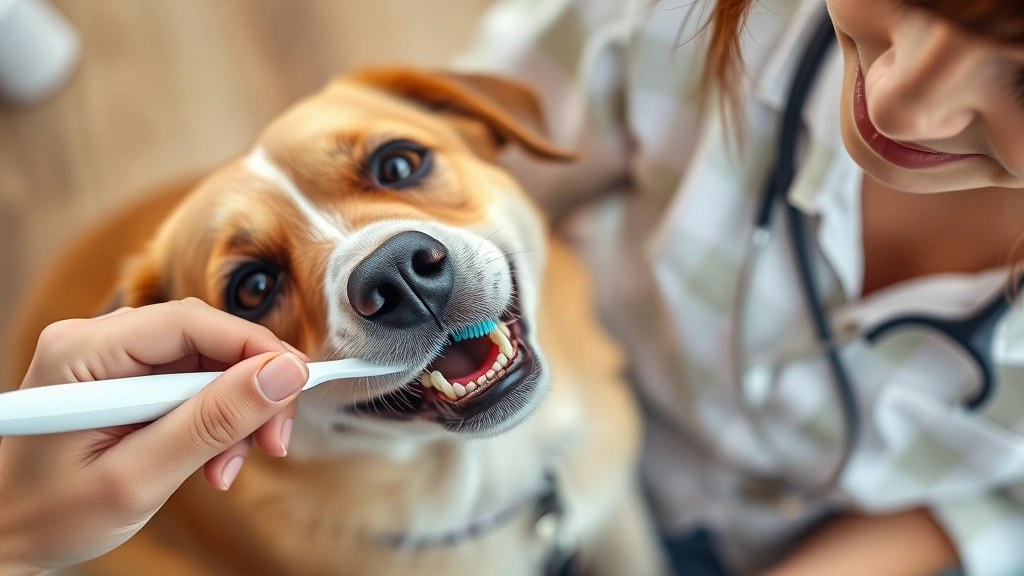
- Brush your dog’s teeth regularly — Aim for daily brushing with a dog-specific toothbrush and toothpaste. Even 3-4 times per week makes a difference.
- Choose dental-friendly foods — Ask your vet about prescription dental diets or kibble designed to reduce plaque buildup through mechanical action.
- Offer appropriate chew toys — Rubber or rope toys designed for dental health can help clean teeth naturally.
- Schedule regular vet checkups — Professional assessments every 6-12 months catch problems early.
- Avoid human foods — Sugary or starchy foods feed bacteria and accelerate dental disease.
These habits, combined with any medications your vet recommends, create a powerful defense against dental disease in young dogs.
When Professional Dental Cleaning Is Necessary
While medications and home care are essential, some young dogs need professional dental cleaning under anesthesia. This is the only way to remove tartar below the gum line and assess damage.
Your vet may recommend cleaning if plaque and tartar are extensive or if gum disease is progressing despite home care. The procedure is safe when performed by experienced veterinarians with proper anesthesia protocols.
After professional cleaning, medications and home care help prevent the disease from returning quickly.
Nutrition and Dental Health for Young Dogs
What your young dog eats directly impacts their dental health. Soft, processed foods stick to teeth and feed bacteria, while dry kibble provides some natural cleaning action.
Some prescription dental diets are specifically formulated to reduce plaque and tartar buildup. These foods have a texture and composition that encourages chewing and mechanical cleaning.
Talk to your vet about whether a dental diet might benefit your young dog. Combined with brushing and medication, the right diet creates an ideal environment for healthy teeth.
When to Seek Urgent Veterinary Care
Most dental disease in young dogs develops gradually, but some situations need faster attention. Seek veterinary care promptly if your dog shows signs of severe infection or pain.
If you’re unsure whether your pet needs urgent care, a quick telehealth check-in can give you peace of mind—no appointment needed. A virtual vet visit is a great way to get guidance on whether your young dog needs to be seen in person.
Building a Dental Health Routine Your Young Dog Will Accept
Getting your young dog used to dental care takes patience, but it’s worth the effort. Start slowly with tooth brushing, using positive reinforcement and high-value treats.
Make it part of your daily routine, like a game or bonding time. Most young dogs adapt well when introduced gradually. The habit you build now will serve your dog’s health for years to come.
Summary: Your Action Plan for Young Dog Dental Health
Dog dental disease in young pets is preventable and manageable when caught early. The combination of home care, appropriate medications, and professional veterinary guidance gives your young dog the best chance at a healthy smile.
Remember: you’re not alone in this. Your vet is your partner in keeping your pup’s teeth healthy, and modern telehealth options make it easier than ever to get professional advice when you need it.
Frequently Asked Questions
At what age can puppies develop dental disease?
Dental disease can begin as early as the puppy stage, though it’s more common in dogs over 3 years old. Starting good dental habits early prevents problems down the road.
Can dental disease in young dogs be reversed?
Early-stage dental disease (Stage 1-2) can often be reversed or stopped with aggressive home care and medication. Advanced stages cause permanent bone loss but can be managed to prevent further progression.
Is anesthesia safe for young dogs undergoing dental cleaning?
Yes, anesthesia for dental procedures is generally safe in healthy young dogs when administered by experienced veterinarians. Your vet will perform pre-anesthesia bloodwork to ensure safety.
How often should I brush my young dog’s teeth?
Daily brushing is ideal, but even 3-4 times per week significantly reduces plaque buildup. Consistency matters more than perfection.
Can diet alone prevent dental disease in young dogs?
Diet is important but not enough on its own. A combination of brushing, dental diet, appropriate chews, and regular vet checkups provides the best protection against dental disease.
What To Do Now
- Schedule a dental checkup with your veterinarian if you haven’t had one in the past 6 months, or if you’ve noticed any signs of dental problems.
- Start a tooth-brushing routine at home using a dog-specific toothbrush and toothpaste—begin slowly if your pup is new to it.
- Review your young dog’s current diet with your vet and ask whether a dental-focused diet or supplements might help.
- If you’re concerned about costs or need quick guidance, reach out for emergency vet advice or schedule a telehealth consultation to discuss your options.
- Research dental treats and toys approved for plaque reduction, and incorporate them into your dog’s daily routine.
Your young dog’s dental health is in your hands—and with the right approach, you can keep those teeth healthy and strong for years to come. You’ve got this!
This article is for general education and is not a substitute for care from your own veterinarian. Learn about The Pet Vet and our editorial policy.