
If your dog suddenly has bad breath, is drooling more than usual, or seems reluctant to eat, you might be noticing signs of dog dental disease sudden onset. This can feel alarming, especially when symptoms appear out of nowhere. The good news? Catching dental problems early gives you the best chance to help your pup feel better quickly.
Table of Contents
- Understanding Sudden Onset Dental Problems in Dogs
- Common Signs of Sudden Dental Issues
- Why Dental Disease Can Develop Rapidly
- The Role of Medications in Managing Dental Disease
- When to Seek Immediate Veterinary Care
- What Your Vet Will Do During an Examination
- Supporting Your Dog at Home During Treatment
- Preventing Future Dental Disease
- The Importance of Professional Dental Cleaning
- Frequently Asked Questions
- What To Do Now
- Summary
This article is for informational purposes only and is not a substitute for professional veterinary advice. Always consult a licensed veterinarian for diagnosis and treatment.
Understanding Sudden Onset Dental Problems in Dogs
Dental disease doesn’t always develop gradually. Sometimes, what seems like a sudden problem has actually been building underneath the surface for months. Other times, an acute infection or trauma can cause rapid changes in your dog’s oral health.
When dental disease appears suddenly, it’s often because an infection has reached a critical point, a tooth has fractured, or your pup has developed an abscess. These situations need prompt attention from a veterinarian to prevent pain and further complications.
Common Signs of Sudden Dental Issues
Your dog might be experiencing dental trouble if you notice any of these signs:
- Severe bad breath (worse than typical “dog breath”)
- Excessive drooling or drooling with blood tinges
- Swelling around the face, jaw, or under the eyes
- Reluctance to eat or dropping food while chewing
- Pawing at the mouth or face
- Behavioral changes like irritability or withdrawal
- Visible tartar buildup or discolored teeth
Catching these early signs puts you in a great position to help. The sooner you reach out to a vet, the sooner your dog can get relief.
Why Dental Disease Can Develop Rapidly
Several factors can trigger sudden onset dental problems in dogs. Bacteria thrive in the mouth, and when conditions are right, an infection can escalate quickly. Poor oral hygiene, existing plaque and tartar buildup, and even minor injuries to the gums create perfect environments for problems to develop fast.
Additionally, some dogs are genetically predisposed to dental issues. Smaller breeds, in particular, often experience crowded teeth that make cleaning harder and infections more likely.
The Role of Medications in Managing Dental Disease
While medications alone cannot cure dental disease, they play an important role in managing pain, controlling infection, and supporting your dog’s comfort during treatment. Your veterinarian may recommend medications to address different aspects of the problem.
Here are seven categories of medications commonly used to help dogs experiencing dental disease:
1. Antibiotics for Bacterial Infections
When a dental infection is present, antibiotics help eliminate harmful bacteria. These medications reduce inflammation and prevent the infection from spreading to other areas of the mouth or body. Your vet will choose the right antibiotic based on the type of infection and your dog’s health history.
2. Pain Relief Medications
Dental pain can be intense. Pain relief medications help your dog feel more comfortable while the underlying issue is being addressed. This allows your pup to eat, drink, and rest better during recovery.
3. Anti-Inflammatory Drugs
Swelling and inflammation are common with dental disease. Anti-inflammatory medications reduce these symptoms and help tissues heal more effectively. They also improve your dog’s overall comfort level.
4. Antimicrobial Oral Rinses
Some vets recommend antimicrobial rinses or gels applied directly to affected areas. These help control bacterial growth in the mouth and support healing of inflamed gum tissue.
5. Antifungal Medications (When Applicable)
Occasionally, fungal infections develop alongside bacterial dental disease. If your vet identifies a fungal component, they may recommend antifungal medications to address it.
6. Medications for Secondary Complications
Dental infections can spread, potentially affecting the heart, kidneys, or other organs. In some cases, vets prescribe medications to support these systems and prevent complications.
7. Supplements to Support Oral Health
Some veterinarians recommend oral health supplements containing probiotics or enzymes. These may help support healing and improve overall mouth health during recovery.
When to Seek Immediate Veterinary Care
Certain signs indicate your dog needs urgent attention. If you notice facial swelling, difficulty breathing, signs of severe pain, or fever, contact your vet immediately. These symptoms suggest the infection may be spreading beyond the teeth.
Even if symptoms seem mild, don’t wait. Dental infections can progress quickly in dogs. Online vet help is available now if you’re unsure whether your situation qualifies as an emergency.
What Your Vet Will Do During an Examination
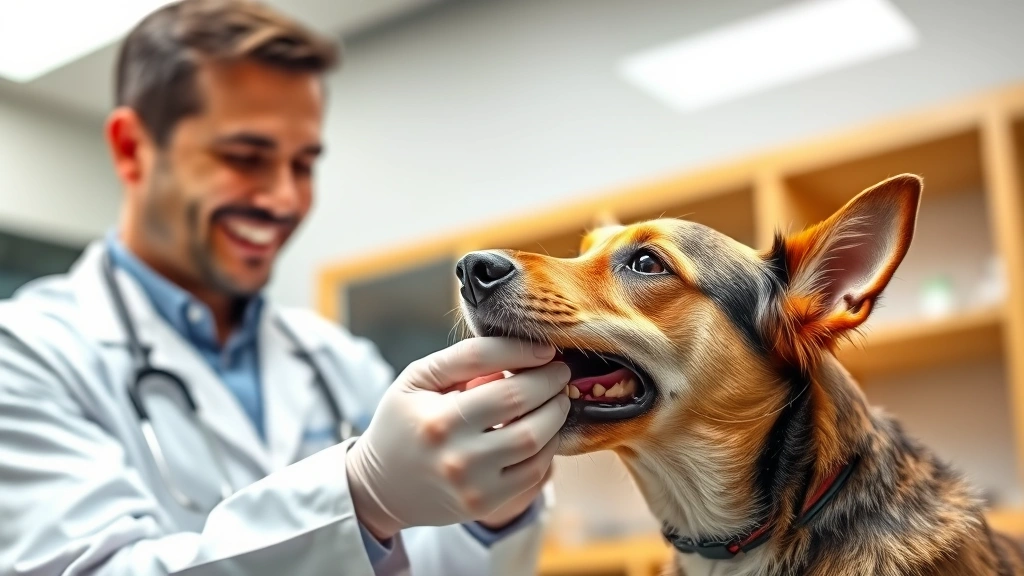
Your veterinarian will perform a thorough oral examination to assess the extent of dental disease. They may take X-rays to see what’s happening beneath the gum line, where serious problems often hide. This helps them determine which teeth can be saved and which may need extraction.
Based on these findings, your vet will recommend a treatment plan. This might include professional cleaning, extractions, medications, or a combination of approaches. They’ll also discuss at-home care to prevent future problems.
Supporting Your Dog at Home During Treatment
While your dog recovers from dental disease, a few simple steps make a big difference:
- Give medications exactly as prescribed, even if your dog seems better
- Offer soft foods that don’t require heavy chewing
- Provide fresh water at all times to help flush the mouth
- Avoid hard chews or toys that could irritate healing tissue
- Gently monitor the mouth for any changes or worsening symptoms
Your patience and care during this time help your pup heal faster and feel more comfortable.
Preventing Future Dental Disease
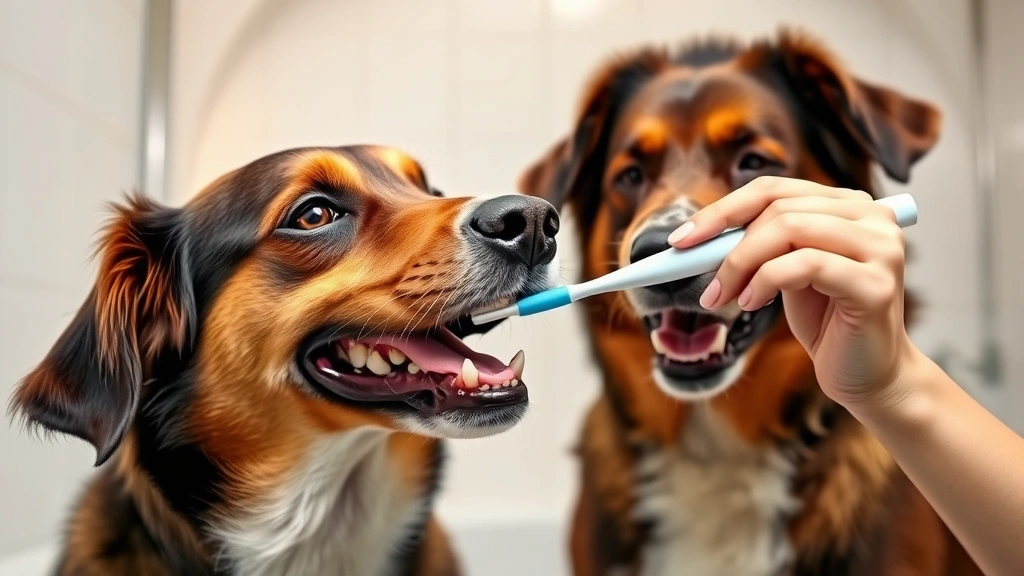
Once your dog recovers from sudden onset dental disease, prevention becomes your priority. Regular brushing (even a few times a week helps), dental chews approved by your vet, and routine professional cleanings keep problems at bay.
Schedule regular check-ups so your vet can catch early signs before they become emergencies. Many dental issues are preventable with consistent care and attention.
The Importance of Professional Dental Cleaning
Home care is important, but professional dental cleaning removes tartar and plaque that brushing alone cannot. These cleanings are typically done under anesthesia to ensure thorough work and your dog’s safety. Your vet can recommend how often your dog needs professional cleanings based on their age, breed, and health.
Think of professional cleaning as an investment in your dog’s long-term health. It prevents infections, reduces pain, and can even extend your pup’s lifespan by preventing bacteria from entering the bloodstream.
Frequently Asked Questions
Can dental disease in dogs be reversed with medication alone?
Medications can manage infection and pain, but they cannot reverse structural damage like bone loss or tooth decay. Professional cleaning and sometimes extractions are needed alongside medication for complete treatment.
How quickly can dental disease develop in dogs?
Dental disease can progress rapidly, especially if an infection is present. What seems sudden often reflects weeks or months of buildup finally reaching a critical point.
Is it safe to give my dog antibiotics for dental problems?
Yes, when prescribed by a veterinarian, antibiotics are safe and necessary for treating dental infections. Always follow dosing instructions and complete the full course even if your dog seems better.
What happens if I don’t treat sudden dental disease?
Untreated dental infections can spread to the heart, kidneys, and other organs, causing serious health complications. Prompt treatment prevents these dangerous complications and relieves your dog’s pain.
Can I check my dog’s teeth at home?
Yes, gently lifting your dog’s lips to look at their teeth helps you spot problems early. Healthy gums should be pink, and teeth should be white without excessive tartar. Any changes warrant a vet visit.
What To Do Now
If you suspect your dog is experiencing dental disease, take these steps today:
- Schedule a veterinary examination — Contact your regular vet or book a virtual vet appointment to get professional eyes on the problem quickly
- Document symptoms — Write down when you first noticed changes, what symptoms are present, and how your dog’s behavior has shifted. This helps your vet understand the timeline
- Get a telehealth consultation — If you’re unsure whether your pet needs urgent care, ask a vet online for guidance. A quick telehealth check-in can give you peace of mind with no appointment needed
- Prepare for treatment — Ask your vet about medication options, professional cleaning, and any extractions that might be needed so you’re ready to move forward
- Plan prevention — Once your dog recovers, work with your vet on a dental care routine to prevent future sudden onset problems
Summary
Dog dental disease sudden onset can be frightening, but it’s manageable when you act quickly. Medications play an important role in controlling infection, reducing pain, and supporting healing. However, medications work best alongside professional veterinary care, which may include dental cleaning or extractions.
The key is not to delay. Early intervention prevents complications, reduces your dog’s suffering, and often leads to better long-term outcomes. Your veterinarian is your best partner in addressing this problem. If you have questions or concerns about your dog’s dental health, ask a veterinarian question online to get expert guidance whenever you need it.
Remember, you’re doing the right thing by seeking information and help for your pup. With prompt care and attention, most dogs recover well from dental disease and go on to enjoy healthy, happy lives.
This article is for general education and is not a substitute for care from your own veterinarian. Learn about The Pet Vet and our editorial policy.